

Is your long living room feeling more like a challenge than a cozy space? You’re not alone.
Arranging furniture in a narrow or elongated room can be tricky, making it hard to create a balanced, inviting atmosphere. But what if you could turn that awkward layout into your favorite part of the home? You’ll discover simple and effective furniture layout ideas that transform your long living room into a stylish, comfortable space.
Keep reading—your perfect living room setup is closer than you think.
Maximize Space With Zoning
Maximizing space in a long living room can feel like a puzzle. Zoning helps you break down the length into smaller, purposeful areas. This approach creates a balanced flow and makes the room feel inviting rather than just a long corridor.
Create Functional Areas
Think about how you use your living room throughout the day. You could set up a cozy reading nook at one end and a TV or entertainment zone at the other. Adding a small desk area for work or hobbies can also make the space more versatile.
Each zone should have its own function to avoid clutter and confusion. By assigning clear purposes, you guide movement naturally. Have you noticed how easy it is to lose a room’s purpose when everything blends together?
Use Rugs To Define Zones
Rugs are a simple and effective way to mark different areas within your long living room. Choose rugs that fit the furniture layout in each zone, anchoring the space visually. This adds warmth and helps your eyes rest on separate sections.
Try varying rug textures or colors to emphasize the change from one area to another. It’s a small detail that can make a big difference in how your room feels. Do you currently use rugs to separate spaces in your home?
Incorporate Room Dividers
Room dividers don’t have to be bulky or permanent. Open shelving, screens, or even plants can act as subtle barriers that create private zones without blocking light. This keeps the space airy yet organized.
Dividers help you control sightlines and can double as storage or display areas. This dual purpose makes them a smart choice for a long living room. What kind of divider would fit your style and needs best?
Choose The Right Furniture Size
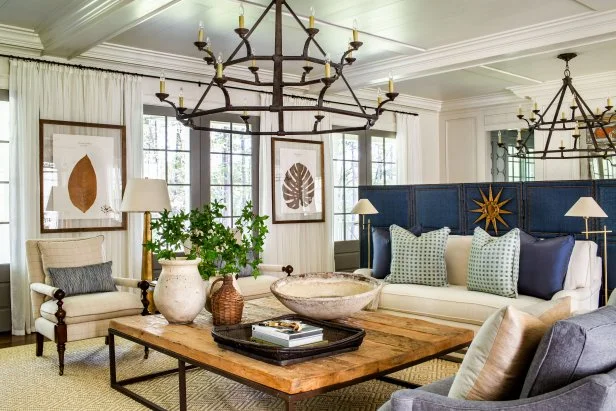
Choosing the right furniture size is crucial for making a long living room feel inviting and well-proportioned. The goal is to fill the space without making it feel empty or cramped. It’s about finding a balance that supports both comfort and style, allowing your room to flow naturally.
Balance Large And Small Pieces
Start by mixing big and small furniture items to create visual interest. A large sectional sofa can anchor one side of the room, while smaller chairs or ottomans provide flexibility and balance. This contrast prevents the space from feeling monotonous or overly heavy on one side.
Think about how different pieces interact. Too many large items can overwhelm the room, while too many small pieces might make it look cluttered. Have you considered how your furniture sizes affect movement and sightlines in your space?
Avoid Overcrowding
It’s tempting to fill every inch of a long living room, but overcrowding can make it uncomfortable. Leave enough space between pieces to allow easy walking paths and a sense of openness. Aim for at least 18 inches between furniture for comfortable movement.
Use rugs or lighting to define areas instead of piling on extra furniture. Sometimes less is more, especially when you want your room to breathe. Could your space benefit from fewer, more thoughtful pieces?
Opt For Multi-functional Furniture
Multi-functional furniture saves space and adds value in a long living room. Look for items like storage ottomans, sofa beds, or coffee tables with shelves. These pieces help you maximize usability without adding bulk.
This approach is practical and keeps your room tidy. When was the last time you evaluated your furniture for its multiple uses? Adding pieces that serve more than one purpose can transform your room’s functionality and style.
Arrange Seating For Conversation
Arranging seating in a long living room shapes how people interact. The right layout helps create a cozy spot for chatting and relaxing. Thoughtful placement of furniture makes conversations easier and more natural.
Position Sofas And Chairs Strategically
Place sofas and chairs facing each other. Keep a comfortable distance so voices carry well. Avoid lining up all seats along one wall. Use the room’s length to space seating areas smartly. This encourages eye contact and easy talking.
Create Intimate Groupings
Break up the long room into smaller zones. Group sofas and chairs around a coffee table or rug. This forms a natural circle for conversation. Smaller clusters feel inviting and less empty. Use rugs or lighting to define each seating area.
Include Flexible Seating Options
Add stools, ottomans, or lightweight chairs. These can move to fit different group sizes. Flexible seating adapts to casual talks or larger gatherings. It also fills empty spaces without crowding. Choose pieces that are easy to rearrange.
Enhance Flow And Movement
Enhancing flow and movement in a long living room makes the space feel open and inviting. Proper furniture placement avoids clutter and allows easy navigation. Thoughtful layout lets people move freely without bumping into objects.
Maintain Clear Pathways
Keep walking areas free of furniture and obstacles. Leave enough space between pieces for smooth passage. Clear pathways help guests move naturally through the room. Avoid blocking doorways and windows to improve access and light.
Align Furniture With Traffic Patterns
Arrange seating and tables along natural walking routes. Position sofas and chairs to guide movement through the space. This alignment prevents disruption and creates a balanced look. It also makes the room feel more organized and comfortable.
Use Open-backed Furniture
Choose furniture with open backs to reduce visual weight. Open-back pieces allow light and sightlines to pass through. They create a sense of airiness in a long room. This choice helps maintain an uncluttered, spacious feel without sacrificing function.
Incorporate Storage Solutions
Adding smart storage solutions in a long living room can transform the space from cluttered to calm. Storage doesn’t just hide mess—it shapes how you live in the room. The right choices help you keep essentials handy without sacrificing style or space.
Use Built-in Shelving
Built-in shelves fit perfectly along long walls, making use of vertical space without crowding the floor. You can display books, art, or plants while keeping everyday items organized.
Think about customizing shelves with doors or baskets to hide less attractive clutter. This keeps the room looking clean and inviting.
Select Furniture With Hidden Storage
Choosing sofas, ottomans, or coffee tables that open up for storage gives you double functionality. You gain a spot to stash blankets, magazines, or toys without adding extra pieces.
I once swapped a regular coffee table for one with a lift-top and noticed how much easier it was to keep the living room tidy. What items in your space could be tucked away?
Keep Clutter Minimal
Less clutter means more room to breathe. Regularly assess what you really need in the living room and remove items that don’t serve a purpose.
Try using trays or baskets to corral small items and make cleaning up quick. How often do you find yourself overwhelmed by stuff in your living room?
:max_bytes(150000):strip_icc()/CarinaSkrobeckiPhoto_JessicaNelsonDesign_252222ndAve_01-47bc103d13e34f8d89179a86e968e7eb-5b0a8608f5c64a999203309e3fd0af57.jpg)
Play With Lighting And Accessories
Lighting and accessories bring life to a long living room. They create warmth and add style. Thoughtful choices can make the space feel cozy and inviting. Play with different elements to balance the room’s length and add visual interest.
Layer Different Light Sources
Use a mix of light types to brighten the room evenly. Combine ceiling lights with floor lamps and table lamps. This approach reduces harsh shadows and creates a soft glow. Place lights at different heights to add depth and dimension. Dimmer switches help adjust brightness to suit the mood.
Add Statement Pieces
Choose bold accessories to break up the long space. A large rug can anchor the seating area. Throw pillows and blankets add color and texture. Artwork or sculptures draw attention and create focal points. These pieces give the room personality and charm.
Use Mirrors To Expand Space
Mirrors reflect light and make rooms look bigger. Position a large mirror opposite a window for natural light bounce. Group smaller mirrors on a wall for an artistic touch. Mirrors also add brightness and a sense of openness to the living room.

Frequently Asked Questions
How To Arrange Furniture In A Long Living Room?
Start by dividing the room into zones like seating and reading areas. Use rugs to define spaces. Place larger furniture against walls to open the center. Keep pathways clear for easy movement and balance the layout visually.
What Furniture Suits A Narrow Long Living Room?
Choose slim, low-profile furniture to avoid crowding. Opt for multifunctional pieces like storage ottomans. Use sofas and chairs with exposed legs for a lighter look. Avoid bulky items that block natural light and restrict flow.
How To Create Cozy Zones In A Long Living Room?
Use rugs, lighting, and furniture placement to define zones. Group seating around a focal point like a fireplace or TV. Add side tables and lamps to enhance comfort. Separate areas visually with shelves or plants.
What Colors Work Best In A Long Living Room?
Light, neutral colors make the space feel larger and brighter. Use accent colors in decor to add warmth and interest. Avoid dark shades on walls as they can make the room feel narrower.
Conclusion
A long living room offers many ways to arrange furniture. Choose pieces that fit the space well. Create zones for sitting, relaxing, and socializing. Keep pathways clear to make movement easy. Use rugs and lighting to define areas. Balance the room by spreading furniture evenly.
Personal touches make the space feel warm and inviting. With these tips, your long living room will be both functional and cozy. Enjoy designing a space that feels just right for you.