
Struggling to make your long, narrow living room feel cozy and balanced? You’re not alone.
Finding the right furniture placement can transform that tricky space into a stylish, comfortable haven. Imagine walking into your living room and instantly feeling relaxed, with everything perfectly arranged for both function and flow. You’ll discover simple yet powerful tips to maximize your space, highlight your style, and make your living room work for you.
Keep reading—your dream layout is closer than you think.

Choosing The Right Furniture
Choosing the right furniture for a long narrow living room can transform the space from cramped to cozy. The key is to pick pieces that fit the room’s shape without overwhelming it. Think about how each item will function and flow within the space before making a decision.
Size Matters
Oversized furniture can make a long narrow room feel even tighter. Opt for slim, streamlined pieces that keep the space open. For instance, a narrow sofa or a loveseat fits better than a bulky sectional.
Measure your room carefully and choose furniture that leaves enough walking space. You want a comfortable path through the room, not an obstacle course.
Multi-functional Pieces
Furniture that serves more than one purpose is a game changer in a long narrow living room. A storage ottoman can act as seating, a coffee table, and a place to stash blankets.
Look for sofas with built-in storage or fold-out beds to maximize functionality. These pieces help you save space without sacrificing comfort or style.
Lightweight Options
Heavy furniture can visually weigh down a long narrow room and make it feel cramped. Choose lightweight materials like metal frames or slim wooden legs to keep the space airy.
Light pieces are also easier to move when you want to change the room’s layout. This flexibility helps you adapt your living room to different needs and occasions.
:max_bytes(150000):strip_icc()/designer-digs-5209106-recirc-890366b347c445a0bdd3d10221f2b1fd.jpg)
Arranging Furniture For Flow
Arranging furniture in a long narrow living room can be tricky. The goal is to create a space that feels open and inviting. Good flow helps people move freely without bumping into furniture. It also makes the room look balanced and comfortable. Here are some tips to arrange furniture for better flow in your living room.
Create Zones
Divide the room into small areas for different activities. Use rugs or furniture placement to mark each zone. For example, place a sofa and chairs around a coffee table for a conversation area. Set up a reading nook with a comfy chair and a lamp in another spot. Zones help break the room into manageable parts. This avoids the space feeling too long or empty.
Avoid Clutter
Keep the furniture minimal and functional. Avoid filling every inch with pieces. Choose items that fit the room size and style. Use open or low-profile furniture to keep sightlines clear. Too many things can make the room feel cramped. Clear spaces make the room feel larger and more relaxing.
Maintain Walkways
Plan clear paths for walking through the room. Leave at least 2 to 3 feet of space between furniture pieces. Avoid blocking doorways or windows with large items. Walkways should guide movement naturally from one end to the other. Proper spacing prevents accidents and makes the room easy to use.
Optimizing Seating Layout
Optimizing the seating layout in a long narrow living room can transform the space from feeling cramped to comfortably inviting. The key is to balance functionality with flow, ensuring every seat invites conversation without blocking pathways. Let’s look at some smart ways to arrange your furniture so your living room feels open and cozy at the same time.
Use Sectionals Wisely
Sectionals can be your best friend in a long narrow living room, but only if you pick the right size and shape. Opt for a slim, low-profile sectional that doesn’t overwhelm the space. Position it along one of the longer walls to maximize floor area and keep the room feeling airy.
Try placing the sectional so it divides the room into distinct zones, like separating a seating area from a reading nook. Avoid pushing all the furniture against the walls; pulling the sectional slightly away from the wall can create a more intimate seating arrangement and improve flow.
Add Accent Chairs
Accent chairs add flexibility and personality to your seating layout. Choose chairs that are lightweight and easy to move, so you can rearrange them based on your needs. Placing one or two chairs opposite the sectional creates a natural conversation circle.
Look for chairs with slim legs or open designs to keep the room feeling spacious. Adding chairs with a pop of color or interesting textures can also break up the monotony of a long narrow space, making it more visually appealing.
Consider Built-ins
Built-in seating or shelving units save valuable floor space and add storage without crowding your room. A built-in bench along one wall can provide extra seating without the bulk of freestanding furniture. Add cushions and pillows to make it comfortable and inviting.
Built-ins can also incorporate storage under the seating, helping you keep clutter at bay in a tight space. This practical solution supports a clean, organized look that enhances the room’s openness and usability.
Enhancing Visual Appeal
Enhancing the visual appeal of a long narrow living room can transform it from a challenging space into a stylish and inviting area. The key lies in creating balance and interest without overwhelming the length of the room. Small design choices can make a big difference in how you experience the space.
Use Rugs To Define Areas
Rugs are powerful tools to break up the length of your living room. Placing rugs strategically helps create distinct zones, like a seating area or reading nook, which makes the space feel more organized and cozy.
Choose rugs with patterns or colors that complement your furniture and walls. This draws attention to specific areas and adds texture, preventing the room from feeling like one endless corridor.
Have you tried layering rugs in a long room? It adds depth and can highlight different functions without any permanent changes.
Incorporate Vertical Elements
Vertical lines and tall furniture can draw the eye upward, balancing the room’s length. Think about adding tall bookshelves, floor lamps, or artwork hung higher on the walls.
These elements break the horizontal flow and give the room a sense of height, making it feel less narrow and more spacious.
Consider a vertical gallery wall or a slim, tall mirror to add interest without crowding the floor space.
Play With Lighting
Lighting shapes how you perceive any room, and in a long narrow living room, it’s especially important. Use a mix of lighting sources to highlight different parts of the space.
Try combining ceiling lights with wall sconces and table lamps. This creates layers of light that add warmth and dimension.
Have you noticed how well-placed lighting can make your room feel larger and more inviting? Experiment with dimmers to adjust the mood throughout the day.
Maximizing Storage Solutions
Maximizing storage in a long narrow living room is key to keeping the space tidy and functional. Smart storage choices help avoid clutter and make the room feel larger. Use every inch wisely to store essentials and decorative items.
Floating Shelves
Floating shelves save floor space by mounting on walls. They create extra storage without crowding the room. Place shelves at different heights to store books, plants, or small decor. Choose slim designs to keep the look light and open.
Under-furniture Storage
Furniture with built-in storage under the seat or base is perfect for narrow rooms. Sofas and benches with drawers or lift-up seats hold blankets and toys. Use storage ottomans for dual purpose seating and hidden space.
Slim Cabinets
Slim cabinets fit well along narrow walls without blocking walkways. Tall, thin cabinets provide vertical storage for items like board games or electronics. Pick cabinets with doors to hide clutter and keep the room neat.
Color And Decor Tips
Choosing the right colors and decor can make a big difference in a long narrow living room. The goal is to create a sense of openness and balance without making the space feel cluttered or cramped. Small adjustments in color and accessories can change how you perceive the room’s size and flow.
Light Colors To Expand Space
Light colors open up a room by reflecting more light. Soft shades like pale blues, creamy whites, or gentle grays can make your living room feel larger and more inviting.
You might think bold colors add personality, but in a narrow space, they can overwhelm. Instead, use light colors on walls and larger furniture pieces. Then, add pops of color with cushions or artwork to keep things lively without closing in the room.
Mirrors For Depth
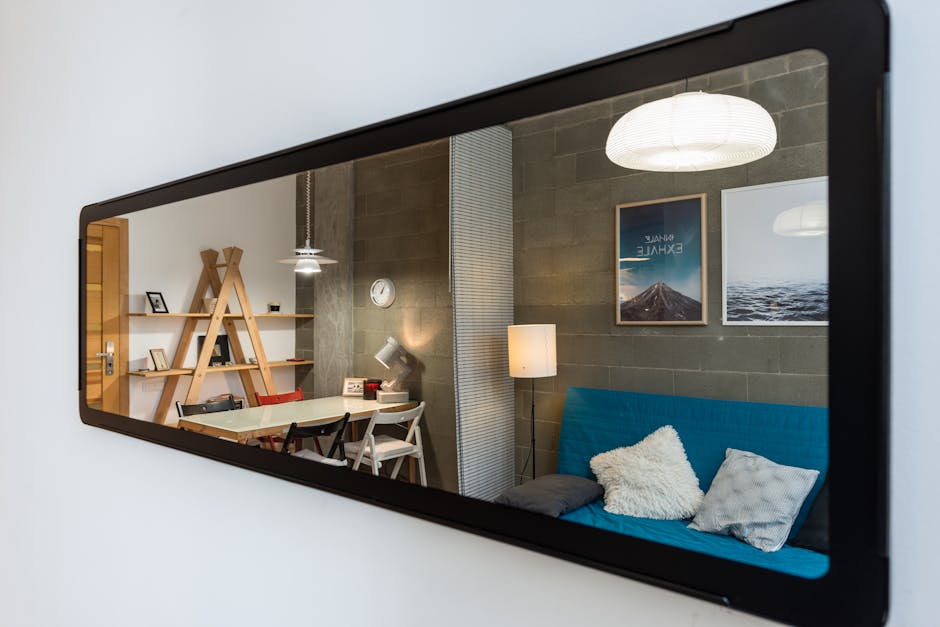
Mirrors are a simple tool to add depth and widen the perception of your space. Placing a large mirror on one of the long walls can create the illusion of a second room next to yours.
Try positioning mirrors opposite windows to bounce natural light around. This trick brightens the space and makes it feel more open. Have you noticed how a well-placed mirror can make you look twice at your room’s size?
Minimalist Accessories
Too many decorations can make a narrow room feel cluttered and cramped. Choosing a few meaningful, well-placed accessories keeps the space clean and focused.
Think about functional decor like a sleek lamp or a simple rug that adds texture without crowding. Ask yourself, does this piece add value or just take up space? Your living room will breathe easier with less but better-chosen items.
:max_bytes(150000):strip_icc()/9.AJ_1186_287copy-bcf7228f3b6f439da19edd86f1b3ac84.jpg)
Frequently Asked Questions
How To Arrange Furniture In A Long Narrow Living Room?
Place larger pieces against the longest walls to open space. Use rugs and lighting to divide zones. Avoid overcrowding by choosing slim, multifunctional furniture. Maintain clear walkways for easy movement and balance the room visually with decor on both ends.
What Furniture Suits A Long Narrow Living Room Best?
Opt for slim sofas, narrow coffee tables, and floating shelves. Modular seating or benches can maximize space. Choose pieces with legs to create an airy feel. Multi-use furniture like storage ottomans saves space and adds functionality.
How To Make A Narrow Living Room Appear Wider?
Use light colors and mirrors to reflect light and create depth. Arrange furniture away from walls to add breathing space. Keep decor minimal and avoid bulky pieces. Vertical stripes or artwork can draw the eye upward, enhancing width perception.
Should I Divide Zones In A Long Narrow Living Room?
Yes, zoning helps define functions and improves flow. Use rugs, lighting, or furniture placement to separate areas like seating and dining. This prevents the room from feeling like a tunnel and creates a cozy, organized environment.
Conclusion
Arranging furniture in a long narrow living room needs smart planning. Choose pieces that fit the space without crowding it. Use rugs and lighting to create cozy zones. Keep pathways clear for easy movement. Mirrors can help open up the room visually.
Small touches make a big difference in comfort and style. With thoughtful placement, your living room will feel balanced and inviting. Try different layouts until it feels just right. Enjoy a space that works well for you and your family.