
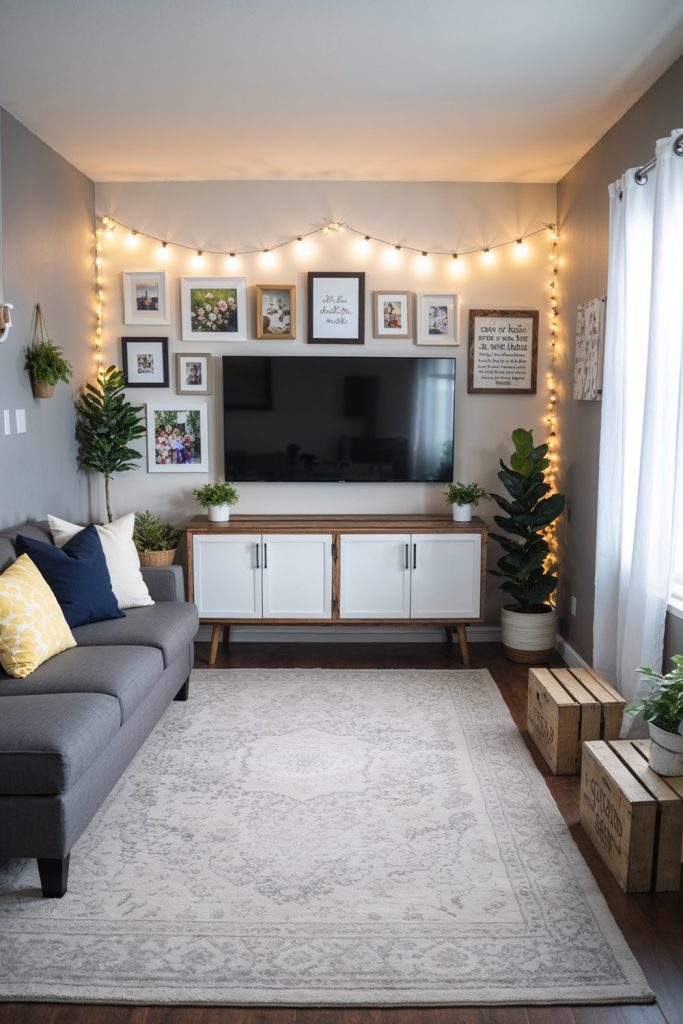
Are you struggling to arrange your living room furniture in a way that feels both cozy and functional? Especially when you want your TV to be the perfect focal point without sacrificing comfort or style?
Finding the right layout can transform your space, making every movie night, family gathering, or quiet moment more enjoyable. You’ll discover simple, smart ways to position your furniture around your TV that maximize space, improve viewing angles, and create a welcoming atmosphere.
Keep reading, and soon your living room will be the spot everyone wants to hang out in.

Choosing The Right Sofa
Choosing the right sofa for your living room is more important than you might think, especially when you have a TV as the focal point. The sofa isn’t just a piece of furniture; it shapes how you experience your space and enjoy your favorite shows or movies. Getting it right means balancing comfort, style, and the practical needs of your TV setup.
Size And Scale Considerations
Your sofa should fit the room without crowding it or leaving too much empty space. Measure the distance from the TV to the seating area to ensure comfortable viewing—typically, this is about 1.5 to 2.5 times the diagonal size of your screen.
Think about the sofa’s height as well; you want your eyes roughly at the center of the TV screen when seated. Oversized sofas might overwhelm a small room, while tiny ones can make a large space feel awkward.
Styles That Complement Tv Setups
Choose sofa styles that support your TV watching experience. Sectionals are great for families or groups, providing ample seating and a cozy setup that encourages interaction.
If your room is smaller or more formal, a sleek mid-century modern sofa with clean lines can keep the space open and uncluttered. Consider sofas with low backs or arms that won’t block the view of the TV from different angles.
Material And Comfort Factors
Comfort is key since you’ll spend hours on your sofa watching shows or relaxing. Look for materials that are soft but durable, such as microfiber or leather, which are easy to clean and maintain.
Don’t overlook the cushion filling—high-density foam offers firm support, while feather-filled cushions provide a plush feel. Ask yourself: do you want a sofa that hugs you or one that supports you firmly during long binge-watching sessions?
Optimizing Tv Placement
Optimizing your TV placement can transform your living room experience. It’s not just about finding a spot for the screen; it’s about creating comfort, reducing strain, and enhancing your viewing pleasure. Thoughtful positioning of your TV influences how you arrange the rest of your furniture and how much you enjoy your favorite shows.
Ideal Viewing Heights
Your TV should be positioned at eye level when you’re seated. This usually means the center of the screen sits about 42 to 48 inches from the floor. Sitting too high or too low can cause neck strain and reduce the clarity of the picture.
Think about how you usually watch TV. Do you lounge on a low sofa or sit upright in an armchair? Adjust the height accordingly to match your most common seating position. You’ll notice a big difference in comfort and immersion.
Wall Mount Vs. Stand Options
Choosing between mounting your TV on the wall or placing it on a stand affects your room’s layout and style. Wall mounts save floor space and create a clean look, but they require careful installation and the right tools.
TV stands offer flexibility—you can easily move or upgrade your TV without hassle. Plus, stands often provide additional storage for media players, consoles, and decor. Consider your room size and how often you might change your setup before deciding.
Reducing Glare And Reflections
Glare can ruin your viewing experience faster than bad content. Position your TV so windows and bright lights don’t reflect directly on the screen. If you notice glare, try adjusting blinds or curtains, or reposition your seating.
Matte screen protectors or anti-reflective coatings can help if glare is unavoidable. Don’t forget to test your TV’s placement at different times of day to spot any reflection issues before finalizing your layout.
Arranging Seating For Interaction
Arranging seating in a living room with a TV involves more than just placing chairs and sofas. The goal is to create a space where people can watch TV comfortably and still enjoy face-to-face conversations. Thoughtful seating layouts invite interaction and make the room feel welcoming.
Balancing Tv Viewing And Conversation
Position seats so everyone has a clear view of the TV without turning too far. Arrange sofas and chairs in a way that encourages talking. Avoid placing all seats in a straight line facing the screen. Angle some seats slightly toward each other. This setup helps people watch TV and chat easily.
Using Sectionals And Accent Chairs
Sectional sofas offer flexible seating for groups. They create a natural boundary for the space. Add accent chairs opposite or beside the sectional to balance the room. These chairs provide extra spots for guests. Choose chairs that can swivel or move easily for better interaction.
Creating Cozy Corners
Use small seating areas to build cozy corners for intimate talks. Place a pair of chairs near a side table or lamp. These corners invite quiet conversations away from the TV. They add warmth and comfort to the room. Use rugs or plants to define these spaces visually.
Incorporating Storage Solutions
Incorporating storage solutions in your living room furniture layout with a TV helps keep the space neat. Smart storage options reduce clutter and create a clean, inviting atmosphere. They also help organize media devices, cables, and other items.
Media Consoles And Cabinets
Media consoles and cabinets provide essential storage under or around the TV. Choose pieces with shelves and drawers to hold remotes, DVDs, and gaming consoles. Closed cabinets hide clutter, while open shelves keep electronics accessible. Look for consoles that fit your room size and style.
Multi-functional Furniture Ideas
Multi-functional furniture saves space and adds storage. Ottomans with hidden compartments store blankets or magazines. Coffee tables with drawers or shelves hold books and small items. Consider sofas with built-in storage for pillows and throws. These pieces keep your living room tidy without extra furniture.
Keeping Clutter Out Of Sight
Use baskets and boxes inside cabinets to organize small items. Label containers for easy access. Keep cables and chargers in dedicated storage to avoid tangles. Regularly declutter to maintain a neat environment. A clean space feels larger and more relaxing for TV time.
Enhancing Space With Lighting
Lighting can completely change how your living room feels and functions, especially when it comes to arranging your furniture around the TV. The right lighting enhances the space, reduces eye strain, and creates a cozy atmosphere that invites you to relax or entertain. Have you ever noticed how a well-lit room feels larger and more welcoming?
Ambient And Task Lighting
Ambient lighting sets the overall brightness of your living room. Use ceiling lights, wall sconces, or large floor lamps to provide soft, even illumination. This helps avoid harsh shadows and balances the glow from your TV screen.
Task lighting, on the other hand, focuses on specific activities like reading or working on a laptop. Adjustable table lamps or directional floor lamps near your seating area can give you the right amount of light without distracting from the TV. Think about where you need light most and place task lamps there.
Accent Lights For Atmosphere
Accent lights add character and depth to your space. LED strips behind your TV or under shelves create a subtle glow that highlights your furniture layout. This kind of lighting also reduces eye fatigue during long viewing sessions by softening the contrast between the bright screen and dark room.
Consider using dimmable accent lights so you can adjust the mood. Do you want a lively vibe for a game night or a calm setting for a movie marathon? Accent lights let you change the atmosphere without moving any furniture.
Smart Lighting Controls
Smart lighting systems give you full control over your living room’s lighting with just a tap or voice command. You can schedule lights to dim automatically when you turn on the TV or brighten when guests arrive. This convenience makes your space more functional and enjoyable.
Using smart bulbs and apps, you can customize color temperatures to suit different times of the day or activities. Have you tried syncing your lights to your TV shows or music? It’s a simple upgrade that makes your living room experience more immersive.

Choosing Rugs And Accessories
Choosing the right rugs and accessories can change the feel of your living room. These elements help tie the space together and make it inviting. Rugs add warmth and texture, while accessories bring color and personality. They also help organize the room visually, especially around the TV area.
Defining Zones With Rugs
Rugs mark different areas in the living room. A large rug under the seating area creates a cozy zone for watching TV. Smaller rugs can separate a reading nook or play space. Choose rug sizes that fit the furniture arrangement well. This creates balance and flow in the room.
Selecting Complementary Decor
Accessories should match the room’s style and colors. Use cushions, throws, and curtains that echo the rug’s tones. Vases, lamps, and artwork add layers without clutter. Keep the TV area neat by choosing simple, functional pieces. This supports a calm and comfortable atmosphere.
Adding Personal Touches
Include items that reflect your personality and memories. Family photos, souvenirs, or favorite books make the space unique. Personal touches invite guests to feel at home. Use accessories sparingly to avoid overcrowding the room. This keeps the focus on comfort and style.
Maximizing Small Living Rooms
Small living rooms can feel cramped and cluttered without the right furniture layout. Maximizing space helps create a comfortable and functional area. Smart design choices make the room feel larger and more inviting. Focus on furniture, layout, and décor to enhance the space effectively.
Space-saving Furniture Choices
Choose furniture that fits the room without overwhelming it. Opt for pieces with slim profiles or open legs. Multi-functional furniture like storage ottomans and fold-out sofas works well. Use wall-mounted shelves instead of bulky cabinets. These choices free up floor space and keep the room tidy.
Open Layout Strategies
Arrange furniture to create clear pathways and avoid crowding. Position seating to face the TV while leaving space behind. Avoid blocking windows to let natural light in. Use rugs to define seating areas without walls. Keep furniture aligned with the room’s shape to maximize flow.
Using Mirrors To Expand Space
Mirrors reflect light and create the illusion of depth. Place a large mirror opposite the TV or windows. Choose simple frames to avoid visual clutter. Mirror walls or panels can double the sense of space. Use mirrors to brighten dark corners and open up the room.

Frequently Asked Questions
How To Arrange Living Room Furniture Around A Tv?
Place the TV at eye level opposite the main seating. Arrange sofas and chairs in a semi-circle or L-shape for clear views. Keep pathways open and maintain comfortable distances between furniture and the TV for optimal viewing.
What Is The Ideal Distance Between Tv And Seating?
The ideal distance depends on TV size. For a 50-inch TV, sit about 6. 5 to 8 feet away. This distance ensures a clear view without straining your eyes, enhancing comfort during extended viewing.
How To Avoid Glare On Tv In Living Room?
Position the TV away from direct sunlight and windows. Use curtains or blinds to control natural light. Opt for matte screen finishes or anti-glare protectors to reduce reflections and improve picture clarity.
Can I Place Furniture Behind The Tv?
It’s best to avoid placing furniture behind the TV to prevent clutter. However, if space is limited, use low-profile furniture or shelves that don’t block ventilation or cables, maintaining functionality and aesthetics.
Conclusion
A good living room layout makes watching TV more enjoyable. Arrange furniture to keep the TV in clear view. Keep enough space for walking and comfort. Choose pieces that fit your room size well. Balance style and function for a cozy feel.
Small changes can improve the whole space. Your living room becomes a place to relax and connect. Try different setups until it feels just right. Simple steps lead to a better home experience.