
Your living room is more than just a space—it’s where you relax, entertain, and make memories. But if your furniture feels cluttered or awkwardly placed, it can drain the comfort and style from the room.
Imagine walking into your living room and instantly feeling calm, welcomed, and inspired. That’s exactly what you can achieve by organizing your furniture the right way. You’ll discover simple, practical tips to arrange your living room furniture so it looks great and works perfectly for your lifestyle.
Ready to transform your space? Let’s get started!

Choosing The Right Layout
Choosing the right layout for your living room furniture can transform the space into a welcoming and functional area. It’s not just about fitting pieces in; it’s about making the room work for how you live and interact. Let’s look at key factors that help you create a layout that feels just right.
Assessing Room Size And Shape
Start by measuring your living room’s dimensions and noting its shape. A long, narrow room demands a different arrangement than a square or open-plan space. Knowing your room’s size helps avoid overcrowding or leaving too much empty space.
Think about your furniture’s scale relative to the room. Large sofas might overwhelm a small area, while tiny chairs can feel lost in a big room. Have you ever squeezed a bulky couch into a tight space and regretted it? That’s why matching furniture size to the room is essential.
Creating Conversation Areas
Arrange your furniture to encourage interaction. Group seating—like a sofa facing two chairs—invites easy conversation without shouting across the room. You want people to feel comfortable chatting, not isolated on opposite ends.
Consider adding a coffee table or ottoman in the center to anchor the group. This gives everyone a spot to place drinks or snacks and naturally pulls the seating together. Ask yourself: does the setup make it easy to connect with others?
Balancing Traffic Flow
Plan clear pathways so people can move around without bumping into furniture. Avoid blocking doorways or creating tight squeeze points. A good flow makes your living room feel open and accessible.
Leave at least 2 to 3 feet between furniture pieces for walking space. You might need to shift items away from walls or cluster them differently. How often do you find yourself dodging furniture just to get from one side to the other? Fixing that can improve your daily comfort.

Selecting Key Furniture Pieces
Selecting key furniture pieces shapes your living room’s style and function. It sets the tone for comfort, space, and overall look. Choosing wisely makes the room inviting and practical.
Focus on items that fit your lifestyle and space size. Think about how you use the room daily. Balance style with comfort and usability. This approach helps create a cozy, attractive living room.
Prioritizing Comfort And Function
Comfort is crucial. Pick sofas and chairs with soft cushions and good support. Seating should invite relaxation and long conversations.
Function matters too. Choose pieces that serve multiple purposes. For example, an ottoman can act as a seat or storage.
Think about your activities. A coffee table with space for drinks, books, and devices adds convenience. Arrange furniture to allow easy movement.
Mixing Styles And Materials
Combine different styles for a unique look. Blend modern and traditional pieces for balance. Use similar colors to tie the design together.
Mix materials like wood, metal, and fabric. This adds texture and depth. For example, pair a leather sofa with a wooden side table.
Keep harmony by repeating colors or shapes. Avoid clutter by choosing pieces that complement each other.
Choosing Scalable Furniture
Select furniture that fits your space now and later. Scalable pieces adjust well to different room sizes. Modular sofas or stackable chairs offer flexibility.
Choose items easy to move or rearrange. This helps change the layout for new needs. Smaller pieces can fill space without crowding.
Think about future upgrades. Scalable furniture grows with your style and family size. It keeps your living room fresh and functional.
Optimizing Furniture Placement
Optimizing furniture placement in your living room is key to creating a space that feels both welcoming and functional. It’s about more than just fitting pieces into a room; it’s about arranging them in a way that enhances flow, comfort, and style. Let’s look at some practical ways to get your furniture placement just right.
Anchoring With Rugs
Rugs do more than add color and texture—they anchor your furniture and define zones within a room. Placing a rug under your coffee table or seating area helps group pieces together, making the space feel intentional and cozy.
Choose a rug size that fits your furniture layout. Ideally, all major pieces in a seating area should touch the rug, or at least the front legs should. This small adjustment instantly creates a grounded, balanced look.
Aligning With Focal Points
Every living room has a natural focal point, whether it’s a fireplace, a large window, or a TV. Align your main seating around this feature to draw attention and provide comfort.
Ask yourself: where do people naturally look or gather? Position your sofa and chairs to face or complement this spot. This makes the room feel purposeful and helps conversations flow easier.
Using Symmetry And Asymmetry
Symmetry creates a calm, formal vibe by balancing identical or similar pieces on either side of a central point. Think matching chairs flanking a sofa or two lamps on a console table.
Asymmetry, on the other hand, adds energy and interest. You might pair a large sofa with a smaller chair and a unique side table to keep things dynamic. Don’t be afraid to mix these approaches to suit your style and the room’s shape.
Incorporating Storage Solutions
Incorporating storage solutions in your living room helps keep the space tidy and functional. Thoughtful storage options create room for essentials without overcrowding. They also make the living room feel more open and inviting.
Using Multi-functional Furniture
Multi-functional furniture serves more than one purpose. A sofa bed or ottoman with storage can save space. These pieces hide items like blankets, toys, or magazines. Look for coffee tables with drawers or shelves. This type of furniture reduces clutter and adds convenience.
Adding Shelves And Cabinets
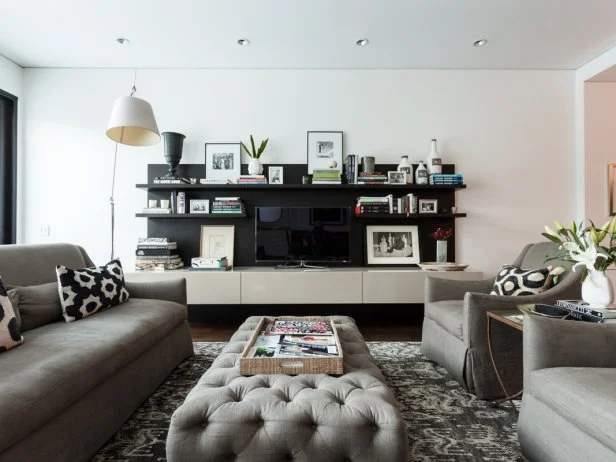
Shelves and cabinets provide vertical storage to maximize space. Floating shelves hold books, plants, or decorative items. Closed cabinets keep belongings out of sight. Choose designs that match your room’s style. This approach organizes items neatly and improves room flow.
Keeping Clutter Hidden
Hidden storage hides clutter and keeps the room calm. Use baskets and boxes inside cabinets or under furniture. Store small items like remote controls, chargers, or toys. Keeping clutter out of view makes the living room look clean and peaceful.
Enhancing With Accessories
Accessories bring life and personality to your living room. They create warmth and comfort. Thoughtful touches make the space inviting and stylish. Accessories also help highlight your furniture and design choices. Use them to balance colors, shapes, and textures. These small details pull the room together beautifully.
Adding Lighting Layers
Good lighting changes the whole mood of a room. Combine different light sources for layers of light. Use a mix of ceiling lights, floor lamps, and table lamps. Soft, warm bulbs create a cozy feel. Dimmer switches help adjust brightness for any activity. Lighting also highlights key furniture and art pieces.
Using Textiles And Pillows
Textiles add color, texture, and comfort. Choose rugs that match your furniture style and colors. Throw pillows bring softness and visual interest. Mix patterns and solids to avoid a flat look. Blankets draped on sofas invite relaxation. These elements make the room feel cozy and complete.
Incorporating Art And Decor
Art adds personality and focal points to the room. Hang paintings or prints that reflect your taste. Use shelves to display small sculptures or collectibles. Mirrors open up space and reflect light. Vases, candles, and plants add life and freshness. Pick decor that complements your furniture layout and style.
Adapting For Lifestyle Needs
Adapting your living room furniture to fit your lifestyle is key to creating a space that truly works for you. Your daily routines, family size, and hobbies all affect how your furniture should be arranged. Adjusting your layout to match these needs keeps your living room both functional and inviting.
Creating Kid-friendly Spaces
If you have children, safety and accessibility must come first. Choose furniture with rounded edges to prevent injuries and avoid delicate materials that stain easily. Adding a soft rug or foam play mats can create a cozy, safe area where kids can play without worry.
Think about storage too. Baskets or low shelves near the seating area keep toys organized but within reach. Have you noticed how a clutter-free space helps kids focus better during playtime?
Designing For Entertaining
When you love hosting guests, your living room should encourage conversation and flow. Arrange seating so everyone faces each other, whether with sofas, armchairs, or even floor cushions. Leave enough walking space to prevent crowding and make moving around easy.
Consider adding multi-functional furniture like ottomans with hidden storage or coffee tables that double as serving trays. These details make entertaining smoother and more enjoyable. How can your furniture setup make guests feel instantly welcome?
Adjusting For Small Spaces
Living in a smaller space means every piece of furniture must pull double duty. Use compact, lightweight furniture that can be moved easily for different activities. Wall-mounted shelves free up floor space while giving you room to display personal items.
Mirrors and light colors can open up the room visually, but the right furniture placement is what truly maximizes space. What small changes could you try today to make your living room feel bigger and more open?
Frequently Asked Questions
How Do I Arrange Living Room Furniture For Small Spaces?
Use multi-functional furniture and keep pathways clear. Place larger pieces against walls to maximize floor space. Use rugs to define areas. Avoid overcrowding by selecting essential items only.
What Is The Best Furniture Layout For Conversation?
Arrange seating in a circular or semi-circular pattern. Keep chairs and sofas close but not cramped. Ensure all seats face each other for easy communication.
How Can I Create A Focal Point In My Living Room?
Choose a standout piece like a fireplace, artwork, or TV. Arrange furniture to face this element. Use lighting and decor to enhance the focal point.
What Furniture Should I Avoid In A Small Living Room?
Avoid bulky, oversized pieces that overwhelm space. Stay away from too many small chairs that clutter the room. Opt for sleek, space-saving designs instead.
Conclusion
Organizing your living room furniture brings comfort and style together. Start with a clear plan and measure your space well. Choose pieces that fit and arrange them to encourage conversation. Leave enough walking space for easy movement. Add small touches like rugs or lamps to create warmth.
Regularly adjust the layout to keep the room fresh. A well-arranged living room feels inviting and works for your needs. Simple steps make a big difference in your home’s look and feel. Enjoy a neat, cozy space every day.