
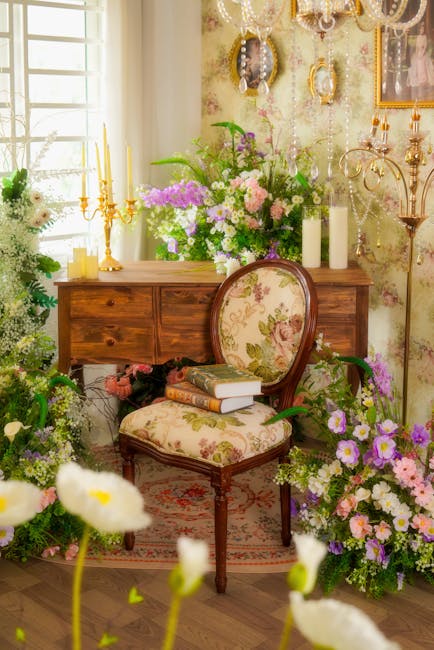
Struggling to make your small living room feel spacious and cozy at the same time? You’re not alone.
Finding the perfect furniture arrangement can transform your room from cramped to comfortable, giving you more space to relax and entertain. Imagine walking into your living room and feeling calm, organized, and free to move around without bumping into furniture.
This guide will show you simple, smart ways to arrange your furniture that work with your space—not against it. Keep reading to discover easy tips that will change the way you see your small living room forever.
Choose Multi-functional Furniture
Choosing multi-functional furniture is smart for small living rooms. It saves space and adds usefulness without clutter. Pieces that serve more than one purpose help keep your room neat and open. This approach makes your living space feel larger and more inviting.
Sofa Beds And Storage Ottomans
Sofa beds are perfect for small rooms. They offer seating by day and a bed by night. This dual purpose saves the need for a separate guest bed. Storage ottomans are another smart choice. They provide a place to sit and extra storage inside. Use them to hide blankets, pillows, or toys. These pieces keep your room tidy and functional.
Foldable And Nesting Tables
Foldable tables are easy to move and store. Use them when needed and fold them away to save space. Nesting tables fit one under the other. They offer extra surface space without crowding the room. Pull out the smaller tables for guests or extra work areas. Both types of tables add flexibility and keep your small living room open and airy.

Optimize Layout For Flow
Optimizing the layout of your small living room is key to creating a space that feels open and inviting. Thoughtful arrangement helps maintain easy movement, making the room functional without sacrificing style. You want your furniture to support how you live, not block your way or crowd the space.
Create Clear Pathways
Clear pathways let you move around without bumping into furniture or feeling cramped. Aim for at least 2 to 3 feet of walking space between pieces like sofas, chairs, and tables. This simple adjustment can make your room feel larger and more comfortable.
Think about the natural flow of traffic—where do you enter the room? Where do you usually walk to? Arrange seating and tables so that these routes stay open and unobstructed.
If you have children or pets, clear pathways can also prevent accidents. Have you noticed how cluttered paths make even short distances feel longer? Keeping these routes open changes how quickly and easily you move through your space.
Use Corners Wisely
Corners in a small living room often become wasted space. Instead, turn them into useful spots. Placing a cozy chair or a small bookshelf in a corner can add function without crowding the center of the room.
Corner shelves or angled sofas can maximize seating and storage in tight spots. You might also use a floor lamp or plant to brighten and soften these areas, making the room feel more balanced.
Ask yourself: can that empty corner serve a purpose? Using corners smartly can free up the main area for activities and socializing, giving your small living room a fresh, open feel.
Select Scale-appropriate Pieces
Selecting scale-appropriate furniture is key to making a small living room feel comfortable and spacious. Choosing pieces that fit the room’s dimensions helps avoid clutter and allows better movement. When you focus on size and style, you create a balanced environment that welcomes you and your guests.
Avoid Oversized Furniture
Oversized sofas and bulky armchairs can quickly overwhelm a small living room. They reduce walking space and make the room feel cramped. Instead, measure your space before buying and choose furniture that leaves plenty of room to move around.
I once squeezed a large sectional into a tiny living room, thinking more seating was better. The result? The room felt crowded and uncomfortable. After switching to a smaller sofa and a couple of chairs, the space opened up and became much more inviting.
Use Slimline Designs
Slimline furniture with clean lines helps maintain a sense of openness. Pieces with narrow arms, raised legs, and minimalist frames take up less visual space. They also make cleaning easier and add a modern touch to your room.
- Choose tables with thin metal or wooden legs instead of bulky bases.
- Opt for chairs that don’t have large, padded arms.
- Look for sofas with exposed legs to create the illusion of more floor area.
Have you noticed how a slim console table can fit perfectly behind a sofa without crowding the room? Those small details make a big difference. Think about what you really need and go for designs that maximize space without sacrificing comfort.
Incorporate Vertical Storage
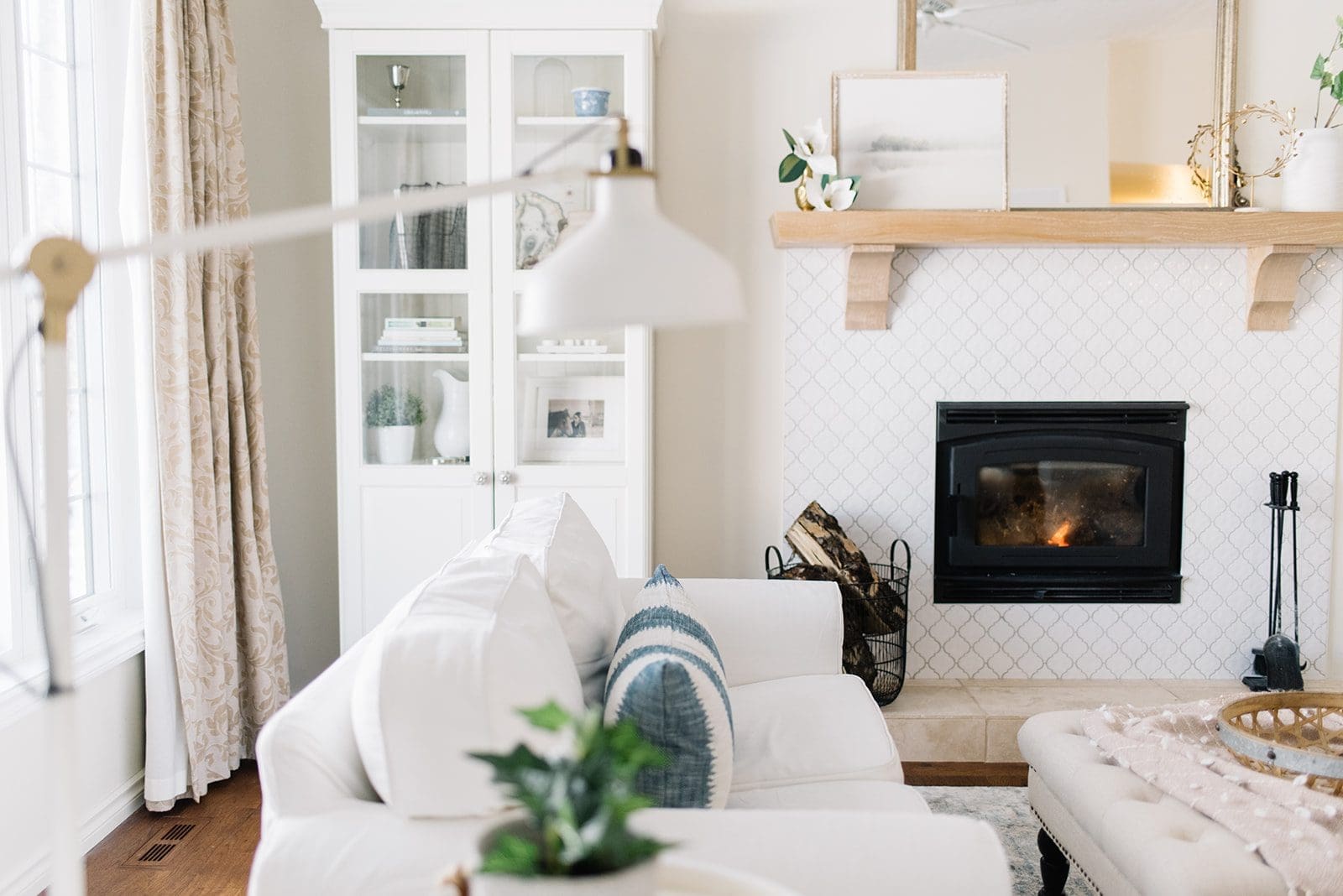
In small living rooms, space is limited. Using vertical storage helps maximize every inch. It keeps the floor clear and makes the room feel bigger. Vertical storage draws the eye upward, creating a sense of height. It also provides extra spots to store or display items without clutter.
Wall Shelves And Floating Cabinets
Wall shelves make use of empty wall space. They hold books, plants, or decorative pieces. Floating cabinets add storage without taking floor space. These cabinets keep things hidden and the room tidy. Choose shelves and cabinets that match your room style for a neat look.
Tall Bookcases And Hooks
Tall bookcases use vertical height to store many items. They fit in corners or against walls easily. Hooks offer simple storage for coats, bags, or keys. Mount hooks at different heights to save space and stay organized. Both options keep essentials within reach but off the floor.
Leverage Light And Mirrors
Light and mirrors can dramatically change how your small living room feels. They not only brighten the space but also create an illusion of more room. Using these elements smartly helps you avoid a cramped feeling and makes your living area inviting.
Place Mirrors To Expand Space
Mirrors reflect light and views, doubling what you see. Placing a large mirror opposite a window lets natural light bounce around, making the room feel bigger and airier.
Try hanging mirrors behind your sofa or near the main seating area. This adds depth without taking up floor space.
Have you noticed how some rooms feel larger just because of a well-placed mirror? This trick works especially well in narrow or windowless rooms.
Choose Light Colors And Materials
Light-colored walls, furniture, and decor reflect more light, enhancing the room’s brightness. Whites, soft grays, and pastels open up the space visually.
Materials like glass, acrylic, and polished metals also help bounce light around. A glass coffee table or acrylic chairs won’t block sightlines, keeping the room open.
Think about your favorite cozy spot. Does it feel cramped or spacious? Swapping heavy fabrics for lighter ones can make a surprising difference.

Create Zones With Rugs And Lighting
Creating distinct zones in a small living room can make the space feel larger and more functional. Rugs and lighting are powerful tools that help you define areas without adding physical barriers. They guide the eye and shape the way you experience your room every day.
Define Areas Without Walls
Rugs act like invisible borders for your furniture. Use them to mark the seating area, the reading nook, or even a workspace. A colorful or patterned rug can instantly draw attention and separate zones visually.
Think about the size of the rug relative to your furniture. Ideally, all the major pieces in a zone should fit on the rug, or at least the front legs of the furniture should rest on it. This keeps the layout cohesive and intentional.
Have you noticed how a well-placed rug can anchor a room? It prevents your furniture from feeling like it’s floating randomly. This simple step can make your small living room feel more organized and inviting.
Use Layered Lighting For Ambiance
Lighting sets the mood and defines function. Combine different types of lighting like overhead, task, and accent lights to create layers. This approach lets you adjust the atmosphere based on your needs.
Table lamps and floor lamps are perfect for cozy corners or reading spots. Meanwhile, overhead lights keep the space bright and open. Adding dimmers gives you control over how much light each zone gets.
Consider how you move through your living room. Does the lighting guide you naturally from one area to another? Experiment with warm bulbs to add comfort or cooler tones to boost focus in workspaces. This small change can transform how you use your space every day.
Declutter And Minimize Accessories
Decluttering and minimizing accessories in a small living room can transform the space from cramped to cozy. When you reduce the number of items, you create room to breathe and make the area feel larger. It’s not just about removing things—it’s about making intentional choices that highlight what truly matters in your space.
Keep Surfaces Clear
Clear surfaces instantly make a room feel less cluttered. Resist the urge to fill every tabletop or shelf with decorative items. Instead, leave plenty of open space to let your furniture and layout shine.
Try keeping only essentials on coffee tables and side tables, like a small plant or a single book. This approach prevents the room from feeling overcrowded and helps you focus on comfort rather than chaos.
Select Statement Pieces
Choose a few standout items rather than many small decorations. A bold lamp, a unique rug, or an eye-catching piece of art can add character without crowding the room.
Think about what draws your eye first. When you highlight a statement piece, everything else can stay simple and functional. What one item makes you happiest to see every day?
Frequently Asked Questions
How To Maximize Space In Small Living Rooms?
Use multi-functional furniture like storage ottomans and foldable tables. Keep furniture low-profile and avoid bulky pieces. Arrange seating close to walls to open central space. Use mirrors to create depth and enhance light. Declutter regularly to maintain an open feel.
What Furniture Is Best For Small Living Rooms?
Choose compact sofas and chairs with slim arms. Opt for furniture with exposed legs to create visual space. Select pieces with built-in storage to reduce clutter. Avoid oversized coffee tables; use nesting or glass tables instead.
How To Arrange Furniture For Small Living Rooms?
Place the largest furniture against walls to free central space. Create clear pathways for easy movement. Use rugs to define seating areas and add coziness. Group furniture around a focal point like a TV or fireplace.
Can Color Affect Furniture Arrangement In Small Rooms?
Yes, light colors make rooms feel larger and brighter. Use neutral tones for large pieces and add colorful accents. Avoid dark, heavy colors that make spaces feel cramped. Consistent color schemes create a cohesive and spacious look.
Conclusion
Small living rooms can feel cozy with smart furniture choices. Arrange pieces to open space and create flow. Choose items that fit well and serve more than one purpose. Use light colors and keep decorations simple. This makes the room look bigger and brighter.
Try different layouts to see what works best. A neat, organized space feels calm and inviting. With care, even the smallest room feels comfortable and stylish. Give your small living room a fresh, new look today.