
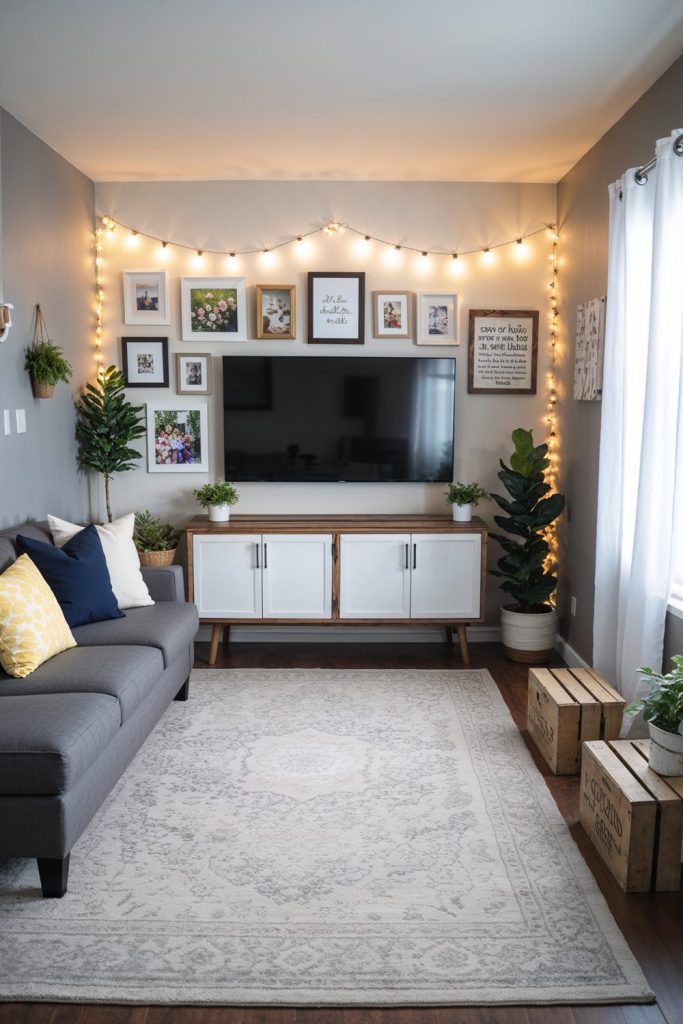
Struggling to arrange furniture in your long narrow living room? You’re not alone.
This tricky space can feel cramped or awkward if not planned right. But with smart layout ideas, you can turn your narrow room into a cozy, stylish haven that feels open and inviting. Imagine a living room where every piece fits perfectly, making your space both functional and beautiful.
Ready to unlock the secrets of the perfect furniture layout for your long narrow living room? Keep reading to discover easy tips that will transform your space instantly.
Maximize Space With Smart Furniture
Maximizing space in a long narrow living room requires smart furniture choices. The right pieces can open up the room and keep it functional. Focus on slim designs and items that serve more than one purpose. This approach helps avoid clutter and makes the room feel larger.
Choose Slim And Multi-functional Pieces
Select furniture with slim profiles to save floor space. Thin armchairs and narrow sofas fit better in tight spots. Look for pieces that offer extra storage, like ottomans with hidden compartments or coffee tables with shelves.
- Sofas with built-in storage drawers
- Foldable or extendable tables
- Nesting side tables for flexible use
- Storage benches that double as seating
Multi-functional furniture helps reduce the number of items in the room. This keeps the layout open and easy to move around.
Opt For Vertical Storage Solutions
Use wall space to add storage without taking floor area. Tall bookshelves and wall-mounted cabinets draw the eye upward. This makes the room feel taller and less cramped.
- Floating shelves for books and decor
- Vertical cabinets that fit narrow walls
- Wall hooks for coats and bags
- Mounted racks for plants or art
Vertical storage keeps essentials organized and off the floor. It creates more open space for seating and walking paths.

Create Zones For Different Activities
Long narrow living rooms can feel tricky to arrange. Creating distinct zones for different activities helps you make the most of the space without it feeling cramped or awkward. When you split the room into clear areas, each spot serves a purpose, making your living room more functional and inviting.
Define Seating And Entertainment Areas
Start by placing your main seating area where it naturally fits, usually near a window or along the longest wall. Use a rug to anchor this zone and arrange chairs and sofas around it to encourage conversation. Position your TV or entertainment unit opposite the seating, but avoid crowding one end of the room.
Think about flow—can people move easily between the seating and other parts of the room? Adding a slim console table behind the sofa or narrow shelves along the wall can keep the space open yet practical. Have you noticed how a well-defined seating area invites guests to sit and stay longer?
Incorporate A Reading Nook
Find a cozy corner or a spot by a window to set up a reading nook. A comfortable chair, good lighting, and a small side table can transform an overlooked space into a personal retreat. This zone doesn’t need much room but adds a lot of charm and function.
Consider vertical storage like wall-mounted shelves or a tall bookcase nearby to keep your favorite books handy. Adding a soft throw or cushion can make this spot your go-to for relaxation. What small changes could turn a narrow corner in your living room into a cherished reading escape?
Enhance Flow And Movement
Enhancing flow and movement in a long narrow living room improves comfort and usability. Thoughtful furniture placement opens up pathways and creates a welcoming space. This allows easy walking without obstacles. Simple changes can make the room feel larger and more inviting.
Arrange Furniture To Avoid Clutter
Place furniture along the walls to free up central space. Choose pieces that fit the scale of the room. Avoid blocking natural walking routes with large items. Use slim or multifunctional furniture to save space. Keep clear zones near doorways and windows. This arrangement helps the room feel open and tidy.
Use Rugs To Guide Pathways
Rugs define areas and direct movement through the room. Use long, narrow rugs to emphasize the length. Position rugs to show clear paths from one end to the other. Layer smaller rugs to create visual breaks and interest. Rugs add warmth while subtly guiding feet along safe routes.

Play With Light And Color
Light and color can change the feel of a long, narrow living room. They help make the space look bigger and more welcoming. Choosing the right shades and placing light smartly can brighten the room. This creates a fresh and open atmosphere where you want to spend time.
Use Light Colors To Open Up Space
Light colors make walls and floors feel farther apart. Soft whites, pale grays, and light pastels reflect more light. This reflection gives the room a sense of airiness and space. Using these colors on walls and furniture helps avoid a cramped feeling.
Try painting the longest walls in lighter shades. Choose light-colored sofas and rugs to keep the area bright. Small pops of color on cushions or art can add interest without closing the space.
Add Mirrors To Reflect Light
Mirrors bounce light around the room, making it feel larger. Place mirrors across from windows to double natural light. Large mirrors on one wall can create the illusion of depth and width.
Use simple frames to keep the look clean and open. Group small mirrors in a pattern to add style and light. Mirror surfaces also add brightness to darker corners of the room.
Incorporate Flexible Seating Options
Flexible seating options bring versatility to a long narrow living room. They allow you to change the layout easily depending on your needs, whether you’re hosting guests or just relaxing. Choosing the right pieces can make your space feel more open and inviting without overcrowding it.
Include Ottomans And Poufs
Ottomans and poufs are excellent for narrow spaces because they don’t take up much room but offer multiple uses. You can use them as extra seating, footrests, or even small tables for snacks and drinks. Their lightweight nature makes it easy to move them around and adjust your seating arrangement quickly.
Think about adding ottomans with hidden storage. This gives you a place to keep blankets, magazines, or toys, keeping the room tidy. Have you noticed how a colorful pouf can add a pop of personality without overwhelming your space?
Use Foldable Or Stackable Chairs
Foldable or stackable chairs are practical for narrow living rooms where space is tight. They can be tucked away when not in use, freeing up valuable floor space. This flexibility lets you bring out more seating only when necessary.
Keep a couple of these chairs in a corner or closet ready for unexpected guests. Choosing stylish designs ensures they blend well with your decor, so you never feel like you’re compromising on looks for function. How often do you find yourself needing extra seats that just aren’t there?
Balance Functionality And Style
Balancing functionality and style in a long narrow living room can be challenging. The room’s shape limits furniture placement and design choices. Focus on making the space both useful and visually appealing. Smart planning helps create a comfortable, inviting room that feels open and cozy.
Choose Cohesive Design Elements
Pick furniture and decor that share a similar style. Use matching colors, shapes, or materials to create harmony. Avoid mixing too many styles to keep the room feeling unified. Choose slim, streamlined furniture to save space and maintain flow. Select pieces that offer storage or multi-use features to boost functionality.
Mix Textures And Patterns Thoughtfully
Introduce different textures to add depth without clutter. Soft rugs, smooth wood, and plush cushions create a cozy feel. Use patterns in small doses, like throw pillows or curtains, to avoid overwhelming the space. Balance bold and subtle prints to keep the room interesting but calm. Textures and patterns help break up long walls and add warmth.
:max_bytes(150000):strip_icc()/9.AJ_1186_287copy-bcf7228f3b6f439da19edd86f1b3ac84.jpg)
Frequently Asked Questions
How To Arrange Furniture In A Long Narrow Living Room?
Place larger pieces along the longest wall. Use rugs and lighting to define spaces. Avoid blocking pathways to keep flow open and functional.
What Furniture Suits A Narrow Living Room Best?
Choose slim, multi-functional furniture like narrow sofas and nesting tables. Use pieces with legs to create an open, airy feel.
How To Create Zones In A Long Narrow Living Room?
Use rugs and furniture placement to define areas. Position seating for conversation and a separate media or reading zone to maximize space.
Can Mirrors Improve A Long Narrow Living Room?
Yes, mirrors reflect light and create an illusion of width. Place them opposite windows to enhance natural light and expand visual space.
Conclusion
A long narrow living room can feel tricky to arrange. Use light colors to open up the space. Choose furniture that fits well without crowding. Place pieces to create a clear path for walking. Add mirrors to make the room look bigger.
Keep decorations simple and avoid clutter. These tips help your living room feel cozy and balanced. Small changes can make a big difference in comfort. Enjoy your stylish and functional living space every day.