
Your living room is more than just a place to sit—it’s where memories are made, and your style truly shines. But sometimes, decorating can feel overwhelming.
What if you could transform your space with simple furniture ideas that bring comfort, personality, and a fresh look? You’ll discover easy and inspiring furniture decorating ideas for your living room that make it inviting and uniquely yours. Ready to unlock your room’s full potential?
Let’s dive in.
Choosing The Right Furniture
Choosing the right furniture shapes the entire living room experience. It sets the tone for comfort and style. The right pieces fit the space well and meet daily needs. Focus on key factors to find furniture that works for your home.
Size And Scale
Measure your living room before buying any furniture. Large pieces can crowd a small room. Small furniture may look lost in a big space. Choose sizes that balance the room’s layout. Keep pathways clear for easy movement. Visual harmony creates a calm and inviting space.
Comfort And Functionality
Select furniture that feels good to use every day. Sofas and chairs should support your body well. Test cushions for softness and firmness. Multi-functional pieces save space and add value. Think about your lifestyle and how you use the room. Comfort and function go hand in hand.
Material And Durability
Choose materials that match your lifestyle and style. Fabric upholstery offers warmth and color options. Leather adds elegance and is easy to clean. Solid wood frames last longer and look classic. Check for sturdy construction and quality finishes. Durable furniture saves money over time.
Color Schemes And Patterns
Choosing the right colors and patterns can transform a living room’s atmosphere. They set the mood and highlight furniture beautifully. Understanding how to use color schemes and patterns helps make the space inviting and stylish.
Neutral Tones For Calm
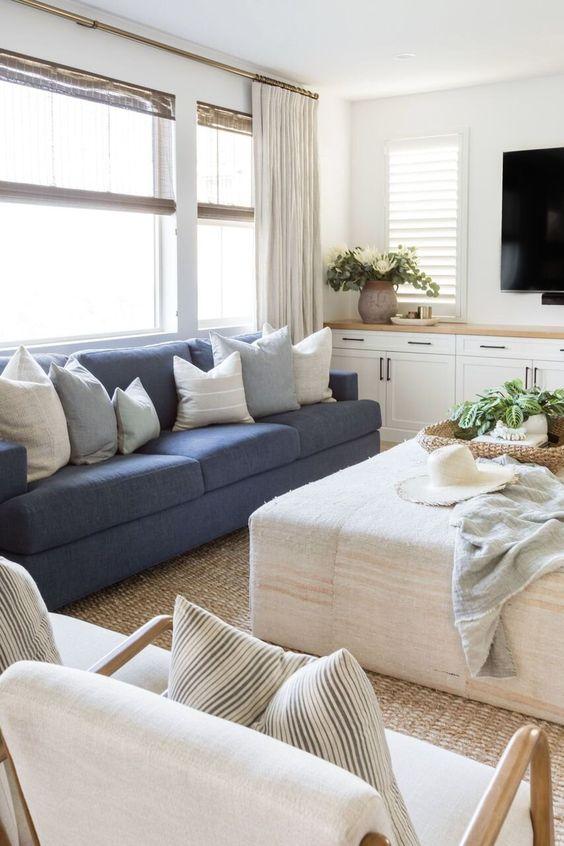
Neutral tones create a peaceful and relaxed environment. Shades like beige, gray, and soft white work well as a base. These colors make the room feel open and airy. They allow furniture to shine without overwhelming the space.
Use different textures with neutral tones for depth. A soft gray sofa paired with a cream rug adds warmth. Wooden furniture in light shades complements the calm vibe. Neutral colors suit almost any style and furniture type.
Bold Colors For Impact
Bold colors bring energy and personality to a living room. Deep blues, rich reds, or vibrant yellows catch the eye quickly. Use these colors on key pieces like sofas or accent chairs. They create a focal point and add excitement to the space.
Balance bold colors with neutral walls or floors. This stops the room from feeling too busy. Bright cushions or throws can introduce bold shades without overwhelming. Bold colors work well in modern or eclectic décor styles.
Mixing Patterns Creatively
Patterns add interest and character to your living room. Combine stripes, florals, and geometric shapes carefully. Choose a color palette to keep the mix harmonious. Patterns can appear on cushions, curtains, or rugs.
- Start with one large pattern and add smaller ones.
- Use similar colors in different patterns for unity.
- Keep some solid colors to avoid visual overload.
Mixing patterns creates a lively and personalized space. It shows creativity and makes the room feel unique. Experiment with different scales of patterns to find the right balance.
Arranging Furniture For Flow
Arranging furniture for flow shapes how people move and feel in a living room. Good flow means easy walking paths and natural conversation spots. It helps the room feel open and welcoming without clutter or awkward spaces.
Plan the layout to allow smooth movement between furniture pieces and other parts of the room. Avoid blocking doors or windows. Keep enough space for walking without bumping into chairs or tables. Thoughtful placement improves both function and style.
Creating Conversation Areas
Group seating close enough for easy talking. Chairs and sofas should face each other or form a circle. Use a coffee table or ottoman in the center to anchor the space. Small side tables offer spots for drinks or books.
Keep the area cozy but not cramped. Leave at least two feet between seats for comfort. This setup invites people to gather and chat naturally.
Balancing Space And Movement
Leave clear paths that guide people through the room. Avoid pushing all furniture against walls, which can feel empty or awkward. Instead, float pieces in the middle with enough room around them.
Use these tips:
- Maintain 3 feet of walking space around large furniture
- Place bulky items where they don’t block views or walkways
- Use smaller furniture in tight corners to save space
Balance helps the room feel spacious and easy to navigate.
Using Rugs To Define Zones
Rugs anchor furniture groups and create visual boundaries. Choose a rug that fits under all key pieces in a seating area. This unifies the space and marks it as a separate zone.
Layer rugs for texture or use different colors to contrast zones. Rugs soften the floor and add warmth. They also guide movement by visually connecting spots in the room.
Incorporating Accent Pieces
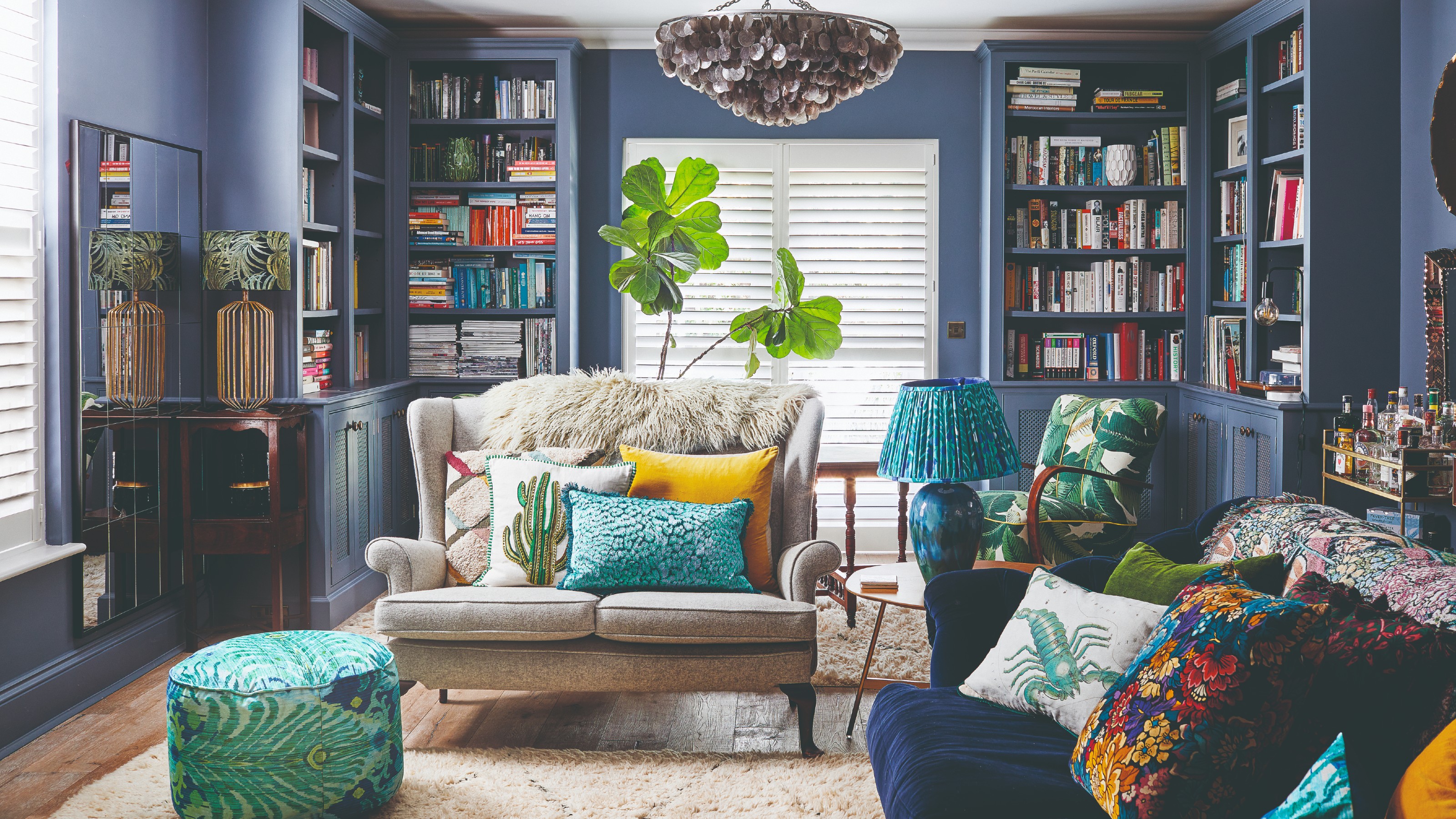
Adding accent pieces to your living room furniture instantly lifts the space and creates a personalized vibe. These small but powerful elements draw the eye and bring warmth and character to your room. Think of them as the details that spark conversations and make your living area truly yours.
Statement Chairs And Ottomans
A bold chair or ottoman can become the centerpiece of your living room. Choose one with vibrant colors, interesting patterns, or unique shapes to grab attention. I once swapped out a plain armchair for a velvet emerald green chair, and it completely changed the room’s energy.
Don’t be afraid to mix styles. Pairing a modern ottoman with a classic sofa can create a fresh, inviting look. Ask yourself: what piece would you love to sink into after a long day?
Decorative Pillows And Throws
These soft accents offer endless opportunities to refresh your space without a major overhaul. Play with textures like chunky knits or smooth silks to add depth. Bright pillows on a neutral couch can brighten your mood instantly.
Try layering different sizes and patterns to avoid a flat look. Have you ever noticed how a simple throw can make a cold room feel cozy? It’s a small touch that pays big dividends in comfort and style.
Unique Coffee And Side Tables
Tables don’t have to be just functional; they can be art pieces too. Look for designs with interesting materials like reclaimed wood, metal frames, or glass tops. A geometric side table can add an unexpected edge to your layout.
Consider tables with storage to keep clutter at bay while maintaining style. What kind of surface would inspire you to sit down and relax with a cup of coffee or a good book?
Lighting To Enhance Decor
Lighting plays a crucial role in shaping the mood and style of your living room. It’s not just about brightening the space but creating layers of light that highlight your furniture and decor. Thoughtful lighting can transform your living room into a cozy retreat or a lively gathering spot, depending on your needs.
Layered Lighting Techniques
Layered lighting means combining different types of light sources for a balanced effect. Start with ambient light to provide overall brightness. Then add task lighting for activities like reading or working, and finish with accent lighting to draw attention to specific decor pieces.
Using a mix of ceiling lights, wall sconces, and lamps helps avoid harsh shadows and creates a warm, inviting atmosphere. Have you noticed how a single overhead light can make a room feel flat? Layering lights gives depth and dimension, making your living room more dynamic.
Using Floor And Table Lamps
Floor and table lamps are versatile tools that add both function and style. Place a floor lamp next to your favorite chair to create a perfect reading nook. Table lamps on side tables or consoles can fill dark corners and add warmth.
Choose lamps with interesting shapes or textures to complement your furniture. Don’t be afraid to experiment with colorful lampshades or bases—they can become subtle decor statements. How can you use lamps to balance the light and decor in your own space?
Highlighting Features With Spotlights
Spotlights focus attention on key features like artwork, architectural details, or a statement piece of furniture. Installing adjustable spotlights allows you to change the focal points whenever you update your decor. This flexibility keeps your living room feeling fresh.
Use warm-colored bulbs in spotlights to create a cozy glow rather than harsh white light. Consider highlighting a unique shelf, an eye-catching rug, or a plant arrangement. What standout items in your living room deserve a little extra spotlight?
Adding Personal Touches
Adding personal touches to your living room furniture creates a space that truly feels like home. It’s about reflecting your personality through the objects and decorations you choose. These elements bring warmth and character, making your living room inviting and unique.
Artwork And Wall Decor
Your walls offer a great canvas to express your style. Choose artwork that speaks to you—whether it’s a bold abstract painting or a series of framed photos from your travels. Mixing different sizes and styles can create an interesting gallery wall that catches the eye.
Think beyond traditional paintings. Consider textiles, mirrors, or even a wall-mounted sculpture. These pieces add texture and depth, enhancing the overall vibe of your living room.
Plants And Greenery
Adding plants instantly livens up your space. They improve air quality and introduce a calming natural element. Try a mix of tall floor plants and small potted succulents on shelves or side tables.
Have you tried hanging plants? They save space and create a cozy, layered look. Remember, each plant needs different care, so pick ones that fit your lifestyle and lighting conditions.
Books And Collectibles
Books aren’t just for reading—they make great decor. Display your favorite titles on coffee tables or open shelves to add color and personality. Grouping books by color or size can create an organized, stylish look.
Don’t hesitate to showcase collectibles or souvenirs. These items tell your story and spark conversations. You might place a vintage camera or unique pottery beside your books to add charm and interest.
Maximizing Small Living Rooms
Maximizing a small living room doesn’t mean you have to sacrifice style or comfort. With the right approach, your compact space can feel open, inviting, and functional. It’s all about smart choices that help you make the most of every inch.
Multi-functional Furniture
Choosing furniture that serves more than one purpose can transform your small living room. Think of a sofa bed that offers seating by day and a guest bed by night. Or an ottoman with hidden storage where you can stash blankets and magazines.
These pieces reduce clutter and free up floor space. Have you tried using nesting tables that tuck away neatly when not in use? They save space and provide extra surfaces exactly when you need them.
Vertical Storage Solutions
When floor space is limited, look up. Vertical storage helps you organize without crowding your living area. Tall bookshelves, wall-mounted shelves, or even hanging baskets can keep your items off the floor and within easy reach.
Installing hooks or pegboards on the walls can hold everything from plants to small accessories. What if you created a gallery wall with shelves? It adds personality and function without sacrificing space.
Light Colors To Open Space
Light colors can make your living room feel larger and more open. Whites, pastels, and soft neutrals reflect more light and create an airy atmosphere. You don’t need to paint every wall white—try lighter-colored furniture or curtains instead.
Adding mirrors also enhances this effect by bouncing light around the room. Have you noticed how a simple change in color can shift your mood and perception of space? It’s a quick and affordable way to refresh your living room.
Frequently Asked Questions
What Are The Best Furniture Styles For Living Room Decor?
The best furniture styles include modern, minimalist, rustic, and mid-century modern. Choose styles that match your room’s theme and personal taste. Mixing styles can add character and create a unique living space. Prioritize comfort and functionality alongside aesthetics.
How To Arrange Living Room Furniture For Better Flow?
Arrange furniture to create clear pathways and open spaces. Place larger pieces against walls and group seating around a focal point like a fireplace or TV. Avoid overcrowding and ensure easy movement. This enhances comfort and visual appeal.
What Furniture Colors Suit Small Living Rooms?
Light and neutral colors like beige, white, and soft gray work best. They make the room feel larger and more airy. Add pops of color with cushions or decor to create interest without overwhelming the space.
How To Choose Multifunctional Living Room Furniture?
Look for pieces with storage, such as ottomans or coffee tables with compartments. Choose sofa beds or nesting tables to save space. Multifunctional furniture maximizes utility without sacrificing style, ideal for small or busy living rooms.
Conclusion
Creating a cozy and stylish living room starts with smart furniture choices. Choose pieces that fit your space and style well. Mix colors and textures to add warmth and interest. Keep your layout open and easy to move around. Small details can make a big difference in the room’s feel.
Enjoy personal touches that show your unique taste. A well-decorated living room invites comfort and relaxation every day. Take time to arrange and refresh your space often. Your living room can become a favorite spot to gather and unwind.