
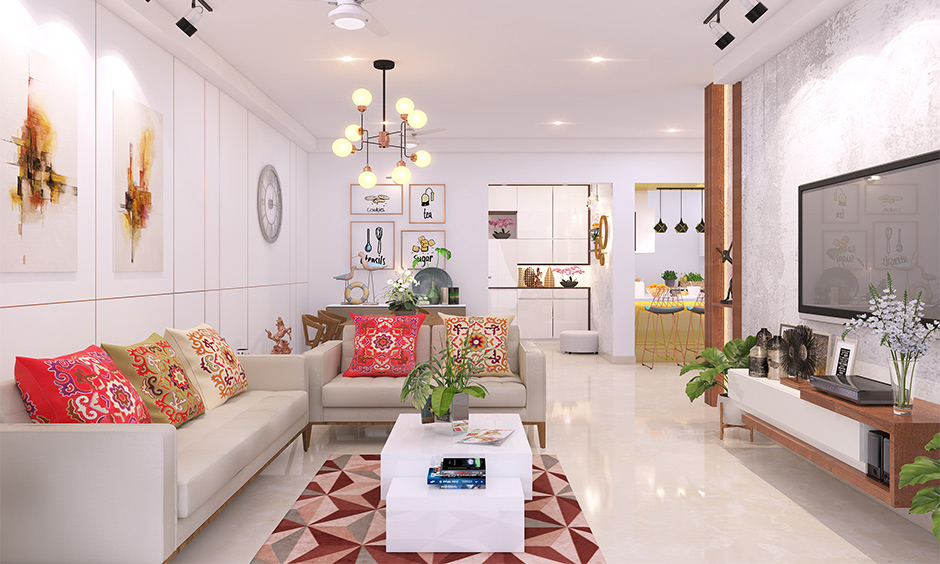
Is your living room long and narrow, making it tricky to arrange furniture just right? You’re not alone, and the good news is that with the right tips, you can turn this challenging space into a cozy and stylish haven.
Imagine walking into your room and feeling instantly comfortable, with every piece of furniture placed perfectly to maximize space and flow. You’ll discover simple and effective ways to arrange your furniture so your long narrow living room feels open, inviting, and functional.
Ready to transform your space? Let’s dive in!
Maximize Space
Maximizing space in a long narrow living room can feel like solving a tricky puzzle. Every piece of furniture and every inch of wall counts. You want your room to feel open and comfortable, not cramped or cluttered.
Choose Slim Furniture
Pick furniture that has a slim profile to keep the room feeling spacious. Narrow sofas, slender armchairs, and thin-legged tables take up less visual space. This lets you fit more seating or storage without overcrowding.
I once swapped out a bulky coffee table for a narrow bench, and it instantly opened up the room. The slim furniture allowed for easier movement and made the space feel twice as large.
Use Multi-functional Pieces
Multi-functional furniture helps you save space by combining two uses in one. Think storage ottomans, sofa beds, or side tables with drawers. These pieces reduce clutter and free up floor space.
Imagine having a coffee table that also stores your magazines and remote controls. It’s practical and keeps your living room tidy without extra furniture crowding the area.
Opt For Floating Shelves
Floating shelves create storage without taking up any floor space. You can use them to display books, plants, or decorative items while keeping surfaces clear. This adds personality without bulk.
Mount shelves above eye level to draw the eye upward and make the room feel taller. It’s a simple way to add storage and style without sacrificing precious square footage.

Create Zones
Creating zones in a long narrow living room helps break up the space and makes it feel more functional and inviting. It allows you to use the room for different activities without it feeling cluttered or awkward. By defining clear areas, you give your living room purpose and balance.
Define Seating Area
Start by positioning your main seating where it naturally fits without blocking walkways. A cozy sofa paired with chairs or a loveseat can create a comfortable spot for conversation or watching TV. Use rugs or lighting to visually mark this area, making it clear where the seating zone begins and ends.
Think about how you use the space—do you entertain often or prefer quiet evenings? Arranging furniture to face each other encourages interaction, while a more linear setup suits solo relaxation. Don’t overcrowd the seating; leaving some breathing room improves flow and comfort.
Add A Reading Nook
Carve out a small corner or stretch along a wall for a reading nook. A comfy armchair, a small side table, and a lamp can turn an overlooked space into your personal retreat. This spot provides a quiet zone, breaking up the room’s length and adding variety.
Ask yourself, where do you naturally want to unwind? Placing the nook near a window offers natural light, making reading more enjoyable. This little area can also double as a place for reflection or phone calls, giving your living room multiple uses.
Incorporate Storage Spaces
Use slim, tall shelves or narrow cabinets to add storage without crowding the room. Storage zones help keep the living room tidy and visually appealing by hiding clutter. Choose furniture with built-in storage, like ottomans or benches, to save space.
Consider what items you need handy but don’t want on display—books, games, or blankets. Position storage near seating or the reading nook for easy access. Would having designated storage areas make your living room feel more organized and relaxing?
Enhance Flow
Enhancing flow in a long narrow living room transforms it from a cramped corridor into a welcoming space. Thoughtful furniture arrangement helps you move freely, making the room feel larger and more comfortable. The key is to create a layout that naturally guides your steps without obstacles or awkward pauses.
Keep Pathways Clear
Clear pathways are essential for smooth movement. Avoid placing bulky furniture in the direct line of travel. Leave at least 2 to 3 feet of walking space so you can navigate easily without bumping into corners.
Try to think about how you use the room daily. Does the current setup force you to zigzag around chairs or tables? Clearing these routes not only improves flow but also reduces stress and frustration.
Align Furniture With Room Shape
Long narrow rooms demand furniture placement that complements their shape. Position sofas and chairs along the longer walls to open up the center. This alignment maximizes usable space and prevents the room from feeling cluttered.
Consider placing a slim console table or narrow shelving against one wall instead of bulky pieces. This helps balance the room and draws the eye along its length, enhancing the sense of openness.
Use Rugs To Guide Movement
Rugs are powerful tools to direct traffic and define areas. Place a long runner rug down the center to create a visual pathway. This encourages movement along the room’s length and keeps your flow intuitive.
Layering rugs can also help separate seating from walking zones without physical barriers. Have you noticed how a well-placed rug can make you naturally step where you want? Experiment with colors and patterns that subtly lead the eye forward.
:max_bytes(150000):strip_icc()/designer-digs-5209106-recirc-890366b347c445a0bdd3d10221f2b1fd.jpg)
Play With Lighting
Lighting can change the feel of a long narrow living room. It shapes space and mood. Bright light opens up the room. Soft light creates a cozy vibe. Use different lighting tricks to balance the narrow space. This helps the room feel wider and inviting.
Layer Different Lights
Use a mix of lights at different heights and brightness. Combine ceiling lights, floor lamps, and table lamps. This adds depth and warmth to the room. Layered lighting helps avoid dark corners. It also highlights furniture and decor.
Add Wall Sconces
Wall sconces save floor space in narrow rooms. They add gentle light along the walls. Place them at eye level for the best effect. Sconces guide the eye along the room’s length. This makes the space feel more balanced and wider.
Use Mirrors To Reflect Light
Mirrors bounce light around the room. Place mirrors opposite windows or lights to increase brightness. Reflective surfaces create an illusion of more space. Use large mirrors or a group of smaller ones. This simple trick makes the living room feel open and airy.
Choose Colors Wisely
Choosing the right colors can transform a long narrow living room from cramped and dark into bright and inviting. Colors affect how you perceive space, so picking wisely will help you maximize your room’s potential. Think about how light and shadows play in your space, and how colors can guide the eye to create balance.
Light Shades To Open Space
Light colors like soft whites, pale grays, and gentle pastels make your room feel more open. They reflect natural light, which can brighten dark corners and make walls seem further apart.
If you’ve ever painted a room white and noticed how it instantly felt larger, you know this works. Try using light shades on walls and larger furniture pieces to expand your space visually.
Accent Walls For Depth
Adding a darker or bolder color on one wall can create depth and break the monotony of a long narrow room. This technique draws attention and can make one end of the room feel like a distinct area.
Think about using a rich navy, deep green, or warm terracotta on the shorter wall to add interest without overwhelming the space. Have you tried this before? You might be surprised how it changes the room’s dynamic.
Consistent Color Palette
Using a consistent color palette throughout the room creates harmony and prevents the space from feeling cluttered or chaotic. Stick to two or three main colors and repeat them in furniture, rugs, and accessories.
For example, if you choose a light gray and soft blue palette, keep these colors in your cushions, curtains, and artwork. This approach ties everything together and makes your long narrow living room feel thoughtfully designed.

Arrange Seating Smartly
Arranging seating in a long, narrow living room requires a thoughtful approach to create comfort and flow. You want your space to feel inviting without cramped or awkward gaps. Smart seating placement can turn this challenging layout into a cozy, functional area where conversation and relaxation happen naturally.
Place Sofas Along Walls
Positioning sofas along the longest walls helps open up the center of the room. This setup avoids blocking pathways and maximizes available floor space. It also creates a clear division between seating and walking areas, making the room feel wider.
Think about the sofa you already own or plan to buy. Is it too bulky? Slimmer profiles work best against walls in narrow rooms. You can even try a sectional sofa hugging the wall to add extra seating without crowding the middle.
Use Chairs To Balance
Adding chairs opposite or adjacent to the sofa balances the seating arrangement and promotes easy conversation. Choose lightweight, movable chairs so you can adjust the layout as needed. This flexibility is key in long rooms where you might want to switch between cozy and open settings.
Don’t hesitate to mix styles—an accent chair or two can add personality while filling empty corners. You might find that a pair of small chairs works better than a bulky armchair for maintaining flow and preventing visual clutter.
Avoid Overcrowding
It’s tempting to fill every inch of a narrow room with furniture, but overcrowding kills comfort. Leave enough space between pieces for easy movement and a sense of openness. A good rule is to keep at least 18 inches between seating and other furniture.
Think about what you actually use daily. Do you need that extra side table or oversized ottoman? Removing just one piece can make your living room feel more spacious and inviting. How often do you find yourself bumping into furniture in your current setup?
Utilize Vertical Space
Utilizing vertical space is essential in a long narrow living room. It helps keep the floor area open and makes the room feel larger. Using the walls and height of the room allows more storage and decor without cluttering the space.
Tall Bookcases
Tall bookcases draw the eye upward and maximize storage. They fit well against narrow walls and hold books, decor, and personal items. Choose open or closed shelves depending on your style and needs. Tall bookcases reduce the need for extra furniture on the floor.
Wall-mounted Storage
Wall-mounted storage keeps things off the floor and saves space. Floating shelves, cabinets, or cubbies can hold essentials and decorations. These options make the room look neat and organized. Position them at different heights for visual interest and easy access.
Hanging Decor Elements
Hanging decor adds personality without taking up space. Use pendant lights, hanging plants, or wall art to decorate vertical space. These elements create layers and depth in the room. Keep hanging items light and simple to avoid overwhelming the space.
Frequently Asked Questions
How To Arrange Furniture In A Long Narrow Living Room?
Place larger pieces against the longest wall to open space. Use rugs to define areas. Avoid clutter and maintain a clear walkway.
What Seating Works Best For Narrow Living Rooms?
Opt for slim-profile sofas or loveseats. Use armless chairs to save space. Sectionals should be compact and placed strategically.
How To Create Balance In A Narrow Living Room?
Distribute furniture evenly along both walls. Use mirrors and lighting to expand the space visually. Add low-profile pieces to avoid crowding.
Which Colors Enhance A Long Narrow Living Room?
Light, neutral colors open up space. Use accent colors sparingly to add depth. Avoid dark shades that make the room feel smaller.
Conclusion
A long narrow living room can feel cozy and stylish. Choose furniture that fits the space without crowding it. Use light colors and keep the layout simple. Place pieces carefully to create good flow and balance. Small touches like rugs and lighting help define areas.
With thoughtful planning, your room will look open and inviting. Try these tips to make the best use of your space. Enjoy your comfortable and well-arranged living room every day.