
Struggling to fit all your furniture into a small living room without making it feel cramped? You’re not alone.
Setting up furniture in a tight space can feel like a puzzle, but with the right tricks, you can create a cozy, stylish room that feels much bigger than it is. Imagine walking into your living room and immediately feeling relaxed, with plenty of room to move and everything you need within reach.
You’ll discover simple, effective tips to arrange your furniture perfectly—making your small living room both functional and inviting. Ready to transform your space? Let’s dive in.
:max_bytes(150000):strip_icc()/SPR-oastal-living-room-7090577-HERO-360272ad6c4641c081fa70446b800e3c.jpg)
Choosing The Right Furniture
Choosing the right furniture is key to making a small living room both stylish and functional. The right pieces can save space and add comfort without clutter. Focus on items that serve more than one purpose or fit well in tight spaces. This approach maximizes every inch and keeps the room open and inviting.
Multi-functional Pieces
Furniture that does more than one job is perfect for small rooms. A sofa bed offers seating and a sleeping area. Ottomans with storage hide blankets or magazines. Coffee tables with shelves keep items organized. These pieces reduce the need for extra furniture, freeing up space.
Compact Sofas And Chairs
Choose sofas and chairs that are smaller but still comfortable. Slim arms and low backs take up less room visually. Armless chairs fit easily into corners or beside tables. Look for furniture with legs that lift it off the floor. This creates a sense of openness and light.
Foldable And Stackable Options
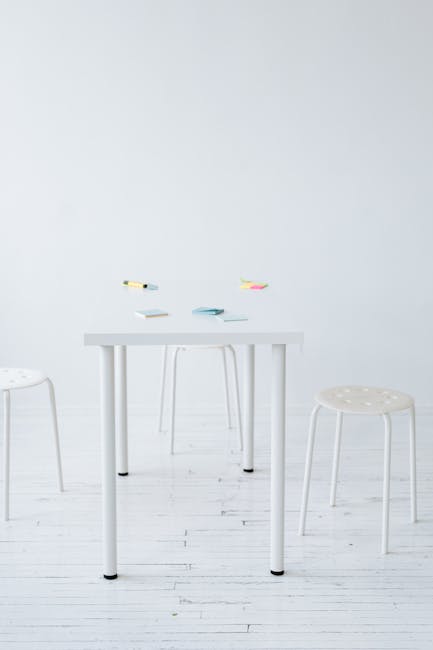
Foldable chairs and tables can be tucked away when not in use. Stackable stools or chairs save floor space and are easy to move. These options add flexibility for guests or extra seating. They keep the room neat and adaptable for different needs.
Optimizing Layout
Optimizing the layout of your small living room can make a huge difference in how spacious and inviting it feels. It’s not just about fitting furniture; it’s about arranging pieces so the room flows naturally and feels comfortable. Thoughtful placement helps you get the most from every inch without sacrificing style or function.
Creating Clear Pathways
Clear pathways are essential in small spaces. They allow easy movement and prevent the room from feeling cramped.
Try to leave at least 2 to 3 feet of walking space between furniture pieces. This simple rule keeps your living room open and accessible.
Think about how you move through the room daily. Place furniture so it doesn’t block natural walking routes, like between the door and seating area.
Using Corners Effectively
Corners often get ignored or overcrowded, but they can be a smart spot for furniture.
Placing an armchair or a small desk in a corner can create a cozy nook without eating up central space.
Corner shelves or cabinets also help maximize storage and display without intruding on your main area.
Floating Furniture Arrangements
Floating furniture means placing pieces away from walls. It might seem risky in a small room, but it can actually improve flow.
Try pulling your sofa or chairs slightly into the room to create conversation zones or define areas.
This setup invites movement around the furniture and prevents the room from feeling too boxy or confined.
Storage Solutions
Storage solutions can transform a small living room from cluttered chaos into a calming retreat. The key is to use every inch wisely without overwhelming the space. Clever storage options help you keep essentials handy while maintaining a clean, open feel.
Built-in Shelves And Cabinets
Built-in shelves and cabinets make use of wall space that often goes unused. They provide room for books, decor, and everyday items without eating up floor space. You can customize these to fit your room’s style and maximize storage in tight corners.
I once added built-ins around my TV area, and suddenly, my living room felt more organized and spacious. Do you have awkward wall spaces that could hide storage? Think about adding closed cabinets below and open shelves above for a balanced look.
Under-sofa Storage
Don’t overlook the space under your sofa—it’s a hidden treasure for storage. Slim bins or rolling drawers fit perfectly under most couches, perfect for stashing blankets, magazines, or kids’ toys. This keeps your room tidy without extra furniture.
If you’ve ever struggled with where to put seasonal items, this solution might surprise you with its simplicity. Could your sofa’s base be working harder for you? Try clear containers so you can easily see what’s inside without pulling everything out.
Vertical Storage Ideas
Vertical storage helps you stretch your space upward instead of outward. Tall bookcases, hanging racks, and wall-mounted hooks free up floor area and give your room an organized, airy vibe. You can also use pegboards for flexible storage of small items.
Have you tried stacking storage before? It can make your living room feel larger by drawing the eye up. Consider mixing open and closed vertical storage to keep things accessible yet neat.
Enhancing Light And Space
Enhancing light and space in a small living room creates a bright, open feel. It helps the room look bigger and more inviting. Simple changes can improve how light moves and how spacious the room feels.
Choosing Light Colors
Light colors reflect more light and make walls appear farther away. White, cream, soft pastels, and light grays work well. Use these shades on walls, furniture, and decor. Avoid dark colors that absorb light and shrink the space.
Using Mirrors
Mirrors bounce light around the room and add depth. Place a large mirror opposite a window to reflect natural light. Smaller mirrors can also brighten corners or dark areas. Choose simple frames to keep the look clean and open.
Natural Light Maximization
Keep windows clear of heavy curtains or dark blinds. Use sheer or light fabric to let sunlight in. Arrange furniture away from windows to avoid blocking light paths. Clean windows regularly to let in the most light.
Decor Tips For Small Spaces
Decorating a small living room needs smart choices to create a cozy and stylish space. Every item should serve a purpose and add charm without clutter. Simple tricks can make the room feel larger and more inviting.
Focus on balancing function and beauty. Use colors, textures, and patterns to add interest without overwhelming the space. Choose decor that enhances light and openness.
Minimalist Accessories
Keep accessories simple and few. Use clean lines and neutral colors. Small plants, sleek vases, or a single piece of art work well. Avoid crowded surfaces to keep the room airy.
Layering Textures
Mix different textures to add depth and warmth. Combine soft fabrics like cushions or throws with smooth surfaces like glass or metal. This creates a cozy feel without taking extra space.
Smart Use Of Rugs
Rugs define areas and add comfort. Choose light colors to open the room. Size matters—use a rug that fits the furniture layout. Avoid small, scattered rugs that break the space.


Frequently Asked Questions
How To Maximize Space In A Small Living Room?
Use multi-functional furniture to save space. Choose pieces with storage options. Keep furniture close to walls. Use vertical space with shelves. Avoid overcrowding by selecting essential items only.
What Furniture Is Best For Small Living Rooms?
Opt for compact, lightweight furniture. Choose sofas with slim arms and legs. Use nesting tables or foldable chairs. Select pieces with hidden storage. Prioritize items that serve multiple purposes.
How To Arrange Furniture In A Small Living Room?
Create clear pathways to avoid clutter. Place larger pieces against walls. Group furniture for conversation areas. Use rugs to define spaces. Keep the layout open and flexible.
Can Mirrors Help In Small Living Room Setup?
Yes, mirrors reflect light and create an illusion of space. Place them opposite windows for more natural light. Use large or multiple mirrors to enhance depth visually.
Conclusion
Small living rooms can feel cozy and inviting with smart furniture choices. Choose pieces that fit well without crowding the space. Use multifunctional furniture to save room and add style. Keep walkways clear to make the area easy to move around.
Light colors and mirrors help the room look bigger and brighter. Take your time arranging furniture until it feels just right. A well-set small living room can be both practical and beautiful. Enjoy creating a space that feels comfortable every day.