
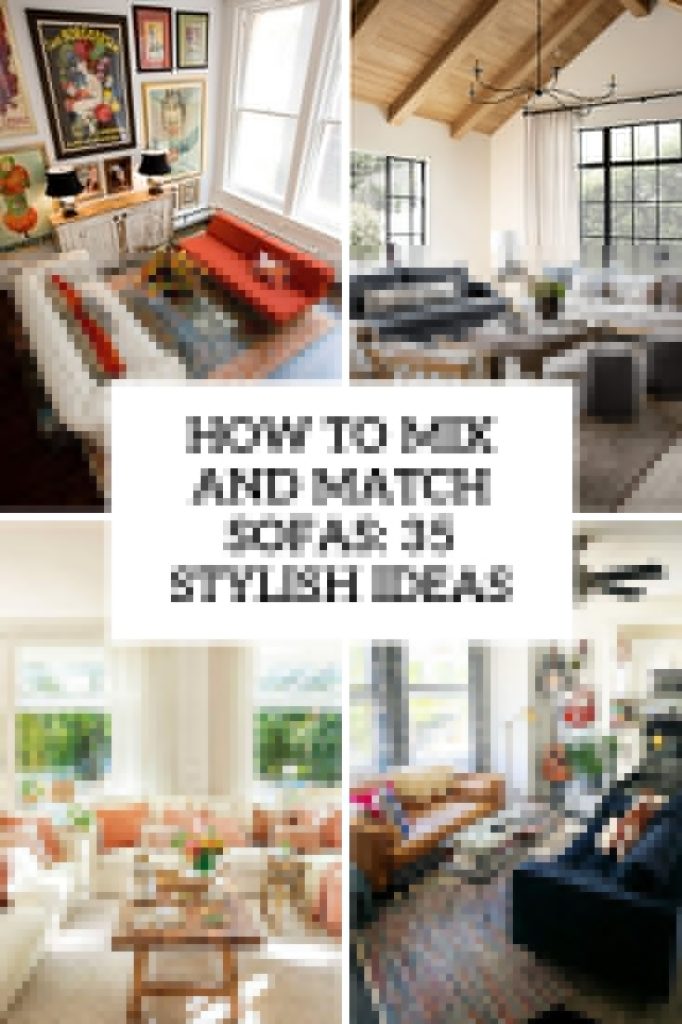
Are you ready to give your living room a fresh, unique look without spending a fortune? Mixing and matching furniture is the secret to creating a space that truly reflects your style and personality.
Imagine combining different colors, textures, and styles to make your room feel inviting and full of life. You’ll discover easy and creative ideas to mix and match your living room furniture like a pro. Get ready to transform your space into a cozy, stylish haven that feels just right for you.
Keep reading to unlock the secrets to a living room that’s both beautiful and uniquely yours!
Choosing A Color Palette
Choosing the right color palette is key to mixing and matching living room furniture. Colors set the mood and create harmony in the space. A well-chosen palette helps different pieces fit together, even if they are not the same style. It makes the room feel balanced and inviting.
Start with a base of neutral colors. These give you flexibility to add bolder shades without overwhelming the room. Think soft grays, warm beiges, or creamy whites. These tones act as a calm backdrop that ties everything together.
Balancing Bold And Neutral Tones
Bold colors bring life and personality to the living room. Use them on key pieces like a sofa or armchair. Balance these with neutral tones on walls, rugs, or side tables. This contrast creates a pleasing look that is not too busy or dull.
Too many bold colors can make the room feel crowded. Too many neutrals may feel bland. Mix both in the right amounts. Let one color group dominate while the other supports it. This approach keeps the space fresh and stylish.
Using Accent Colors Strategically
Accent colors add interest and highlight certain areas. Use them in cushions, throws, or lamps. Small touches of bright colors can tie the whole room together.
- Pick 1 or 2 accent colors for consistency.
- Match accents with patterns on furniture or curtains.
- Change accents easily to refresh the room’s look.
Accent colors help mix different furniture styles without clashing. They guide the eye and create a unified feel. Choose accents that complement the main palette for a balanced design.

Combining Different Styles
Combining different styles in your living room can create a space that feels truly unique and personal. Blending various design elements allows you to express your taste beyond the limits of a single style. The key is to find harmony in contrast, so your room looks thoughtfully curated rather than chaotic.
Modern Meets Vintage
Mixing modern and vintage furniture can bring a fresh yet timeless vibe to your living room. Imagine pairing a sleek, minimalist sofa with a vintage wooden coffee table. This contrast highlights the best of both worlds—clean lines meet rich history.
Try using modern lighting fixtures to brighten up antique pieces. This combination keeps the room feeling current without losing its character. Have you ever noticed how a modern art print can instantly update a classic armchair?
Balancing colors helps too. A neutral modern palette with pops of vintage patterns creates visual interest without overwhelming the space. Don’t be afraid to mix textures—smooth metals with worn leather or soft fabrics give your room depth.
Rustic And Contemporary Fusion
Rustic furniture often brings warmth and earthiness, while contemporary pieces add polish and simplicity. When combined, they can make your living room inviting yet stylish. Think of a reclaimed wood coffee table set against a clean-lined sectional sofa.
One trick is to keep the rustic elements natural and unrefined, such as exposed wood grains or stone accents. Then, balance these with sleek surfaces and minimal decor from the contemporary side. This creates a dynamic space that’s both cozy and modern.
What if you introduce metallic accents like a brushed steel lamp or chrome legs on rustic chairs? These small touches can tie the two styles together, making your living room feel intentional and well-thought-out.
Mixing Materials And Textures
Mixing materials and textures in your living room furniture can transform the space into something truly unique. It’s about balancing different elements so they complement each other without clashing. When you combine various materials thoughtfully, you add depth and personality to your room.
Wood, Metal, And Glass Elements
Wood brings warmth and natural beauty to your living room. Pairing a wooden coffee table with metal legs adds an industrial edge without losing coziness. Glass surfaces, like a sleek side table, reflect light and open up the space.
Think about combining a reclaimed wood shelf with matte black metal brackets. This contrast draws the eye and creates interest. Would you expect a glass-topped table to work well with rustic wood? It does, if you keep the glass simple and clear.
- Wood adds texture and warmth.
- Metal introduces strength and modernity.
- Glass reflects light and balances heavier materials.
Incorporating Soft Fabrics And Leather
Soft fabrics soften the harder surfaces in your room. Velvet cushions or a plush throw can make a metal chair feel inviting rather than cold. Leather adds sophistication and ages beautifully with time.
If you have a leather sofa, try adding linen or cotton pillows for a lighter feel. The mix of smooth leather and textured fabric keeps your seating area dynamic and comfortable. Have you considered how different textures under your fingertips can change your mood in a room?
- Use soft fabrics for comfort and color.
- Leather adds durability and style.
- Mix textures to create layers and interest.

Arranging Furniture Creatively
Arranging furniture creatively in your living room can transform the entire space, making it both functional and inviting. It’s not just about placing pieces where they fit but about designing a flow that feels natural and encourages interaction. How can you balance style with practicality while mixing and matching different furniture elements?
Creating Cozy Conversation Areas
Focus on grouping seating options like sofas, armchairs, and ottomans close enough to encourage easy chatting. Avoid lining furniture strictly against the walls; instead, pull pieces inward to form a more intimate space.
Use a rug to anchor the area and create a visual boundary that defines the conversation zone. Adding a small coffee table or side tables within arm’s reach helps keep drinks and books handy, boosting comfort and convenience.
Think about lighting too. A floor lamp or a cluster of table lamps can add warmth and make the space inviting during evening chats. Have you noticed how a well-lit nook makes people linger longer?
Maximizing Space With Versatile Pieces
Choose furniture that can serve multiple purposes, such as ottomans with storage or nesting tables that tuck away when not needed. These pieces help keep your living room clutter-free while adapting to different needs.
Consider lightweight chairs or stools that are easy to move around. They let you adjust seating arrangements on the fly whether you’re hosting a movie night or just relaxing alone.
Look for modular sofas or sectionals that allow you to change configurations based on the occasion. Have you tried rearranging your sofa to open up space or create a new focal point? It might surprise you how much it changes the room’s vibe.
Adding Statement Pieces
Adding statement pieces to your living room instantly draws attention and sets the tone for the entire space. These bold elements break the monotony and bring personality to your décor. They don’t just fill space—they create focal points that invite conversation and admiration.
Choosing Eye-catching Chairs And Sofas
Think beyond the usual neutral sofa. A brightly colored velvet armchair or a patterned loveseat can become the star of your living room. When I added a mustard yellow chair to my mostly gray space, it transformed the room’s vibe without overwhelming it.
Look for unique shapes or unexpected textures. A rounded sofa, a tufted ottoman, or a leather chair with nailhead trim can add charm and character. You don’t have to match everything perfectly; mixing styles keeps the room lively and personal.
- Try bold colors like emerald green, burnt orange, or deep blue.
- Mix materials—pair leather with fabric or wood with metal.
- Don’t shy away from vintage or secondhand pieces—they often have the most personality.
Using Unique Coffee Tables And Shelving
A coffee table is more than a place to set your cup of coffee—it can be a sculptural piece that anchors your seating area. Look for tables with interesting bases, such as geometric metal frames or reclaimed wood slabs. I once swapped out a plain table for one made of stacked crates, and it immediately sparked compliments.
Shelving can also serve as a statement. Open shelves with an asymmetrical design or unexpected colors create visual interest and show off your collectibles. Floating shelves in different sizes allow you to play with balance and negative space.
- Consider combining materials like glass and wood for contrast.
- Use shelves to display art, plants, or meaningful objects.
- Don’t hesitate to repaint or refinish older furniture to fit your style.
Which statement piece will you choose to start your mix and match journey? Your living room is waiting for that one item that speaks to you and makes the space truly yours.
Accessorizing For Cohesion
Accessorizing plays a crucial role in bringing together different pieces of furniture to create a unified look in your living room. Without the right accessories, even the most carefully chosen mix and match furniture can feel disconnected. The key is to use accents that tie colors, textures, and styles together, making your space feel intentional and inviting.
Layering Rugs And Cushions
Layering rugs can add depth and warmth to your living room while linking various furniture styles. Try placing a large neutral rug underneath a smaller, patterned one to create a dynamic base for your seating area.
Cushions offer an easy way to repeat colors and textures from other pieces in the room. Mix solid colors with prints that echo your furniture’s tones—this can create a rhythm that pulls everything together.
Have you ever noticed how a few well-chosen cushions can instantly make a sofa feel more inviting? This simple touch can also balance out contrasts between different furniture styles.
Incorporating Art And Lighting
Art can serve as a focal point that connects various elements in your living room. Select pieces that share a color palette or theme with your furniture to create visual harmony.
Lighting sets the mood and highlights your furniture’s best features. Use a combination of floor lamps, table lamps, and wall sconces to create layers of light that enhance the room’s atmosphere.
Think about how the right lighting can transform a space. Soft, warm lights can make a mix of styles feel cozy, while brighter, cooler lights might emphasize modern pieces. What kind of mood do you want your living room to evoke?
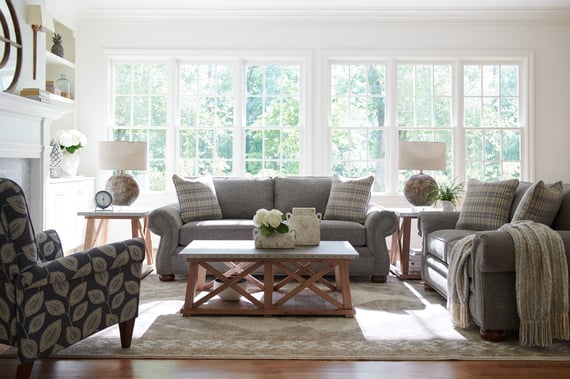
Frequently Asked Questions
How To Choose Colors For Mix And Match Furniture?
Select colors that complement each other well. Use a color wheel to find harmonious shades. Balance bold and neutral tones for a cohesive look. This approach creates visual interest without overwhelming the space.
What Styles Work Best For Mixing Living Room Furniture?
Combine modern, vintage, and rustic styles carefully. Focus on common elements like color or texture to unify. Mixing styles adds personality and charm. Avoid clashing patterns or overly similar pieces to keep balance.
How To Arrange Mismatched Furniture In A Small Living Room?
Place larger pieces against walls to open space. Use rugs and lighting to define zones. Keep pathways clear for easy movement. Group furniture to encourage conversation and functionality in tight spaces.
Can Mix And Match Furniture Improve Living Room Aesthetics?
Yes, mixing furniture adds depth and character. It creates a unique, personalized space. Thoughtful combinations highlight your style and creativity. Proper coordination prevents a chaotic or cluttered look.
Conclusion
Mixing and matching living room furniture brings style and comfort together. You can create a space that feels both unique and welcoming. Use different colors, shapes, and textures to add interest. Small changes can make a big impact. Don’t be afraid to try new combinations.
Your living room should reflect your personality and needs. Enjoy the process and have fun designing your perfect space. This approach makes decorating easy and exciting for everyone.