

Are you wondering how much it might cost to give your home a fresh coat of paint? You’re not alone.
Many homeowners like you are eager to transform their living spaces but aren’t sure about the expenses involved. Maybe you’ve noticed the paint starting to peel, or perhaps you just crave a change in atmosphere. The decision to paint your home is exciting, but the potential costs can be daunting.
However, understanding these costs can be empowering. Imagine walking into a room and feeling that sense of satisfaction knowing it reflects your style perfectly. We’ll break down the costs, provide you with insights, and help you make an informed decision that aligns with your budget. Stay with us, and you’ll soon be on your way to achieving that perfect look without any financial surprises.
Factors Influencing Painting Costs
Painting a home involves various costs that can vary significantly. Several factors influence these expenses, and understanding them helps homeowners plan better. Each component plays a role in the overall cost, from the size of the home to the type of paint and more.
Size Of The Home
The size of the home is a major factor in determining painting costs. Larger homes require more paint and labor, increasing expenses. Calculating the square footage can give a clearer idea of the budget needed. A smaller house might be more economical to paint.
Type Of Paint
The choice of paint impacts the total cost significantly. High-quality paints last longer but are pricier. Some paints offer special features, like weather resistance, influencing their price. Homeowners must decide between quality and budget.
Labor Costs
Labor costs vary based on the expertise and speed of the painters. Hiring skilled professionals ensures a great finish but might increase expenses. Some painters charge hourly, while others offer a flat rate. Comparing rates helps find the best deal.
Surface Preparation
Preparing surfaces before painting is crucial. This includes cleaning, sanding, or repairing walls. Proper preparation prevents future issues, but it adds to the cost. Neglecting preparation can lead to poor results and extra expenses later.
Geographic Location
Location affects painting costs due to regional price differences. Urban areas might have higher labor rates than rural ones. Availability of materials also varies, influencing overall expenses. Knowing local rates helps in creating an accurate budget.

Credit: icanpaintthat.com
Interior Vs. Exterior Painting
Interior painting costs can vary widely based on room size, paint type, and labor. Exterior painting might be more expensive due to factors like surface preparation and weather conditions. Understanding these differences helps estimate the total cost for painting a home.
Interior painting differs greatly from exterior painting. Both tasks require unique skills and considerations. The choice between painting inside or outside impacts cost, materials, and timing. Understanding these differences helps in budgeting and planning.Cost Differences
Interior painting usually costs less than exterior painting. Indoor spaces require less paint due to their smaller size. Labor costs for interior work are often lower. The controlled environment speeds up the process. Exterior painting involves larger surfaces. Preparation work can be extensive. Weather conditions may also prolong the job, increasing labor costs.Material Requirements
Interior paints differ from exterior paints. Indoor paints focus on aesthetics and easy cleaning. They usually have lower levels of volatile organic compounds (VOCs). Exterior paints need to withstand harsh weather. They are more durable and resistant to fading. Choosing the right paint type is crucial for longevity and appearance.Weather Considerations
Weather plays a crucial role in exterior painting. Paint requires dry conditions for proper adhesion. Rain or high humidity can ruin the finish. Cold temperatures can prevent paint from curing correctly. Interior painting is not subject to weather. It can be done year-round, offering more flexibility.Diy Vs. Professional Painting
Choosing between DIY and professional painting can be confusing. Each option has its own benefits and challenges. Understanding these can help make a better decision for your home.
Cost Comparison
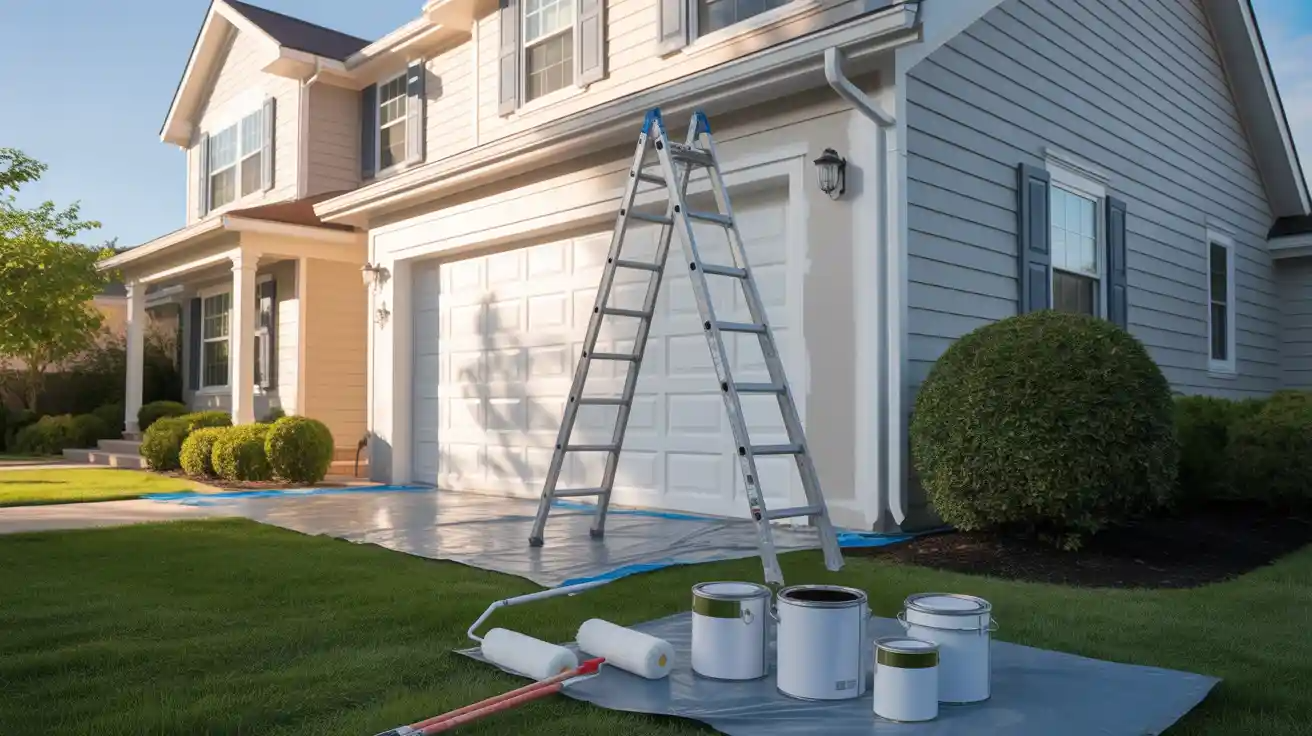
DIY painting usually costs less in materials. Brushes, rollers, and paint are the main expenses. You might also need tape and protective covers. Professional painters charge for labor and materials. Their fees can vary based on the project’s size and complexity. Hiring a professional can save on mistakes and rework costs.
Skill Requirements
DIY painting requires some skills. Proper techniques ensure an even coat and clean edges. Mistakes can lead to uneven surfaces or paint drips. Professionals have the experience and tools. They know how to handle different surfaces and paint types. Their expertise can result in a smoother finish.
Time Commitment
DIY painting often takes more time. You may need to prep, paint, and clean up. It can take days or even weeks, depending on your pace. Professionals work faster. A team can finish most projects in a few days. This saves time, especially for larger homes.
Credit: ahouseinthehills.com
Estimating Total Costs
Estimating total costs for painting a home involves considering materials, labor, and the size of the area. Calculate the square footage to determine how much paint you’ll need. Don’t forget to factor in additional expenses like primer and tools.
Estimating the total cost to paint a home involves several factors. Understanding these can help in planning a budget. This includes calculating paint quantities, purchasing additional supplies, and setting a realistic budget. Each element is crucial for a successful painting project. Let’s explore these aspects in detail.Calculating Paint Quantities
Determining the amount of paint needed is the first step. Measure the area you wish to paint. Calculate the square footage of walls and ceilings. Use this measurement to estimate the number of paint cans required. Consider the type of paint and its coverage. Some paints cover more area, reducing the total cans needed. Always add a little extra for touch-ups or mistakes.Additional Supplies
Paint isn’t the only thing you need. Brushes, rollers, and trays are essential. You might also need painter’s tape and drop cloths. Sandpaper and primer could be necessary for certain surfaces. Consider the quality of these supplies. Cheap materials might lead to a poor finish or extra work.Budget Planning
Create a detailed budget to avoid overspending. List all potential expenses, including paint and supplies. Factor in labor costs if hiring professionals. Compare prices from different suppliers. Look for discounts or deals on bulk purchases. Set aside a contingency fund for unexpected costs. This ensures you stay within budget while achieving desired results.Ways To Save Money
Painting your home can be a significant investment, but there are smart strategies to help you save money without compromising on quality. By choosing the right time, buying in bulk, and reusing materials, you can keep your costs down and still achieve the beautiful home transformation you desire.
Off-season Painting
Timing is everything when it comes to saving on painting costs. Consider scheduling your painting project during the off-season, typically in late fall or early winter. During these months, painters often have more availability and may offer lower rates to attract business. I once managed to cut costs by nearly 20% simply by painting my home in November. If you’re flexible with your timing, it could lead to substantial savings.
Bulk Buying Discounts
Purchasing paint and supplies in bulk can lead to significant discounts. Many stores offer deals for buying larger quantities, which can be particularly useful if you’re painting multiple rooms or the entire exterior. Compare prices between local stores and online retailers to find the best offers. You might be surprised at how much you can save just by asking about bulk discounts.
Reusing Materials
Before you rush to buy new supplies, take inventory of what you already have. Brushes, rollers, and trays can often be reused if they are properly cleaned and maintained. This not only saves money but also reduces waste. I once reused rollers from a previous project, which helped me cut down on costs and felt like I was doing my bit for the environment. Could reusing be the hidden gem in your painting budget?
Common Mistakes To Avoid
Estimating paint costs can be tricky. People often forget to factor in wall size and paint quality. Buying too little paint might lead to mismatched batches.
Painting your home can be an exciting and rewarding project, but it’s easy to fall into common pitfalls that can cost you time and money. Whether you’re taking on the job yourself or hiring a professional, being aware of these missteps can help ensure a smooth and successful outcome. From misjudging how long it will take to forgetting crucial preparation steps, these are mistakes you want to sidestep.Underestimating Time
One of the biggest mistakes people make is underestimating how long painting a home will take. It’s not just about the painting itself; you need to factor in time for preparation, drying, and any unforeseen delays. Have you ever started a project on a sunny weekend, only to find yourself rushing to finish as the sun sets? Plan your time realistically. Consider setting aside extra days to handle any surprises.Ignoring Surface Preparation
Skipping surface preparation is like trying to build a house on sand. Proper prep can make or break your painting project. This step includes cleaning, sanding, and priming surfaces to ensure the paint adheres well and looks great. Have you ever noticed peeling or bubbling paint? It’s often due to poor preparation. Invest the time upfront to avoid headaches later.Choosing The Wrong Paint
Selecting the wrong paint type or color can lead to a disappointing finish. It’s crucial to choose paint that suits the room’s purpose and the surfaces you’re covering. Imagine spending hours painting, only to realize the paint isn’t durable enough for a high-traffic area. Consult with experts at your local paint store and test samples before committing to a decision. What seems like a small detail can have a big impact on the final result. Avoiding these common mistakes can save you both time and frustration, leading to a beautifully painted home that you can be proud of.Understanding Paint Quality
When considering the cost of painting your home, understanding paint quality is crucial. The quality of paint you choose not only affects the aesthetics but also influences durability and maintenance. It’s easy to get overwhelmed with choices, but focusing on key aspects can simplify the decision-making process.
Durability
Durability is a top concern when choosing paint. High-quality paints offer longer-lasting protection against weather and wear. Imagine a fresh coat that remains vibrant despite harsh sun or heavy rains. Cheap paint might save money upfront but can lead to frequent repaints. Consider investing in durable options to save time and money in the long run.
Finish Options
Different finishes can dramatically change the look and feel of your space. From matte to gloss, each finish serves a purpose. Glossy finishes are easier to clean, perfect for high-traffic areas. Matte finishes hide imperfections but might be harder to maintain. What’s your priority—ease of cleaning or aesthetic appeal? Think about where you’ll use each finish for the best results.
Eco-friendly Choices
If sustainability is important to you, eco-friendly paints are worth exploring. They contain fewer volatile organic compounds (VOCs), making them safer for your family and the environment. Some brands offer biodegradable options that don’t compromise on quality. Wouldn’t it be great to paint your home while reducing your carbon footprint? Eco-friendly paints can be a wise choice for health-conscious homeowners.
Choosing The Right Contractor
Choosing a contractor for painting your home involves considering costs, quality, and experience. Get quotes from multiple contractors to compare prices and services. Ensure the contractor is licensed, insured, and has good reviews.
Choosing the right contractor for painting your home can seem overwhelming, but it’s a crucial step that can determine the quality and longevity of the paint job. With so many options available, how do you ensure you’re making the best choice? The answer lies in thorough research and careful evaluation of your options.Checking Credentials
Before you make a decision, ensure the contractor is licensed and insured. A licensed contractor indicates professionalism and adherence to industry standards. Insurance protects you from any liability if accidents occur during the job. Verify these credentials by asking for documentation. It’s also wise to check with local authorities or online databases to confirm the legitimacy of their license. You wouldn’t want to trust your home to just anyone, right?Reading Reviews
Online reviews can be a goldmine of information. They provide real insights into the experiences of past clients. Look for patterns in the feedback rather than focusing on isolated comments. Positive reviews often mention quality work and professionalism, while negative ones might highlight recurring issues. Consider reaching out to reviewers to ask specific questions about their experiences. This can offer clarity that generic reviews cannot.Comparing Quotes
Gather quotes from multiple contractors to understand the market rate for your project. But remember, the cheapest option isn’t always the best. Sometimes, you get what you pay for. When comparing quotes, pay attention to what’s included. Does it cover materials, labor, and any necessary repairs? A detailed quote can prevent unexpected costs later on. Ask yourself, which quote offers the best value for your budget and needs? Making an informed decision requires more than just going with your gut. With the right approach, you can find a contractor who will deliver the quality you deserve.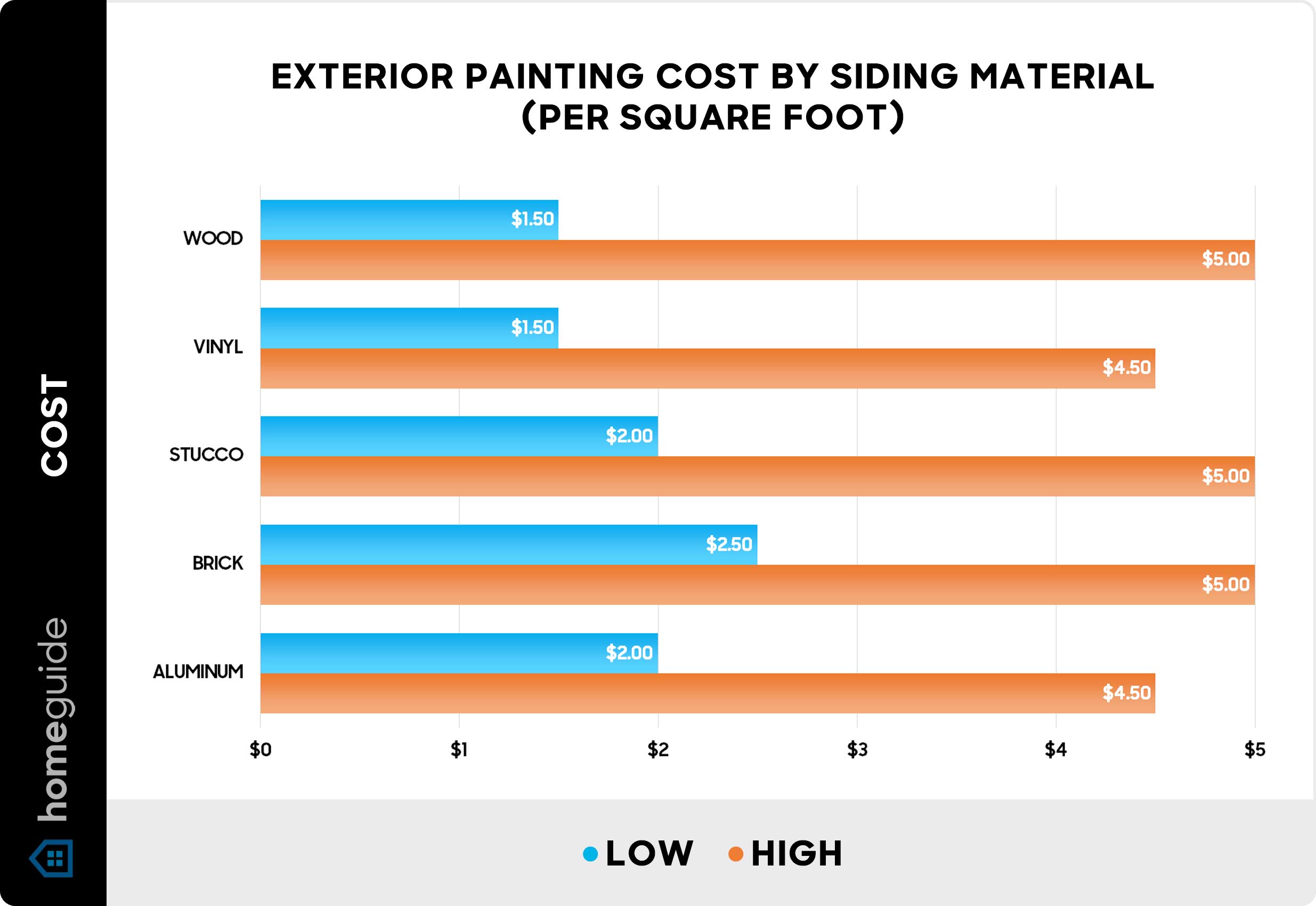
Credit: homeguide.com
Frequently Asked Questions
How Much Should It Cost To Paint The Inside Of A 2000 Sq Ft House?
Painting a 2000 sq ft house interior typically costs between $2,000 and $7,000. Prices vary based on location, paint quality, and labor. Always get multiple quotes for accurate pricing.
What Do Painters Charge In Ohio?
Painters in Ohio typically charge $25 to $50 per hour. Costs may vary based on experience and project complexity. For larger projects, pricing might be calculated per square foot, ranging from $2 to $6. Always request detailed quotes and compare before hiring.
How Much Do Painters Charge In Minnesota?
Painters in Minnesota typically charge $20 to $50 per hour. Costs vary based on project size, complexity, and materials. Some may offer flat rates for specific jobs. Always get multiple quotes for the best deal.
How Much Do Painters Charge In Pa?
Painters in Pennsylvania typically charge $20 to $50 per hour. Costs may vary based on project size, materials, and location. For precise estimates, consider requesting quotes from local professionals. Always ensure they include labor and materials in their pricing.
Conclusion
Painting a home involves planning and budgeting carefully. Costs depend on various factors. Size, paint type, and labor all influence the price. It’s essential to compare quotes from different painters. Quality paint might cost more but lasts longer. Consider the long-term benefits.
A fresh coat of paint boosts home’s appearance. It also adds value to the property. A well-painted home feels inviting and comfortable. Be sure to prioritize both quality and cost. Making smart choices ensures satisfaction and value. Your home deserves the best care possible.
Happy painting!