
Choosing the right furniture for your living room can feel overwhelming. You want a space that’s comfortable, stylish, and fits your daily life perfectly.
But where do you start? How do you pick pieces that match your taste and make the room inviting? This guide will help you make smart choices that turn your living room into a place you love. Keep reading, and you’ll discover simple tips to find furniture that suits your style and needs effortlessly.

Assess Your Space
Assessing your living room space is crucial before choosing furniture. It helps you pick pieces that fit well and make the room comfortable. Understanding the room’s size and features guides your furniture choices. Start by measuring and observing the space closely.
Measure Room Dimensions
Use a tape measure to get the length and width of the room. Write down the measurements for walls, windows, and doorways. Include ceiling height to consider tall furniture. This ensures the furniture fits without overcrowding the room.
Identify Traffic Flow
Look at how people move through the living room. Mark paths to avoid blocking with furniture. Leave at least 2 to 3 feet for walking space. Clear traffic flow makes the room feel open and easy to use.
Consider Natural Lighting
Note where sunlight enters the room during the day. Place seating near windows to enjoy daylight. Avoid blocking natural light with large furniture. Good lighting brightens the room and highlights your furniture.
Choose A Style
Choosing a style for your living room furniture sets the tone for the entire space. It’s more than picking pieces you like; it’s about creating harmony between your furniture and the room’s atmosphere. The right style reflects your personality and makes your living room a place where you genuinely want to spend time.
Match Existing Decor
Look around your living room and notice the colors, patterns, and materials already present. Your furniture should complement these elements rather than clash with them. If you have warm wood floors and neutral walls, a sleek modern sofa in muted tones might disrupt the flow.
Think about the room’s architectural features too. For instance, if your space has classic crown molding, traditional or transitional furniture styles will blend better than ultra-modern ones. Matching your furniture to the existing decor keeps the room feeling intentional and well-planned.
Explore Popular Themes
Popular living room styles include mid-century modern, farmhouse, industrial, and Scandinavian. Each theme has distinct characteristics that can help you narrow down your choices. Mid-century modern often features clean lines and tapered legs, while farmhouse style leans on rustic textures and cozy fabrics.
Ask yourself what kind of vibe you want. Do you prefer a laid-back, cozy atmosphere or a sleek, minimalist look? You can mix elements from different themes, but it’s important to keep a unifying thread, like color or texture, to avoid a chaotic feel.
Balance Comfort And Aesthetics
Style isn’t just about looks. It’s also about how the furniture feels when you use it. Imagine guests sinking into a gorgeous but stiff chair—comfort should never be sacrificed for style alone.
Look for furniture that invites you to relax but still fits your chosen style. Soft cushions, supportive backs, and the right size for your space all contribute to comfort. You want your living room to look good and feel like a place you want to return to every day.
Select Key Pieces
Selecting key pieces for your living room sets the foundation of the space. These pieces define style, comfort, and function. Focus on furniture that fits your room’s size and your lifestyle. Choose items that balance aesthetics with practicality. This approach creates a welcoming and organized living area.
Sofa And Seating Options
The sofa is the heart of the living room. Pick one that feels comfortable and suits your room size. Consider fabric types for easy cleaning and durability. Add extra seating with chairs or ottomans to accommodate guests. Arrange seating to encourage conversation and flow.
Coffee And Side Tables
Coffee and side tables add convenience and style. Choose tables that match your sofa’s height for ease of use. Look for materials that complement your room’s color and texture. Tables with storage or shelves provide extra space for items. Keep enough surface area for drinks, books, and decor.
Storage Solutions
Storage keeps your living room neat and clutter-free. Select furniture with built-in storage like cabinets or shelves. Use baskets or boxes to organize smaller items. Choose pieces that blend with your decor style for a cohesive look. Good storage solutions save space and improve room flow.
Pick The Right Materials
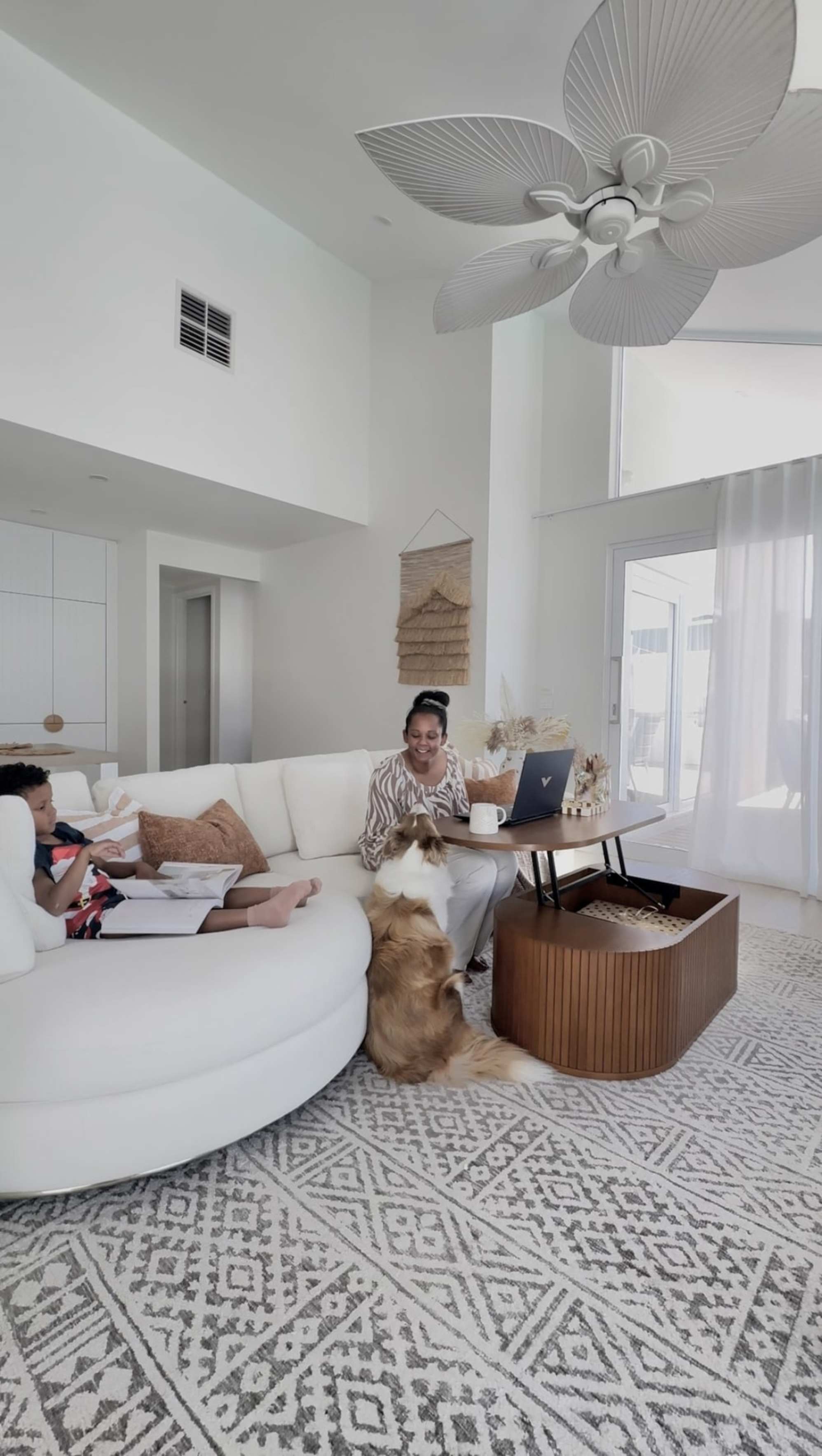
Choosing the right materials for your living room furniture is essential for style and function. The materials affect comfort, durability, and appearance. Picking wisely ensures your furniture lasts and looks good over time.
Durability And Maintenance
Durability depends on how often you use the furniture. Choose materials that can handle daily wear. Easy maintenance saves time and effort. Some materials resist stains and scratches better than others. Consider your lifestyle before deciding.
Fabric Choices
Fabric impacts comfort and style in your living room. Natural fabrics like cotton and linen feel soft but may stain easily. Synthetic fabrics such as polyester and microfiber resist stains and wear well. Leather offers a classic look and cleans easily but can be expensive.
- Cotton: Breathable but prone to stains.
- Polyester: Durable and stain-resistant.
- Leather: Easy to clean and long-lasting.
- Microfiber: Soft and resistant to spills.
Wood And Metal Finishes
Wood adds warmth and character. Hardwoods like oak and maple are strong and last long. Softwoods are cheaper but less durable. Metal finishes provide a modern or industrial look. Stainless steel and aluminum resist rust and damage. Choose finishes that match your room’s style and maintenance ability.
Focus On Color And Texture
Color and texture shape the mood and feel of your living room. They bring life and personality to the space. Choosing the right colors and textures helps create a cozy and inviting atmosphere. It also makes the room visually interesting and balanced.
Create Color Harmony
Pick colors that work well together to form a smooth look. Use a color wheel to find matching or contrasting colors. Stick to a color palette of two to three main colors. Use these colors across furniture, walls, and decor. This keeps the room balanced and pleasing to the eye.
Mix Textures For Depth
Combine different textures to add richness to your living room. Soft fabrics, smooth wood, and rough metals create variety. Textures invite touch and make the space feel real. Use cushions, rugs, and curtains with different textures. This avoids flatness and makes the room more engaging.
Use Accent Pieces
Accent pieces highlight colors and textures in your room. Choose items like throw pillows, lamps, or artwork. These small touches bring bursts of color and interesting textures. Accent pieces add personality without overwhelming the space. Change them easily to refresh your living room look.
Consider Functionality
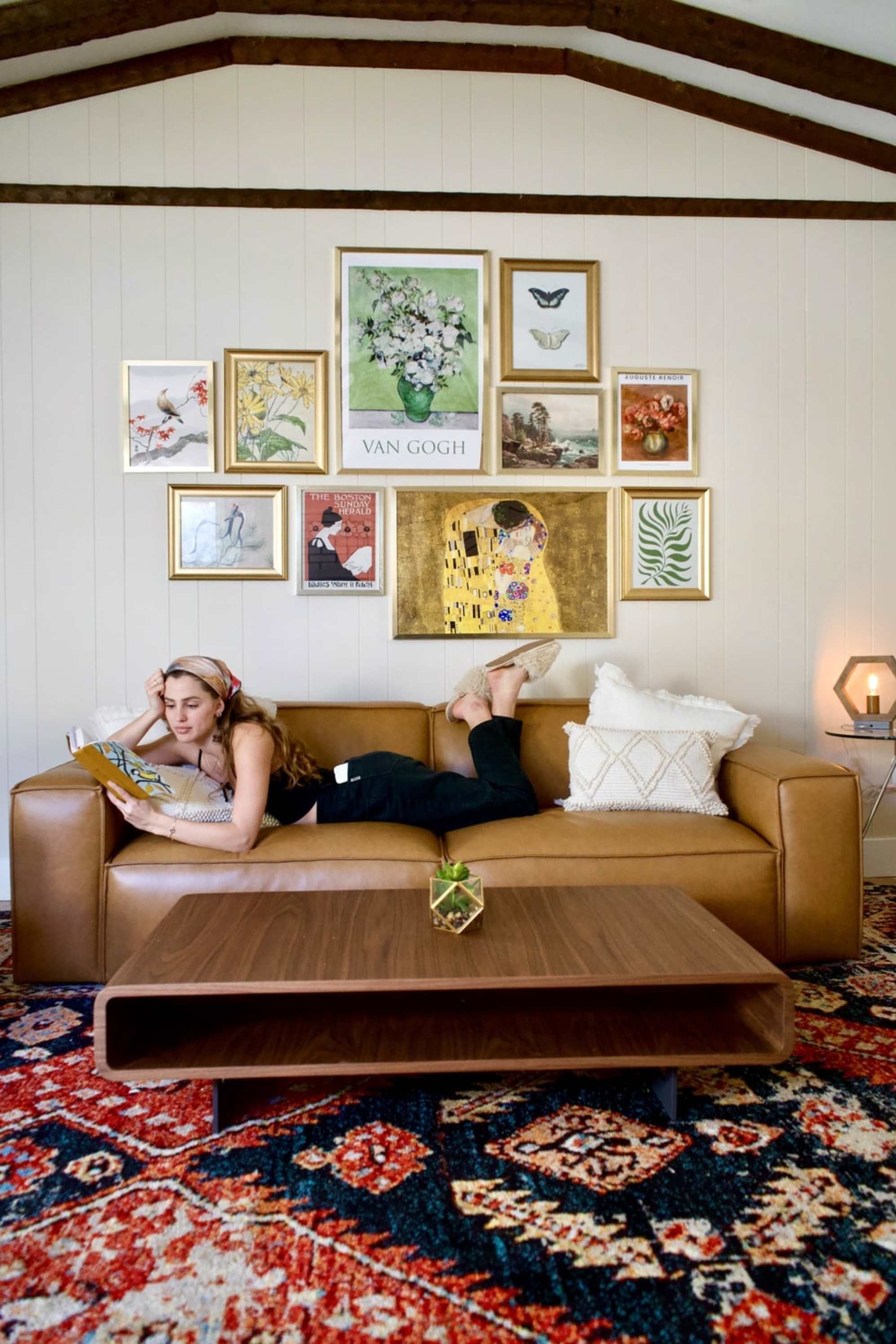
Choosing furniture for your living room involves more than just style. It must fit your daily needs and make life easier. Functionality ensures your space works well for you and your family. Think about how the furniture will be used and what tasks it needs to support. This helps create a room that feels both practical and comfortable.
Multi-purpose Furniture
Furniture that serves more than one purpose saves space and money. A sofa bed can host guests overnight. Ottomans with storage hide blankets and toys. Tables with shelves hold books or magazines. This type of furniture adapts to different needs without cluttering the room.
Comfort And Ergonomics
Comfort is key in a living room. Choose chairs and sofas that support your back and allow good posture. Test cushions for softness and durability. Consider the height and depth to match your body size. Ergonomic furniture helps you relax and reduces strain during long sitting periods.
Adapt For Activities
Your living room hosts many activities. Pick furniture that suits watching TV, reading, or playing games. Use side tables for drinks and snacks. Select seating that can move easily to create open space. Flexibility in arrangement keeps the room functional for different moments.
Budget Smartly
Setting a budget for your living room furniture doesn’t mean you have to settle for less. It’s about making smart choices that give you the best value without overspending. Budgeting wisely helps you avoid impulse buys and ensures every piece you bring home serves a purpose.
Prioritize Investments
Start by deciding which furniture pieces need to last longer and which can be more flexible. A high-quality sofa or a sturdy coffee table is worth spending more on because you use them daily. On the other hand, items like side tables or decorative chairs can be more affordable and swapped out later.
Think about your lifestyle—do you have kids or pets? Investing in durable, easy-to-clean materials upfront can save you money and stress down the road. What piece will get the most use in your living room? Put your money there first.
Look For Deals And Sales
Don’t rush to buy everything at full price. Furniture stores often have seasonal sales, clearance events, or holiday discounts that can save you a lot. Signing up for newsletters or following your favorite brands on social media can alert you to these opportunities.
Consider checking out outlet stores or online marketplaces where gently used or returned furniture sells for less. You can find almost-new items at a fraction of the cost. Have you ever scored a great deal on a piece you love? Those moments prove patience pays off.
Plan For Future Upgrades
Buying everything at once might seem ideal, but spreading out your purchases can help manage your budget better. Start with essential pieces and leave room for upgrades or additions later when you have more funds. This also lets you live with your space and understand what you truly need.
Think about modular furniture or neutral colors that can adapt as your style changes. This way, you avoid costly replacements and keep your living room fresh over time. What upgrade would enhance your comfort or style the most in the future?
Test Before Buying
Testing furniture before buying it is key to making sure it fits your lifestyle and space. You want pieces that feel right, last long, and look great in your living room. Don’t rush this step—trying out furniture in person can save you from costly mistakes and buyer’s remorse.
Check Comfort Levels
Sit, lean, and stretch on the furniture. Does the sofa support your back well? Are the cushions too soft or too firm? Comfort is personal, so trust your own feelings rather than just the look.
Think about how you’ll use the furniture daily. Will you watch TV, read, or entertain guests? Testing comfort helps you pick pieces that you’ll actually enjoy using every day.
Inspect Build Quality
Look closely at the materials and construction. Are the joints sturdy or wobbly? Is the fabric tightly woven or loosely stitched? Good build quality means the furniture will hold up to wear and tear.
Don’t hesitate to ask about the frame material or cushion filling. Solid wood frames tend to last longer than particleboard, and high-density foam cushions keep their shape better. This knowledge helps you make a smarter investment.
Visualize Placement
Imagine how the furniture will fit in your living room. Bring a tape measure to the store and compare dimensions with your space at home. Will the sofa block pathways or crowd the room?
Think about lighting and traffic flow too. Sometimes a beautiful piece looks great in a showroom but feels cramped in your living room. Visualizing placement helps avoid awkward setups and keeps your space functional.
Frequently Asked Questions
How To Choose The Right Size Furniture For Living Room?
Measure your living room space before buying furniture. Choose pieces that fit well without crowding. Leave enough walking space for comfort and flow.
What Furniture Styles Suit Modern Living Rooms Best?
Modern living rooms often feature minimalist, sleek, and functional furniture. Look for clean lines, neutral colors, and multipurpose pieces to enhance style and usability.
How To Pick Durable Furniture For Heavy Use?
Select furniture made of quality materials like hardwood or metal frames. Check for sturdy construction and durable upholstery that resists wear and tear.
What Colors Work Best For Living Room Furniture?
Choose colors that complement your room’s palette. Neutral tones offer versatility, while bold colors add personality and focal points to your living space.
Conclusion
Choosing the right living room furniture shapes your space and comfort. Think about size, style, and how you will use each piece. Balance looks with function to keep the room inviting and practical. Take your time and trust your taste.
A well-chosen sofa or chair can change the whole feel. Remember, your living room should reflect your personality and needs. Small steps lead to a great room everyone enjoys. Happy decorating!