
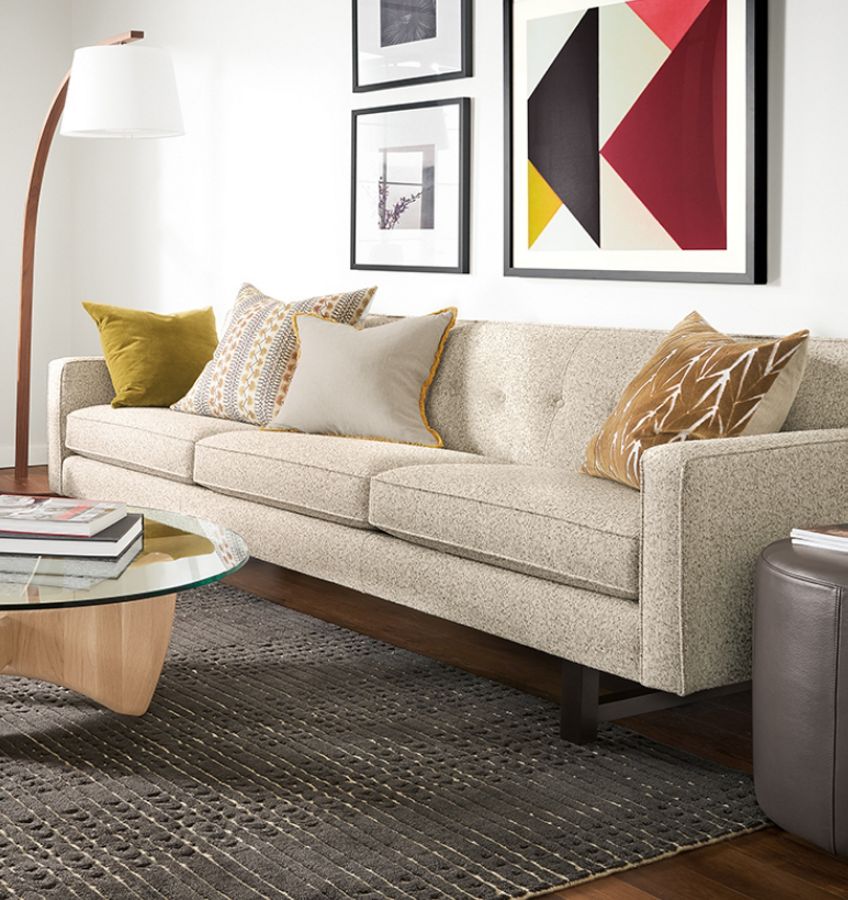
When you step into your living room, the furniture you see isn’t just there to fill space—it shapes how you feel and how you connect with everyone around you. But do you really know the names of all those pieces that make your space comfortable and inviting?
Understanding the names of living room furniture can help you choose the right items, style your room better, and even impress guests with your knowledge. You’ll discover the essential furniture names that every living room should have. Ready to transform your space and speak the language of comfort?
Let’s dive in.

Seating Options
Choosing the right seating options can completely change how your living room feels and functions. The furniture you pick not only provides comfort but also sets the tone for socializing, relaxing, or working. Let’s look at some popular living room seating choices and see which might fit your space best.
Sofas And Couches
Sofas and couches are the heart of most living rooms. They come in various sizes, from compact two-seaters to large three or four-seat designs, allowing you to pick what fits your space and needs.
Think about how you use your sofa daily. Do you often have guests over? A larger sofa might be ideal. Or maybe you prefer a cozy corner to curl up with a book—then a smaller couch might suit you better.
Armchairs And Recliners
Armchairs add a personal touch and extra seating without overwhelming your room. Recliners take comfort to the next level, letting you lean back and relax after a long day.
Have you ever noticed how much a well-placed armchair invites you to sit down? It’s a small investment that can make a big difference in your living room’s comfort and style.
Ottomans And Poufs
Ottomans and poufs are versatile pieces that serve multiple purposes. Use them as footrests, extra seating, or even as a coffee table with a tray on top.
Adding an ottoman can make your living room feel more inviting and functional. Plus, they often have hidden storage—perfect for stashing blankets or magazines.
Sectionals And Loveseats
Sectionals are great if you want a flexible seating arrangement that can be customized to your room’s layout. They can divide a large space or create a cozy nook.
Loveseats offer intimate seating for two and work well in smaller rooms or as a complement to a larger sofa. Have you tried mixing a loveseat with a sectional to balance space and style?
Tables For Function And Style
Tables play a crucial role in your living room, offering both function and style. They create a surface for everyday activities like holding drinks, displaying decor, or organizing essentials. Choosing the right table can transform your space from ordinary to inviting, balancing practicality with design.
Coffee Tables
Coffee tables sit at the center of your seating area, providing a spot for snacks, books, or remote controls. They come in many shapes and sizes, from sleek glass tops to rustic wooden designs.
Think about your routine: do you often entertain guests or prefer a quiet reading nook? Pick a coffee table that fits how you live, whether it’s one with storage drawers or a simple, elegant surface.
Side And End Tables
Side and end tables tuck in next to sofas or chairs, offering easy access to lamps, drinks, or phones. Their smaller size makes them versatile pieces you can move around as needed.
Consider tables with built-in shelves or drawers to keep clutter out of sight. These tables can add charm and convenience without crowding your living room.
Console Tables
Console tables are narrow and long, perfect for placing against a wall or behind a sofa. They provide extra surface area for decorative items or practical storage without taking up too much room.
Use a console table to display photos or plants, or add baskets underneath for hidden storage. This piece offers a stylish way to organize your space and showcase your personality.
Nesting Tables
Nesting tables come in sets that stack or slide together, saving space when not in use. They are ideal if you need flexible surfaces for guests or various activities.
When you need more table space, simply pull out the extra tables. Their compact design means you get multiple functions without the bulk.
Storage Solutions
Finding the right storage solutions for your living room can transform the space from cluttered to calm. Storage furniture not only keeps your items organized but also adds style and personality to your room. Think about how much easier life becomes when everything has its place and your living room feels welcoming rather than chaotic.
Bookshelves And Display Units
Bookshelves do more than hold your books—they showcase your interests and memories. Open shelves let you display decorative items, plants, and photo frames, adding layers to your room’s story. Closed units protect valuables from dust, while mixed designs offer a balance between display and storage.
Have you ever noticed how a well-arranged bookshelf invites conversation? It encourages you to share your favorite reads and souvenirs with guests, making your living room more personal.
Media Consoles
Media consoles keep your TV, gaming systems, and cables organized out of sight. Look for models with adjustable shelves and cable management to reduce clutter. A sleek media console can also double as a focal point, blending functionality with style.
If your living room often becomes a tech hub, a media console designed with ample storage helps maintain order and ease of access. It’s about making your entertainment experience smoother without the mess.
Storage Benches
Storage benches offer a smart seating solution with hidden compartments. They work well in small spaces by combining comfort and practicality. Use them to store blankets, toys, or magazines, keeping essentials close but out of view.
Imagine sitting on a cozy bench with a book, knowing that everything you need is tucked neatly inside. Wouldn’t you want furniture that does double duty like this?
Cabinets And Sideboards
Cabinets and sideboards bring substantial storage for larger items like board games, extra cushions, or dinnerware. Their closed doors help maintain a clean look while providing easy access to your belongings. Choose styles that match your décor to keep your living room cohesive.
Think about how a sideboard can anchor your room’s design while hiding clutter. It’s a practical way to keep your space neat without sacrificing style.
Lighting Essentials
Lighting plays a key role in creating a warm and inviting living room. It sets the mood and highlights the furniture’s beauty. Choosing the right lighting helps balance brightness and comfort. Different types of fixtures serve various purposes, from general light to cozy reading spots.
Floor Lamps
Floor lamps stand tall and add height to the room. They offer soft, focused light perfect for corners or beside chairs. Easy to move, they brighten dark areas without needing wiring. Styles range from modern to classic, fitting any decor.
Table Lamps
Table lamps sit on side tables or shelves. They provide gentle light for reading or relaxing. These lamps come in many sizes and shapes, with shades that soften the glow. Table lamps add charm and function at the same time.
Wall Sconces
Wall sconces attach directly to the walls. They save space and create an elegant look. These lights can highlight artwork or architectural features. Wall sconces often use dimmable bulbs to adjust light levels easily.
Ceiling Fixtures
Ceiling fixtures light up the whole living room. They include chandeliers, flush mounts, and pendant lights. These fixtures provide bright, even light for daily activities. Choose designs that match your style and room size.
Decorative Accents
Decorative accents bring life to any living room. They add color, texture, and personality. These small touches make a big impact on the room’s mood. Choosing the right accents can make your space feel cozy and inviting. Here are some popular decorative accents that brighten up your living area.
Rugs And Carpets
Rugs and carpets define spaces and add warmth. They soften hard floors and reduce noise. Choose patterns or colors that match your furniture. Layering rugs can create a stylish look. Rugs also protect your floors from wear and tear.
Throw Pillows And Blankets
Throw pillows and blankets add comfort and style. Mix different shapes, sizes, and fabrics for variety. Bright colors can make the room pop. Soft blankets invite relaxation and cozy moments. These accents are easy to swap out for new looks.
Wall Art And Mirrors
Wall art adds personality and charm to blank walls. Paintings, prints, or photos show your taste and interests. Mirrors reflect light and make the room feel bigger. Choose frames that match your room’s style. Grouping art pieces creates a gallery effect.
Plants And Greenery
Plants bring freshness and life indoors. They improve air quality and add natural beauty. Use pots and planters that fit your décor. Small succulents or large leafy plants can transform the space. Greenery connects the indoors with nature outside.
Materials And Finishes
Choosing the right materials and finishes for your living room furniture can transform the entire space. These elements affect not only the look but also the feel and durability of your pieces. Understanding the options available helps you make choices that fit your lifestyle and style preferences perfectly.
Wood Types And Styles
Wood remains a popular choice for living room furniture due to its natural beauty and strength. You can pick from hardwoods like oak, walnut, and maple, which offer durability and classic appeal. Softer woods such as pine give a rustic or casual vibe but may show wear faster.
Styles vary from sleek, modern cuts to ornate, traditional carvings. Think about how the wood grain and color will blend with your room’s theme. Have you noticed how a light oak coffee table can brighten a dark space?
Metal And Glass Elements
Metal frames and glass surfaces add a contemporary touch to living room furniture. Steel and aluminum are common metals that provide sturdy support and a sleek finish. Glass tops on tables create an airy feel and are easy to clean, making them practical for busy homes.
Combining metal and glass can create a striking contrast with softer materials. Would you consider mixing these materials to add depth and texture to your living room?
Upholstery Fabrics
The fabric you choose for sofas and chairs impacts comfort and maintenance. Natural fabrics like cotton and linen feel breathable but might stain easily. Synthetic fabrics such as polyester and microfiber resist wear and are simpler to clean.
Look for fabrics with a tight weave for durability if you have pets or kids. Don’t shy away from textured fabrics like velvet or chenille—they can add a cozy, luxurious touch. What fabric suits your daily routine and style best?
Color Palettes
Colors set the mood of your living room and influence how furniture pieces stand out. Neutral tones like beige, gray, and taupe offer versatility and blend well with various accents. Bold colors like navy, emerald, or burnt orange can create focal points and express personality.
Consider how lighting affects your chosen colors throughout the day. Would you prefer a calming palette or something that energizes your space? Your furniture’s finish and fabric color can either harmonize or provide exciting contrast.
Arranging Living Room Furniture
Arranging living room furniture shapes how people use and enjoy the space. Thoughtful placement creates comfort and style. It also improves movement and social interaction. Planning furniture layout helps make the room both beautiful and practical. The right arrangement can make a small space feel larger or turn a big room into a cozy area.
Creating Conversation Areas
Group seating pieces close together to encourage talking. Chairs and sofas should face each other or form a circle. Avoid placing furniture too far apart. Use rugs or coffee tables to anchor the area. This creates a warm, inviting spot for guests and family.
Maximizing Space
Choose furniture that fits the size of the room. Use pieces that can serve more than one purpose. Place larger items against walls to open up floor space. Leave clear pathways for easy movement. Use vertical space with shelves or tall cabinets.
Balancing Function And Flow
Arrange furniture to support daily activities like watching TV or reading. Keep important items within reach. Avoid blocking doors or windows. Make sure people can walk through easily without bumping into furniture. Balance comfort with practical use of space.
Focal Points And Layouts
Identify the room’s focal point, like a fireplace or TV. Arrange furniture around this feature. Use symmetry or asymmetry depending on the style. Try different layouts to find the best fit. A well-planned layout highlights the room’s best elements.

Frequently Asked Questions
What Are Common Types Of Living Room Furniture?
Common living room furniture includes sofas, armchairs, coffee tables, TV stands, and bookshelves. These pieces create comfort and functionality in living spaces.
How To Choose The Right Sofa For A Living Room?
Select a sofa based on size, style, and comfort. Consider fabric durability and color to match your room’s decor.
Why Are Coffee Tables Essential In Living Rooms?
Coffee tables provide a central spot for drinks, snacks, and decor. They enhance both style and practicality in a living room.
What Is The Role Of An Armchair In Living Rooms?
Armchairs offer extra seating and add style. They create cozy spots for reading or relaxing in the living room.
Conclusion
Living room furniture adds comfort and style to your home. Sofas, coffee tables, and recliners create a cozy space. Choose pieces that fit your room and taste. Each item serves a purpose and adds charm. Keep functionality in mind while selecting.
Mixing different styles can enhance the room’s look. A well-furnished living room invites relaxation and conversation. Remember, comfort is key when choosing furniture. Enjoy your space with family and friends. Let your living room reflect your personality. Create a warm, inviting atmosphere everyone will love.