
Your living room is more than just a space—it’s where you relax, entertain, and create memories. But if your furniture doesn’t match well, the whole room can feel off.
You want a living room that looks inviting and stylish, yet feels comfortable and personal. Matching furniture might seem tricky, but with the right tips, you can easily bring harmony to your space. Ready to discover how to make your living room look perfectly balanced and welcoming?
Keep reading, and you’ll learn simple ways to match your furniture like a pro.
Choosing A Style Theme
Choosing a style theme sets the tone for your living room. It guides your furniture choices and creates a balanced look. A clear style helps in selecting matching pieces that fit well together. It also makes decorating simpler and more fun.
Consider the mood you want. Cozy and warm, sleek and simple, or rich and classic? Your style theme shapes the entire room’s feel and function.
Modern Minimalist
Modern minimalist focuses on clean lines and simplicity. Furniture has sleek shapes with little decoration. Colors stay neutral, like white, black, or gray. Space feels open and uncluttered. Each item has a purpose. Choose pieces with smooth surfaces and simple forms. This style brings calm and order.
Rustic Charm
Rustic charm creates a warm, inviting space. Natural materials like wood and stone are key. Furniture looks sturdy and often handmade. Earthy tones such as brown, beige, and green dominate. Textures play a big role, adding character. This style feels cozy and lived-in. Perfect for a relaxed, homey vibe.
Classic Elegance
Classic elegance brings timeless beauty to the room. Furniture has graceful lines and refined details. Rich fabrics like velvet or silk add luxury. Colors include deep blues, golds, and creams. Pieces often feature wood with polished finishes. This style feels formal but welcoming. It suits those who love tradition and grace.
Eclectic Mix
Eclectic mix blends different styles and eras. Furniture varies in shape, color, and material. Look for bold patterns and unique accents. This style allows more personal expression. It creates a lively and interesting space. Balance is key—mix carefully to avoid chaos. Great for creative and adventurous decorators.
Selecting Color Palettes
Selecting the right color palette for your living room sets the mood and style. It helps create harmony between furniture pieces and the room’s overall look. Choosing colors carefully can make your space feel cozy, bright, or elegant.
Colors influence how you feel in a room and how furniture fits together. Think about the atmosphere you want before picking a palette. Balance and contrast play key roles in matching furniture colors successfully.
Neutral Tones
Neutral tones like beige, gray, and white offer timeless appeal. They create a calm and versatile base for any living room. These colors match well with different furniture styles and textures. Neutrals make the space feel open and inviting.
Use neutrals on large pieces like sofas or walls. Add warmth through wood finishes or soft fabrics. This palette works well for minimalist and classic designs.
Bold And Vibrant
Bold colors bring energy and personality to your living room. Reds, blues, and yellows create strong visual interest. Use vibrant colors on accent chairs, cushions, or rugs.
This palette suits modern and eclectic styles. Balance bold shades with neutral backgrounds to avoid overwhelming the space. Bright colors highlight key furniture pieces.
Monochromatic Schemes
Monochromatic schemes use different shades of the same color. This approach creates a cohesive and elegant look. It adds depth without clashing tones.
Try varying light and dark versions of a color on walls, furniture, and decor. This works well in small rooms by keeping the flow simple. It also allows textures to stand out more.
Accent Colors
Accent colors add pops of contrast to neutral or monochrome palettes. They bring life and focus to specific areas. Use accents in pillows, throws, or artwork.
Choose one or two accent colors to keep the design balanced. These small touches link furniture pieces and make the room feel complete.
Balancing Furniture Sizes
Balancing furniture sizes in your living room creates a comfortable and inviting space. It helps the room feel open and well-organized. Choosing the right size for each piece ensures harmony and flow. Avoid overpowering the space with too-large furniture or making it feel empty with too-small items. Proper balance brings style and comfort together.
Proportions And Scale
Proportions refer to the size relationship between furniture pieces. Scale means how the furniture fits the room size. Large rooms can hold bigger sofas and tables. Small rooms need compact furniture to avoid crowding. Keep similar proportions for a cohesive look. Match tall pieces with other tall items to keep balance. Use smaller pieces to complement larger ones.
Anchor Pieces
Anchor pieces are the main furniture items in a room. A large sofa or sectional often acts as an anchor. These pieces set the room’s style and size tone. Choose anchor furniture that fits the room well. Surround it with smaller chairs or tables that match in size and style. Anchor pieces help organize the layout and prevent clutter.
Avoiding Clutter
Clutter makes rooms feel cramped and chaotic. Avoid too many small pieces that crowd the space. Leave enough walking space around furniture for easy movement. Use fewer, well-sized pieces to keep the room open. Consider storage furniture to hide items and reduce mess. Clean lines and simple designs help maintain a neat look.
:max_bytes(150000):strip_icc()/CarinaSkrobeckiPhoto_JessicaNelsonDesign_252222ndAve_01-47bc103d13e34f8d89179a86e968e7eb-5b0a8608f5c64a999203309e3fd0af57.jpg)
Mixing Materials And Textures
Mixing materials and textures creates a living room full of interest and depth. Different surfaces bring contrast and harmony. Each material has a unique feel that adds character to the space. Combining them carefully enhances comfort and style.
Wood And Metal
Wood adds warmth and natural beauty to the room. It feels cozy and inviting. Metal offers a sleek, modern touch. It brings strength and shine. Together, wood and metal balance softness with toughness.
- Wooden coffee tables with metal legs look stylish.
- Metal lamps with wooden bases create a unique blend.
- Mix dark wood with black metal for a bold look.
Fabrics And Upholstery
Soft fabrics make a room feel comfortable and lived-in. Upholstered furniture invites you to sit and relax. Different textures like velvet, linen, or cotton add layers of touch.
- Velvet cushions add luxury and color.
- Linen sofas keep the space light and fresh.
- Mix smooth leather chairs with soft fabric sofas.
Glass And Stone Elements
Glass brings lightness and reflects natural light. It makes small spaces feel open. Stone adds solidity and a natural edge. It grounds the room with its texture and weight.
- Glass coffee tables pair well with stone floors.
- Stone fireplace surrounds add a rugged, earthy touch.
- Glass shelves with stone vases create elegant contrasts.
Arranging For Function And Flow
Arranging furniture in the living room requires careful thought. The goal is to create a space that feels comfortable and easy to move through. Proper arrangement helps balance style and function. It allows you to enjoy the room without feeling crowded or awkward.
Creating Conversation Areas
Group seating to encourage talking and connection. Place sofas and chairs facing each other. Add a coffee table in the center for convenience. Keep the space cozy but not cramped. This setup invites guests to relax and chat.
Maximizing Space
Use furniture that fits the room size. Choose pieces with slim profiles to save room. Consider multi-purpose furniture like ottomans with storage. Avoid blocking windows or doors to keep the room open. Clear spaces make the room feel larger and brighter.
Traffic Patterns
Plan clear paths for walking around furniture. Leave at least two feet between pieces for easy movement. Avoid placing furniture in doorways or main walkways. Smooth traffic flow prevents bumps and trips. This makes the living room safer and more inviting.
Incorporating Statement Pieces
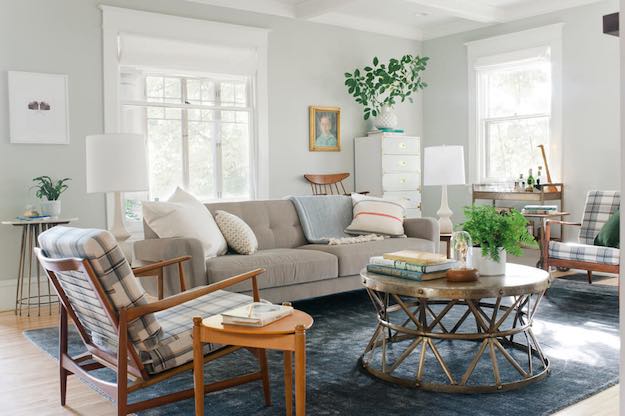
Incorporating statement pieces in your living room adds character and charm. These items catch the eye and create a unique space. Statement pieces balance the room’s look while reflecting your style. They bring life to matching furniture and enhance the entire setting.
Bold Sofas
Choose sofas with strong colors or unique shapes. Bold sofas become the room’s focal point. They bring energy and contrast to neutral tones. A bright red or deep blue sofa can change the room’s mood. Select fabrics that feel cozy but stand out visually.
Unique Coffee Tables
A coffee table with an unusual design grabs attention immediately. Think about tables made from natural wood or metal. Shapes like circles, hexagons, or asymmetrical forms add interest. These tables can also offer extra storage or display space. They complement sofas and tie the room together.
Artistic Accessories
Decorate with accessories that show creativity and personality. Sculptures, vases, and wall art can serve as statement pieces. Choose items with bold colors or striking designs. Artistic accessories add texture and depth to your living room. They make the space feel lived-in and welcoming.
Lighting And Ambiance
Lighting shapes the mood and feel of your living room. It sets the tone and highlights your furniture choices. Choosing the right lighting helps create a cozy and inviting space. Thoughtful lighting blends with your furniture to enhance the room’s style.
Layered Lighting
Layered lighting uses different light sources at various heights. Combine ceiling lights, floor lamps, and table lamps. This mix adds depth and warmth to the room. It allows you to adjust brightness depending on the activity.
Use dimmers to control light levels easily. Layered lighting makes the living room flexible for relaxing or entertaining guests.
Accent Lighting
Accent lighting highlights specific furniture or decor pieces. Spotlights or wall sconces can draw attention to artwork or a stylish sofa. It creates focal points and adds character to your space.
This lighting type adds drama without overwhelming the room. It also helps define areas in open-plan living spaces.
Natural Light Integration
Natural light makes any room feel fresh and open. Position furniture to take advantage of windows and sunlight. Use sheer curtains to soften harsh light while keeping brightness.
Mirrors help reflect natural light deeper into the room. This brightens corners and complements your furniture’s colors and textures.
Frequently Asked Questions
How To Choose Matching Furniture For Living Room?
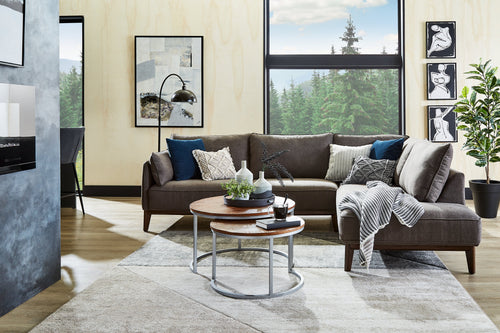
Choose furniture that shares similar style, color, and material. Balance contrast and harmony for a cohesive look. Consider room size, lighting, and existing decor when selecting pieces. Matching furniture enhances the room’s aesthetic and comfort.
What Colors Work Best For Matching Living Room Furniture?
Neutral tones like beige, gray, and white are versatile. Earthy shades complement natural wood furniture. Bold colors work well as accent pieces. Consistent color themes create a balanced, stylish living room.
Can Different Furniture Styles Be Matched In One Room?
Yes, mixing styles works if balanced thoughtfully. Use a unifying color or material to tie pieces together. Avoid overcrowding to maintain harmony. This approach adds personality and depth to your living space.
How Important Is Furniture Scale In Matching A Living Room?
Scale is vital for visual balance and comfort. Large furniture suits spacious rooms; small pieces fit compact spaces. Proper scale prevents overcrowding and awkward gaps. Matching scale enhances room flow and usability.
Conclusion
Choosing the right furniture sets a cozy, balanced mood in your living room. Matching pieces help create a neat, inviting space. Color, style, and size matter a lot. They bring harmony and comfort to your home. Remember, small changes can make a big difference.
Take your time and enjoy the process. Your living room will soon feel just right.