

Are you struggling to arrange your living room furniture in a way that feels both cozy and functional? The right furniture placement can completely transform your space, making it more inviting and comfortable for you and your guests.
Whether your living room is big or small, classic or modern, this guide will give you simple, practical ideas to make the most of your space. Keep reading, and you’ll discover easy tips that can help you create a living room that not only looks great but also feels just right for your lifestyle.
Choosing The Right Layout
Choosing the right layout shapes the entire living room experience. It affects comfort, style, and how people interact. A good layout fits the room’s size and shape, creating a welcoming space for all activities.
Assessing Room Shape And Size
Start by measuring the room’s length, width, and ceiling height. Note any odd corners or architectural features like windows and doors. This helps decide what furniture fits and where. Square rooms suit symmetrical layouts. Rectangular rooms work well with zones that break up the space.
Creating Conversation Zones
Arrange seating to encourage talking and eye contact. Group chairs and sofas around a central point, like a coffee table or fireplace. Keep seats close enough to hear each other without raising voices. Use rugs or lighting to define these cozy areas clearly.
Maximizing Traffic Flow
Leave clear paths for walking through the room. Avoid blocking doorways or windows with bulky furniture. Aim for at least 2 to 3 feet of space between pieces. This keeps movement easy and natural. Consider floating furniture away from walls to open the space.
Focal Points And Arrangement
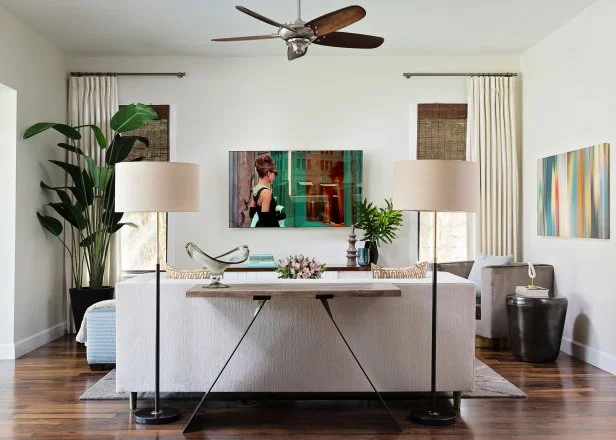
The focal point in a living room guides the furniture layout. It creates a natural flow and draws attention. Arranging furniture around a clear focal point makes the space inviting and balanced. Thoughtful placement improves comfort and functionality. Each living room has unique features to highlight. Designing with these in mind enhances the room’s appeal.
Centering Around A Fireplace Or Tv
Fireplaces and TVs often serve as the main focal points. Arrange seating to face these elements directly. Use a sofa or chairs to create a cozy gathering spot. Keep pathways clear for easy movement around the area. Adding a rug can define the seating zone clearly. Avoid overcrowding; balance space with comfort.
Highlighting Architectural Features
Architectural details like large windows, built-in shelves, or unique walls deserve attention. Position furniture to showcase these elements naturally. Low-profile sofas or chairs keep views open. Use lighting to accentuate textures or shapes. Furniture should complement, not block, these features. This approach adds character and charm to the room.
Balancing Symmetry And Asymmetry
Symmetry offers a formal, calm feel. Place matching chairs or lamps on either side of a sofa. This creates harmony and order. Asymmetry adds interest and a relaxed vibe. Mix different furniture sizes or shapes with care. Use colors and textures to unify the look. Both styles work well when balanced thoughtfully.
Furniture Size And Scale
Understanding furniture size and scale is key to creating a comfortable and visually appealing living room. The right proportions help your space feel balanced and inviting, not cramped or empty. Have you ever walked into a room and felt overwhelmed by bulky furniture or lost in a sea of tiny pieces? Finding the right fit for your room’s dimensions can transform your experience.
Selecting Appropriately Sized Pieces
Choose furniture that fits the scale of your living room. In a small room, large sofas can dominate and leave little space to move. Opt instead for compact sofas or loveseats paired with smaller chairs to maintain openness.
In a larger room, very small pieces can feel out of place and disconnected. Look for sofas and tables with substantial presence to anchor the space. Measure your room and furniture before buying to avoid surprises.
Mixing Large And Small Furniture
Combining different sizes of furniture adds depth and interest to your living room. A large sectional sofa can be balanced by smaller accent chairs or a delicate coffee table. This contrast keeps the room dynamic without overwhelming your senses.
Try grouping a tall bookshelf with low-profile seating or pairing a chunky ottoman with sleek side tables. Mixing sizes helps create a layered look that feels intentional and comfortable. Have you tried mixing a big piece with smaller ones to see how the vibe changes?
Avoiding Overcrowding
Even if you love every piece of furniture you own, too many items can make your living room feel cluttered. Leave enough breathing room between pieces to allow for easy movement and a relaxed atmosphere.
Use a tape measure to mark out furniture footprints on the floor before arranging them. Aim for at least 18 inches of walking space around seating areas. This simple step can prevent overcrowding and keep your living room welcoming.
Functional Groupings
Functional groupings in living room furniture placement help define clear areas for different activities. This approach makes the space feel organized and purposeful. Grouping furniture by function encourages comfort and easy movement. It also maximizes the room’s usability.
Creating Reading Nooks
A reading nook offers a quiet retreat within the living room. Place a comfy chair near a window or a good light source. Add a small side table for books and a cup of tea. Use a soft rug to mark the space. A floor lamp or table lamp provides focused light. This setup invites relaxation and quiet moments.
Designating Entertainment Areas
Arrange seating to face the TV or media center. Use a sectional sofa or a combination of chairs and a loveseat. Keep enough space for walking paths around the group. Add a coffee table or ottoman in the center for convenience. This area becomes the social hub for watching movies or playing games. Proper placement ensures clear sightlines and comfort for everyone.
Incorporating Multi-use Furniture
Choose furniture that serves more than one purpose. Examples include storage ottomans, sofa beds, or nesting tables. Multi-use pieces save space and add functionality. Place a storage ottoman near seating for extra storage and a footrest. Use nesting tables for flexible surface space. This strategy keeps the living room tidy and adaptable to different needs.
Lighting And Accessories
Lighting and accessories shape the mood and function of your living room. They highlight furniture placement and create cozy corners. Proper lighting makes the space inviting and practical.
Accessories add personality and tie the room’s design together. Thoughtful use of rugs, curtains, and art enhances the overall layout. These elements bring balance and style to your living space.
Positioning Lamps And Lighting Fixtures
Place lamps near seating areas to provide soft, focused light. Use floor lamps to brighten dark corners and open spaces. Table lamps work well on side tables, adding warm pools of light.
Ceiling fixtures should spread light evenly across the room. Consider dimmable lights to adjust brightness for different moods. Layer lighting by combining overhead lights with lamps for depth.
Adding Rugs And Curtains
Rugs define seating zones and add texture to the floor. Choose sizes that fit under furniture legs to unify the arrangement. Match rug colors with the room’s palette for harmony.
Curtains frame windows and soften harsh daylight. Pick fabrics that complement the room’s style and color. Hang curtains high and wide to make windows appear larger.
Using Art And Decor To Enhance Layout
Art draws attention and creates focal points on blank walls. Hang pieces at eye level for the best effect. Use decor like vases or books to fill empty shelves and tables.
Mirrors reflect light and open up small spaces visually. Group smaller artworks or photos to create a gallery wall. Accessories should balance the room without cluttering it.

Tips For Small Living Rooms
Small living rooms need smart planning to feel comfortable and stylish. Space limits can make furniture placement tricky. Simple tips help maximize every inch without cluttering the room. Focus on furniture size, vertical space, and open layouts for a balanced look.
Choosing Space-saving Furniture
Select furniture that fits well in small areas. Opt for pieces with slim profiles and clean lines. Multi-functional items like sofa beds or ottomans with storage work great. Transparent materials, such as glass or acrylic tables, reduce visual weight. Choose light colors to keep the room bright and inviting.
Utilizing Vertical Space
Use walls to free up floor space. Install shelves or cabinets high to store items neatly. Hang artwork or mirrors to draw the eye upward. Vertical storage keeps clutter off the floor, making the room feel larger. Consider tall bookcases or wall-mounted lighting for added height.
Keeping The Space Open And Airy
Arrange furniture to allow easy movement. Avoid blocking pathways or crowding corners. Leave some floor space visible to create openness. Use rugs to define zones without heavy barriers. Keep window areas clear to let natural light flow in freely.
:max_bytes(150000):strip_icc()/designer-digs-5209106-recirc-890366b347c445a0bdd3d10221f2b1fd.jpg)
Frequently Asked Questions
How To Arrange Furniture For Small Living Rooms?
Place larger pieces against walls to open space. Use multi-functional furniture and keep pathways clear. Avoid overcrowding with too many items to maintain flow and comfort.
What Is The Best Furniture Layout For Conversation?
Arrange sofas and chairs facing each other or in a U-shape. Keep seating close enough for easy talking but not cramped. Add a central coffee table for convenience.
How To Optimize Living Room Furniture For Natural Light?
Position seating near windows but avoid blocking light sources. Use low-profile furniture to keep the room bright. Reflect light with mirrors and light-colored décor.
What Are The Key Tips For Furniture Placement Balance?
Distribute furniture evenly to avoid clutter on one side. Mix large and small pieces for visual interest. Maintain clear walkways and avoid blocking doors or windows.
Conclusion
Choosing the right furniture layout can change your living room feel. Keep space open for easy movement. Place seating to invite conversation and comfort. Use rugs or lighting to define areas clearly. Don’t overcrowd; less often feels more. Experiment with angles and distances to find what works best.
Your living room should feel cozy and welcoming. Small changes can make a big difference. Enjoy arranging your space to fit your lifestyle and needs.