
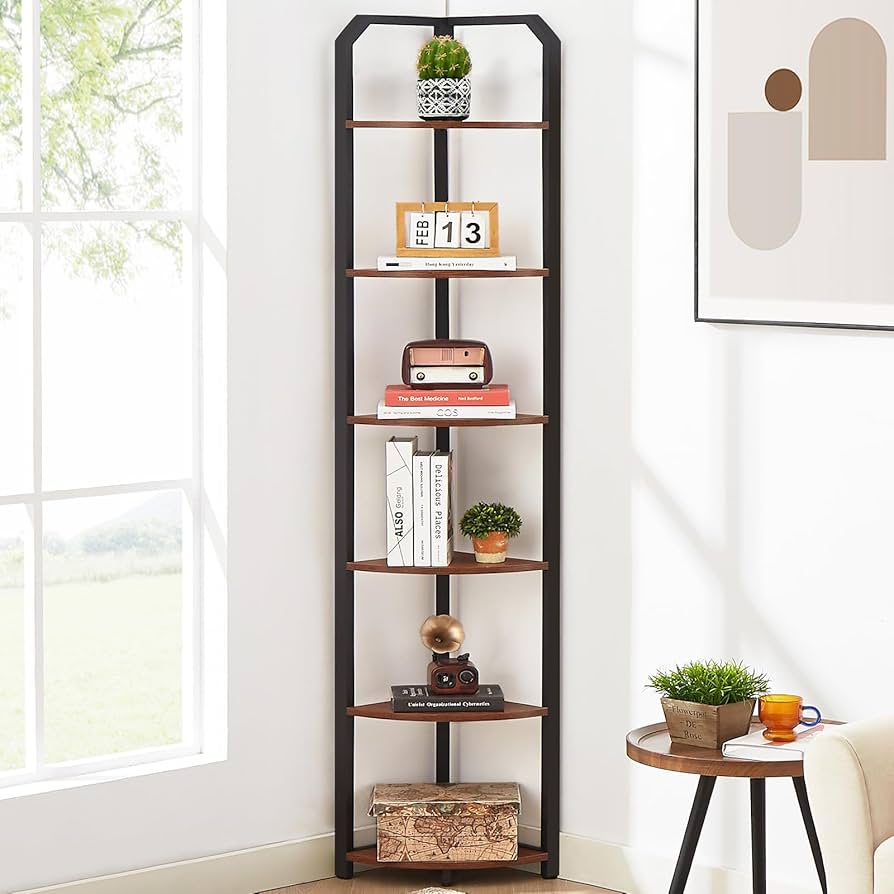
Is your living room corner just sitting empty, wasted space that could be so much more? Imagine turning that overlooked spot into a cozy nook or a stylish feature that adds charm and function to your home.
Choosing the right furniture for the corner of your living room can transform the entire space, making it feel larger, more inviting, and perfectly organized. You’ll discover simple ideas and smart tips to make the most of that corner, so you can create a space that truly feels like yours.
Ready to unlock the potential of your living room corner? Keep reading!
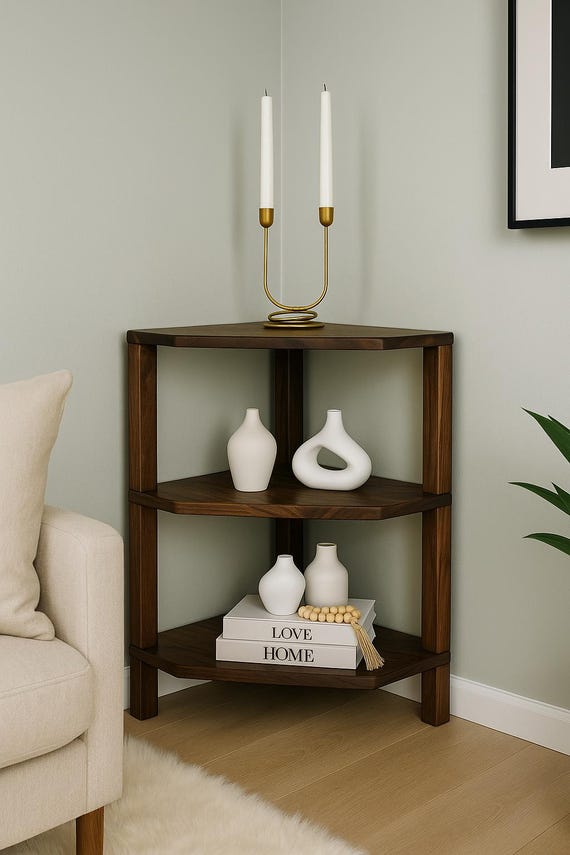
Maximizing Corner Space
Maximizing corner space in your living room can transform an overlooked area into a functional and stylish part of your home. Corners often remain unused or cluttered, but with the right furniture choices, they can become a cozy nook or a smart storage solution. How can you turn these tricky spots into an asset rather than a challenge?
Benefits Of Corner Furniture
Corner furniture is designed to fit perfectly into those tight spaces, making your living room feel more open and organized.
- Space-saving:It uses areas that are otherwise wasted, freeing up more room for movement.
- Enhanced functionality:Corner desks, shelves, or sofas can add extra seating or storage without crowding the center.
- Improved flow:Arranging furniture in corners can create natural pathways and a better room layout.
- Cozy atmosphere:A corner armchair or loveseat can become a private retreat for reading or relaxing.
I once added a corner sectional to my living room, and it instantly made the space feel larger and more inviting. Have you noticed how a well-placed corner piece can change the vibe of a room?
Common Challenges In Corner Areas
Despite their potential, corners can pose several design problems you need to address.
- Awkward angles:Not all corners are a perfect 90 degrees, making it tricky to find furniture that fits snugly.
- Limited natural light:Corners might be darker, requiring thoughtful lighting choices to brighten the area.
- Accessibility issues:Placing bulky furniture in corners can block movement or access to other parts of the room.
- Visual imbalance:Heavy corner pieces may make the room feel lopsided if not balanced properly.
Have you ever placed a corner shelf only to find it hard to reach or too dark to use comfortably? Tackling these issues early can help you pick the right furniture that fits both your space and lifestyle.
Types Of Corner Furniture
Corners in living rooms often go unused or cluttered. Choosing the right corner furniture can enhance space and style. Different types of corner furniture serve various needs. They maximize space while adding function and comfort. Understanding these types helps in creating a balanced living area.
Corner Sofas And Sectionals
Corner sofas and sectionals fit snugly in a corner. They provide ample seating for family and guests. These sofas come in various shapes and sizes. Sectionals can be rearranged to suit the room layout. Many have storage options under the seats. They create a cozy, inviting space in the living room.
Corner Shelves And Storage Units
Corner shelves use vertical space efficiently. They display books, plants, and decorative items. Storage units hide clutter and keep the room tidy. These pieces come in wood, metal, or glass materials. Open shelves make the room feel airy. Closed units keep items out of sight for a neat look.
Corner Desks And Workstations
Corner desks create a compact workspace. They fit well in small or shared rooms. These desks offer surface area without taking much floor space. Some come with built-in shelves or drawers. Ideal for working, studying, or hobbies. They help separate work from relaxation areas.
Corner Accent Chairs
Corner accent chairs add style and extra seating. They are smaller than sofas but very comfortable. These chairs highlight a corner with color or texture. Perfect for reading or relaxing by a window. They balance the room’s layout and fill empty spots. Many designs suit modern or classic décor styles.
Materials And Styles
Choosing the right materials and styles shapes your corner furniture’s look and feel. It sets the mood of your living room and defines its comfort. Materials affect durability, maintenance, and appearance. Styles bring personality and match your home decor.
Understanding different options helps you pick the perfect piece for your corner space. Each material and style offers unique benefits. Consider your room’s size, lighting, and existing furniture.
Wooden Corner Furniture
Wood is a classic choice. It feels warm and natural. Solid wood pieces last long and can be refinished. Popular woods include oak, pine, and walnut. Wood suits many styles, from rustic to modern.
- Durable and sturdy
- Easy to clean and maintain
- Natural grains add texture
- Can be painted or stained
Metal And Glass Options
Metal and glass give a sleek and light look. Metal frames are strong and often combined with glass tops. This combo works well in modern or industrial designs. Glass surfaces reflect light, making the room feel bigger.
- Lightweight yet sturdy
- Easy to clean surfaces
- Creates an open, airy feel
- Resistant to stains and scratches
Modern Vs Traditional Designs
Modern corner furniture has clean lines and simple shapes. It uses neutral colors and minimal decoration. Traditional furniture features ornate details and warm tones. It often includes rich wood and classic curves.
| Feature | Modern | Traditional |
|---|---|---|
| Shapes | Straight and sleek | Curved and detailed |
| Colors | Neutral and bold | Warm and muted |
| Materials | Metal, glass, wood | Mostly wood |
| Decor | Minimal | Ornate |
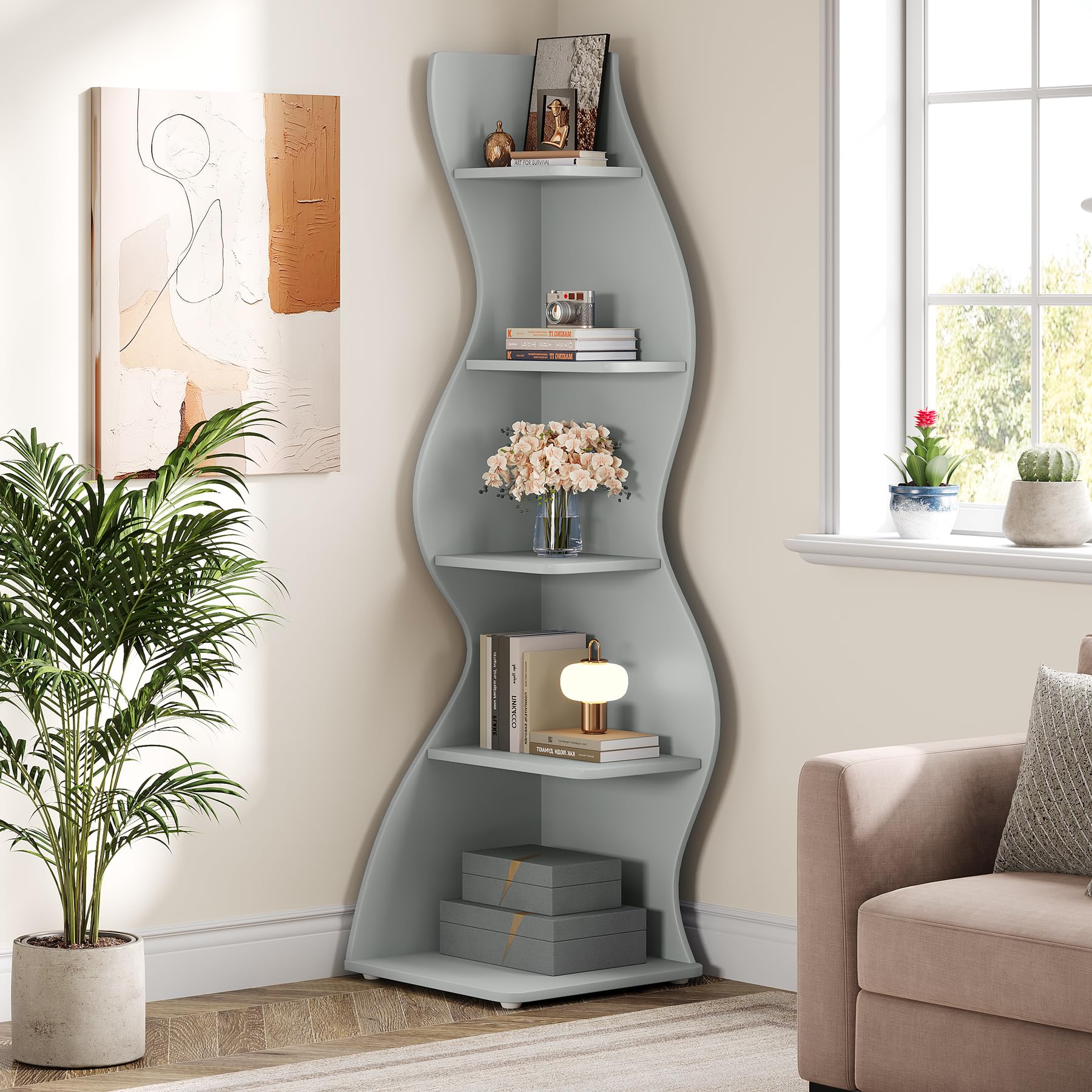
Choosing The Right Size
Choosing the right size for furniture in the corner of your living room can completely change how the space feels and functions. Too big, and the area looks cramped; too small, and it feels empty or awkward. Finding the perfect fit means paying attention to your room’s dimensions and how you plan to use the space.
Measuring Your Space
Start by measuring the corner area carefully. Use a tape measure to get the length, width, and height if you’re considering tall pieces. Note any obstacles like heaters, windows, or power outlets that could limit your furniture options.
Write down these measurements and keep them handy. This simple step saves you from bringing home items that don’t fit. Have you ever bought a piece only to realize it blocks a doorway or sticks out too far? Accurate measurements prevent that frustration.
Balancing Functionality And Comfort
Think about how you want to use the corner. Is it a reading nook, extra seating, or a storage spot? Choose furniture that fits your lifestyle but also provides comfort. For instance, a small loveseat might look good but could be uncomfortable if you want to lounge or host guests.
Consider furniture with multiple uses, like an ottoman with storage or a corner shelf that holds books and décor. This way, you maximize the space without overcrowding it. What’s your priority—relaxation, storage, or style? Let that guide your choice.
Decorating Around Corner Furniture
Decorating around corner furniture can transform your living room’s look. It creates a cozy spot that invites relaxation. Proper decoration enhances the furniture’s shape and fits the room’s flow. Using the right elements brings balance and style to the corner space.
Lighting Solutions
Lighting highlights corner furniture and sets the mood. Use floor lamps to add height and light. Wall sconces save space and create a warm glow. Table lamps on nearby surfaces provide focused light. Soft, warm bulbs make the corner inviting and cozy.
Complementary Accessories
Accessories bring life to corner furniture. Choose cushions or throws that match the room’s color palette. Small plants add freshness and soften edges. Artwork or mirrors above the furniture create visual interest. Keep accessories simple to avoid clutter.
Using Rugs And Curtains
Rugs anchor corner furniture and define the space. Pick rugs that fit under the furniture and extend outward. Curtains frame windows near the corner and add texture. Choose colors that complement the furniture and walls. Light fabrics keep the area airy and bright.
Diy And Custom Corner Furniture
DIY and custom corner furniture offer a unique chance to make your living room truly yours. Instead of settling for off-the-shelf pieces, you can create or commission items that perfectly fit your space and style. This approach not only maximizes corner usage but also adds a personal touch that reflects your taste and creativity.
Simple Diy Projects
Starting with simple DIY projects can transform an awkward corner into a practical feature. You might build a corner shelf using reclaimed wood or craft a cozy reading nook with cushions and a small bench. These projects require minimal tools but deliver big impacts.
Think about what you really need in that corner. Could a small desk fit for work or hobbies? Or maybe a plant stand to bring in some greenery? Even a custom corner table can serve as a stylish catch-all for keys and mail.
DIY lets you control dimensions and materials, ensuring your piece fits perfectly. Plus, creating something yourself gives a rewarding sense of accomplishment. What’s stopping you from giving it a try this weekend?
Working With Custom Designers
Custom designers take your ideas and turn them into functional art. They listen to your needs and offer solutions that optimize corners without wasting space. This collaboration often results in pieces that are both practical and visually striking.
Share your lifestyle and preferences openly with your designer. Are you looking for hidden storage? Seating? Or maybe a multi-functional piece that adapts to different uses? The more details you provide, the better the final product will meet your expectations.
Custom furniture can also blend materials and styles, matching your existing décor seamlessly. It’s an investment, but one that can significantly elevate your living room’s comfort and style. Have you considered what a tailor-made corner piece could do for your space?
Maintenance Tips
Maintaining furniture in the corner of your living room keeps the space inviting and fresh. Proper care helps preserve its look and function. Small efforts can extend the life of your pieces and save money on repairs or replacements.
Cleaning Different Materials
Each furniture material needs a specific cleaning approach. Wood furniture benefits from gentle dusting with a soft cloth. Avoid wetting wood surfaces excessively to prevent damage. Upholstered pieces require vacuuming to remove dust and crumbs. Use mild fabric cleaners for stains, testing on a small area first. Leather furniture cleans best with a damp cloth and special leather cleaner. For glass or metal, use non-abrasive cleaners to avoid scratches.
Protecting Furniture Longevity
Prevent damage by placing furniture away from direct sunlight. Use coasters and mats to protect surfaces from spills and heat. Rotate cushions and pillows to maintain even wear. Tighten screws and bolts regularly to keep furniture stable. Avoid dragging pieces to prevent weakening joints or scratching floors. Cover furniture during long periods of inactivity to guard against dust and fading.

Frequently Asked Questions
What Furniture Suits A Small Living Room Corner?
Compact sofas, corner shelves, and accent chairs fit small corners. They optimize space while adding style and function. Choose pieces that match your room’s decor and size for best results.
How To Maximize Space With Corner Furniture?
Use multi-functional furniture like storage ottomans or corner shelves. These items offer both seating and storage, saving space. Positioning furniture diagonally can also open up the room visually.
Which Materials Are Best For Corner Furniture?
Choose durable materials like wood, metal, or high-quality upholstery. These last longer and fit various decor styles. Consider easy-to-clean fabrics for practicality in busy living rooms.
Can Corner Furniture Improve Living Room Aesthetics?
Yes, it creates a cozy, defined space and enhances flow. Stylish corner units add visual interest and balance to the room. Proper lighting and accessories boost the overall look.
Conclusion
Choosing the right furniture for your living room corner makes a big difference. It can save space and add style at once. Think about your needs and the room size before buying. Simple pieces often work best in small corners.
Use shelves, chairs, or small tables to fill empty spots. This helps the room feel cozy and organized. Small changes can make your living space more inviting and useful. Take your time to find what fits best and feels right.
Your corner can become a favorite place in the home.