
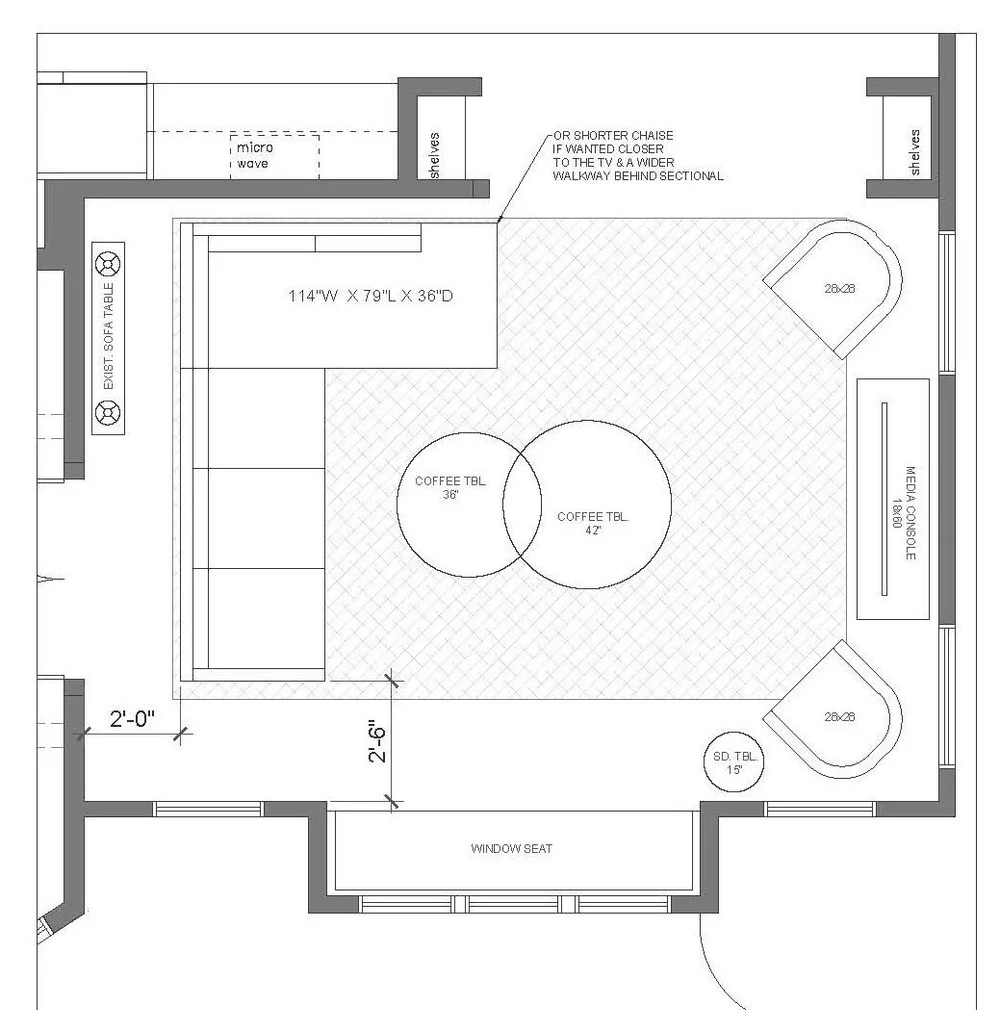
Your living room is more than just a space—it’s where you relax, entertain, and make memories. But have you ever felt unsure about how to arrange your furniture to make the most of your floor plan?
Getting your living room layout right can transform the entire feel of your home, making it cozy, functional, and inviting. You’ll discover simple tips and smart ideas to arrange your living room furniture perfectly, no matter the size or shape of your space.
Keep reading, and you’ll find the secrets to creating a living room that works beautifully for you and everyone who visits.
Choosing The Right Layout
Choosing the right layout for your living room furniture is key to creating a comfortable and functional space. The layout affects how the room feels and works. It helps set the mood and supports daily activities like relaxing, chatting, or watching TV.
Start by understanding the room’s shape and size. This step guides the furniture placement. Next, think about how people will move around the room. Smooth traffic flow avoids bumping into furniture. Finally, identify the room’s focal points. These spots draw attention and influence furniture arrangement.
Assessing Room Shape And Size
Measure the room carefully before choosing furniture. Note the shape: square, rectangular, or irregular. This affects how much furniture fits and where.
Large rooms allow more flexibility. Use bigger pieces or create zones. Small rooms need fewer items and smart choices to avoid crowding.
Consider ceiling height too. Tall ceilings can handle larger furniture or vertical decor. Low ceilings call for lower profiles and open layouts.
Traffic Flow Considerations
Plan clear paths for walking through the room. Avoid blocking entrances or windows.
Leave enough space between furniture pieces. Aim for at least 2 to 3 feet wide walkways.
Arrange seating to encourage conversation without forcing people to move too much.
- Keep pathways straight and easy to follow.
- Do not place furniture in tight corners or narrow spots.
- Use rugs or lighting to guide movement subtly.
Focal Points In The Room
Identify the main feature that draws eyes first. It could be a fireplace, TV, or a large window.
Arrange furniture around this focal point. Make it the center of attention.
Balance the room by placing chairs and sofas facing or angled toward the focal area.
Use accent pieces like artwork or plants to highlight this spot further.
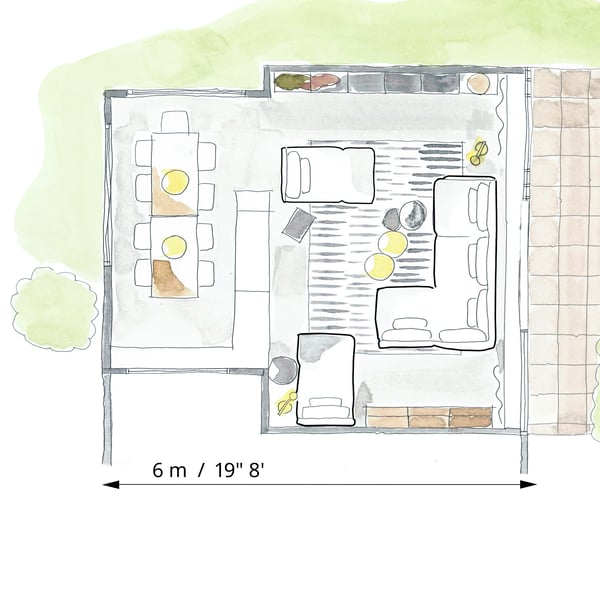
Essential Furniture Pieces
Essential furniture pieces shape the look and feel of a floor plan living room. These items create comfort, style, and function. Choosing the right furniture helps use space well and makes the room inviting.
Each piece serves a role. Sofas and seating offer places to relax. Tables provide surfaces for drinks and décor. Storage keeps the room tidy and organized. Together, these elements balance beauty and utility.
Sofa And Seating Options
The sofa is the room’s centerpiece. Select a size that fits the space without crowding. Sofas come in many styles, from modern to classic. Choose one with comfortable cushions and durable fabric.
Extra seating adds flexibility. Armchairs, loveseats, or ottomans work well. Arrange seating to encourage conversation and easy movement. Consider pieces that can be moved or stored if needed.
Coffee Tables And Side Tables
Coffee tables provide a spot for drinks, books, or décor. Pick a table that suits the sofa height. Materials like wood, glass, or metal offer different looks and durability.
Side tables add convenience beside chairs or sofas. Use them for lamps, remotes, or snacks. Small tables should not block pathways or crowd the space. Balance size with function and style.
Storage Solutions
Storage keeps the living room neat and clutter-free. Use shelves, cabinets, or storage benches. Closed storage hides items, while open shelves show décor.
Choose storage that fits your needs and style. Multi-purpose furniture with built-in storage saves space. Organizing items this way keeps the room pleasant and easy to use.
Arranging Furniture For Comfort
Arranging furniture in the living room shapes how comfortable and functional the space feels. The right setup invites relaxation and easy interaction. Careful placement helps avoid clutter and creates a welcoming atmosphere. Focus on comfort to make your living room a favorite spot for family and guests.
Creating Conversation Areas
Group seating pieces close to encourage talking. Position sofas and chairs facing each other. Use a coffee table to anchor the space and hold drinks or books. Avoid placing furniture too far apart to keep the conversation natural. Add small side tables for extra convenience.
Balancing Space And Function
Leave enough room to walk freely around furniture. Avoid overcrowding by selecting pieces that fit the room size. Mix large and small items to maintain balance. Think about how you use the space, such as watching TV or reading. Choose arrangements that support these activities comfortably.
Maximizing Natural Light
Place seating near windows to enjoy daylight. Use low-profile furniture that does not block light flow. Reflective surfaces like mirrors or light-colored rugs brighten the room. Keep window treatments light to allow sunlight inside. Natural light makes the space feel more open and warm.
Incorporating Style And Personality
Incorporating style and personality into your living room floor plan transforms a simple space into a warm, inviting area. It reflects your tastes and creates a cozy atmosphere. Thoughtful choices in furniture, colors, and decorations make your living room uniquely yours.
Mixing Textures And Colors
Use different textures to add depth and interest. Combine soft fabrics like velvet with rough materials such as wood or metal. Choose colors that complement each other and your room’s theme. Bold colors can create focal points, while neutral tones provide balance.
Adding Decorative Elements
Decorative items bring character and charm to your living room. Consider framed artwork, unique vases, or stylish lamps. Personal items like family photos or souvenirs add a special touch. Keep decorations balanced, so the room feels inviting, not cluttered.
Using Rugs To Define Spaces
Rugs help separate areas in an open floor plan. Use a large rug under the seating area to create a cozy zone. Choose patterns and colors that match your furniture and walls. Rugs also add warmth and comfort to hard floors.
Tips For Small Living Rooms
Small living rooms can feel cramped quickly, but the right furniture choices and layout tricks can transform your space into a cozy, functional area. The key is to maximize every inch without overwhelming the room. Let’s dive into practical tips that make your small living room feel bigger and more inviting.
Multi-functional Furniture
Choose furniture that does more than one job. A sofa bed or ottoman with storage can save space and keep your room tidy. I once swapped a bulky coffee table for a storage ottoman, and it instantly freed up floor space while hiding clutter.
Look for pieces like:
- Fold-out desks that double as side tables
- Nesting tables that tuck away when not in use
- Chairs with built-in shelves or compartments
These smart choices help you avoid overcrowding and keep essentials close at hand.
Open Layout Strategies
Breaking down walls isn’t always an option, but you can create an open feel by rearranging your furniture thoughtfully. Position your seating away from walls to allow better flow and create distinct zones without barriers.
Try to keep pathways clear and avoid blocking windows to let natural light brighten your room. Have you noticed how even a small space feels larger when light spreads freely?
Use rugs or lighting to define areas instead of bulky dividers. This keeps the room airy and easy to navigate.
Decluttering And Minimalism
Less is definitely more in a small living room. Clutter shrinks your space visually and mentally. I found that removing just a few decorative items made the room feel more spacious and calm.
Focus on essentials and store away things you don’t use daily. Consider these tips:
- Use wall-mounted shelves to keep surfaces clear
- Select a few meaningful decorations rather than many small ones
- Regularly assess what you really need in your living area
What items can you live without to make your room breathe easier?
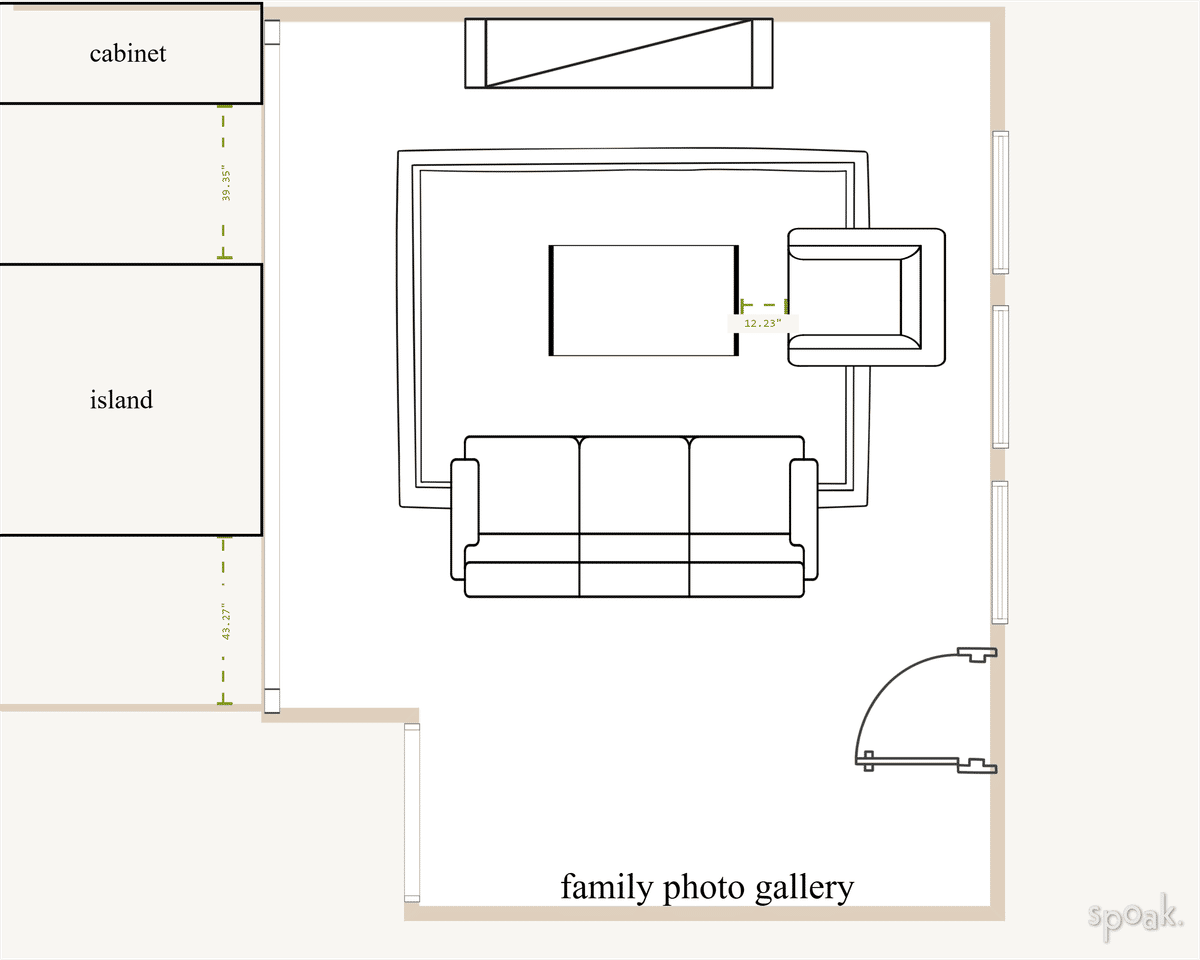
Tech And Entertainment Integration
Tech and entertainment play a huge role in how we use our living rooms today. Integrating these elements seamlessly into your floor plan can boost both comfort and style. The key is to balance functionality with a clean look that fits your lifestyle.
Positioning Tvs And Speakers
Think about where you spend most of your time in the living room. Placing your TV at eye level when seated reduces neck strain and improves viewing comfort. Speakers should be set up to create an immersive sound experience without cluttering your space.
Try placing speakers at ear height and equidistant from your main seating area. If you host movie nights often, consider surround sound systems that blend into your decor. You don’t have to sacrifice aesthetics for quality sound.
Cable Management Ideas
Messy cables can ruin the sleek look of your living room. Use cable raceways, clips, or even wall channels to keep wires hidden and organized. This makes cleaning easier and prevents accidental trips over loose cables.
Think about furniture with built-in cable management options. For example, TV stands or media consoles with holes or compartments designed to route cables discreetly. Keeping cables out of sight also protects your tech gear from damage.
Smart Furniture Choices
Smart furniture can make your living room tech-friendly without adding clutter. Look for coffee tables with built-in charging stations or side tables with USB ports. These small additions keep your devices powered and ready.
Modular sofas with storage compartments allow you to store remotes, headphones, and gaming controllers neatly. Choosing multi-functional pieces saves space and enhances your tech setup’s usability. What smart furniture could simplify your daily routine?
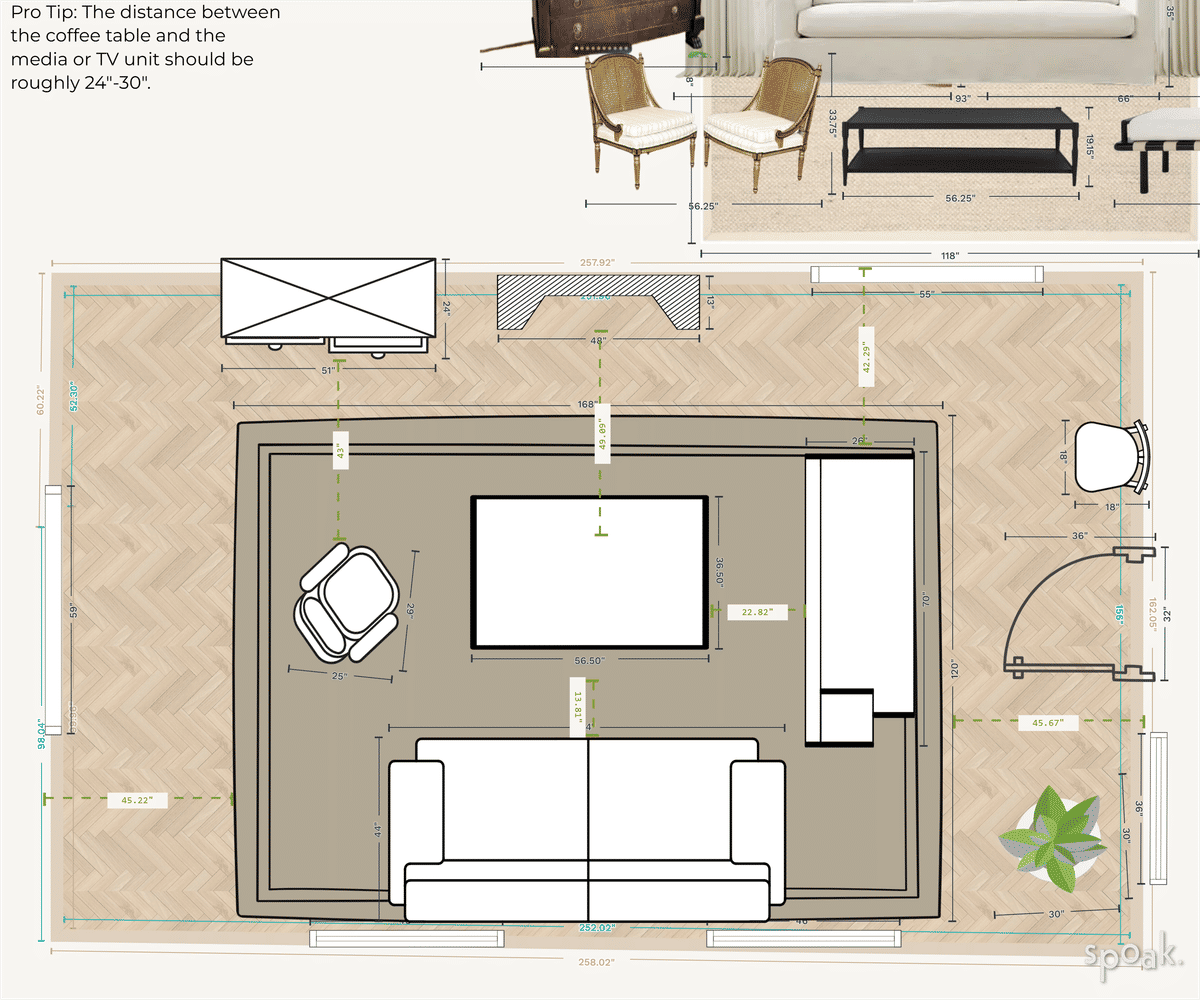
Frequently Asked Questions
What Is A Floor Plan For Living Room Furniture?
A floor plan is a layout showing furniture placement in a living room. It helps optimize space and flow. It ensures furniture fits well and creates a balanced, functional environment. This planning improves comfort and aesthetics in the living area.
How To Choose Furniture For A Living Room Floor Plan?
Select furniture based on room size, style, and function. Measure space accurately before buying. Prioritize essential pieces like sofas and tables. Choose furniture that complements the room’s decor. Ensure enough walking space for comfort and accessibility.
Why Is Furniture Arrangement Important In Floor Plans?
Furniture arrangement impacts room flow, comfort, and usability. Proper placement maximizes space and highlights focal points. It enhances social interaction and movement ease. Poor arrangement can make a room feel cramped or awkward.
How To Create A Living Room Floor Plan Easily?
Use online design tools or graph paper to sketch your room. Measure dimensions and mark doorways and windows. Arrange furniture icons to find the best layout. Experiment with different setups for balance and function.
Conclusion
Choosing the right furniture shapes your living room’s flow and feel. Keep the space open and easy to move around. Pick pieces that fit your floor plan well and match your style. Balance comfort with function to enjoy your room fully.
Small changes can make a big difference in how the room looks. Think about where you want to relax, talk, or entertain guests. A well-planned living room makes your home warm and inviting. Simple steps create a space you love every day.