
Your living room fireplace is more than just a source of warmth—it’s the heart of your space. But how you arrange your furniture around it can make all the difference.
Are you struggling to create a cozy, inviting spot where family and friends naturally gather? You’re not alone. With the right layout, your fireplace can become the focal point that pulls your entire room together. Keep reading to discover simple, smart ways to arrange your furniture so your living room feels comfortable, stylish, and perfectly balanced around your fireplace.
Choosing The Right Fireplace Style
Choosing the right fireplace style shapes the entire living room’s look and feel. It sets the mood and defines the space around it. The style should match the room’s decor and the homeowner’s taste. A well-chosen fireplace becomes a beautiful focal point and adds warmth to the space.
Traditional Vs Modern Designs
Traditional fireplaces offer classic charm with detailed mantels and brick or stone surrounds. They bring a cozy, timeless feel to the room. Modern fireplaces focus on clean lines and minimalism. They often use sleek materials and simple shapes for a contemporary vibe. The choice depends on whether you prefer old-world warmth or fresh, modern style.
Materials That Enhance Warmth
Fireplace materials affect both appearance and heat comfort. Stone and brick create a rustic, natural look and hold heat well. Marble and granite add elegance and reflect warmth softly. Metal fireplaces give an industrial feel and heat up quickly. Wood surrounds bring extra texture and cozy charm. Choose materials that suit your room’s style and heating needs.
Size And Scale Considerations
The fireplace size should match the room’s dimensions and furniture. A large fireplace suits spacious rooms but may overwhelm small spaces. Small fireplaces fit cozy rooms and create intimate warmth. Consider the fireplace height, width, and depth. Proper scale helps balance the room and makes the fireplace a true centerpiece.
Arranging Seating Around The Fireplace
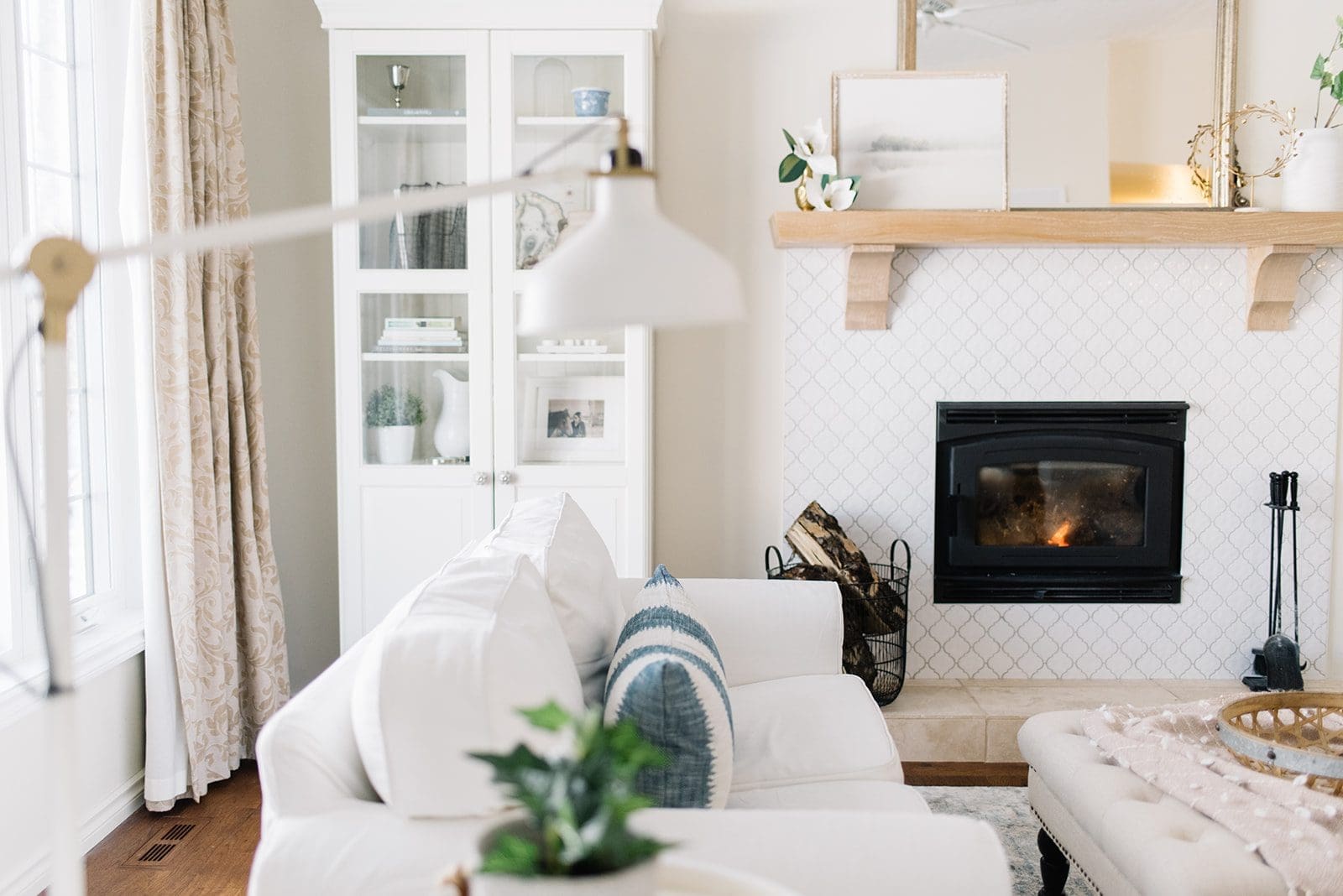
Arranging seating around a fireplace transforms your living room into a warm, inviting space that naturally draws people together. The way you position your chairs and sofas affects both the room’s flow and the comfort of those enjoying the fire. Thoughtful placement ensures your fireplace becomes the heart of memorable gatherings and quiet moments alike.
Creating A Cozy Conversation Area
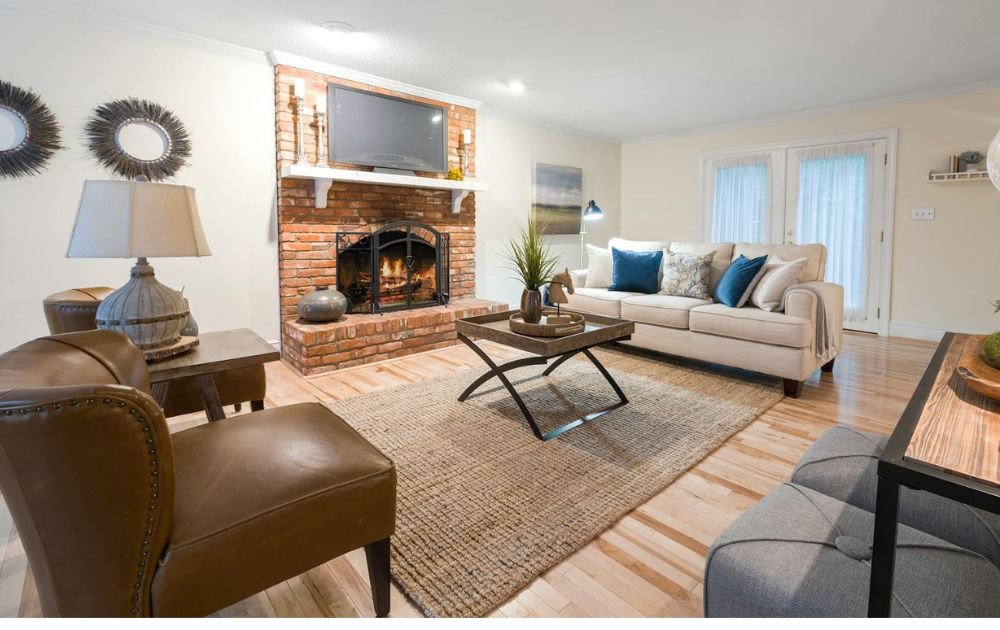
Position your seating to face each other while keeping the fireplace in clear view. This setup encourages easy conversation and lets everyone enjoy the warmth without turning their backs to the fire. Adding a small coffee table or ottoman in the center can anchor the space and provide a spot for drinks or books.
Think about how you use the room. If you often entertain guests, arrange seats in a circle or semi-circle. For more intimate family time, a U-shaped layout around the fireplace works well. Does your current setup invite chatting, or do people tend to drift apart?
Optimal Distance For Comfort And Safety
Keep seating at least three feet away from the fireplace to allow enough space for heat to disperse safely. This distance also prevents accidental contact with hot surfaces, especially important if you have kids or pets. At the same time, avoid placing seats too far back—six to eight feet is ideal for enjoying the fire’s glow without feeling the chill.
Consider the fireplace’s size and heat output when deciding how close to sit. A larger fireplace might allow for a greater distance, while a smaller one benefits from closer seating. How close do you feel comfortable sitting near a fire?
Mixing Chairs And Sofas
Combine different types of seating to add flexibility and style. A sofa provides comfort and anchors the room, while armchairs can be moved easily to adjust the layout for different occasions. Use chairs with lightweight frames or swivel bases to make rearranging effortless.
Try pairing a plush sofa with a couple of smaller chairs angled toward the fireplace. This mix not only breaks up the space visually but offers a range of seating options for guests. Are your seats arranged to invite everyone to relax and share the warmth?
Balancing Function And Flow
Balancing function and flow in a living room with a fireplace requires careful planning. The space should feel cozy and inviting while allowing easy movement. The furniture layout must support socializing, relaxing, and accessing the fireplace without obstacles.
A well-thought arrangement helps create harmony between comfort and practicality. Focus on how people move and interact in the room. This balance makes the living room both useful and beautiful.
Maintaining Clear Pathways
Clear pathways prevent the room from feeling crowded or confusing. Leave enough space between furniture pieces for easy walking. Avoid blocking the natural routes to the fireplace and other exits.
Paths should be at least 2 to 3 feet wide. This width allows smooth flow and safe movement. Arrange sofas and chairs to guide people naturally through the space. Keep floor space near the fireplace open for easy access.
Zoning The Living Room Space
Zoning divides the living room into areas for different activities. Create a seating zone around the fireplace to encourage conversation. Place rugs or furniture groups to define each zone clearly.
Other zones can include a reading nook or a media corner. Use furniture to separate these areas without walls. This method keeps the room organized and functional while highlighting the fireplace.
Incorporating Multi-use Furniture
Multi-use furniture saves space and adds flexibility. Ottomans can serve as seats, tables, or storage units. Choose sofas with built-in storage for blankets and pillows.
Foldable or nesting tables offer extra surfaces when needed. These pieces keep the room clutter-free and adaptable. Multi-use furniture enhances both function and flow in the living room.
Enhancing Ambiance With Lighting
Lighting plays a crucial role in setting the mood around your living room fireplace. It can transform a simple space into a warm, inviting retreat that feels cozy and stylish. Thoughtful lighting choices help you enjoy the fireplace not just visually but emotionally, making your living room the perfect spot to relax or entertain.
Layered Lighting Techniques
Layering your lighting means using different types of lights to create depth and interest. Combine ambient lighting, like ceiling lights or recessed fixtures, with softer sources such as floor lamps or wall sconces. This mix allows you to adjust the brightness based on the time of day or activity, keeping the room comfortable and visually appealing.
Try dimmable lights to control the intensity easily. A well-lit fireplace area with adjustable layers invites you to unwind after a long day or gather with friends for a cozy chat.
Highlighting The Fireplace
Your fireplace should be the star of the room, so draw attention to it with focused lighting. Use directional spotlights or track lighting aimed at the mantel or hearth to showcase textures and details. This creates a visual anchor that naturally pulls the eye toward the fireplace.
Have you ever noticed how a well-lit fireplace feels more inviting? Strategic lighting not only makes the space brighter but also emphasizes the warmth and charm your fireplace adds to the room.
Using Accent And Task Lighting
Accent lights add character and help highlight artwork, plants, or decorative elements near your fireplace. Small table lamps or LED strips work well for this purpose. Task lighting, like adjustable reading lamps beside your favorite chair, ensures you can enjoy activities without straining your eyes.
Think about your daily routines in the living room. Where do you need extra light for reading, knitting, or simply relaxing? Adding task lighting near the fireplace can enhance functionality without compromising the cozy atmosphere.
Adding Decorative Elements
Adding decorative elements around your living room fireplace can transform the entire space. These touches bring warmth and personality, making the area inviting and stylish. Think about how each piece can work together to highlight your fireplace without overpowering it.
Choosing Complementary Rugs And Curtains
Select rugs and curtains that match the color and style of your furniture and fireplace. A rug with subtle patterns can ground the seating area, while curtains in soft tones add coziness without stealing focus. You might want to try layering textures—like a plush rug paired with linen curtains—to create depth and interest.
Ask yourself: Does your rug draw attention to the fireplace or distract from it? Think about the size too; a rug should fit comfortably under your furniture without crowding the room. Curtains that reach the floor can add elegance and make the ceiling appear higher, enhancing the fireplace’s presence.
Incorporating Art And Mirrors
Art and mirrors above or near the fireplace serve as natural focal points. Choose art that reflects your taste but also complements the room’s color scheme. Mirrors can amplify light and make the space feel larger, especially if your living room lacks natural light.
Consider the scale of your artwork or mirror to keep balance. A large mirror can create a striking statement, but smaller pieces arranged thoughtfully can add charm and character. Have you tried leaning a framed mirror on the mantel instead of hanging it? This simple change can offer a fresh vibe.
Seasonal And Personal Touches
Switching decorative items seasonally keeps your fireplace area feeling fresh and relevant. Swap out cushions, throws, or small accessories to match the mood of the season. Adding personal items like family photos, travel souvenirs, or handmade crafts makes the space uniquely yours.
Don’t hesitate to mix old and new elements. A vintage clock or candle holders alongside modern decor can spark conversation and showcase your story. What small change can you make today that will brighten your fireplace corner tomorrow?
Maximizing Storage And Functionality
Maximizing storage and functionality in a living room with a fireplace helps keep the space tidy and inviting. Smart furniture choices and clever design make the room both beautiful and useful. This balance creates a warm spot for relaxing and storing essentials without clutter.
Built-in Shelves Near The Fireplace
Built-in shelves next to the fireplace offer a stylish storage option. They provide space for books, decor, and firewood. Shelves keep items organized and easy to reach. Choose materials that match the room’s style for a seamless look. Adding lighting to shelves highlights your favorite pieces and adds warmth.
Using Ottomans And Coffee Tables
Ottomans and coffee tables with storage add extra function without taking up space. These pieces hide blankets, magazines, or toys inside. Choose ottomans with lids that lift or coffee tables with drawers. They serve as seating, tables, and storage all in one. This multi-use furniture keeps the room clutter-free and comfortable.
Smart Storage Solutions
Smart storage solutions blend form and function. Use baskets and bins under tables or in corners to hold smaller items. Wall-mounted hooks or racks near the fireplace keep tools or accessories handy. Modular furniture adapts to your needs and offers flexible storage options. These ideas help maintain a clean, open living room that feels spacious and cozy.
Adapting Layouts For Different Room Sizes
Adapting your living room furniture layout around a fireplace requires thoughtful adjustments based on the size of your space. Whether your room is cozy or expansive, the way you position your seating and other furniture can enhance comfort and highlight the fireplace as a focal point. Here’s how you can tailor your layout to different room sizes without sacrificing style or function.
Small Living Room Strategies
In small living rooms, every inch counts. Place seating close to the fireplace to create an intimate, cozy atmosphere. Opt for slim-profile sofas or chairs to avoid overcrowding and keep traffic flow smooth.
Consider using mirrors or light colors near the fireplace wall to open up the space visually. Floating shelves or wall-mounted storage near the fireplace can keep the floor clear, making the room feel larger.
Have you tried angling a loveseat or chairs toward the fireplace instead of lining them up against the walls? This subtle shift can make the room feel more inviting without adding bulk.
Large Open Space Arrangements
In larger rooms, the challenge is to make the fireplace feel like the heart of the space without leaving seating too spread out. Use area rugs to define a seating zone centered on the fireplace, bringing elements together visually.
Create multiple conversation areas if the room allows, but ensure at least one grouping faces the fireplace. Balance large furniture pieces with smaller accents to maintain harmony and avoid overwhelming the room.
Have you experimented with symmetrical layouts, like pairing two sofas facing each other with the fireplace as a backdrop? This can establish a strong focal point and encourage social interaction.
Flexible Furniture Options
Choosing furniture that can move or serve multiple purposes adds versatility to any living room. Ottomans and stools can act as extra seating or footrests near the fireplace, then be moved aside when needed.
Sectionals with modular pieces allow you to reshape your seating to suit different occasions or room configurations. Lightweight chairs are easy to reposition to enjoy the fireplace from different angles.
Think about your lifestyle—do you entertain often or prefer quiet nights by the fire? Flexible furniture lets you adapt your layout quickly to match your needs without a full redesign.

Frequently Asked Questions
How To Arrange Furniture Around A Living Room Fireplace?
Place seating facing the fireplace to create a cozy focal point. Keep pathways clear and balance the room with side chairs or sofas. Use a rug to anchor the layout and add small tables for convenience near seating.
What Is The Best Furniture Placement For Fireplace Focus?
Position the main seating, like a sofa, directly opposite the fireplace. Arrange additional chairs at angles to encourage conversation. Avoid blocking the fireplace with bulky furniture to maintain visual flow and warmth.
How Can I Make A Small Living Room Fireplace Functional?
Use compact furniture like loveseats and ottomans to save space. Choose multi-functional pieces such as storage benches. Keep the layout open to enhance movement and highlight the fireplace as the room’s centerpiece.
Should Furniture Touch The Fireplace Hearth?
Avoid placing furniture directly on or too close to the hearth for safety. Maintain at least 12 inches between the hearth and furniture to prevent heat damage. This also helps in keeping the area accessible and comfortable.
Conclusion
A fireplace can be the heart of any living room. Arrange furniture to create a warm, inviting space. Keep pathways clear and seating comfortable. Balance the room with rugs and lighting. Use the fireplace as a focal point. This helps bring people together naturally.
Simple steps make the room cozy and stylish. Enjoy your living room’s comfort and charm every day.