

Imagine stepping into your living room and feeling an instant sense of freedom and flow. An open concept living room offers just that—a space where comfort meets style without barriers.
But how do you arrange your furniture to make the most of this open space? You want a layout that feels inviting, maximizes every inch, and reflects your personality. You’ll discover simple yet powerful tips to create a furniture layout that transforms your open living room into a cozy, functional haven.
Ready to unlock the full potential of your space? Let’s dive in.
Benefits Of Open Concept Living Rooms
Open concept living rooms create a spacious and inviting environment. They combine different areas like the living room, dining room, and kitchen into one open space. This layout offers many benefits that improve both daily life and home design.
Enhanced Natural Light
Open spaces allow sunlight to flow freely. This brightens the entire area, making it feel warm and cheerful. Rooms with good lighting look larger and more welcoming.
Better Social Interaction
Open layouts promote easy communication. Family members and guests can talk without barriers. This creates a friendly and connected atmosphere during gatherings.
Flexible Furniture Arrangement
Without walls, furniture placement becomes more flexible. You can easily change your setup to fit needs or moods. This adaptability keeps the space fresh and functional.
Improved Traffic Flow
Open concept rooms allow smooth movement. There are no narrow hallways or doors to block paths. This makes the space feel less crowded and more comfortable.
Increased Home Value
Many buyers prefer open layouts for modern living. These designs make homes more attractive and marketable. An open concept living room can raise your property’s appeal.

Choosing The Right Furniture
Choosing the right furniture shapes the feel and function of an open concept living room. It creates zones without walls and keeps the space inviting. The right pieces must fit the room’s flow and lifestyle. Comfort and style balance with practicality and size. Here are key points to consider.
Multi-functional Pieces
Furniture that serves more than one purpose maximizes space. Sofas with storage help hide blankets and pillows. Ottomans can act as seats or tables. Folding chairs offer extra seating without clutter. These pieces keep the room tidy and flexible.
Size And Scale Considerations
Choose furniture that fits the room size. Large sofas can overwhelm small spaces. Small pieces might feel lost in big rooms. Measure the area before buying. Keep pathways clear for easy movement. Arrange pieces to create natural conversation spots.
Material And Style Choices
Select materials that match daily use and style. Durable fabrics work well for families with kids. Leather or faux leather cleans easily and looks sleek. Wood adds warmth and texture. Pick colors and patterns that blend with your home’s theme.
Creating Zones Within The Space
Creating zones within an open concept living room helps organize the space clearly. It makes the room functional and inviting. Each area serves a distinct purpose while still blending smoothly with others. Thoughtful furniture placement and design choices define these zones without walls or barriers.
Seating Areas
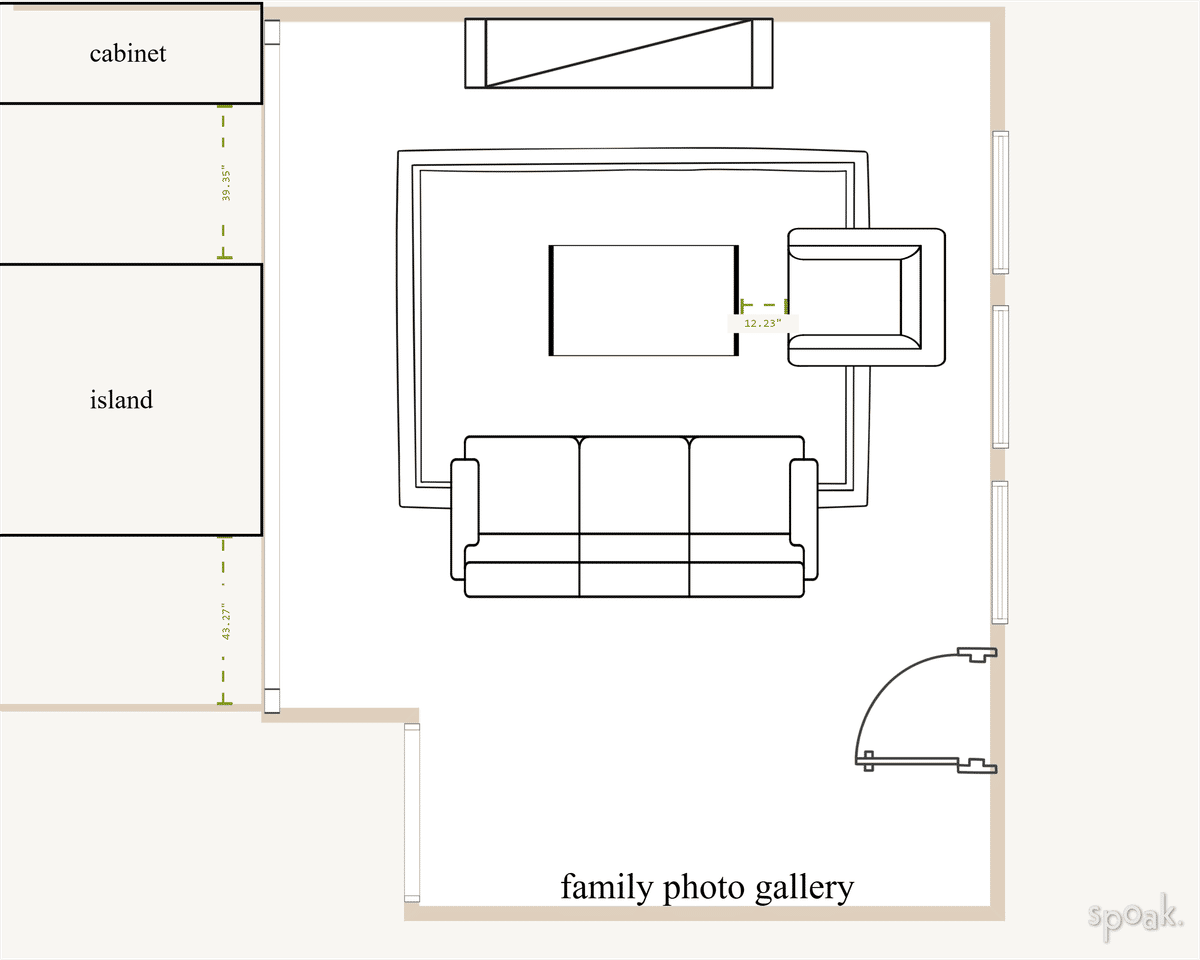
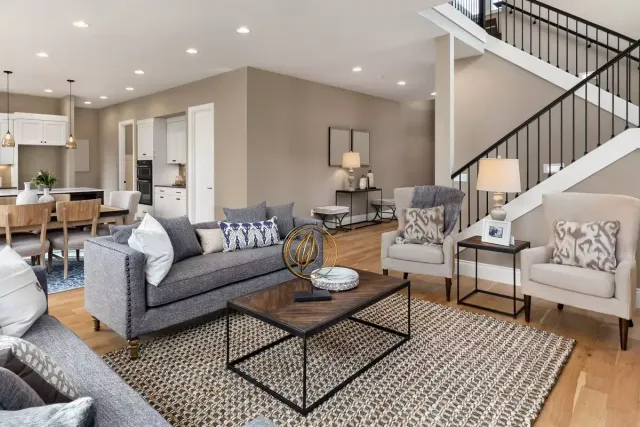
Arrange sofas and chairs to form a cozy conversation spot. Use rugs to mark the seating zone visually. Place a coffee table in the center for convenience. Position furniture so people can face each other comfortably. Add side tables and lamps for extra function and style.
Dining And Entertainment Zones
Separate the dining area with a distinct table and chairs set. Choose lighting that highlights the dining zone, such as pendant lamps. For entertainment, include media consoles or shelves nearby. Position seating to allow clear views of screens or speakers. Use rugs or different flooring to signal the dining space.
Work And Relaxation Spots
Designate a quiet corner for work with a desk and chair. Keep this area clutter-free to boost focus and productivity. For relaxation, add a lounge chair or small sofa. Include soft lighting and cozy throws to invite rest. Position these spots away from noisy zones for calmness.
Furniture Arrangement Tips
Arranging furniture in an open concept living room can feel like solving a puzzle. You want the space to feel connected but also have distinct zones for different activities. Thoughtful furniture placement can help you create a balance between openness and coziness, making your living area both functional and inviting.
Using Rugs To Define Areas
Rugs are a simple yet powerful tool to visually separate spaces without building walls. A well-chosen rug anchors your seating area and signals where one space ends and another begins.
Try selecting rugs that differ in texture or color to create contrast between zones. For instance, a plush rug under your sofa and coffee table can mark your lounge area, while a flatweave rug can define a dining spot nearby.
Have you noticed how rugs can also add warmth and soften hard floors? They invite people to gather and linger, making your open space feel more intentional and layered.
Floating Furniture Layouts
Instead of pushing all furniture against walls, try floating pieces in the room’s center to encourage conversation and flow. This arrangement creates a natural focal point and allows you to use every inch of your open space.
Arrange sofas and chairs around a central coffee table or fireplace, leaving enough space for movement. It’s surprising how much bigger and more inviting your room feels when furniture isn’t crowded against walls.
Think about your own living room—does it feel more welcoming when seating faces each other? Floating furniture helps you create that intimate vibe, even in a large open plan.
Optimizing Traffic Flow
Clear pathways are essential in open concept layouts to prevent the room from feeling cluttered or chaotic. Aim for at least 30 inches of walking space between furniture pieces to keep traffic smooth and comfortable.
Plan routes that connect entry points with major areas like the kitchen, dining, and sitting zones without obstacles. This thoughtful flow reduces frustration and keeps your space feeling spacious and accessible.
Ask yourself where people naturally walk through your room. Can you rearrange furniture to open those paths? Small tweaks can make a big difference in how your space functions daily.
Maximizing Storage Solutions
Maximizing storage solutions in an open concept living room is essential. It keeps the space tidy and enhances its style. Smart storage ideas help organize belongings without crowding the room. Efficient storage makes the area feel larger and more welcoming.
Built-in Storage Options
Built-in storage blends seamlessly into the room’s design. It uses wall space effectively and reduces clutter. Custom cabinets and shelves fit perfectly in corners or under windows. These options save floor space and provide ample room for books, decor, and electronics.
Hidden Storage Furniture
Hidden storage furniture offers extra space without extra bulk. Sofas with storage compartments or ottomans with lids are great choices. Coffee tables with drawers keep remotes and magazines out of sight. This furniture style maintains a clean and open look.
Open Shelving Ideas
Open shelves display items while providing storage. Use floating shelves to keep floors clear and rooms airy. Arrange books, plants, and small decorations neatly to avoid messiness. Open shelving adds personality and easy access to everyday items.
Lighting To Enhance Space
Lighting plays a crucial role in shaping the feel and function of an open concept living room. It can define areas, add depth, and make your space feel larger or cozier depending on how you use it. Are you ready to rethink your lighting to truly enhance your open living area?
Layered Lighting Techniques
Layered lighting combines different types of light sources to create a balanced and dynamic environment. Start with ambient lighting to provide overall illumination, such as ceiling fixtures or recessed lights. Then add task lighting where you need it, like a reading lamp near your sofa.
Finish with accent lighting to highlight artwork or architectural features. This mix helps avoid flat, one-dimensional spaces and gives you control over the mood and functionality of your room.
Natural Light Utilization
Maximizing natural light can instantly open up your living room. Use sheer curtains or blinds that let sunlight filter through without glare. Position furniture to face windows, which invites light deep into your space.
Reflective surfaces like mirrors or glass tables bounce natural light around, making the room feel brighter. Have you noticed how a well-lit space impacts your energy and mood?
Accent And Task Lighting
Accent lighting draws attention to focal points, adding character and depth. Think about placing spotlights on a bookshelf or under-cabinet lights to brighten display areas. Task lighting is all about function—desk lamps, floor lamps, or pendant lights over a reading nook help you see clearly where it matters most.
Choosing adjustable fixtures lets you change light direction and intensity, adapting your room to different activities and times of day. What areas in your living room could benefit from focused lighting right now?
Color And Decor Strategies
Choosing the right colors and decor can transform your open concept living room into a harmonious and inviting space. The challenge lies in creating balance without cluttering the area, ensuring each element flows naturally into the next. Let’s look at some effective strategies that will help you enhance your space with thoughtful color choices and decor.
Using Light Colors
Light colors work wonders in open concept living rooms. They make your space feel larger and airier, which is essential when multiple zones blend together.
Think soft whites, pale grays, or gentle pastels for walls and large furniture pieces. These shades reflect more light, brightening the room naturally.
If you’re hesitant about going too light, try adding colorful accents through pillows or rugs to keep the space lively without overwhelming it.
Incorporating Mirrors
Mirrors do more than just reflect your image—they bounce light and create the illusion of depth. In an open layout, this can visually expand your living area.
Place a large mirror opposite a window to double the natural light or use a series of smaller mirrors as wall art to add interest.
Have you noticed how a well-placed mirror can make a room feel twice its size? Experiment with different shapes and frames to match your style while enhancing the space.
Minimalist Decor Approach
Less is definitely more when decorating an open concept living room. Too many items can clutter the sightlines and break the room’s flow.
Focus on a few statement pieces rather than crowding every corner. Choose furniture and decor with clean lines and simple shapes to maintain a cohesive look.
Ask yourself if each item adds value or just takes up space. This mindset keeps your living room serene and functional, making it easier to relax and entertain.
Frequently Asked Questions
What Is The Best Furniture Layout For Open Concept Living Rooms?
The best layout uses zones to define spaces without walls. Arrange furniture to promote flow and conversation. Use rugs and lighting to separate areas visually. Keep pathways clear and balanced for a cohesive look.
How Do I Create Zones In An Open Concept Living Room?
Create zones by grouping furniture around specific functions. Use area rugs to anchor each zone. Position sofas and chairs to define seating areas. Add shelves or low partitions for subtle separation without blocking light.
What Furniture Pieces Work Well In Open Concept Layouts?
Choose versatile, multi-functional furniture like sectionals and ottomans. Lightweight chairs and slim tables maintain openness. Avoid bulky pieces that overwhelm the space. Opt for items that complement flow and encourage interaction.
How Can I Maintain Flow In Open Concept Living Rooms?
Keep pathways clear between furniture groups. Use consistent color schemes and materials throughout. Arrange pieces to face each other for easy conversation. Avoid overcrowding to preserve spaciousness and natural light.
Conclusion
Open concept living rooms create space and flow in your home. Choose furniture that fits well and feels cozy. Arrange pieces to invite conversation and comfort. Use rugs or lighting to define different areas. Keep pathways clear for easy movement.
Balance style with function for daily living. This layout brings family and friends together naturally. Enjoy your open space with thoughtful furniture choices.