
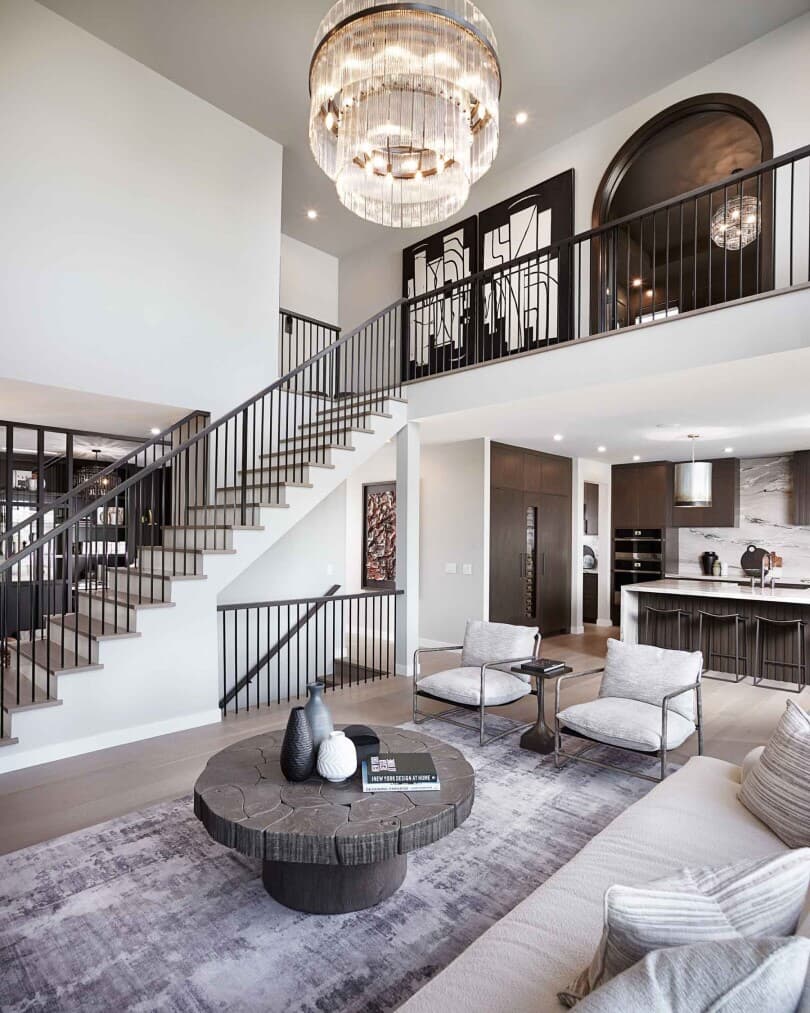
Are you struggling to find the perfect furniture layout for your living room open floor plan? You’re not alone.
Getting the balance right between comfort, style, and space can feel overwhelming. But imagine a setup where every piece flows effortlessly, making your room feel bigger and more inviting. You’ll discover simple yet powerful layout ideas that transform your open living space into a cozy, functional haven.
Keep reading to unlock tips that will help you create a layout you’ll love coming home to.
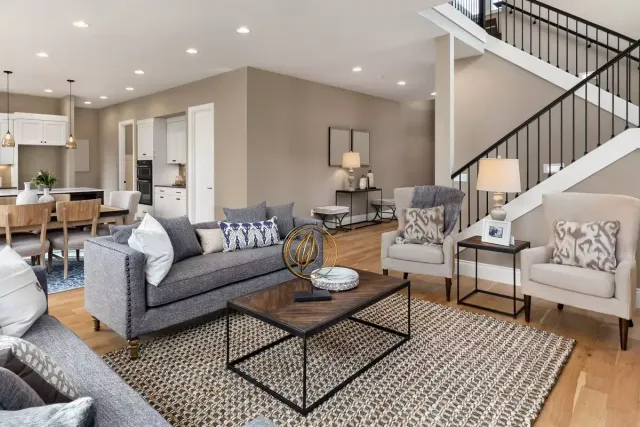
Maximize Space With Open Floor Plans
Open floor plans create a spacious and airy feeling in your living room. They remove walls, making the area look larger and brighter. This layout needs smart furniture choices to keep it functional and cozy. Using the right layout helps keep the space neat and inviting.
Choosing The Right Furniture Scale
Pick furniture that fits the room size. Large pieces can crowd the space and block movement. Small furniture may feel lost in a big room. Aim for medium-sized items that balance the room’s openness. Use sofas and chairs with slim arms to save space. Avoid bulky designs that make the area feel tight.
Creating Zones Without Walls
Divide the open space into zones for different activities. Use rugs to mark areas for sitting, eating, or working. Arrange furniture in clusters to create natural boundaries. Low shelves or plants can separate zones without blocking views. This way, each area feels distinct but still part of the whole room.
Balancing Flow And Function
Keep pathways clear for easy movement through the room. Place furniture to allow walking space around seating and tables. Avoid blocking windows or doors with large pieces. Think about how people will use the space daily. Make sure each zone serves its purpose without crowding others.
Seating Arrangements For Conversation
Creating a seating arrangement that invites conversation makes your living room warm and welcoming. It encourages guests and family to relax and chat comfortably. The layout should allow easy eye contact and natural flow of talk. Choosing the right furniture and positioning it well helps build this space.
Sectionals Vs. Sofas And Chairs
Sectionals offer a continuous seating area that fits corners well. They create a cozy spot where everyone feels included. Sofas and chairs provide more flexibility. You can move them around to suit different occasions. Chairs add personal space and let guests choose their spot.
Consider the size of your room. Sectionals suit bigger spaces. Sofas and chairs work well in smaller or oddly shaped rooms. Mixing both can balance style and function.
Incorporating Multi-functional Pieces
Furniture with more than one use saves space and adds value. Ottomans can serve as seats and coffee tables. Storage benches keep clutter hidden while providing extra seating. Look for pieces that fit your lifestyle and space needs.
Multi-functional furniture keeps the room tidy. It also makes the seating area more inviting and practical.
Using Rugs To Define Areas
Rugs anchor your seating arrangement visually. They create a clear zone for conversation. Choose a rug that fits all furniture legs or at least the front ones. This connects the pieces and makes the space feel unified.
Colors and patterns on rugs add warmth and character. Rugs also help soften sound, making talks more pleasant.
Dining And Living Area Integration
Integrating dining and living areas in an open floor plan creates a spacious and inviting atmosphere. This design encourages socializing and allows natural light to flow freely. Proper furniture layout helps define each zone without blocking movement or visual connection.
Careful planning balances comfort and function. The right choices make both areas feel connected yet distinct. This approach enhances usability and style in shared spaces.
Selecting Cohesive Styles
Choose furniture that shares similar colors and materials. This creates a unified look across both areas. Matching wood tones or metal finishes bring harmony.
Use complementary styles to blend the spaces smoothly. For example, pair a modern dining table with sleek living room chairs. Avoid clashing designs that break the visual flow.
Positioning For Easy Movement
Arrange furniture to allow clear pathways between zones. Leave at least 3 feet of space for walking.
- Place the dining table near the kitchen or living room for convenience.
- Use rugs or lighting to separate areas without walls.
- Orient sofas and chairs to face each other, encouraging conversation.
Open layouts need balance between openness and defined spaces. Avoid overcrowding by selecting appropriately sized furniture.
Lighting Tips For Shared Spaces
Layer lighting to serve both dining and living areas.
- Use pendant lights above the dining table for focused illumination.
- Add floor lamps or wall sconces in the living area for softer light.
- Consider dimmers to adjust brightness based on activity.
Consistent lighting style helps unify the open space. Light color and fixture design should complement the overall decor.
Storage Solutions That Blend In
Storage solutions that blend into your living room open floor plan are essential for keeping the space functional without disrupting its airy, spacious feel. You want your storage to work quietly in the background, supporting your daily life without drawing attention away from the room’s flow and design. The right choices can help you maintain a clean look while giving you plenty of room to organize.
Built-in Shelving Ideas
Built-in shelving creates seamless storage that feels like part of the architecture. Consider installing shelves around windows or along a wall to maximize vertical space without crowding the room. You can paint the shelves the same color as the walls to make them less noticeable.
Adding doors or sliding panels to your built-in units hides clutter and keeps the space tidy. I once added built-ins around my TV area, and it instantly gave the room a polished look while providing plenty of hidden storage for games, books, and electronics.
Using Furniture With Hidden Storage
Choose sofas, ottomans, and coffee tables with hidden compartments to store blankets, magazines, or toys. Furniture with dual purposes helps you avoid extra pieces that can crowd your open floor plan.
For example, a storage ottoman can act as a seat, a footrest, and a place to stash items you want out of sight. When you’re picking furniture, ask yourself: does this piece help me store things without adding clutter?
Maintaining A Clutter-free Look
Even the best storage solutions won’t help if you don’t keep clutter in check. Regularly clear out items you no longer need or use to prevent your space from feeling overwhelmed.
Use baskets and boxes inside your storage units to group smaller items together. Labeling these containers helps you find things quickly and keeps your living room looking orderly. Have you ever noticed how much calmer a room feels when everything has a designated spot?
Color And Texture For Visual Separation
Using color and texture to create visual separation in an open floor plan can transform your living room without building walls. It helps define different zones while keeping the space airy and connected. Careful choices here can make your layout feel intentional and inviting.
Using Contrasting Materials
Mixing different materials is a simple way to distinguish areas. Try pairing a sleek leather sofa with a soft, woven rug underneath to anchor the seating zone. Wood flooring next to a tile or concrete section can mark the transition between living and dining spaces.
Think about how the textures interact. Smooth surfaces reflect light differently than rough ones, adding depth. Have you noticed how a glass coffee table stands out more against a fabric couch? That contrast draws your eye and subtly separates the zones.
Accent Walls And Decorative Elements
An accent wall can serve as a bold visual divider. Paint one wall in a deeper color or use wallpaper with a distinctive pattern behind your main seating area. This creates a backdrop that signals a specific space without interrupting the open feel.
Decorative elements like large art pieces or shelving units can also help. They act like visual anchors. Consider placing a tall bookshelf between the living area and dining room—it adds function and defines boundaries at the same time.
Coordinating Fabrics And Finishes
Choosing fabrics and finishes that complement but don’t match exactly keeps the space cohesive yet distinct. Mix velvet cushions with linen curtains to add layers of texture. Metallic finishes on lamps paired with matte wood tables also create subtle differentiation.
Try limiting your palette to two or three main colors, then vary the tones and textures within that range. This approach guides the eye naturally from one area to another without confusion. What combinations of fabric and finish have you found bring both comfort and style to your living room?
:max_bytes(150000):strip_icc()/CarinaSkrobeckiPhoto_JessicaNelsonDesign_252222ndAve_01-47bc103d13e34f8d89179a86e968e7eb-5b0a8608f5c64a999203309e3fd0af57.jpg)
Incorporating Technology Seamlessly
Technology is part of our daily lives, so your living room should reflect that without looking cluttered or chaotic. Blending gadgets and smart devices with your furniture can make your space feel modern and comfortable. The goal is to keep everything functional while maintaining a clean, inviting look.
Smart Furniture Choices
Choose furniture that doubles as tech-friendly storage. Sofas with built-in USB ports or coffee tables with hidden compartments help keep devices charged and out of sight. Modular pieces allow you to rearrange your space easily, adapting to your tech needs without extra clutter.
Think about furniture that supports wireless charging or has cable channels built inside. These small features make a big difference in keeping your room tidy and your devices ready to use. Have you considered seating that hides your speakers or smart assistants?
Cable Management Tips
Messy cables can ruin even the best-designed open floor plan. Use cable covers or raceways along walls and under rugs to keep wires hidden but accessible. Velcro straps and cable clips work well for bundling cords behind your entertainment area or furniture.
Labeling cables can save time when unplugging or troubleshooting devices. If you use a power strip, mount it on the back of a desk or inside a cabinet to reduce visible clutter. How much easier would your space feel if all those tangled wires disappeared?
Entertainment Area Setup
Position your TV and sound system for easy viewing and listening without overcrowding the room. Floating shelves or wall mounts free up floor space and create a sleek look. Keep remotes and gaming controllers in designated trays or drawers to avoid losing them.
Consider smart lighting that adjusts based on the activity, like dimming during movie nights. Arrange seating so everyone has a clear view of the screen and can interact with the tech comfortably. What if your entertainment area could be both a tech hub and a cozy gathering spot?
Personalizing Your Open Floor Plan
Personalizing your open floor plan is the key to making a spacious, flowing area feel like home. The challenge is to add character without cluttering the openness that defines this layout. Thoughtful touches let you express your style and create a space that welcomes both family and guests.
Adding Art And Accessories
Art gives your open floor plan an instant personality boost. Choose pieces that speak to you—whether bold paintings, black-and-white photos, or unique sculptures. Don’t hesitate to mix sizes and styles; a large statement piece can anchor the room, while smaller items add detail and interest.
Accessories like throw pillows, rugs, and decorative trays help tie different zones together. Pick colors and textures that complement your furniture, creating harmony across the space. A simple vase or a collection of books can turn a plain coffee table into a conversation starter.
Plants For Softening Spaces
Plants are an easy way to soften the sharp lines of an open floor plan. They bring nature inside, improving air quality and adding a sense of calm. Place tall plants near corners or next to furniture to break up large areas and add depth.
Smaller plants on shelves or side tables add pops of green without taking up much room. Think beyond the typical pot—try hanging planters or terrariums for a fresh look. How might a touch of greenery change the vibe of your living area?
Creating Cozy Corners
Even in a large, open space, everyone needs a spot to unwind. Creating cozy corners helps balance openness with comfort. Use a plush armchair paired with a floor lamp and a small side table to carve out a reading nook.
Layering rugs or adding a soft throw can make these corners inviting and warm. Consider how you can use furniture arrangement to form intimate zones without blocking the flow of the room. What corner in your space could become your favorite retreat?
Frequently Asked Questions
What Is The Best Furniture Layout For Open Floor Plans?
The best layout separates spaces using rugs and furniture placement. Arrange sofas to create conversation zones and use multi-functional pieces. Keep pathways clear to maintain flow. Balance furniture size with room scale for comfort and style.
How To Create Zones In An Open Floor Plan Living Room?
Use rugs, lighting, and furniture placement to define zones. Position sofas and chairs to form conversation areas. Add bookcases or screens as subtle dividers. This method keeps the space organized and visually appealing.
Which Furniture Pieces Suit Open Floor Living Rooms?
Choose versatile, scaled-down furniture like sectionals, ottomans, and nesting tables. Opt for pieces with clean lines to avoid clutter. Incorporate storage solutions to keep the space tidy. This enhances functionality and complements the open layout.
How To Maintain Flow In An Open Floor Plan?
Keep pathways wide and unobstructed. Arrange furniture to guide movement naturally. Use consistent color schemes and materials to unify spaces. Avoid overcrowding to maintain openness and comfort throughout the living area.
Conclusion
Open floor plans make living rooms feel big and bright. Choosing the right furniture helps separate spaces without walls. Use rugs, sofas, and tables to create cozy zones. Keep pathways clear for easy movement and comfort. Mix styles and colors to match your personality.
Small touches like plants or lamps add warmth. Try these ideas to make your space inviting and practical. Enjoy a living room that fits your lifestyle perfectly. Simple changes bring big improvements to open floor plans.