
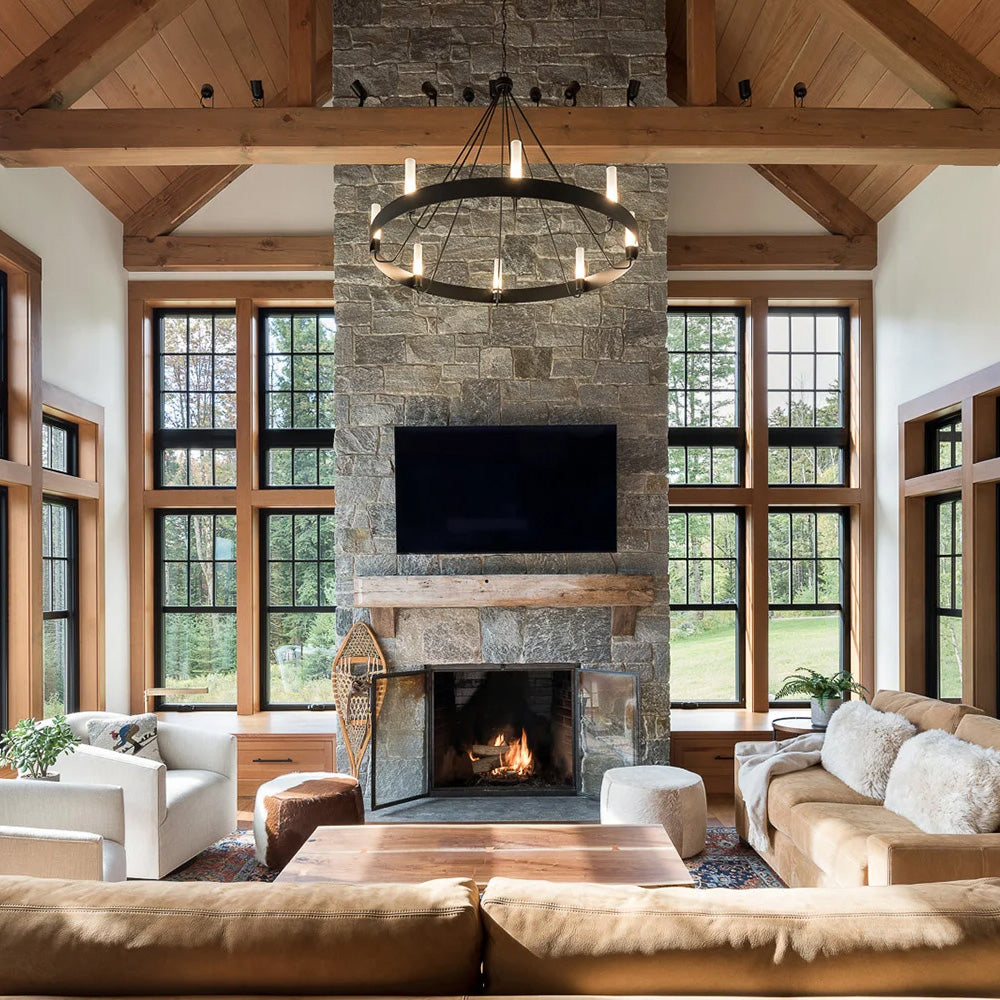
Are you ready to transform your living room into a cozy, inviting space that feels both timeless and warm? Rustic living room furniture can bring a natural charm and comfort that makes your home truly special.
Imagine sinking into a sturdy wooden sofa, surrounded by earthy tones and textures that invite you to relax and unwind. You’ll discover simple yet stunning ideas to create a rustic vibe that fits your style perfectly. Keep reading, and you’ll find inspiration to make your living room the heart of your home.
Choosing Rustic Materials
Choosing the right materials shapes the heart of your rustic living room. The textures, colors, and durability of these elements define the cozy, grounded vibe you want to create. Selecting authentic, quality materials ensures your space feels warm and inviting while standing the test of time.
Wood Types For Rustic Furniture
Wood is the backbone of rustic furniture. Look for woods with natural knots and grain patterns like oak, pine, cedar, or reclaimed barn wood. These woods offer character and an organic feel that makes each piece unique.
Oak, for instance, is strong and ages beautifully, developing a rich patina over time. Pine is softer but easier to shape and often has a lighter color, perfect if you want a brighter look. Reclaimed wood adds a story to your furniture and reduces waste—have you ever thought about the history your furniture might carry?
Incorporating Metal Accents
Metal accents add an industrial edge to rustic furniture without losing warmth. Iron, bronze, and aged copper bring strength and contrast to wood pieces. Look for metal hardware like handles, hinges, or decorative brackets to enhance the rustic appeal.
Try mixing rough-hewn wooden tables with wrought iron legs or adding metal lanterns as accent pieces. These touches create balance and make the rustic style feel intentional rather than outdated. How could subtle metal details change the look and feel of your current furniture?
Natural Fabrics And Textures
Soft textiles are crucial to soften the ruggedness of wood and metal. Choose fabrics like linen, burlap, wool, or cotton with natural weaves. These materials add comfort and visual interest without overpowering the rustic aesthetic.
Adding a wool throw or burlap cushions can invite relaxation and warmth. Don’t shy away from mixing textures—smooth linen paired with coarse burlap creates a layered, lived-in feel. What kind of fabrics make you feel most at home in your living room?
Key Furniture Pieces
Key furniture pieces shape the rustic charm of a living room. They bring warmth, texture, and a cozy feel. Each piece blends wood, fabric, and natural finishes to create a welcoming space. Choosing the right furniture sets the tone for rustic style and comfort.
Rustic Sofas And Armchairs
Rustic sofas often feature sturdy wooden frames and natural fabrics. Linen or cotton upholstery in neutral tones works well. Armchairs with distressed leather or woven textures add character. Look for deep seats and plush cushions for comfort. These pieces invite relaxation and long conversations.
Coffee Tables And Side Tables
Wooden coffee tables with a rough-hewn look fit perfectly. Live-edge slabs or reclaimed wood add authenticity. Side tables with metal accents or simple designs complement rustic sofas. Consider tables with storage or shelves for practical use. These tables anchor the room and provide space for decor or drinks.
Storage Solutions With Character
Rustic storage combines function with vintage appeal. Wooden chests, trunks, and cabinets with visible grain enhance the look. Open shelves made from reclaimed wood display books and collectibles. Baskets woven from natural fibers add texture and hold smaller items. These solutions keep the space tidy and charming.
Color Palettes For Rustic Style
Choosing the right color palette can transform your rustic living room from ordinary to inviting. Colors set the mood, highlight textures, and connect the space with nature. Think about what feelings you want your room to evoke and how colors can support that atmosphere.
Earthy Tones And Neutrals
Earthy tones like browns, tans, and soft greens create a grounded, calming backdrop for rustic furniture. These colors mimic the outdoors and bring warmth without overwhelming the senses.
Neutrals such as beige, cream, and gray offer flexibility, making it easier to swap out decor or add seasonal touches. I once repainted my rustic living room walls in a warm taupe, and it made the wooden beams and leather chairs stand out beautifully.
Pops Of Warm Colors
Adding pops of warm colors like burnt orange, deep red, or mustard yellow can energize the space while staying true to rustic charm. These colors work well in accent pillows, throws, or a statement rug.
Try not to overdo it—small bursts of color draw attention to key areas without clashing with the natural wood tones. Have you ever noticed how a bright red pillow on a neutral sofa suddenly makes the whole room feel cozier?
Combining Shades For Depth
Layering different shades of the same color family adds depth and interest to your rustic living room. For example, mix light beige with darker browns and touches of olive green.
This approach keeps the palette cohesive but dynamic, preventing the space from feeling flat or dull. Think about how a variety of wood stains in your furniture can complement this technique and elevate your room’s overall look.
Decorative Elements
Decorative elements bring character and charm to a rustic living room. They create a cozy, lived-in feel that invites relaxation. Thoughtful choices in decor enhance the natural beauty of rustic furniture and add personality to the space.
Vintage Accessories
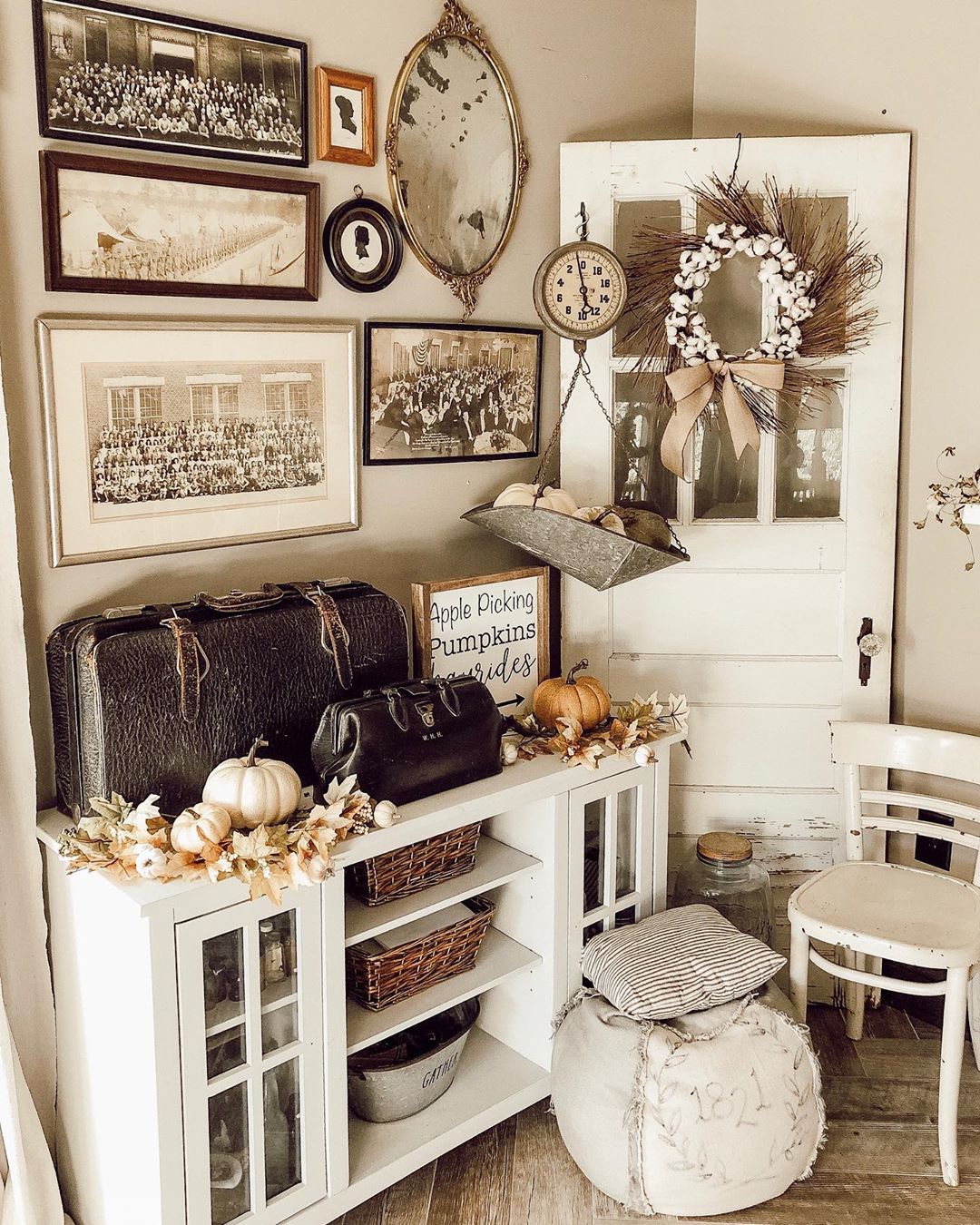
Vintage accessories add history and warmth to rustic rooms. Items like old clocks, wooden crates, and metal lanterns fit perfectly. These pieces tell a story and add unique charm. Choose worn or distressed items for an authentic look. Display them on shelves, tables, or mantels for eye-catching detail.
Textile Choices And Patterns
Textiles soften the rustic look and increase comfort. Use natural fabrics like cotton, wool, and linen. Patterns such as plaids, checks, and florals bring tradition and interest. Throw blankets and cushions add color and texture. Layer different textiles to create a warm, inviting space.
Lighting To Enhance Warmth
Lighting affects the mood and feel of a rustic living room. Choose warm-toned bulbs to create a soft glow. Lamps with wooden or wrought iron bases fit the rustic style well. Candlelight adds a cozy, flickering warmth. Mix overhead lights with table and floor lamps for balanced illumination.
Blending Rustic With Modern
Blending rustic with modern styles in your living room creates a unique space that feels both warm and fresh. It’s about mixing natural textures with sleek lines, making your room inviting yet stylish. You don’t have to choose one style over the other; instead, you can combine the best of both worlds to reflect your personality.
Mixing Contemporary And Rustic Pieces
Start by choosing a statement piece from each style. A reclaimed wood coffee table pairs beautifully with a streamlined leather sofa. This contrast brings out the charm of the rustic element while keeping the room modern and functional.
Think about lighting too. Industrial metal fixtures with exposed bulbs can complement rough-hewn beams or stone walls. This mix keeps the space feeling current without losing the cozy, earthy vibe.
Balancing Minimalism And Coziness
Rustic design often feels heavy with its chunky furniture and textures, but modern minimalism is all about simplicity. You can balance this by using fewer pieces but choosing ones with texture and warmth, like a soft wool rug or linen cushions.
Ask yourself: does each item bring comfort or style? If it doesn’t, consider replacing it. Keeping surfaces clear and rooms open lets the rustic features shine without overwhelming the space.
Diy Rustic Furniture Ideas
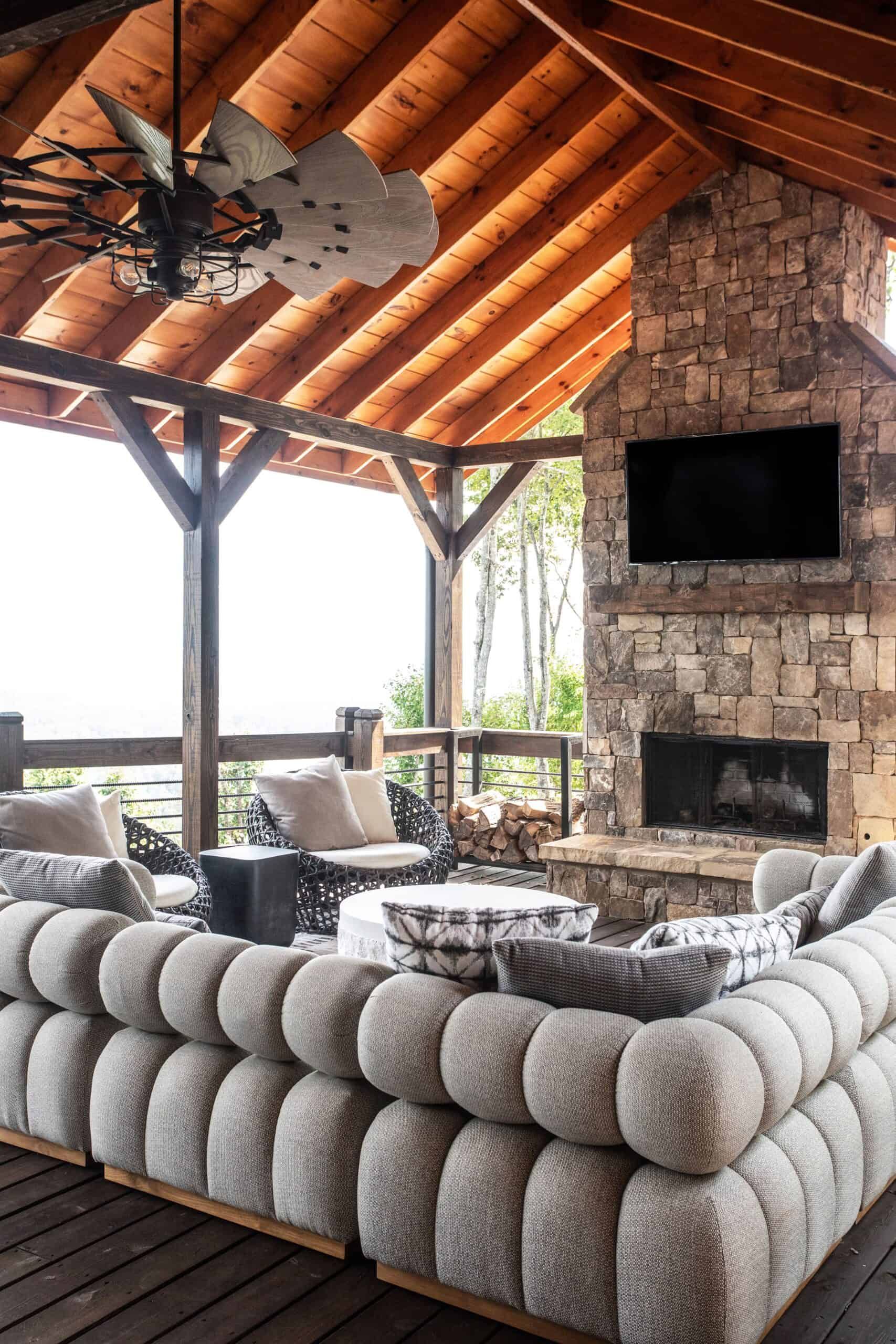
Creating your own rustic living room furniture can be deeply satisfying. It adds character and makes your space truly unique. DIY projects let you control every detail, from wood type to finish, so your furniture fits perfectly with your style.
Upcycling Old Furniture
Look around your home for old furniture pieces that could use a new life. A worn-out wooden chair or an outdated cabinet can be transformed with some sanding and a fresh coat of paint or stain. Adding metal brackets or leather straps can give them a rugged, rustic look.
Have you ever considered turning an old door into a coffee table? With a bit of cleaning, sanding, and attaching sturdy legs, it becomes a conversation piece. Upcycling saves money and reduces waste, making your rustic living room eco-friendly as well.
Simple Woodworking Projects
If you’re new to woodworking, start with small projects like a wooden crate shelf or a rustic side table. These projects require minimal tools and can be completed in a weekend. Choose reclaimed wood for extra rustic charm and texture.
Building a pallet sofa frame is another great idea. Pallets are often free and easy to find. Add some comfy cushions, and you get a cozy, rustic seating area that’s both budget-friendly and stylish.

Frequently Asked Questions
What Defines Rustic Living Room Furniture Style?
Rustic furniture features natural wood, rough textures, and earthy tones. It emphasizes simplicity, comfort, and a cozy, warm atmosphere. This style often includes handcrafted pieces with distressed finishes, highlighting natural imperfections for charm and authenticity.
How To Choose Rustic Furniture For Small Living Rooms?
Opt for compact, multi-functional pieces to save space. Use light wood tones and simple designs to keep the room airy. Incorporate natural materials like wicker or leather to enhance rustic appeal without overcrowding the area.
What Materials Are Best For Rustic Living Room Furniture?
Wood, leather, stone, and metal are ideal. Wood should be reclaimed or distressed for authenticity. Leather adds warmth, while stone and metal provide durability and a natural look. These materials combine to create a rugged, inviting feel.
How To Maintain Rustic Furniture Durability?
Clean regularly with mild, natural cleaners to preserve finishes. Avoid harsh chemicals that damage wood or leather. Use coasters and pads to protect surfaces from scratches and stains. Regularly check for loose joints and tighten them promptly.
Conclusion
Rustic living room furniture brings warmth and charm to any home. Natural wood and simple designs create a cozy space. Mixing old and new pieces adds character and style. Soft fabrics and earthy colors make the room inviting. Choose furniture that feels comfortable and suits your taste.
Small details, like vintage accessories, complete the look. Rustic style is timeless and easy to personalize. Enjoy creating a space that feels natural and welcoming. Your living room can tell a story of comfort and beauty.