
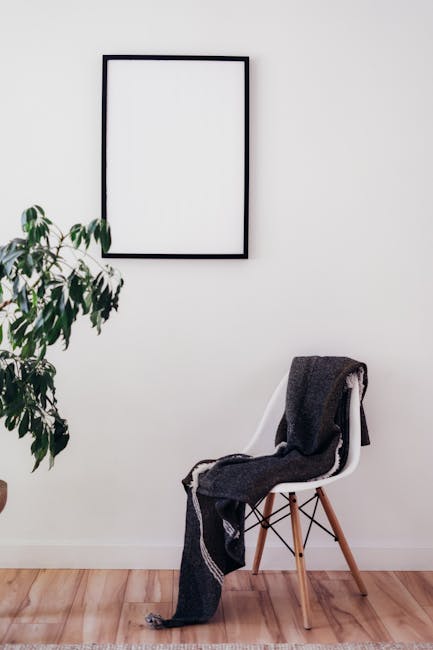
Your living room is the heart of your home, where comfort meets style. But how do you arrange your furniture to make the most of the space?
The right furniture layout can transform your living room into a cozy, inviting area that feels just right for you and your guests. Whether your space is large or small, this guide will help you create a layout that boosts comfort, flow, and functionality.
Keep reading to discover simple tips that can change the way you live in your space every day.
Choosing The Right Layout
Choosing the right furniture layout creates a comfortable and functional living room. It shapes how people move and interact in the space. A good layout makes the room inviting and practical. Focus on the room’s features and how the furniture fits best.
Assessing Room Size And Shape
Start by measuring the room’s length and width. Note any unusual shapes or corners. Large rooms allow for multiple seating areas. Small rooms need simpler arrangements to avoid clutter.
Square rooms suit symmetrical layouts. Rectangular rooms work well with long furniture pieces. Use the space wisely to balance comfort and openness.
Identifying Focal Points
A focal point grabs attention and anchors the room. It can be a fireplace, TV, window, or artwork. Arrange furniture around this spot to highlight it.
The main seating should face the focal point. Other pieces can complement the view. This setup encourages conversation and relaxation.
Considering Traffic Flow
Plan clear paths for easy movement. Avoid blocking doorways or walkways with furniture. Leave about 2 to 3 feet of space for walking.
Group furniture to create natural walkways. This keeps the room safe and comfortable. Good traffic flow enhances the room’s usability.
-1.png)
Popular Layout Styles
Choosing the right furniture layout can transform your living room from a simple space into a cozy, functional haven. Popular layout styles each bring a unique feel and flow, helping you match your room’s personality and your lifestyle. Understanding these styles can guide you to design a living room that feels just right for you and your guests.
Symmetrical Arrangements
Symmetrical layouts create balance by placing furniture pieces in pairs or mirrored positions. This style often uses two sofas facing each other or matching chairs on either side of a coffee table.
It’s a classic choice that promotes conversation and order. Have you noticed how symmetrical setups make a room feel calm and organized? This approach works well in formal living rooms or spaces where you want a sense of harmony.
Asymmetrical Designs
Asymmetrical layouts break the rules of balance but still feel intentional and inviting. Instead of matching pieces, you might place a large sectional on one side and a couple of chairs on the other.
This style allows more creativity and can make your living room feel dynamic and relaxed. Think about your own space—would a less structured setup encourage more casual gatherings?
Open Concept Layouts
Open concept layouts blend the living room with dining or kitchen areas, creating a seamless flow. Furniture is arranged to define zones without walls, often using rugs or lighting as subtle dividers.
This style is perfect if you entertain often or want a spacious feel. How can you position your furniture to keep the space connected but still cozy?
Furniture Placement Tips
Good furniture placement shapes a living room’s comfort and style. Thoughtful arrangement helps create inviting spaces for relaxing and socializing. It also improves room flow and maximizes usable space. These tips focus on placing key pieces to balance beauty and function effectively.
Positioning The Sofa
The sofa often anchors the living room. Place it facing the main focal point, like a fireplace or TV. Avoid blocking windows or doorways. Leave about 12 to 18 inches between the sofa and walls to avoid a cramped look. Angle the sofa slightly to open up the room and encourage conversation.
Arranging Chairs And Tables
Arrange chairs around the sofa to create a cozy seating group. Keep at least 18 inches between chairs and tables for easy movement. Use side tables next to chairs for drinks and lamps. Coffee tables should be about 16 to 18 inches from the sofa for comfort. Group seating in a way that invites talking and sharing.
Balancing Space And Function
Balance open areas with furniture to keep the room spacious. Avoid overcrowding with too many pieces. Leave clear walkways at least 2 to 3 feet wide. Use rugs to define seating areas and add warmth. Think about how the room will be used daily and arrange furniture accordingly.
Maximizing Small Living Rooms
Maximizing a small living room can feel like solving a puzzle. Every inch counts, and the right furniture layout can transform your space from cramped to cozy without sacrificing style or comfort. Let’s look at practical ways to make your small living room work harder for you.
Choosing Multi-functional Furniture
Multi-functional furniture is a game-changer in small living rooms. Pieces like ottomans that double as storage or sofas with pull-out beds help you save space while adding value.
Think about what you really need. Could a coffee table also serve as a desk? Or can a side table hold extra blankets inside? Choosing items that serve more than one purpose means less clutter and more freedom to move.
Using Vertical Space
When floor space is limited, look up. Walls offer a valuable area for storage and decoration without crowding your room.
- Install floating shelves to display books or décor.
- Hang hooks for coats or bags near the entrance.
- Use tall, narrow bookcases instead of wide, bulky furniture.
Vertical arrangements draw your eye upward, making the room feel larger and airier. Have you tried stacking storage bins or baskets on high shelves to keep things neat yet accessible?
Creating Illusions Of Space
Visual tricks can make your living room feel bigger than it is. Light colors on walls and furniture reflect natural light and open up the room.
Mirrors are another powerful tool. Placing a large mirror opposite a window can double the natural light and add depth.
Clear furniture, such as acrylic chairs or glass tables, reduce visual clutter. Would you consider replacing bulky pieces with more transparent options to free up your sightlines?
Incorporating Style And Comfort
Creating a living room that feels both stylish and comfortable requires thoughtful choices. The way you arrange your furniture sets the foundation, but the details bring the space to life. Focus on elements that invite relaxation while reflecting your personal taste.
Selecting Colors And Textures
Colors and textures have a powerful effect on how your living room feels. Soft, warm tones can make the space cozy, while bolder colors add energy and personality. Try mixing smooth fabrics like leather or velvet with rougher textures like woven wool or natural linen to add depth.
Think about how different surfaces interact with light and touch. Does your sofa invite you to sink in? Are the cushions plush or firm? Experiment with color palettes that balance calm neutrals with pops of color that excite your senses.
Adding Rugs And Accessories
Rugs anchor a seating area and add warmth underfoot, making your living room feel inviting. Choose rugs that complement your furniture’s style and colors. Layering rugs can also bring a unique touch and define different zones within the room.
Accessories like throw pillows, blankets, and artwork personalize your space and make it feel lived-in. Don’t overcrowd the room; select pieces that speak to you and enhance the vibe you want. Have you noticed how a well-placed mirror can open up a room instantly?
Lighting For Ambiance
Lighting shapes your living room’s mood more than any other factor. Combine natural light with layers of artificial lighting—overhead, task, and accent lights. A dimmable overhead fixture lets you adjust brightness for different activities, from lively gatherings to quiet reading.
Table lamps and floor lamps add warmth and highlight your favorite corners. Consider the color temperature of bulbs to ensure the light feels soft and welcoming rather than harsh. What feeling do you want your lighting to create when you walk into your living room?

Common Mistakes To Avoid
Arranging furniture in your living room can feel like a puzzle, but some mistakes can make the space less inviting and harder to use. Avoiding common errors helps you create a room that feels open, balanced, and bright. Let’s look at a few key pitfalls that might be holding your layout back.
Overcrowding The Space
It’s tempting to fill every corner with furniture, especially if you have many pieces you love. But overcrowding makes the room feel cramped and hard to move around in. Instead, leave enough space between items for easy passage and breathing room.
Think about your daily activities. Do you really need a large sectional, two armchairs, and a bulky coffee table all competing for space? Sometimes less is more, and a few well-chosen pieces can create a more comfortable and functional area.
Ignoring Scale And Proportion
Choosing furniture that doesn’t fit the size of your room is a common mistake. Large sofas in small rooms can overwhelm the space, while tiny chairs in a big room look lost and awkward. Pay attention to how the pieces relate to each other and the overall space.
Try measuring your room before buying or rearranging. A mid-sized couch might work better than a giant one, and a couple of small side tables can balance a large coffee table. Are your furniture pieces creating harmony or chaos?
Neglecting Natural Light
Natural light can dramatically change how your living room feels. Placing tall furniture or blocking windows can reduce sunlight, making the space darker and less inviting. Consider the path of light throughout the day when positioning your furniture.
Have you noticed how a bright room instantly lifts your mood? Avoid placing bulky items right in front of windows. Instead, use low-profile furniture and light colors to enhance the natural light you have.

Frequently Asked Questions
What Is The Best Furniture Layout For Small Living Rooms?
For small living rooms, use space-saving furniture. Arrange seating against walls to maximize open space. Use multi-functional pieces to reduce clutter and keep the room airy.
How To Arrange Furniture For A Conversational Living Room?
Place sofas and chairs facing each other in a circular or square layout. Keep the coffee table central. Ensure enough space for easy movement to encourage interaction.
How Do I Create A Balanced Living Room Layout?
Balance large furniture with smaller pieces and accessories. Distribute seating evenly around the room. Use rugs and lighting to anchor the layout visually and maintain harmony.
What Furniture Layout Maximizes Living Room Space?
Use an open layout with minimal, essential furniture. Position pieces along walls and avoid blocking pathways. Choose furniture with slim profiles to enhance spaciousness.
Conclusion
A good furniture layout makes your living room feel open and cozy. Think about how people move and where they sit. Use space wisely to keep the room balanced and comfortable. Choose pieces that fit well and serve your needs.
Small changes can create a big difference in how the room feels. Your living room can become a place where everyone enjoys spending time. Keep it simple, practical, and inviting. This way, your space will work for you every day.