
Your living room is more than just a space—it’s where you relax, entertain, and create memories. But sometimes, it can feel a bit dull or mismatched.
What if you could transform it into a cozy, stylish haven that truly reflects your personality? With the right furniture and simple decorating ideas, you can make your living room inviting and uniquely yours. Keep reading, and you’ll discover easy tips that will instantly refresh your space and make you excited to spend time in it every day.
Choosing The Right Sofa
Choosing the right sofa is a crucial step in decorating your living room. It often serves as the centerpiece where comfort meets style, setting the tone for the entire space. Your sofa should not only fit your aesthetic preferences but also meet your daily needs, balancing form and function seamlessly.
Material And Comfort
Comfort starts with the material. Soft fabrics like cotton and linen offer breathability and a cozy feel, perfect for lounging after a long day. Leather, while less breathable, provides durability and a sleek look that ages beautifully.
Think about how you use your sofa. Do you have kids or pets? Durable, stain-resistant fabrics like microfiber can make your life easier. Testing the sofa by sitting on it helps you understand the cushion firmness—too soft might lack support, too firm could feel uncomfortable.
Size And Scale
Measure your living room before choosing a sofa. A large sectional might overwhelm a small room, making it feel cramped rather than inviting. Conversely, a tiny couch in a spacious area can leave the room feeling empty and unbalanced.
Consider the sofa’s height and depth too. Deeper seats are great for curling up, while shallower seats suit more formal seating. Don’t forget to leave enough space around the sofa for easy movement and additional furniture.
Color And Style
Color sets the mood. Neutral shades offer versatility and allow you to change your room’s look with accessories. Bold colors or patterns can make your sofa the focal point and express your personality.
Style should complement your existing décor. A mid-century modern sofa pairs well with minimalist designs, while a plush, tufted sofa suits traditional interiors. Ask yourself: does your sofa inspire you to relax or energize your space?
Accent Chairs And Seating
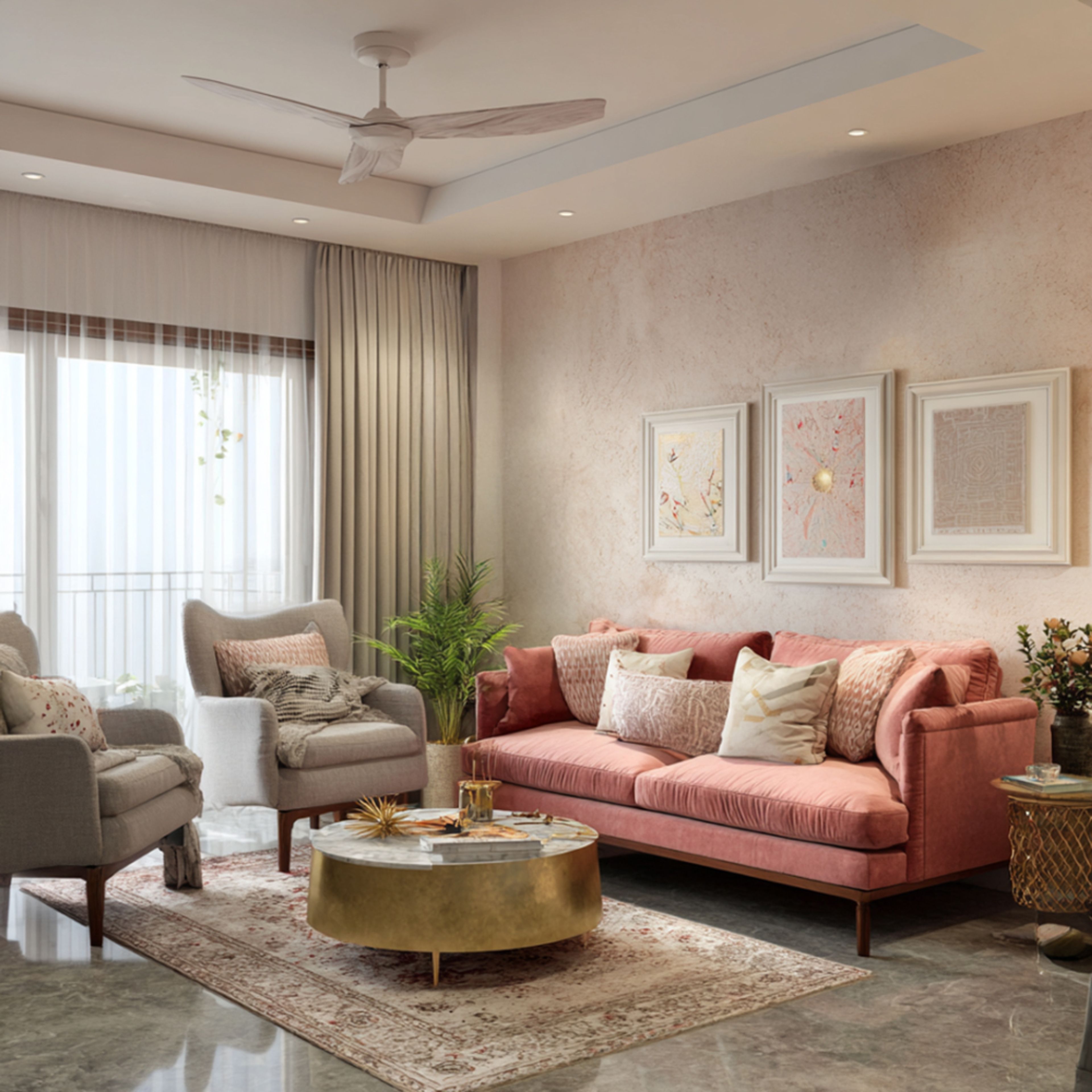
Accent chairs and seating add personality to any living room. They bring comfort and style together. These pieces create cozy spots for guests and family. Choosing the right accent chairs can transform the room’s look. They serve as focal points or blend softly with other furniture.
Mixing Patterns And Textures
Mixing patterns and textures adds visual interest to your space. Combine a floral chair with a striped cushion for contrast. Pair velvet with linen to create a soft, rich feel. Keep colors within the same palette to maintain harmony. Avoid too many bold patterns to prevent visual clutter.
Placement Tips
Place accent chairs where they invite conversation. Position them near sofas or coffee tables for easy access. Avoid blocking walkways to keep flow smooth. Angling chairs slightly can make the space feel welcoming. Use chairs to fill empty corners and balance the room.
Choosing Statement Pieces
Statement chairs draw the eye and add character. Look for bold colors like red, blue, or emerald green. Unique shapes or vintage designs stand out in modern rooms. Choose pieces that match your room’s style and color scheme. Statement chairs can be both functional and decorative.
Coffee Tables And Side Tables
Coffee tables and side tables are essential pieces in any living room. They bring style and function together. These tables offer space to place drinks, books, or decor items. Choosing the right coffee or side table can change the whole room’s look. They also help keep the space organized and inviting.
Materials And Shapes
Tables come in many materials and shapes. Wood gives a warm and natural feel. Metal adds a modern and sleek look. Glass tables make the room feel bigger and lighter. Shapes vary from round and square to oval and rectangular. Round tables soften sharp corners and create flow. Square and rectangular tables offer more surface area. Choose a shape that fits your room size and style.
Functionality And Storage
Many tables do more than hold items. Some have shelves or drawers for extra storage. Open shelves can hold magazines or baskets. Drawers hide clutter and keep the area tidy. Some coffee tables lift to become a desk or dining surface. Side tables with storage help keep remotes and chargers nearby. Multi-purpose tables maximize space in small rooms.
Styling With Accessories
Use accessories to make tables stand out. A stack of books adds height and interest. A small plant brings life and color. Decorative trays organize small items like candles or coasters. Bowls or vases add texture and style. Change accessories seasonally for fresh looks. Keep the table balanced but not crowded. Accessories show personality and make the room cozy.
Rugs And Flooring
Rugs and flooring play a key role in defining your living room’s style and comfort. They set the tone for the entire space and help tie furniture and decor together. Choosing the right rug and flooring style creates a warm and inviting atmosphere that everyone will enjoy.
Selecting The Perfect Rug Size
Choosing the right rug size balances the room and furniture. A too-small rug can make the space feel disconnected. A large rug anchors the furniture and opens the room visually. Ideally, the rug should fit under the front legs of sofas and chairs. Leave some floor space around the rug’s edges to avoid crowding.
Patterns And Colors
Rug patterns and colors influence the room’s mood. Soft, neutral tones create calm and relaxation. Bold patterns add energy and interest. Match rug colors with furniture or wall hues to create harmony. Consider texture as well. A plush rug feels cozy, while a flat weave adds a modern touch.
Layering Rugs
Layering rugs adds depth and style to your living room. Place a smaller rug on top of a larger one to create contrast. Use different textures or patterns for visual interest. This technique works well on hardwood or tile floors. Layering helps define seating areas and adds warmth underfoot.
Lighting Options
Lighting shapes the mood and feel of your living room. It highlights furniture, colors, and textures. Choosing the right lighting makes your space cozy and functional. A mix of lighting types creates balance and style.
Ambient Lighting Ideas
Ambient lighting fills the room with soft, general light. Ceiling fixtures like flush mounts or chandeliers work well. Recessed lights provide even brightness without clutter. Dimmer switches help adjust the light’s intensity. Warm white bulbs create a welcoming atmosphere.
Task Lighting Choices
Task lighting focuses on areas for reading or work. Table lamps near sofas or armchairs offer direct light. Floor lamps with adjustable arms allow precise lighting. Desk lamps add brightness to study or hobby spots. Bright, cool white bulbs reduce eye strain.
Decorative Fixtures
Decorative lights add charm and personality to the room. Pendant lights can become a focal point above coffee tables. String lights or lanterns create a relaxed vibe. Wall sconces add style and extra illumination. Choose fixtures that match your room’s design theme.
Wall Art And Decorations
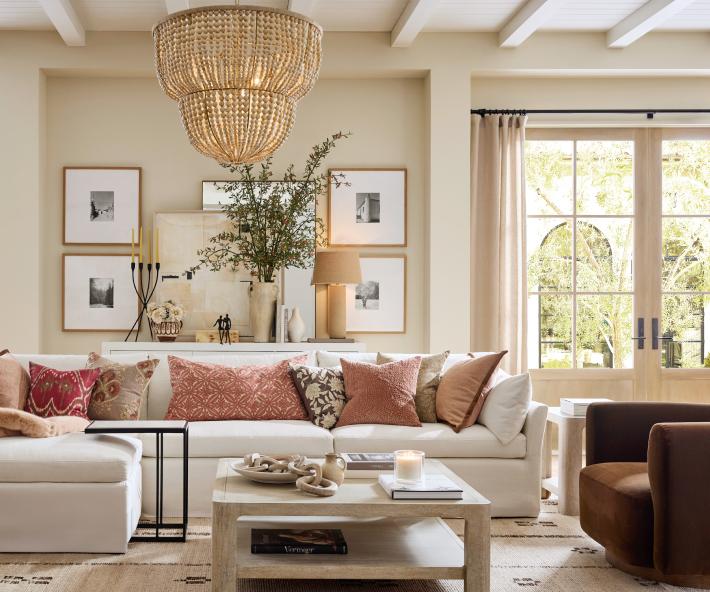
Wall art and decorations transform your living room from plain to personal. They give character to your space and can reflect your style and memories. Choosing the right pieces helps create a welcoming atmosphere that invites conversation and comfort.
Gallery Wall Arrangements
Gallery walls let you show off your favorite photos, artwork, and prints all in one place. Mix different frame sizes and colors to add visual interest without overwhelming the space.
Try arranging frames on the floor first to find a layout you like before hanging. Think about including personal touches like travel photos or kids’ drawings to make it truly yours.
Mirrors For Space And Light
Mirrors do more than reflect—they can make your room feel bigger and brighter. Placing a mirror opposite a window doubles natural light and opens up the space.
Choose mirrors with unique shapes or decorative frames to add style. Have you noticed how a well-placed mirror can change the entire mood of your living room?
Shelving And Display
Shelves give you space to show off books, plants, and small decor items. Floating shelves are perfect for keeping the room airy while adding storage.
Group items by color or theme to create a cohesive look. Don’t forget to leave some empty space—it prevents the display from feeling cluttered and keeps your eye moving around the room.
Storage Solutions
Finding smart storage solutions can transform your living room from cluttered to calm. It’s about making every inch count without sacrificing style. Think beyond traditional cabinets and explore clever ways to keep your space organized and inviting.
Built-in Shelves
Built-in shelves offer a seamless look that blends with your walls and adds character. They free up floor space, making your living room feel larger and more open. You can customize them to fit your collection of books, décor, or even multimedia gadgets.
Try mixing open shelves with closed cabinets for a balanced design. This way, you can display favorite items while hiding away less attractive clutter. Have you considered using vertical space to its fullest? Built-in shelves can reach up to the ceiling, giving you plenty of room to store and style.
Multi-purpose Furniture
Furniture that does double duty is a must-have for smart storage. Think ottomans that open up for storage, coffee tables with drawers, or sofas with built-in compartments. These pieces keep essentials close while maintaining a tidy look.
Imagine your living room with less visible clutter because everything has its place inside your furniture. This approach is perfect if you want to keep your space flexible and ready for guests. What items do you need quick access to but want hidden from view?
Hidden Storage Ideas
Hidden storage adds a layer of surprise and functionality. Look for spots like under the stairs, behind mirrors, or inside bench seats. These clever spots keep your living room neat without adding more furniture.
For example, a coffee table with a lift-top can hide magazines or remote controls. Even wall art can double as a secret cabinet door. Are you ready to rethink your space and uncover unexpected storage possibilities?
Textiles And Accessories
Textiles and accessories bring warmth and character to any living room. They soften the space and add layers of color and texture. Choosing the right fabrics and decorative pieces makes a room feel inviting and complete.
Throw Pillows And Blankets
Throw pillows offer a quick way to refresh the seating area. Mix patterns and solids for visual interest. Choose fabrics that feel soft and durable. Blankets add comfort and a cozy touch. Fold them neatly or drape over chairs or sofas.
Curtains And Window Treatments
Curtains frame the windows and control natural light. Pick colors that complement your walls and furniture. Lightweight curtains create an airy feel. Heavier fabrics add warmth and privacy. Consider blinds or shades for a modern look.
Decorative Objects
Small accessories personalize the living room space. Use vases, bowls, or sculptures to create focal points. Group items in odd numbers for balance. Choose pieces that reflect your style and interests. Keep surfaces tidy to avoid clutter.
Creating A Focal Point
Creating a focal point in your living room draws attention and brings balance to the space. It gives your room a clear purpose and a strong visual anchor. Think about what grabs your eye the moment you walk in and build around that energy.
Fireplace Styling
The fireplace naturally attracts the eye, making it a perfect focal point. You can enhance it with a bold mantelpiece or a unique surround made of stone, tile, or reclaimed wood.
Adding personal touches like framed photos, candles, or art above the mantel creates warmth and personality. Have you tried layering different textures around your fireplace to see how it changes the room’s vibe?
Feature Walls
A feature wall adds color, texture, or pattern to one side of the room, instantly catching attention. You might paint it in a rich hue, use wallpaper with a striking design, or install wood paneling for depth.
Don’t just stop at paint; consider hanging a large mirror or a collection of art to make the wall pop. What colors or patterns excite you enough to dominate a whole wall?
Statement Furniture Pieces
Sometimes, one piece of furniture can become the room’s hero. A bright-colored sofa, an oversized armchair, or a sleek, modern coffee table can all serve as eye-catching anchors.
Choose pieces that contrast with the rest of your decor but still feel connected. Have you noticed how a single bold item can change the whole mood of your living room?

Balancing Function And Style
Balancing function and style in your living room creates a space that feels inviting and looks great. It means choosing furniture that serves your daily needs while adding beauty. A well-decorated living room supports easy movement, comfort, and personal taste. This balance transforms a simple room into a favorite spot for family and guests.
Arranging For Traffic Flow
Plan furniture placement to allow clear paths for walking. Avoid blocking doorways and windows. Keep enough space between pieces for easy movement. Arrange seating to encourage conversation without crowding. Use rugs to define areas without creating obstacles. Proper flow helps the room feel open and welcoming.
Comfort Meets Aesthetics
Choose furniture that feels good and looks stylish. Soft cushions and supportive chairs invite relaxation. Match colors and textures to your room’s theme. Mix practical pieces with decorative accents. Find a balance between cozy and chic for lasting appeal. Comfort and beauty should work together, not compete.
Personalizing Your Space
Add items that reflect your personality and interests. Display photos, books, or art that you love. Use pillows, throws, and rugs to add color and warmth. Select furniture shapes and styles that match your taste. Personal touches make your living room unique and special. They tell your story and create a warm atmosphere.
Frequently Asked Questions
What Are The Best Furniture Pieces For A Small Living Room?
Choose compact sofas, nesting tables, and multifunctional furniture. Opt for pieces with storage to save space. Light colors also make rooms feel larger and more open.
How To Arrange Living Room Furniture For Better Flow?
Place furniture to allow easy movement. Avoid blocking pathways. Use a focal point like a fireplace or TV to guide arrangement. Keep seating close for conversation.
Which Materials Work Best For Living Room Furniture?
Durable fabrics like microfiber and leather are ideal for daily use. Wood and metal frames offer sturdy support. Choose materials that suit your lifestyle and style preferences.
How To Mix And Match Living Room Furniture Styles?
Combine different textures, colors, and shapes carefully. Balance modern and traditional pieces for harmony. Use rugs and cushions to tie styles together visually.
Conclusion
Creating a cozy living room starts with smart furniture choices. Choose pieces that fit your space well. Mix colors and textures to add life and warmth. Keep your style simple and neat for comfort. Personal touches make the room feel inviting and unique.
Remember, small changes can make a big difference. Enjoy designing a space where everyone feels at home. Your living room can be both stylish and practical. Take time to find what works best for you. Happy decorating!