
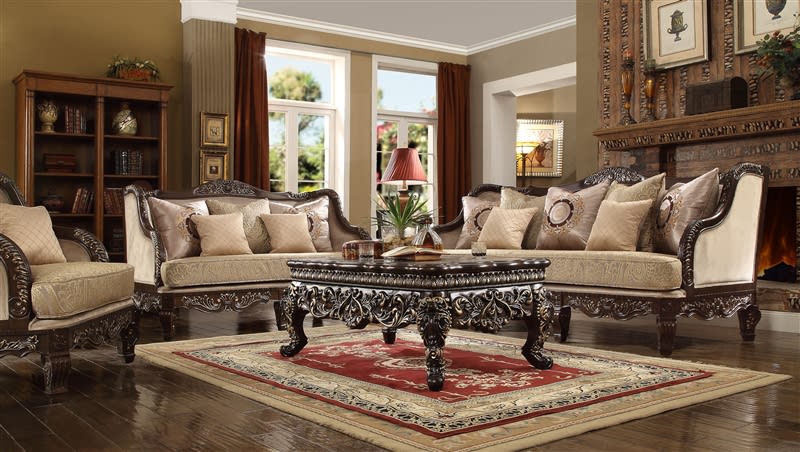
Imagine stepping into your living room and feeling an instant sense of warmth and timeless charm. Antique style living room furniture can transform your space into a cozy retreat filled with character and history.
If you want your home to stand out with elegant pieces that tell a story, this is exactly what you need. Keep reading to discover how you can bring classic beauty and comfort into your living room, making it a place you’ll love to spend time in every day.
Antique Furniture Characteristics
Antique style living room furniture offers a unique charm and timeless beauty. Each piece carries history, craftsmanship, and distinct design elements. Understanding the characteristics helps to appreciate and choose the right furniture for your space.
Distinctive Craftsmanship
Antique furniture showcases hand-carved details and expert joinery. Skilled artisans created every curve and pattern with care. This craftsmanship gives each piece a unique personality and lasting quality.
Rich Wood Materials
These pieces often use solid hardwoods like mahogany, oak, and walnut. The rich grains and textures add warmth to any room. Quality wood ensures durability and a beautiful aging process over time.
Elegant Design Styles
Antique furniture features styles like Victorian, Georgian, and Rococo. These styles include ornate carvings, curved legs, and intricate inlays. They bring sophistication and a classic touch to living rooms.
Patina And Wear
Natural aging creates a patina that enhances the furniture’s character. Small scratches or marks tell stories of years gone by. This wear adds authenticity and a vintage feel to each item.
Functional Yet Decorative
Antique furniture balances beauty and usability. Pieces like coffee tables and cabinets offer storage and display options. They fit modern needs while preserving traditional charm.
Popular Antique Styles
Antique style living room furniture brings charm and history into any space. These styles reflect different eras and artistic movements. Each style offers unique details that make a room feel warm and elegant.
Understanding popular antique styles helps in choosing pieces that fit your taste and home decor. The craftsmanship and design tell stories from the past.
Victorian Era Influence
The Victorian era features rich, dark woods like mahogany and walnut. Furniture often has intricate carvings and heavy ornamentation. Upholstery uses luxurious fabrics such as velvet and brocade. Curved lines and floral patterns add a romantic touch. This style creates a cozy and formal living room setting.
Rococo And Baroque Details
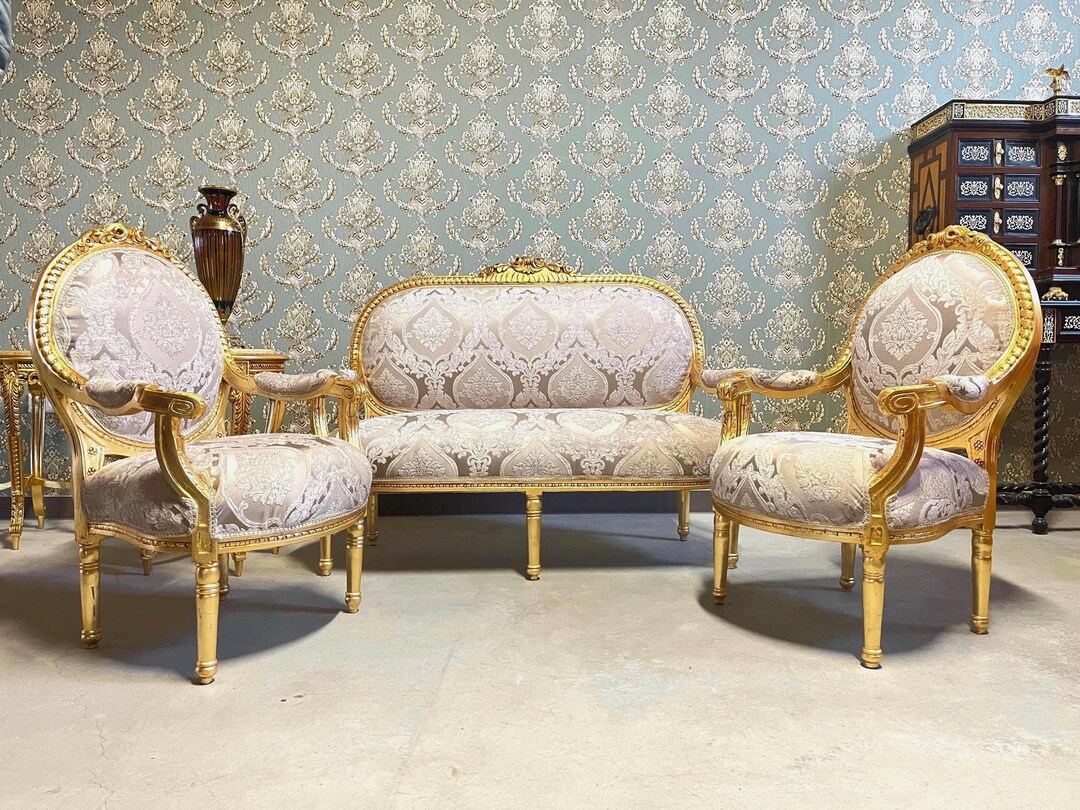
Rococo and Baroque styles are known for their bold and elaborate designs. Look for curved shapes, gilded finishes, and detailed scrollwork. Furniture pieces often have ornate legs and decorative motifs. These styles bring a sense of drama and grandeur. They work well in rooms that aim for a lavish and artistic look.
Art Deco Elements
Art Deco style combines elegance with modern flair. It uses sleek lines, geometric shapes, and shiny surfaces. Materials like chrome, glass, and lacquer are common. Colors often include black, gold, and silver. This style adds a touch of sophistication and glamour. It suits living rooms with a clean and stylish vibe.
Material Choices
Choosing the right materials is key for antique style living room furniture. Materials set the tone and bring authenticity to your space. They reflect the craftsmanship and era inspiration behind each piece.
Classic materials combine beauty and durability. They create a warm, inviting atmosphere that lasts through years of use.
Wood Varieties
Wood forms the base of most antique furniture. Popular choices include:
- Mahogany:Rich, reddish-brown wood known for strength and fine grain.
- Oak:Durable with a prominent grain, great for rustic or traditional looks.
- Walnut:Dark, smooth wood prized for its elegant finish.
- Cherry:Smooth texture with a warm, reddish hue that deepens over time.
These woods age beautifully and develop unique patinas. They offer timeless appeal and sturdy construction.
Upholstery Fabrics
Fabric choice impacts comfort and style. Common fabrics include:
- Velvet:Soft, plush fabric that adds luxury and color richness.
- Linen:Breathable and natural, perfect for a light antique feel.
- Leather:Durable and classic, leather adds a vintage charm.
- Damask:Patterned fabric with a historical touch and elegant texture.
Fabric patterns and textures highlight the antique vibe. Choose materials that wear well and complement wood tones.
Metal Accents
Metal details complete the look. Common metals include:
- Brass:Warm gold color often used for handles and knobs.
- Bronze:Darker metal with a rustic, aged appearance.
- Wrought Iron:Strong and decorative, ideal for legs and frame details.
Metal accents add character and highlight craftsmanship. They balance softness of wood and fabric.
Choosing The Right Pieces
Choosing the right antique style living room furniture creates a warm, inviting space. Each piece should blend with your room’s size and style. Focus on finding furniture that fits well and highlights the charm of antique design.
Space Considerations
Measure your living room before buying any furniture. Antique pieces can be large and heavy. Leave enough room for walking and other activities. Avoid overcrowding to keep the space comfortable and open.
Think about the shape of your room too. Square or rectangular spaces may suit larger sofas or armchairs. Odd-shaped rooms might need smaller, more flexible furniture.
Color And Finish Selection
Choose colors that match your existing décor or create a pleasing contrast. Antique furniture often has rich wood tones like mahogany, oak, or walnut. These colors bring warmth and depth.
Consider the finish carefully. Glossy finishes add shine and elegance. Matte finishes offer a more rustic, authentic look. Pick finishes that fit your personal taste and room style.
Functional Vs. Decorative
Decide if the furniture will be used daily or just for show. Functional pieces need to be comfortable and sturdy. Decorative pieces focus more on style and unique details.
Balance both types for a practical but beautiful living room. A carved wooden coffee table can be both useful and eye-catching. Prioritize items that serve your lifestyle best.
Caring For Antique Furniture
Caring for antique furniture keeps its beauty and value intact. These pieces need gentle handling and regular upkeep. Proper care prevents damage and extends their life. Small efforts make a big difference in preserving their charm.
Cleaning Techniques
Use a soft, dry cloth to remove dust gently. Avoid harsh chemicals or abrasive materials. A mild soap solution with water works for sticky spots. Always test cleaning products on a hidden area first. Dry the furniture quickly to stop water damage.
Preventing Damage
- Keep furniture away from direct sunlight to avoid fading.
- Use coasters and pads under hot or wet items.
- Control room humidity to prevent wood from cracking or swelling.
- Lift furniture instead of dragging to protect legs and joints.
Restoration Tips
Fix scratches with a matching wood marker or wax stick. For loose joints, apply wood glue carefully and clamp until dry. Avoid over-sanding; preserve the original finish as much as possible. Seek professional help for major repairs or refinishing to keep authenticity.
Integrating With Modern Decor
Blending antique style living room furniture with modern decor creates a unique space that tells a story. It’s about mixing the charm of the past with today’s simplicity. This balance can turn your living room into a comfortable, stylish retreat that feels both fresh and timeless.
Creating A Balanced Look
Start by choosing one or two antique pieces that catch your eye, like a vintage coffee table or an ornate armchair. Pair them with sleek, modern furniture to avoid clutter and keep the space airy. Think about scale and color: if your antique piece is dark wood, balance it with lighter, neutral-toned items around it.
Ask yourself: does this piece stand out or get lost? A balanced look comes from contrast and harmony working together.
Accent Pieces And Accessories
Small touches can link the old with the new. Use modern throw pillows on an antique sofa or place a classic vase on a contemporary console table. Rugs, artwork, and cushions are great tools to merge styles without overwhelming the room.
Try mixing materials like glass, metal, and wood to add texture and interest. This keeps your space dynamic and invites conversation about your unique style choices.
Lighting And Ambiance
Lighting plays a key role in highlighting antique furniture while keeping the room modern. Use a combination of vintage-inspired lamps and minimalist ceiling lights to create layers of light. Warm bulbs can enhance the wood tones and intricate details of antique pieces.
Think about how natural light moves through your space too. Position antique mirrors or reflective surfaces to bounce light and make the room feel larger and more inviting.
Where To Source Antique Furniture
Finding the perfect antique furniture for your living room can be both thrilling and challenging. The right source not only offers authentic pieces but also ensures you get value for your investment. Knowing where to look can save you time and help you discover unique items that truly reflect your style.
Antique Stores And Auctions
Antique stores often have carefully curated collections. Visiting these stores lets you see and touch the furniture before buying. The staff can share valuable stories about each piece, adding to its charm.
Auctions offer a more dynamic experience. You might find rare items at competitive prices if you know how to bid wisely. Auctions also attract serious collectors, so the quality of furniture is usually high.
Online Marketplaces
Online marketplaces have changed the way we shop for antiques. You can browse thousands of listings from your home, comparing prices and styles easily. Websites like eBay, Etsy, and specialized antique platforms provide detailed photos and seller reviews to help you choose confidently.
However, buying furniture online comes with risks. Always check the return policy and ask for extra pictures or condition reports. How do you assess authenticity without seeing the piece in person? Trustworthy sellers and detailed descriptions are key.
Estate Sales And Flea Markets
Estate sales are treasure troves for antique lovers. They often feature entire collections from a single home, giving you a chance to find matching pieces. These sales can be less expensive than stores, but you’ll need to act quickly—good items go fast.
Flea markets offer a more casual hunt. You can discover hidden gems if you’re patient and ask the right questions. Don’t hesitate to negotiate prices; sellers often expect it. Have you ever stumbled upon a valuable find in an unexpected place?

Evaluating Authenticity
Evaluating authenticity is crucial when choosing antique style living room furniture. You want to ensure that the piece you select not only complements your decor but also holds genuine craftsmanship and history. Recognizing real antiques adds value and satisfaction to your collection.
Identifying Genuine Pieces
Look closely at the construction details. Genuine antiques often show signs of hand craftsmanship, such as uneven dovetail joints or hand-carved embellishments. Machine-made marks or perfectly uniform parts usually hint at newer production.
Check the wood for age-related characteristics like slight warping or patina—a soft sheen developed over years. If the finish looks too perfect or shiny, it might be a modern coating. Does the furniture have original hardware? Screws and nails can reveal much about its age.
Spotting Reproductions
Reproductions often try to mimic antique styles but miss small authentic details. For example, modern tools leave smooth cuts, while older tools create more irregular edges. Feel the weight; genuine antiques tend to be heavier due to solid wood.
Beware of distressing techniques used to fake age. If wear patterns look too uniform or artificial, it’s likely a reproduction. Ask yourself: does this piece feel like it has a real story, or does it just look the part?
Assessing Value
Value depends not just on age but on condition, rarity, and provenance. A well-preserved piece from a recognized maker or period can be worth more than a common item. Condition matters—repairs or replacements can lower value, but professional restoration might increase it.
Consider how the furniture fits your style and needs. Sometimes, a slightly less valuable piece that you love is a better investment than a high-priced item that doesn’t feel right. What does this furniture say about your taste and lifestyle?

Frequently Asked Questions
What Defines Antique Style Living Room Furniture?
Antique style furniture features classic designs from past eras. It includes ornate details, rich wood finishes, and elegant craftsmanship. These pieces add timeless charm and sophistication to any living room setting.
How To Choose Antique Style Furniture For Living Rooms?
Select pieces that match your room size and décor theme. Focus on quality materials like solid wood and authentic vintage finishes. Balance ornate and simple items for a harmonious antique look.
Are Antique Style Furniture Pieces Durable And Practical?
Yes, antique style furniture is often made with durable materials. They combine timeless aesthetics with practical use. Proper care and maintenance ensure long-lasting beauty and functionality.
Can Antique Style Furniture Fit Modern Living Rooms?
Absolutely, antique style furniture complements modern spaces by adding character. Mixing old and new creates a unique, stylish living room. Use antique pieces as statement items to enhance contemporary décor.
Conclusion
Antique style living room furniture adds charm and warmth to any home. It brings a timeless feel with its classic designs and rich details. These pieces create a cozy, inviting space for family and friends. Choosing the right antique furniture can reflect your personality and taste.
Such furniture lasts long and often gains value over time. A room filled with antiques tells a story and holds memories. Embrace this style to make your living room unique and full of character.