
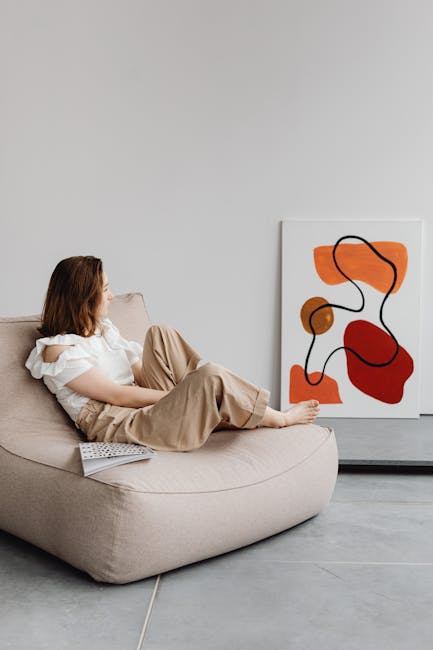
Are you struggling to arrange your living room furniture in a way that feels both cozy and functional? You’re not alone.
The way you lay out your furniture can change everything—from how comfortable your space feels to how easily you move around. Imagine walking into your living room and instantly feeling relaxed, with everything just where you need it. This guide will help you unlock simple, effective tips to transform your living room into a place that works perfectly for you.
Keep reading to discover how small changes can make a big difference in your home.

Choosing The Right Furniture Pieces
Choosing the right furniture pieces shapes the heart of your living room. These pieces set the style and comfort level for the space. Each item should fit both the room’s size and your lifestyle.
Furniture that feels too big or too small can make the room uncomfortable. The right choices balance function and style. Think about how you use the space every day and what feels inviting.
Assessing Room Size And Layout
Measure your living room before buying furniture. Note doorways, windows, and other features that affect placement. This helps avoid crowding or empty spaces.
Choose pieces that fit well without blocking paths. Leave enough space for easy movement. A good rule is to keep walkways at least 2 to 3 feet wide.
Selecting Comfortable Seating
Seating must invite relaxation. Sofas and chairs should support good posture. Test cushions for softness and firmness.
Consider how many people will use the seating daily. Add extra chairs or a loveseat for guests. Choose fabrics that are easy to clean and wear well.
Balancing Style And Function
Pick furniture that matches your decor style. Whether modern, traditional, or rustic, consistency creates harmony. Mix textures and colors to add interest.
Look for pieces with storage to keep the room tidy. Coffee tables with shelves or ottomans with compartments work well. Practical furniture keeps the living room neat.
Choosing The Right Scale And Proportion
Furniture should match the room’s scale. Large pieces in a small room feel overwhelming. Small pieces in a large room can seem lost.
Balance tall and low furniture to create a pleasing view. Combine different shapes for visual interest. Keep proportions balanced for a calm, inviting space.

Defining The Room’s Purpose
Before placing any furniture, you need to clarify what you want your living room to do for you. A living room can be many things: a cozy retreat, an entertainment hub, or a multifunctional space. Defining its purpose helps you choose the right pieces and arrange them for comfort and flow.
Understanding How You Use The Space
Think about your daily routine. Do you mostly watch TV, entertain guests, or read quietly? Identifying your primary activities guides your furniture choices and layout.
If you love hosting friends, prioritize seating that encourages conversation. If it’s a family movie spot, focus on comfortable seating facing the screen. Your living room should support what you actually do there, not just look good.
Considering Multiple Functions
Many living rooms serve more than one purpose. Can your space handle a reading nook, a play area, or a work corner without feeling cramped?
Try zoning your room by arranging furniture to create distinct areas. Use rugs, lighting, or shelves to separate functions subtly. This approach keeps your room organized and practical.
Choosing Furniture That Matches Your Lifestyle
Your furniture must fit how you live. If you have kids or pets, durable and easy-to-clean materials are a must. If you prefer minimalism, pick pieces that offer storage and keep clutter hidden.
Comfort is key. Don’t sacrifice coziness for style. If you spend hours in your living room, your sofa and chairs should invite you to relax, not just impress visitors.
Reflecting Your Personal Style
The room’s purpose doesn’t mean it has to be boring or purely functional. Your living room should feel like you. Choose colors, textures, and furniture that reflect your personality.
How can your furniture layout enhance your mood? Sometimes a small change, like moving a chair by a window or adding a cozy throw, can make the space feel more inviting and true to you.
Creating A Focal Point
Creating a focal point in your living room helps draw attention and organize the space. It sets the tone and guides furniture placement. A strong focal point makes the room feel inviting and balanced.
Choosing The Main Feature
Pick a feature that naturally attracts the eye. It could be a fireplace, a large window, or a piece of art. This feature will be the starting place for arranging furniture.
Make sure this feature stands out but does not overpower the room. It should complement your style and the room’s purpose.
Arranging Furniture Around The Focal Point
Place seating to face or circle the focal point. This creates a cozy and functional area for conversations or relaxation. Avoid blocking the view of the focal point with large furniture.
Use rugs or lighting to highlight the area further. Keep walkways clear to maintain flow in the space.
Enhancing With Accessories
Add cushions, throws, or decorative items near the focal point. These small touches draw more attention and add personality. Choose colors and textures that match the room’s palette.
Balance the accessories so they enhance but do not clutter the space.

Balancing Size And Scale
Balancing size and scale is key to creating a living room that feels comfortable and inviting. Too large furniture can overwhelm the space, while too small pieces may seem lost or disconnected. Finding the right balance helps your room flow naturally and makes every piece feel intentional.
Understanding Proportions In Your Space
Look at the dimensions of your living room first. Measure the length, width, and ceiling height. This gives you a clear idea of what size furniture will fit without crowding.
Think about the scale of each piece in relation to the room size. A bulky sofa might work well in a spacious area but could make a small room feel cramped. Try to choose furniture that matches the scale of the room to avoid imbalance.
Mixing Large And Small Pieces
Balancing size doesn’t mean all your furniture should be the same scale. Pair large items with smaller ones to create visual interest.
- A big sectional sofa can be softened with a small coffee table or side chairs.
- Use an oversized rug to ground a group of smaller chairs and a loveseat.
- Don’t forget about vertical scale—tall bookshelves or floor lamps add height without taking up much floor space.
Testing Layouts Before Committing
Before buying or moving heavy furniture, try sketching the room or using an online room planner. This helps you see how different sizes interact in your space.
Arrange cutouts of furniture shapes on your floor with tape or paper to visualize scale better. You’ll avoid surprises and make smarter choices this way.
Ask Yourself: What Feels Right?
After measuring and testing layouts, trust your instincts. Does the room feel balanced and easy to move through?
Sometimes a piece might be the perfect size on paper but feel awkward in real life. Take the time to live with your layout and adjust as needed. Your comfort matters most.
Arranging For Optimal Flow
Arranging furniture for optimal flow improves comfort and usability in your living room. It creates clear paths and prevents overcrowding. A well-planned layout invites easy movement and enhances social interaction. Focus on how people will walk and use the space.
Pathways And Movement
Clear pathways help people move freely without bumping into furniture. Aim for at least 2 to 3 feet of walking space between pieces. Avoid blocking doors and windows with bulky items. Place furniture to guide natural movement through the room. Open spaces near entry points make the room feel welcoming.
Spacing Between Furniture
Proper spacing balances comfort and function. Keep seating areas close enough for easy conversation, about 3 to 4 feet apart. Avoid tight gaps that feel cramped. Leave enough room for side tables and lamps. Use rugs to define seating zones and add cohesion. Good spacing creates a relaxed, inviting atmosphere.
Considering Seating Arrangements
Considering seating arrangements is key to making your living room both practical and inviting. The way you place furniture affects how people interact and relax. Thoughtful seating plans enhance comfort and encourage social moments.
Balance the space by mixing group areas with spots for quiet time. This helps create a room that suits many activities and moods.
Conversation Areas
Create spaces where people can talk face to face. Arrange sofas and chairs in a circle or semi-circle. Keep seats close enough to hear each other without shouting. Use a coffee table or ottoman in the middle to anchor the area.
Good lighting helps set a warm mood here. Avoid blocking walkways to keep the space open and easy to move around.
Solo Relaxation Zones
Designate spots for one person to unwind. A cozy armchair by a window or a soft recliner near a bookshelf works well. Add a small side table for drinks or books.
Use soft lighting and cushions to make these zones inviting. They provide a quiet retreat without isolating from the rest of the room.
Incorporating Multi-functional Pieces
Incorporating multi-functional pieces transforms a living room into a versatile space. These furniture items serve more than one purpose, saving space and adding convenience. Choosing the right pieces enhances comfort and utility without overcrowding the room.
Choosing Furniture With Storage Options
Storage is key in any living room. Furniture like ottomans or coffee tables with hidden compartments keep clutter away. These pieces hold blankets, magazines, or remote controls. They keep the space tidy and organized without extra shelves.
Selecting Convertible Seating
Convertible seating offers flexibility for guests and family. Sofas that turn into beds or chairs with fold-out footrests provide extra comfort. They adapt to different needs easily. This type of seating makes the living room ready for relaxation or sleep.
Using Foldable And Nesting Furniture
Foldable tables and nesting chairs save space when not in use. These pieces expand the room’s function during gatherings or activities. They fit neatly in corners or under other furniture. This keeps the floor area open and spacious.
Incorporating Multi-use Tables
Tables that serve as desks or dining surfaces add value. They support work, meals, or hobbies in the living room. Adjustable height or extendable tables suit various tasks. Such versatility maximizes the use of limited space.
Emphasizing Style And Aesthetics
Emphasizing style and aesthetics in your living room furniture layout transforms the space from merely functional to truly inviting. Your choices reflect your personality and create a mood that welcomes everyone. Paying attention to details like color, texture, and scale can make a significant difference in how your living room feels and looks.
Choosing A Focal Point
Start by identifying a focal point in your living room. It could be a fireplace, a large window, or a striking piece of artwork. Position your furniture to highlight this feature, drawing attention naturally and creating a balanced flow.
In my own living room, arranging the sofa to face the fireplace made the space cozy and inviting. This simple adjustment encouraged more conversations and relaxed gatherings.
Balancing Colors And Textures
Mix colors and textures thoughtfully to add depth and interest. Use contrasting cushions, rugs, or throws to break monotony but keep a harmonious palette. Too many clashing elements can overwhelm, so aim for balance.
Think about how a velvet sofa paired with a soft wool rug can create a tactile contrast that feels both elegant and comfortable. What colors make you feel most relaxed in your living space?
Allowing Space To Breathe
Don’t overcrowd your living room. Leave enough space between furniture pieces to allow easy movement and maintain an airy feel. This also helps each element stand out without competing for attention.
When I moved a bulky coffee table out of the center, the room immediately felt larger and more inviting. Try stepping back after placing your furniture—do you see open paths and clear sightlines?
Using Symmetry And Asymmetry
Symmetry creates a formal, orderly look, while asymmetry adds a dynamic and casual vibe. Decide which mood suits your style better and arrange your furniture accordingly. You can mix both by balancing a large sofa with two smaller chairs instead of matching pairs.
Experiment with different layouts and see how they affect the room’s energy. Does a symmetrical setup make you feel calm, or do you prefer the relaxed feel of asymmetry?
Incorporating Personal Touches
Your living room should tell your story. Add personal items like family photos, souvenirs, or handmade crafts to enhance style and make the space uniquely yours. These details create warmth and invite guests to learn more about you.
When I display my travel souvenirs on a side table, it sparks conversations and adds character. What personal items can you showcase to make your living room more authentic?
Using Rugs And Accessories
Using rugs and accessories can transform your living room layout. They help create zones and add personality. Rugs anchor furniture, making the space feel cozy and connected. Accessories bring color, texture, and style without clutter.
Defining Spaces With Rugs
Rugs mark different areas in an open living room. Choose a rug that fits the size of your furniture group. Place the front legs of sofas and chairs on the rug for a unified look. Use rugs to separate the seating area from dining or play zones. Pick colors and patterns that complement your room’s palette. Layer rugs for added texture and interest.
Enhancing With Accessories
Accessories give your living room character and warmth. Use cushions and throws to add comfort and color. Select vases, lamps, and art that match your style. Group small items on tables or shelves for visual appeal. Avoid overcrowding; let each piece stand out. Accessories can also reflect your personality and hobbies.
Lighting And Ambiance
Lighting shapes the mood and feel of your living room more than you might realize. It can highlight your furniture layout and create an inviting space that feels just right for relaxing or entertaining. Getting the lighting and ambiance right helps your living room work well for all your daily activities.
Balancing Natural And Artificial Light
Start by noticing how natural light enters your living room. Position seating areas near windows to enjoy daylight without glare on screens. Use sheer curtains to soften the light instead of blocking it out completely.
Artificial lighting should complement natural light. Layer your lights with overhead fixtures, floor lamps, and table lamps. This mix lets you adjust the brightness and mood depending on the time of day or occasion.
Choosing The Right Bulbs And Colors
The color temperature of your bulbs impacts how your room feels. Warm white bulbs create a cozy, relaxing atmosphere, perfect for winding down. Cooler white bulbs are better for tasks like reading or hobbies that need focus.
Think about the color of your walls and furniture too. Warm light enhances warm colors and textures, while cool light can make bright or modern spaces feel crisp. Try different bulbs to see what makes your space feel best to you.
Using Lighting To Highlight Furniture And Features
Strategically placed lights draw attention to your furniture and decor. Use spotlights or adjustable lamps to highlight artwork, bookshelves, or a comfy reading chair. This adds depth and interest to your room layout.
Consider lighting that creates cozy nooks within your living room. A floor lamp next to a sofa or accent chair invites you to sit down and relax. How can your lighting help different areas of your living room serve their purpose better?
Frequently Asked Questions
How Do I Start Laying Out Furniture In A Living Room?
Begin by measuring the room’s dimensions carefully. Identify focal points like windows or fireplaces. Sketch a floor plan. Place larger pieces first, then add smaller items. Ensure easy traffic flow and balanced spacing for comfort and functionality.
What Is The Best Furniture Arrangement For Small Living Rooms?
Use multi-functional furniture to save space. Arrange seating close to walls to open the center. Choose light colors and mirrors to create an illusion of space. Avoid overcrowding by limiting the number of pieces and keep pathways clear.
How Can I Create A Cozy Living Room Layout?
Group furniture closely to encourage conversation. Use soft textures like rugs and cushions for warmth. Position lighting strategically to enhance ambiance. Add personal touches such as artwork or plants to make the space inviting.
How Do I Balance Furniture In An Open-plan Living Room?
Divide the space using rugs or furniture placement. Use sofas or shelves as visual boundaries. Keep consistent style and color themes. Arrange seating to promote social interaction while maintaining openness and flow.
Conclusion
Arranging furniture well makes your living room feel warm and inviting. Think about space, comfort, and how you move around. Choose pieces that fit your style and room size. Small changes can create big differences. Keep your layout flexible for different activities and guests.
A good setup helps you relax and enjoy your home more. Take your time and trust your eye. Your living room can be both beautiful and practical.