

Your living room is more than just a space—it’s where you relax, connect, and make memories. But setting up your living room furniture can feel overwhelming.
Where should your sofa go? How do you balance comfort with style? This guide will help you arrange your furniture in a way that feels natural and inviting. By the end, you’ll have a clear plan to transform your space into a cozy, functional haven you’ll love spending time in.
Ready to create the perfect living room setup? Let’s dive in.
Choosing The Right Furniture Pieces
Choosing the right furniture pieces sets the foundation for your living room’s comfort and style. Each item you select should complement your space and lifestyle while reflecting your personal taste. Think about how you use your living room daily and what furniture will support those activities best.
Sofas And Sectionals
Your sofa or sectional often becomes the room’s centerpiece. Focus on size first—does your space call for a large sectional or a compact sofa? Consider fabric durability if you have pets or kids, and don’t overlook comfort; test cushions in person if possible.
Color and style matter, but balance them with practicality. A neutral sofa can anchor your room and allow you to switch up accessories easily. If you love bold colors, a sectional can provide a striking focal point without overwhelming the entire space.
Chairs And Recliners
Adding chairs and recliners offers flexible seating and enhances comfort. Look for pieces that fit well without crowding your layout. Chairs with slim profiles or armless designs work well in smaller rooms.
Think about function beyond seating. A recliner can double as a cozy reading nook, while an accent chair adds personality. Ask yourself: Do you want extra seating for guests or a spot to unwind solo?
Coffee Tables And Side Tables
Tables are more than just surfaces—they organize your space and make it functional. Choose a coffee table that fits your seating arrangement; it should be within easy reach and proportionate to your sofa or sectional.
Side tables offer convenience and style. Consider multi-functional options with storage if your room lacks space. Materials like glass or metal can lighten the visual weight in tight areas.
Tv Stands And Entertainment Units
Your TV stand or entertainment unit anchors your media setup and stores devices neatly. Measure your TV and room dimensions carefully to avoid overpowering the space.
Look for units that provide enough storage for your media gear and cables to keep clutter hidden. Open shelves can showcase decor, while closed cabinets keep things tidy. What balance of display and storage suits your habits?

Optimizing Space And Layout
Optimizing space and layout in your living room helps create a comfortable, inviting area. A well-planned setup makes the room feel larger and more functional. It also improves movement and enhances the overall look.
Understanding Room Dimensions
Measure the length, width, and height of your living room. Note the location of doors, windows, and any built-in features. This helps you know how much space you have for furniture.
Use these measurements to choose furniture that fits well. Avoid pieces that crowd the room or leave too much empty space. Balance is key to a good layout.
Creating Functional Zones
Divide your living room into areas for different activities. For example, a seating zone for talking or watching TV. A reading nook with a comfy chair and good lighting.
Use rugs, furniture placement, or room dividers to mark these zones. Each area should serve a clear purpose and feel cozy. This makes the room more organized and easier to use.
Traffic Flow Considerations
Plan paths for moving around without obstacles. Leave enough space between furniture pieces for easy walking. Avoid blocking doorways and windows.
Good traffic flow reduces accidents and makes the room feel open. Think about where people enter and exit the room. Arrange furniture so no one has to squeeze past tight spots.
Balancing Style And Comfort
Balancing style and comfort in your living room setup is about creating a space that feels inviting while reflecting your taste. You want furniture that looks great but also makes you want to relax after a long day. Achieving this balance means paying attention to details that often get overlooked, like colors, textures, and personal touches.
Selecting A Color Palette
Choosing the right colors sets the foundation for your living room’s mood. Soft, neutral tones often create a calming atmosphere, while bold colors can energize the space. Consider how natural light affects your room—does it make colors look warmer or cooler?
Try limiting your palette to three main colors to keep things cohesive. For example, a mix of beige, navy, and burnt orange can feel both stylish and comfortable. Don’t be afraid to add pops of color with cushions or rugs for easy updates.
Mixing Textures And Materials
Combining different textures adds depth and interest without overwhelming the space. Think about pairing a plush velvet sofa with a sleek wooden coffee table or a soft wool rug with leather chairs.
This mix creates a tactile experience that invites you to touch and relax. Have you noticed how a variety of textures can make a room feel warmer and more lived-in?
Use materials like metal, glass, and fabric in balance to keep the room feeling fresh and not too heavy. A metal lamp beside a fabric armchair can strike the perfect contrast.
Incorporating Personal Style
Your living room should tell your story. Adding personal elements like family photos, artwork, or souvenirs transforms the room from a showroom into a space that feels truly yours.
Think about the pieces you love most and find ways to highlight them. Maybe it’s a vintage chair you found at a flea market or a handmade throw blanket.
How can you make your living room a reflection of who you are without sacrificing comfort? The answer often lies in the thoughtful placement of meaningful items alongside practical furniture.
Enhancing With Accessories
Accessories bring life to a living room. They create warmth and personality. Thoughtful choices can change the room’s mood. Small details make a big impact. Accessories help balance the space and add color or texture. Select items that match your style and comfort needs.
Choosing Rugs And Curtains
Rugs define the seating area and add softness underfoot. Choose a rug size that fits your furniture layout. Patterns and colors should complement the room’s palette. Curtains frame windows and control light. Pick fabrics that match your style and room function.
- Rugs can add warmth and reduce noise.
- Curtains soften hard edges and add privacy.
- Both can introduce patterns or keep a simple look.
Adding Decorative Pillows
Pillows add comfort and style to sofas and chairs. Mix different sizes, shapes, and textures for interest. Use colors that tie in with the room’s theme. Pillows are easy to swap out for a quick refresh. They create a cozy, inviting atmosphere.
- Combine solids and prints for balance.
- Choose fabrics that feel soft and durable.
- Arrange pillows in odd numbers for a natural look.
Selecting Art And Wall Decor
Art and wall decor express personality and set the tone. Select pieces that speak to your taste. Consider scale and placement for visual harmony. Mix framed art, mirrors, and shelves for variety. Walls become a focal point, making the room feel finished.
- Large pieces work well above sofas or mantels.
- Group smaller pieces for a gallery effect.
- Use colors from your room to unify the look.
Lighting For Ambiance And Function
Lighting shapes the mood and usability of your living room. It affects how you relax, entertain, and even how your furniture looks. Balancing ambiance with function means thinking beyond a single light source and creating a dynamic environment that suits your daily needs.
Layered Lighting Techniques
Relying on just one overhead light can make your living room feel flat and uninviting. Layered lighting combines ambient, task, and accent lights to add depth and flexibility.
- Ambient lightingprovides overall illumination—think ceiling fixtures or recessed lights.
- Task lightingfocuses on activities like reading or working—table lamps or floor lamps work well here.
- Accent lightinghighlights artwork or architectural features, adding visual interest.
Try mixing these layers to control the mood easily. How might you change your lighting setup to fit different activities throughout the day?
Choosing The Right Fixtures
Your choice of fixtures impacts both style and function. Select pieces that match your room’s size and décor while delivering adequate light.
Consider:
- Adjustable floor lamps that let you direct light where needed.
- Wall sconces for soft, indirect lighting that doesn’t take up floor space.
- Dimmer switches to customize brightness without changing bulbs.
Don’t overlook bulbs either; warm light bulbs create a cozy feel, while cooler ones improve focus. What fixture styles excite you enough to become a focal point in your living space?
Maximizing Natural Light
Natural light is the most flattering and energy-efficient source you have. Position your furniture to take advantage of windows without blocking the sunlight.
Use sheer curtains or blinds to soften harsh rays while maintaining privacy. Mirrors placed opposite windows can bounce light deeper into the room.
Think about how your living room changes throughout the day. Could rearranging your seating or adding reflective surfaces help you make the most of daylight?
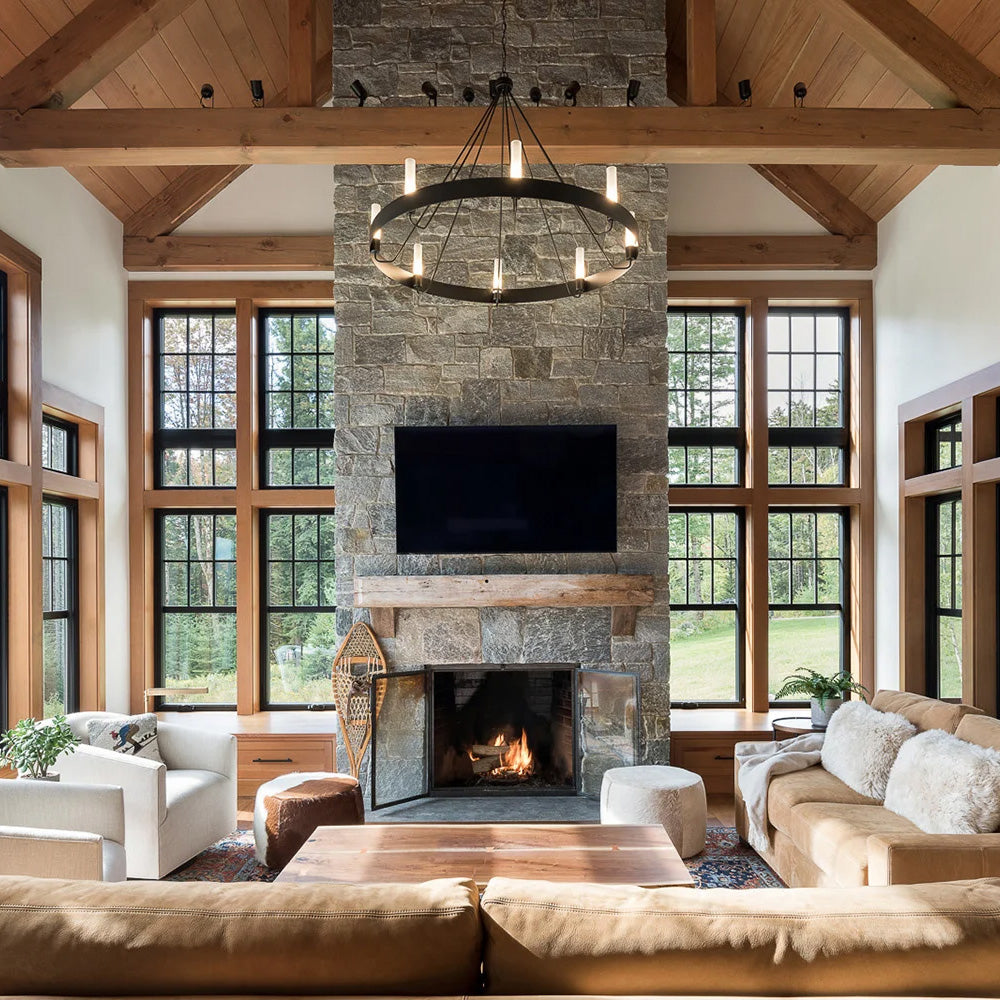
Maintaining And Updating Your Space
Keeping your living room furniture set up fresh and inviting takes more than just the initial arrangement. Regular care and thoughtful updates can breathe new life into your space without the need for a full makeover. Small changes and consistent maintenance help you enjoy your living area every day and make it easy to adapt to new styles or seasons.
Regular Cleaning Tips
Cleaning your furniture regularly prevents dirt buildup and keeps colors vibrant. Use a soft brush or vacuum with an upholstery attachment to remove dust from sofas and chairs. For wooden pieces, a damp cloth followed by a dry one maintains the finish without damage.
Don’t forget to check cushions and pillows for stains. Spot clean immediately with gentle solutions. This not only extends the life of your furniture but also keeps your space feeling fresh and welcoming.
Seasonal Decor Updates
Switching out small decor items with the seasons can transform your living room without major effort. Try adding bright throw pillows in spring, cozy blankets in winter, or natural elements like fresh flowers in summer. These subtle swaps can reflect the time of year and uplift your mood.
What if you choose a different theme each season? It keeps your space exciting and gives you a chance to experiment with colors and textures. You might discover new favorites that you hadn’t considered before.
Rearranging For A Fresh Look
Changing the layout of your furniture can instantly refresh the room’s energy. Move the sofa to face a different wall or angle chairs to encourage conversation. Even shifting a coffee table or side lamp can create a brand-new feel.
Have you tried this in your living room? Sometimes, a simple rearrangement reveals better flow and functionality you didn’t notice before. It’s a cost-free way to enjoy your space from a new perspective.
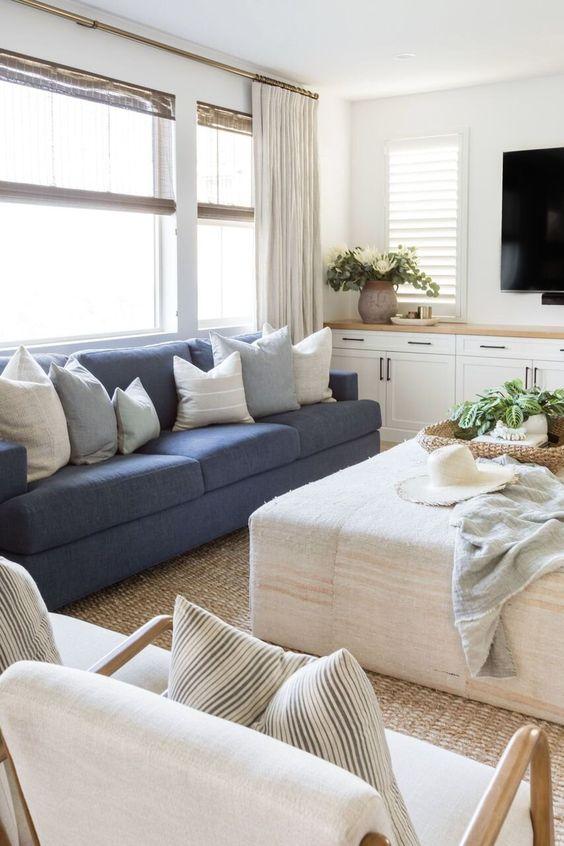
Frequently Asked Questions
How To Arrange Living Room Furniture For Small Spaces?
Use multi-functional furniture and keep pathways clear. Place larger pieces against walls. Opt for light colors to create openness. Use mirrors to reflect light and add depth.
What Is The Ideal Living Room Furniture Layout?
Create a focal point like a fireplace or TV. Arrange seating around it for easy conversation. Maintain at least 18 inches between furniture pieces for comfort. Balance symmetry with functionality.
How To Choose The Right Size Furniture For Living Rooms?
Measure your space before buying. Ensure at least 2-3 feet of walking space around furniture. Avoid oversized pieces in small rooms to prevent clutter. Scale furniture to fit the room’s proportions.
Which Living Room Furniture Styles Work Best Together?
Mix complementary styles like modern with rustic or traditional with contemporary. Use a consistent color palette to unify the look. Balance textures and materials for visual interest without chaos.
Conclusion
A well-arranged living room feels warm and inviting. Choose furniture that fits your space and style. Keep pathways clear for easy movement. Mix comfort with function for daily use. Small touches like rugs or lamps add charm. Remember, your living room reflects your personality.
Take time to arrange pieces thoughtfully. Enjoy a cozy, balanced space for relaxing or guests. Simple steps create a room you love spending time in.