
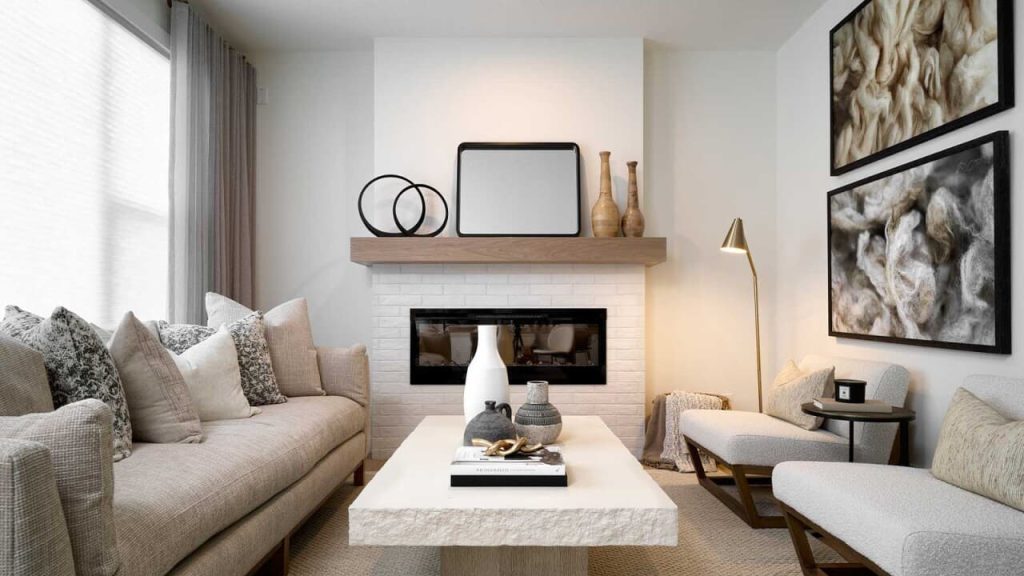
Arranging furniture in your living room can feel overwhelming. You want it to look great, feel comfortable, and work well for your daily life.
But where do you start? How do you make sure every piece fits just right? In this guide, you’ll discover simple steps to place your furniture so your living room becomes a space you love to spend time in. Keep reading, and you’ll learn how to turn your room into a cozy, stylish, and functional spot that welcomes you and your guests every day.
:max_bytes(150000):strip_icc()/image_2-e2efef3baa354bd4bfb386eb2e048afb.png)
Assessing The Space
Assessing the space in your living room is the first step to placing furniture well. It helps you understand the room’s size, shape, and key features. This knowledge guides you to arrange furniture that fits comfortably and looks balanced. Start by looking closely at the room’s layout and how much open space you have.
Measuring The Room
Measure the length and width of the living room accurately. Note the height of the walls too, especially if you want tall shelves or cabinets. Write down the sizes of windows, doors, and any built-in features. These details help you choose furniture that fits without overcrowding the space.
Identifying Focal Points
Find the main focal points in the room. It could be a fireplace, a large window, or a TV wall. Arrange furniture to face or highlight these features. A clear focal point creates a natural flow and makes the room feel inviting and organized.
Considering Traffic Flow
Plan paths where people will walk freely. Avoid placing furniture in a way that blocks these routes. Leave enough space between pieces to move comfortably. Good traffic flow prevents the room from feeling cramped or cluttered.
Choosing The Right Furniture
Choosing the right furniture sets the tone for your living room. It shapes comfort, style, and the room’s flow. Selecting pieces that fit your needs and space creates a welcoming atmosphere.
Prioritizing Essential Pieces
Start with must-have furniture like a sofa and chairs. These provide seating and define the layout. Choose pieces that match your lifestyle and daily use. Avoid clutter by focusing on essentials first. Add extras only if space allows and they serve a purpose.
Selecting The Right Size
Measure your living room before buying furniture. Large pieces can overwhelm a small room. Small furniture may look lost in a big space. Balance size with comfort and functionality. Leave enough room for walking and movement. Proper sizing keeps the room feeling open and inviting.
Mixing Styles And Textures
Combine different styles for a unique look. Blend modern with classic or rustic with sleek designs. Use various textures like wood, fabric, and metal. This adds depth and interest to the room. Keep a color scheme to unify the mix. Mixing styles and textures makes your space lively and personal.
Creating Functional Zones
Creating functional zones in your living room helps you organize the space for multiple activities without clutter. It makes your room more inviting and practical. Think about how you use the space daily and then arrange furniture to support those habits.
Designating Conversation Areas
Arrange seating so people face each other comfortably. Place sofas and chairs around a central coffee table to encourage easy chatting. Avoid lining furniture against walls; pulling pieces inward creates a cozy, intimate feel.
Use rugs to define the area visually, even if it’s part of a larger room. Ask yourself: does this setup make it easy to hear and see everyone in the group? If not, try shifting pieces closer or changing angles.
Incorporating A Media Section
Place your TV or media center where it’s visible from the main seating but doesn’t dominate the room. Position sofas and chairs to face the screen, but keep enough distance to avoid neck strain. Adding a low console or shelves nearby keeps remotes and devices organized.
Think about lighting here—can you dim lights or add blackout curtains to improve viewing? If your living room is large, a sectional or recliners can create a perfect media zone without interrupting other activities.
Establishing Reading Nooks
Choose a quiet corner with good natural light or add a floor lamp for a cozy reading spot. A comfortable armchair with a small side table for books and a cup of tea makes the space inviting. Adding a soft throw or cushion enhances comfort.
Position the nook away from busy pathways to minimize distractions. How often do you find yourself craving a quiet moment? Setting up this zone encourages you to pause and recharge.

Optimizing Furniture Placement
Optimizing furniture placement transforms your living room into a welcoming, functional space. Thoughtful arrangement enhances comfort and flow. It creates balance and highlights your room’s best features. Small adjustments can open up space or make it cozier. Consider size, shape, and architectural details to guide your layout choices.
Balancing Large And Small Pieces
Mix large and small furniture to create visual balance. Large sofas pair well with smaller chairs or ottomans. Avoid clustering all big pieces in one area. Spread them out to maintain flow and openness. This balance stops the room from feeling crowded or empty.
Aligning With Architectural Features
Use windows, doors, and fireplaces to guide furniture placement. Position seating to face or highlight these features. Avoid blocking natural light sources. Align pieces parallel or perpendicular to walls for clean lines. This approach makes the space feel intentional and inviting.
Utilizing Corners Effectively
Corners often go unused but offer great potential. Place corner shelves or a cozy chair to fill the space. A small table or lamp can add function and style. Using corners well increases room usability without cluttering the center. It also creates intimate zones within the living room.
Enhancing With Accessories
Accessories can transform a living room from plain to personalized. They bring warmth, texture, and character to your space. Thoughtfully chosen items help highlight your furniture and create a cohesive look that feels inviting and lived-in.
Adding Rugs For Definition
Rugs do more than cover the floor—they define zones within your living room. Placing a rug under your seating area anchors the furniture and adds a layer of comfort. Consider the size: a rug should be large enough so at least the front legs of your sofa and chairs rest on it.
Choose colors and patterns that complement your furniture without overwhelming it. A well-selected rug can introduce a pop of color or tie together existing tones. Have you ever noticed how a room feels unfinished without a rug? That’s because rugs visually connect the furniture pieces.
Utilizing Lighting For Ambiance
Lighting sets the mood and highlights your living room’s best features. Use a mix of light sources like floor lamps, table lamps, and overhead lights to create layers. This variety lets you adjust the ambiance for reading, relaxing, or entertaining.
Try placing a lamp near your favorite chair to create a cozy reading nook. Dimmer switches are a simple addition that gives you control over brightness levels. What kind of atmosphere do you want to feel when you enter your living room?
Incorporating Art And Decor
Art and decor reflect your personality and add interest to blank walls and surfaces. Select pieces that resonate with you—whether it’s a bold painting, a collection of photos, or unique sculptures. Grouping smaller items in clusters can create a powerful visual impact.
Don’t overcrowd; leave breathing space around your art so it stands out. Shelves, coffee tables, and mantels are perfect spots for decorative objects. How do your current accessories tell your story?
Adapting To Unique Room Shapes
Every living room has its own personality, especially when the shape of the space isn’t a simple square or rectangle. Adapting your furniture layout to fit unique room shapes can feel like solving a puzzle. But with the right strategies, you can turn awkward corners and unusual layouts into cozy, functional areas that feel just right.
Strategies For L-shaped Rooms
L-shaped rooms naturally create two zones. Use this to your advantage by defining separate areas, like a conversation spot and a media corner.
- Place a sectional sofa along the longer wall to anchor the space.
- Add a small armchair or ottoman in the shorter section to balance the layout.
- Use rugs to visually separate each zone without closing off the room.
Think about flow—make sure pathways remain clear. Have you noticed how leaving a few feet between furniture pieces invites movement and comfort?
Solutions For Open-plan Spaces
Open-plan living rooms can feel overwhelming with no natural boundaries. Instead of fighting the openness, create your own divisions with furniture placement.
- Use a sofa with its back to the dining area to form a subtle boundary.
- Add shelving units or low cabinets as room dividers that offer storage and define zones.
- Consider lighting: pendant lights over dining and floor lamps near seating help separate areas visually.
Open spaces demand balance between spaciousness and coziness. What small tweaks can you make to bring warmth without clutter?
Approaches For Narrow Rooms
Narrow rooms challenge you to think vertical and avoid overcrowding the floor. Choose slim, streamlined furniture to keep the space feeling open.
- Place a long, narrow sofa along one wall to maximize seating without blocking pathways.
- Use wall-mounted shelves instead of bulky bookcases to save floor space.
- Mirrors can reflect light and create a sense of width—try placing one opposite a window.
Have you tried arranging furniture to guide your eye along the room’s length? It can make a narrow space feel surprisingly spacious.
Common Mistakes To Avoid
Arranging furniture in your living room can transform the space, but certain common mistakes often hold people back from creating a comfortable and stylish environment. Avoiding these pitfalls ensures your room feels welcoming and well-balanced. Here are some key errors to watch out for as you plan your layout.
Overcrowding The Space
Filling every corner with furniture might seem like a way to maximize seating or storage, but it often makes the room feel cramped and chaotic. Think about the flow—can you move around easily without bumping into things? Leaving some open space helps your living room breathe and invites relaxation.
Try stepping back after placing your furniture. Does the room feel too busy or tight? If yes, consider removing or replacing bulky pieces with smaller ones that fit better.
Ignoring Proportion And Scale
Choosing furniture that’s too large or too small for your living room can throw off the entire balance. A giant sofa in a tiny room overwhelms the space, while tiny chairs in a big area can feel lost. Measure your room before buying, and compare those measurements to the size of the furniture.
Think about how each piece relates to the others. Does the coffee table match the height of your sofa? Is the rug large enough to anchor the seating area? These details make a big difference in comfort and style.
Neglecting Personal Style
Your living room should reflect who you are, not just what’s trendy or “safe.” Skipping personal touches can leave the space feeling generic and uninspiring. What colors, patterns, or textures make you happy when you walk into the room?
Bring in elements that speak to your personality—whether that’s a bold throw pillow, a unique piece of art, or furniture with character. Your space should feel like home, not a showroom.
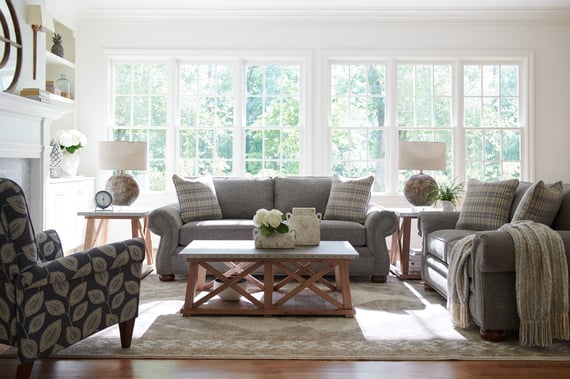
Frequently Asked Questions
How Do I Arrange Furniture For Small Living Rooms?
Place larger pieces against walls to open space. Use multi-functional furniture to maximize room. Keep pathways clear for easy movement and avoid overcrowding.
What Is The Best Furniture Layout For Conversation?
Arrange seating in a circular or square shape. Keep chairs and sofas close but comfortable. This promotes easy eye contact and natural conversation flow.
How Much Space Should Be Between Furniture Pieces?
Maintain at least 18 inches for comfortable walking. Leave 36 inches in high-traffic areas. Proper spacing avoids clutter and improves room flow.
How To Balance Furniture With Room Size?
Choose furniture proportional to the room’s dimensions. Avoid oversized pieces in small rooms. Use light colors and simple designs to enhance space perception.
Conclusion
Arranging furniture in your living room shapes how you feel and move. Start with a clear plan for space and flow. Choose pieces that fit well and serve your needs. Balance comfort with style for a welcoming place. Small changes can make a big difference here.
Take your time and trust your instincts. Enjoy creating a room that feels just right for you and your guests.