
Struggling to arrange your living room furniture in a rectangular space? You’re not alone.
Getting the layout just right can make your room feel cramped or, better yet, open and inviting. Imagine walking into your living room and instantly feeling comfortable and relaxed, with every piece of furniture perfectly placed. This guide will help you unlock the secret to arranging your furniture so your room looks balanced, stylish, and functional.
Keep reading, and you’ll discover simple tips that transform your space into the cozy haven you deserve.
Maximizing Space
Maximizing space in a rectangular living room can transform how you feel in the room. The shape can sometimes feel narrow or too long, but smart furniture choices and layout tricks can open up the area. You want your living room to feel inviting, not cramped or awkward, so think about how each piece fits and flows.
Choosing The Right Furniture
Pick furniture that fits the scale of your room. Avoid oversized sofas that block pathways or dominate the space. Instead, opt for pieces with slimmer profiles or legs that lift the furniture off the floor, creating a sense of openness.
Consider multi-functional furniture like ottomans with storage or nesting tables. These help keep clutter down and give you flexibility when you need extra surface space. Have you ever noticed how a bulky coffee table can make your room feel smaller? Swapping it for a glass or acrylic one can make a big difference.
Creating A Focal Point
A clear focal point can anchor the room and guide furniture placement. It could be a fireplace, a large window, or a piece of artwork. Arrange seating so it faces this focal point, which naturally draws the eye and organizes the space.
If you don’t have a natural focal point, create one with a bold rug or a statement piece of furniture. This gives the room a purpose and makes it easier to decide where to place your sofa and chairs. Think about how your eye moves when you enter the room—where do you want it to stop?
Balancing Functionality And Style
Balancing functionality and style in a rectangular living room can be challenging, but it’s essential to create a space that feels both practical and inviting. You want your furniture to serve your daily needs while reflecting your personal taste. Achieving this balance means making thoughtful choices about layout, comfort, and storage without sacrificing aesthetics.
Seating Arrangements
Think about how you use your living room most. Do you entertain often, or is it mainly a quiet retreat? Arrange your seating to encourage conversation but also allow easy movement.
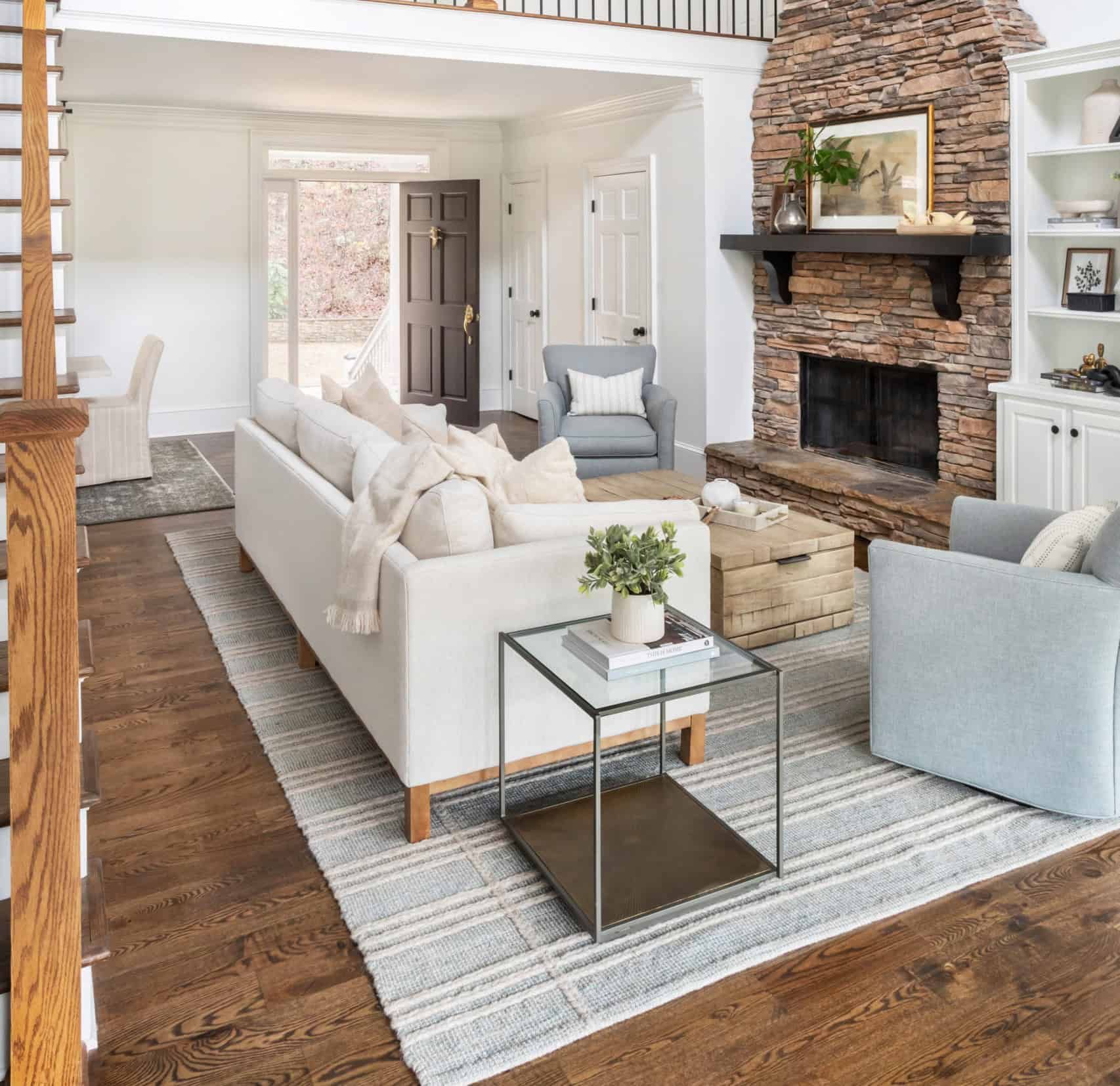
Try placing a sofa along the longer wall and adding chairs or a loveseat opposite it to create a natural flow. Avoid blocking pathways with bulky furniture. Using pieces like ottomans or stools can add flexible seating without crowding the space.
Have you noticed how some seating setups feel cramped while others invite you to relax? It often comes down to spacing. Leave at least 18 inches between seating pieces to keep things comfortable but cozy.
Incorporating Storage Solutions
Storage doesn’t have to mean sacrificing style. Choose furniture that doubles as storage, such as coffee tables with drawers or benches with hidden compartments. These options keep clutter out of sight and maintain a clean look.
Wall-mounted shelves or slim cabinets work well in rectangular rooms, freeing up floor space. You can display books, decor, or everyday items neatly while adding character.
Consider how often you need access to stored items. Place frequently used things within easy reach and tuck away seasonal or less-used items higher up or in less accessible spots. This way, your living room stays both functional and visually appealing.
Enhancing Traffic Flow
Good traffic flow keeps your living room easy to move through. It helps people feel comfortable and makes the space look neat. Arranging furniture with paths in mind creates a smooth flow that invites guests in. It also prevents accidents and makes your room more functional.
Defining Pathways
Clear paths guide movement across the room. Leave at least 2 to 3 feet of space for walking. Arrange furniture so it does not block doorways or windows. Use rugs or floor patterns to mark walking areas. This helps separate sitting zones from walking paths. Paths should connect key spots like the door, sofa, and TV.
Avoiding Clutter
Clutter narrows pathways and makes a room feel tight. Keep floor space open by removing extra furniture. Use shelves or storage to hide items. Avoid placing small tables or chairs in main walking routes. Regularly tidy the space to maintain clear paths. This keeps your room inviting and easy to navigate.
:max_bytes(150000):strip_icc()/CarinaSkrobeckiPhoto_JessicaNelsonDesign_252222ndAve_01-47bc103d13e34f8d89179a86e968e7eb-5b0a8608f5c64a999203309e3fd0af57.jpg)
Lighting Considerations
Lighting shapes the mood and usability of your rectangular living room. Good lighting highlights your furniture layout and creates a cozy atmosphere. Balancing natural and artificial light makes the room inviting and functional. Thoughtful lighting improves comfort and enhances the room’s style.
Natural Vs Artificial Lighting
Natural light brings warmth and freshness to the living space. Large windows or glass doors help fill the room with sunlight. Place seating near these sources to enjoy daylight while relaxing.
Artificial lighting adds brightness when natural light fades. Use ceiling lights for general illumination. Floor and table lamps offer softer, focused light. Mixing both types keeps the room lively all day.
Consider window treatments to control sunlight. Sheer curtains soften harsh rays without blocking light. Darker drapes provide privacy and reduce glare in the evening.
Accent Lighting Strategies
Accent lighting highlights art, plants, or architectural features. Use spotlights or wall-mounted lamps to draw attention. This adds depth and visual interest to the rectangular space.
- Place LED strips under shelves for subtle glow.
- Use picture lights to brighten artwork.
- Add small lamps on side tables for cozy corners.
Accent lights create layers and prevent a flat look. They help separate areas in a long room without walls.
Decorative Accents
Decorative accents transform your living room from a simple rectangular space into a cozy and personalized haven. They add texture, color, and character, making the room feel inviting and well thought out. Choosing the right accents can also balance the layout, drawing attention to key areas and softening sharp lines.
Using Rugs And Carpets
Rugs and carpets anchor your furniture and define different zones in the room. A large rug under the seating area can create a focal point and make the space feel warmer.
Choose rugs with patterns or colors that complement your furniture but avoid anything too busy that might clash. Layering a smaller rug over a larger neutral one can add depth and interest without overwhelming the room.
Think about texture too—wool or shag rugs bring softness underfoot, while flatweaves keep things sleek. Have you tried positioning a rug so it extends beyond the furniture legs? It can make the space feel bigger and more connected.
Choosing Artwork And Accessories
Artwork and accessories give your room personality and tell your story. Select pieces that resonate with your style and create a visual rhythm across the walls and surfaces.
Grouping smaller frames in a grid or gallery wall can fill a large empty wall without overpowering it. Don’t be afraid to mix different textures like wood, metal, and fabric for more visual interest.
Accessories like vases, books, and plants add layers and invite touch, making your living room feel lived-in and loved. Ask yourself: which items spark joy or start conversations? Those are the ones worth displaying.
Adapting For Technology
Technology plays a big role in how living rooms are arranged today. Devices like TVs, sound systems, and smart home gadgets need space and power. Setting up furniture around these devices helps create a neat and comfortable room. Planning for technology improves both function and style in a rectangular living room.
Integrating Entertainment Systems
Place the TV where it is easy to see from all seats. Use a TV stand or wall mount to save floor space. Arrange seating to face the screen without blocking walkways. Keep speakers near the TV for better sound quality. Consider a media console with shelves to hold devices and accessories.
Concealing Cables And Wires
Hide wires to keep the room tidy and safe. Use cable covers that match the wall or floor color. Run cables behind furniture to keep them out of sight. Use cable clips to group wires together neatly. Choose furniture with built-in cable management for a cleaner look.
Personalizing The Space
Personalizing the space in a rectangular living room transforms it from a simple layout into a reflection of who you are. It’s about making choices that speak to your style and comfort, turning functional furniture arrangement into a warm, inviting environment. How can you make sure your living room feels uniquely yours?
Reflecting Personal Taste
Your living room should tell your story through colors, textures, and styles you love. Think about the pieces that catch your eye in stores or online—are they modern, rustic, or eclectic? Use these preferences as a guide to select furniture that fits both your taste and the room’s shape.
Consider mixing materials like wood, metal, and fabric to add depth. If you prefer minimalism, choose sleek sofas and simple coffee tables that complement the rectangular layout without overcrowding it. Ask yourself: does this piece excite me every time I walk in?
Adding Personal Touches
Small details make a big difference. Adding a few personal touches can turn a generic room into your sanctuary. Display items like family photos, travel souvenirs, or favorite books on shelves or side tables to inject character.
Textiles are another easy way to personalize. Throw pillows, blankets, and rugs in your favorite colors or patterns can soften the room and enhance comfort. Have you tried swapping out cushions or art seasonally to keep the space feeling fresh and connected to your mood?

Frequently Asked Questions
How To Optimize Space In A Rectangular Living Room?
Maximize space by arranging furniture along longer walls. Use multi-functional pieces and maintain clear walkways to avoid clutter. This creates an open, balanced feel and improves room flow, making your living space both stylish and practical.
What Is The Best Sofa Placement In Rectangular Rooms?
Place the sofa against the longer wall or centered facing a focal point. This arrangement maximizes seating and maintains room balance. It also allows for easy conversation and movement within the space.
How To Create Zones In A Rectangular Living Room?
Use rugs and furniture groupings to define different areas. For example, place a seating area separate from a reading nook. This helps break up the long shape and adds functional zones without overcrowding.
Which Furniture Shapes Suit Rectangular Living Rooms Best?
Opt for rectangular or oval furniture to complement the room shape. Avoid bulky or round pieces that disrupt flow. Slim and streamlined designs enhance the room’s natural lines and create a cohesive look.
Conclusion
Arranging furniture in a rectangular living room can feel tricky. Keep pathways clear and balance the space well. Use rugs and lighting to define areas. Choose furniture that fits the room’s size and shape. Small touches, like pillows and plants, add warmth.
Play with angles to avoid a boxy look. This simple approach creates a cozy, inviting room. Your living room will feel open and comfortable. Try these tips to make the most of your space.