
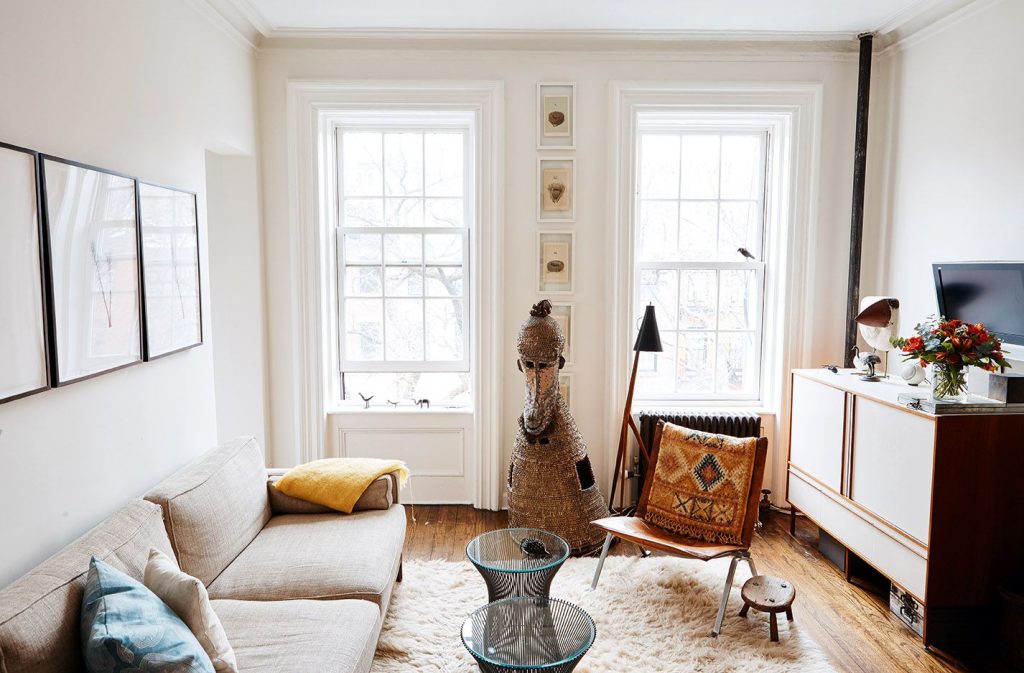
Struggling to make your small living room feel cozy and spacious at the same time? You’re not alone.
Finding the right furniture that fits perfectly without crowding your space can be tricky. But what if you could discover simple, smart ideas that transform your small living room into a stylish and comfortable haven? Keep reading, because the tips ahead will help you unlock the full potential of your space, making every inch count without sacrificing style or comfort.
Your dream living room is closer than you think.
:max_bytes(150000):strip_icc()/image_2-e2efef3baa354bd4bfb386eb2e048afb.png)
Maximizing Space With Multifunctional Furniture
Maximizing space in a small living room can feel like solving a puzzle. Multifunctional furniture offers solutions that save room without sacrificing style or comfort. These pieces do more than one job, helping your living space adapt to your needs throughout the day.
Convertible sofas and daybeds are lifesavers in small living rooms. They serve as comfy seating during the day and turn into beds at night for guests. Choosing one with built-in storage underneath adds even more value.
Imagine hosting friends without the hassle of extra mattresses or bulky furniture. These pieces let you switch between relaxation and function effortlessly. What if your sofa could also hold your blankets and pillows?
Storage ottomans and coffee tables combine two needs into one. You get a place to rest your feet or drinks, plus hidden compartments for books, toys, or remote controls. This helps keep your living room tidy without extra shelves.
Think about how much clutter can disappear with just one smart piece of furniture. It keeps your essentials close but out of sight. Can you imagine your living room feeling more open and organized with one simple swap?
Wall-mounted desks and fold-down tables free up floor space by folding away when not in use. They are perfect for small apartments where a dedicated office or dining area is a luxury. These pieces let you create a workspace or dining spot only when needed.
Picture having your own mini-office that disappears after work hours. It keeps your living area flexible and uncluttered. How much more could you do with your living room if you had furniture that disappears on demand?
Choosing The Right Sofa For Small Spaces
Choosing the right sofa for small living rooms is key to comfort and style. A well-chosen sofa fits the space without crowding it. It balances functionality with aesthetics. This ensures your room feels open and inviting. Consider size, shape, and features carefully. Each choice affects the room’s flow and usability.
Measuring Your Space Accurately
Start by measuring your living room area. Note the length, width, and height. Mark doorways and walkways too. This helps avoid buying a sofa too big or small. Keep some space around the sofa for easy movement.
Choosing Compact And Multi-functional Sofas
Opt for sofas with slim profiles and clean lines. Sofas with built-in storage save space. Sleeper sofas offer extra functionality for guests. Look for pieces that serve more than one purpose.
Selecting Light Colors And Materials
Light colors make a room appear larger. Choose fabrics like linen or cotton for a fresh look. Avoid heavy, dark upholstery that can overwhelm the space. Smooth textures keep the room airy and bright.
Considering Sofa Shapes For Small Rooms
Sectionals with a chaise can fit corners well. Loveseats provide seating without bulk. Armless sofas open up the room visually. Rounded edges create flow and reduce sharp lines.
Utilizing Vertical Space With Shelving
Utilizing vertical space with shelving is a smart way to maximize small living rooms. Shelves free up floor space and add storage without clutter. They create a clean, organized look while keeping essentials close. Vertical storage helps keep the room open and airy. Shelving can also showcase decor and personal items, adding charm and personality.
Choosing The Right Shelving Style
Select shelves that fit the room’s style and size. Floating shelves save space and look modern. Tall bookshelves use wall height effectively. Ladder shelves add character and offer multiple levels for storage. Corner shelves make use of unused corners.
Maximizing Storage With Multi-functional Shelves
Use shelves that serve more than one purpose. Shelves with hooks hold keys or bags. Shelves with baskets hide clutter. Combine open shelves with closed cabinets for flexibility. Adjustable shelves adapt to different items.
Decorating Shelves To Enhance The Room
Balance storage and decoration on shelves. Mix books with plants to add color and life. Use small frames to personalize space. Keep heavier items on lower shelves for safety. Leave some empty space to avoid crowding.
Installing Shelves Safely And Efficiently
Secure shelves properly to walls for safety. Use anchors for drywall to hold weight. Measure space carefully before installation. Space shelves evenly for a neat look. Avoid overloading to prevent damage.
Compact Coffee Tables And Alternatives
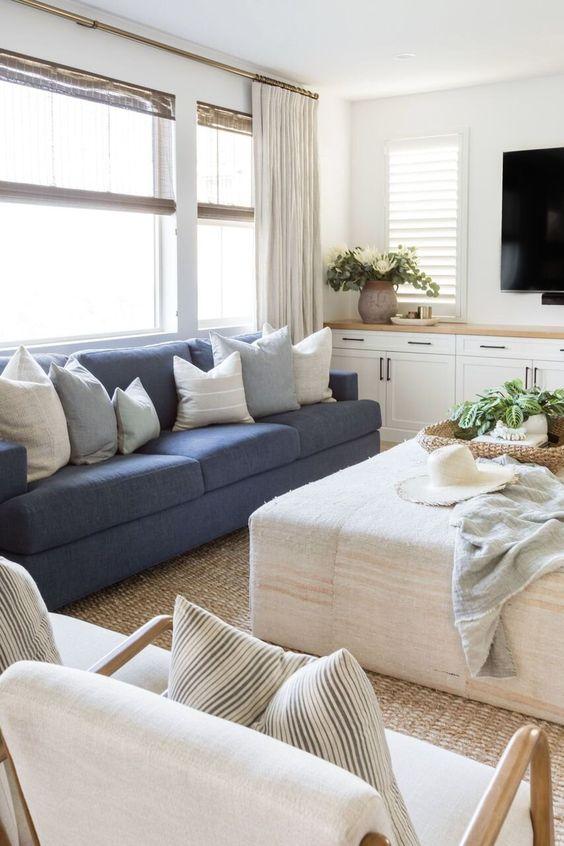
Compact coffee tables fit perfectly in small living rooms. They save space without losing style or function. These tables offer room for drinks, books, and décor. Their small size keeps the room open and airy. Alternatives to traditional coffee tables can add versatility and unique flair.
Choosing the right table helps balance comfort and space. Some pieces even provide extra storage. Others can serve more than one purpose. This section explores options that suit tiny living areas well.
Multi-functional Nesting Tables
Nesting tables stack together, saving space when not in use. Pull them apart for extra surface area during guests or activities. Their compact design fits snugly in corners or beside sofas. Choose lightweight materials for easy movement. These tables blend well with various décor styles.
Storage Ottomans As Coffee Tables
Storage ottomans double as seating and coffee tables. Lift the top to reveal hidden storage inside. Perfect for stashing blankets, magazines, or toys. Soft surfaces prevent bumps in small spaces. They add comfort and keep clutter out of sight.
Foldable And Drop-leaf Tables
Foldable tables collapse flat when not needed. Drop-leaf tables extend surface space with hinged sides. Both types adjust to fit your needs quickly. Ideal for flexible living rooms with changing layouts. Easy to store away, they keep rooms tidy.
Wall-mounted Folding Tables
Wall-mounted tables fold down from the wall to save floor space. Great for tiny rooms with limited walking areas. Use them as coffee tables or small work desks. When folded, they blend into the wall and disappear. This setup keeps the room open and uncluttered.
Clear Acrylic And Glass Tables
Clear acrylic or glass tables create a sense of openness. They take up visual space but remain physically small. Light passes through, making rooms feel larger. These tables suit modern and minimalist designs well. Easy to clean and maintain for busy homes.
Incorporating Foldable And Stackable Pieces
Choosing foldable and stackable furniture can transform your small living room into a versatile and clutter-free space. These pieces offer flexibility, allowing you to change your room’s layout in moments without losing functionality. Have you ever wished your living room could adapt to different activities without feeling crowded?
Benefits Of Foldable Furniture For Small Spaces
Foldable furniture saves precious floor space by collapsing when not in use. Items like foldable chairs, tables, or desks can be tucked away easily, making your room feel more open. This adaptability is perfect if you like hosting guests or need a workspace that disappears after hours.
Think about a foldable dining table that expands only when you have visitors. Or a foldable chair that doubles as extra seating during movie nights. These pieces keep your living room functional without overwhelming it.
Stackable Furniture: Maximizing Vertical Space
Stackable furniture lets you use vertical space smartly. Chairs, stools, or storage units that stack can be stored compactly when unused. This approach frees up floor area and keeps your room tidy.
Imagine stackable stools that you pull out for friends and then neatly pile up in a corner. This method avoids clutter and keeps your living room welcoming. How could you rearrange your space if bulky furniture wasn’t always in the way?
Choosing The Right Materials And Designs
Lightweight materials like aluminum or plastic make foldable and stackable furniture easier to move. Look for designs that combine comfort with functionality, such as padded folding chairs or stackable ottomans with storage inside.
Durability matters too—select furniture that can handle daily use without losing shape. Your choices should blend with your room’s style while enhancing its usability. What design features matter most to you when picking versatile furniture?
Creative Seating Solutions
Creative seating solutions make small living rooms comfortable and stylish. They use space smartly, offering more than just seats. These ideas help keep the room open and inviting.
Multi-functional Furniture
Choose furniture that serves more than one purpose. A sofa bed or an ottoman with storage adds seating and extra space. This reduces clutter and keeps the room tidy.
Compact Chairs And Stools
Small chairs and stools fit easily in tight corners. They can be moved around quickly for extra seating. Their lightweight design makes rearranging simple.
Built-in Seating
Built-in benches or window seats save floor space. They often include storage underneath. These seats create cozy spots for reading or relaxing.
Foldable And Stackable Options
Foldable chairs and stackable stools are space savers. Fold them away or stack when not in use. Perfect for occasional guests without crowding the room.
Use Of Floor Cushions
Floor cushions add casual seating without bulky furniture. They can be stacked or stored easily. Ideal for informal gatherings and kids’ play areas.
Optical Illusions With Mirrors And Lighting
Mirrors and lighting create powerful optical illusions in small living rooms. They make spaces feel larger and brighter without extra furniture. Strategic placement of mirrors reflects light and views, expanding the room visually.
Lighting highlights key areas and adds depth. Combining different light sources prevents shadows that shrink the space. Together, mirrors and lighting transform cramped rooms into inviting, open areas.
Using Mirrors To Expand Visual Space
Place a large mirror opposite a window to reflect natural light. This doubles the brightness and opens the room.
Mirrors with simple frames avoid clutter. Full-length or oversized wall mirrors work best for small rooms.
Cluster smaller mirrors in creative patterns to add style and depth.
Layering Light For A Spacious Feel
Use a mix of ceiling lights, floor lamps, and table lamps. This spreads light evenly across the room.
Choose warm white bulbs for a cozy, inviting glow. Avoid harsh, cold lighting that can feel cramped.
Dimmer switches help adjust brightness for different moods and times of day.
Combining Mirrors And Lighting For Maximum Effect
- Position lamps near mirrors to bounce light around the room.
- Use mirrored furniture to reflect light and add shine.
- Highlight mirrors with spotlights or sconces to create focal points.
This combination tricks the eye into seeing a larger, more open living space.
Color Schemes For An Open Feel
Choosing the right color scheme can make a small living room feel larger and more open. Light and neutral colors reflect more light, creating a bright and airy atmosphere. Using soft shades on walls and furniture helps the space feel less crowded. Contrast with darker accents adds depth without closing in the room.
Color schemes influence mood and perception. Cool tones like blues and greens calm the space and expand visual boundaries. Warm tones such as soft yellows or light peach bring warmth but should be used sparingly to avoid overwhelming the room.
Using Light Neutrals To Brighten The Room
Light neutrals like white, beige, and light gray open up the space. These colors reflect natural light well. They create a clean and fresh look. Pair them with simple furniture to keep the room airy. Use different textures to add interest without clutter.
Incorporating Pastel Colors For Softness
Pastels add gentle color without heavy impact. Soft pink, mint green, and powder blue create a calming feel. These shades keep the room feeling light and spacious. Pastels work well on walls or small furniture pieces. They blend easily with neutral tones for balance.
Adding Contrast With Dark Accents
Dark colors create depth in small spaces. Use navy, charcoal, or deep green in small doses. Accent pillows, rugs, or picture frames add interest. Dark accents prevent the room from looking flat. Keep the main colors light to maintain openness.
Monochromatic Schemes For A Cohesive Look
Using different shades of one color unifies the room. A monochromatic scheme simplifies design and feels spacious. Light blue walls with navy cushions create harmony. This approach avoids visual clutter. It makes small rooms appear more organized and open.
Smart Storage Solutions
Smart storage solutions are essential for small living rooms. They help keep the space tidy and functional. Clever furniture pieces can hide clutter and save floor space. These ideas make your room look bigger and more organized.
Multi-functional Furniture
Choose furniture that serves more than one purpose. Sofas with built-in storage compartments are perfect. Ottomans can store blankets or magazines. Coffee tables with shelves or drawers add extra space. These pieces reduce the need for extra storage units.
Wall-mounted Shelves
Use vertical space with wall-mounted shelves. They keep items off the floor and create a clean look. Display books, plants, or decorative items. Floating shelves work well in small rooms. They do not take up valuable floor space.
Under-furniture Storage
Utilize the space under your furniture. Beds and sofas with clearance underneath offer hidden storage. Use storage boxes or baskets to organize smaller items. This method keeps clutter out of sight but easy to reach.
Corner Storage Units
Make use of unused corners with corner shelves or cabinets. These units fit snugly and maximize space. Perfect for storing books, electronics, or decorative pieces. Corner storage keeps things organized without crowding the room.
Foldable And Stackable Solutions
Opt for foldable or stackable furniture and storage. Foldable tables and chairs save space when not in use. Stackable bins and boxes help organize items neatly. These solutions keep your living room flexible and clutter-free.
Frequently Asked Questions
What Furniture Suits A Small Living Room Best?
Compact, multi-functional furniture suits small living rooms best. Look for pieces with built-in storage and slim profiles. Avoid bulky items to save space. Choose light colors to create an airy feel.
How To Maximize Space With Small Living Room Furniture?
Use furniture with hidden storage to reduce clutter. Opt for foldable or stackable pieces to save space. Arrange furniture to allow easy movement. Mirrors and light colors also enhance spaciousness.
Which Materials Work Well For Small Living Room Furniture?
Lightweight materials like wood, metal, and glass work well. These materials keep the room feeling open and airy. Avoid heavy, dark furniture as it can make the space feel cramped.
Can Multifunctional Furniture Improve Small Living Room Use?
Yes, multifunctional furniture like sofa beds or storage ottomans maximize utility. They combine seating and storage, saving space. This approach enhances functionality without overcrowding the room.
Conclusion
Small living rooms can feel cozy and stylish. Choose furniture that fits well and saves space. Multi-use pieces help keep rooms neat and open. Light colors and simple designs make rooms feel larger. Remember to keep pathways clear for easy movement.
Adding mirrors can brighten and expand your space visually. With smart choices, even small rooms feel inviting and comfortable. Try these ideas to create your perfect small living room.