

Are you standing outside your home, staring at its walls, wondering what color will not only beautify your space but also boost its value? Choosing the perfect exterior paint color can be a game-changer.
It’s not just about aesthetics; the right color can evoke emotions, make a statement, and even influence how others perceive your home. You might feel overwhelmed by the endless options, but don’t worry—you’re not alone. Imagine walking up to your house each day, feeling a sense of pride and satisfaction with your choice.
Curious about which color can transform your home into a neighborhood masterpiece? Let’s explore the possibilities together.
Factors To Consider
Choosing a color for your home’s exterior involves considering factors like neighborhood style and climate. Light shades can keep homes cooler in warm areas. Darker colors may highlight architectural details and withstand harsh weather better.
Choosing the right color for the exterior of your home involves more than just picking a shade that catches your eye. It’s about considering various factors that ensure your home not only looks beautiful but also harmonizes with its surroundings. A thoughtful color choice can elevate your home’s curb appeal and even impact its value. So, what should you keep in mind when deciding on the perfect hue?Climate And Environment
The climate and environment play a crucial role in your decision. If you live in a sunny area, lighter shades can help reflect heat and keep your home cooler. On the other hand, darker colors might be better suited for cooler climates, as they absorb heat, providing a bit of warmth. Think about your surroundings. A home nestled among lush greenery might benefit from earthy tones that blend seamlessly. If your house is near the coast, softer blues and whites could echo the calming sea vibes.Architectural Style
Your home’s architectural style is a significant factor in choosing an exterior paint color. Traditional homes often look striking in classic whites and creams, while modern designs might call for bold, contrasting colors. Consider your home’s unique features. Does it have intricate moldings or stonework? Highlight these details with complementary shades that make them stand out. A friend of mine painted their Victorian home in pastel shades, emphasizing its charming details and creating a whimsical look that delighted passersby.Neighborhood Trends
Look around your neighborhood. Are there prevalent color schemes that most homes adhere to? While you want your home to stand out, you also don’t want it to stick out like a sore thumb. Observe the colors your neighbors have chosen. Are there any common themes? Perhaps your neighborhood favors muted tones or vibrant hues. Choosing a color that complements these trends can help maintain harmony in the area and prevent your home from clashing with its surroundings. Ultimately, the choice is yours. What does your home say about you? By considering these factors, you can make an informed decision that reflects your personality while enhancing your home’s exterior.
Credit: www.veranda.com
Popular Color Choices
Choosing the right color for your home’s exterior can enhance its curb appeal. Neutral tones like beige and gray are popular for a timeless look. Bold hues such as navy or forest green add character and charm.
Choosing the right color for your home’s exterior can transform its look. Popular color choices give your home a welcoming and fresh appearance. Here, we explore some trending color options that homeowners love.Neutral Tones
Neutral tones are timeless and versatile. Colors like beige, gray, and white are popular. They create a classic and elegant look. These shades blend well with any landscape. They also make your home look larger and brighter. Neutral tones are easy to match with trim and accents. For a modern twist, consider a soft gray with white trim. This combination adds sophistication to your home.Bold And Vibrant Colors
Bold colors make a strong statement. Bright blues, greens, and reds add personality. These colors can make your home stand out in the neighborhood. Use vibrant colors with caution. Too much can overwhelm. Balance is key. Pair bold walls with neutral trims. This contrast highlights your home’s best features. Bold colors are great for those who love uniqueness and creativity.Earthy And Natural Shades
Earthy colors connect your home to nature. Browns, greens, and taupe are cozy and inviting. These shades are perfect for homes in natural settings. They blend seamlessly with the environment. Earthy tones also evoke warmth and comfort. A soft olive or rich brown can enhance your home’s charm. These colors work well with stone or wood accents. They give your home an organic and harmonious feel.Color Psychology
Choosing the right color for your home’s exterior can influence mood and perception. Cool tones like blue and gray create calm and elegance. Warm shades such as yellow or red bring warmth and energy. Consider the surrounding environment and personal preference for a harmonious look.
Choosing the right color for your home’s exterior is important. Colors affect emotions and perceptions. They can change the way we feel and see spaces. Understanding color psychology helps in making the best choice.Impact On Mood
Colors have the power to influence our mood. Bright colors like yellow and orange can uplift spirits. These hues bring warmth and energy to the surroundings. Cool colors such as blue and green promote calmness. They create a serene environment. Neutral tones like gray and beige offer balance. They provide a soothing effect without overwhelming the senses.Perception Of Home Size
Color choices can alter the perception of size. Light colors such as white and cream make spaces seem larger. They reflect more light, making a home appear more spacious. Dark shades like navy and charcoal can make a house look smaller. They absorb light, giving a cozy and compact feel. Mid-tones like taupe can provide a balanced perception.Curb Appeal Influence
The exterior color impacts curb appeal. Vibrant colors catch the eye and make a statement. They stand out and attract attention. Soft colors blend well with nature and create harmony. They enhance the landscape without overpowering it. Classic colors like black and white add elegance. They provide a timeless look that appeals to many.
Credit: www.hgtv.com
Harmonizing With Surroundings
Choosing the perfect color for your home’s exterior is more than just a matter of personal taste; it’s about creating harmony with the surroundings. This involves considering various elements that make up your home’s environment. By thoughtfully selecting colors that complement these aspects, you can enhance your home’s curb appeal and make it feel like part of the landscape.
Landscaping Integration
Your garden and yard play a significant role in your home’s overall aesthetic. Consider the hues of your plants, flowers, and trees when selecting your exterior paint color. If you have vibrant blooms, a neutral tone might be best to let nature’s colors shine. Conversely, if your landscaping is lush with greens, a bold color can add a striking contrast. Imagine how a soft sage green could blend seamlessly with your garden, creating a serene and cohesive look.
Matching With Roof And Trim
Your roof and trim are permanent fixtures that significantly impact the overall color scheme of your home. Evaluate their colors and materials to ensure your chosen paint complements them. If your roof has earthy tones, consider a warm shade for your walls to create a unified appearance. For instance, pairing a terracotta roof with a rich taupe exterior can create a harmonious visual effect. Don’t forget to factor in the color of your trim, as it can either highlight or mute the overall palette.
Complementing Exterior Features
Think about the other elements of your home that influence its exterior look, like brickwork, stone accents, or wooden features. These materials often have their own distinct colors, which should be considered when selecting your paint. If your home boasts a stone facade, a complementary shade that highlights the stone’s natural beauty can work wonders. Visualize how a soft gray wall might enhance the rugged elegance of slate stonework. Ask yourself how you can use paint to bring out the unique qualities of these features.
Testing Colors
Selecting the right color for your home’s exterior can enhance its charm and curb appeal. Choose colors that complement the surroundings and suit your personal style. Consider factors like climate, neighborhood trends, and architecture to find the perfect shade.
Testing colors is crucial in choosing your home’s exterior paint. Before making a decision, experiment with different shades. This helps you visualize how each color will appear on your house. Testing ensures satisfaction with your final choice.Sample Patches
Apply sample patches on different parts of your home’s exterior. Choose areas with varying sun exposure. Use at least three colors for comparison. Paint large enough sections for a clear view. This gives a better sense of how each color looks on your walls.Viewing In Different Lighting
Colors can change under different lighting conditions. Check your sample patches at various times of the day. Morning light might make colors appear cooler. Afternoon sunlight could warm them up. Evening shadows might alter the color tone. This step helps ensure your chosen color looks great all day.Seasonal Variations
Seasonal changes can impact your home’s appearance. In summer, bright colors might appear more vibrant. In winter, darker shades could look muted. Consider how your chosen color complements the surrounding environment. This helps maintain a harmonious look throughout the year.Hiring Professionals
Choosing the right color for your home’s exterior can be challenging. Hiring professionals ensures expert advice and perfect results. Their experience helps in selecting colors that enhance your home’s curb appeal.
Choosing the right color for your home’s exterior is a big decision. It can transform the look of your property and increase curb appeal. But where do you start? Hiring professionals can make the process smoother and ensure the results are exactly what you envision.Consulting A Color Expert
A color expert can guide you through selecting shades that complement your home’s architecture and surroundings. They can show you how different hues react to sunlight and shadow throughout the day. Imagine the surprise when a color you thought was perfect looks entirely different under natural light. Consulting an expert can prevent such surprises and provide peace of mind. Consider bringing samples home to see how they appear at different times. It’s a practical step that many homeowners overlook.Selecting A Painting Contractor
Choosing the right painting contractor is crucial for a flawless finish. Look for professionals with a solid reputation and a portfolio that matches your style. Ask for references and visit homes they have previously painted. Seeing their work firsthand can be more reassuring than online reviews. Discuss timelines and ensure they align with your schedule. A reliable contractor should respect your time and your home.Budget Considerations
Budget is often a deciding factor in hiring professionals. It’s vital to balance quality with cost. Cheaper options might save money initially, but could cost more in the long run if the work needs redoing. Ask for detailed quotes and understand what is included. Are materials covered? What about prep work? Think about the value a professional finish adds to your home. Sometimes, spending a little more can pay off in increased property value. How do you prioritize quality in your budget?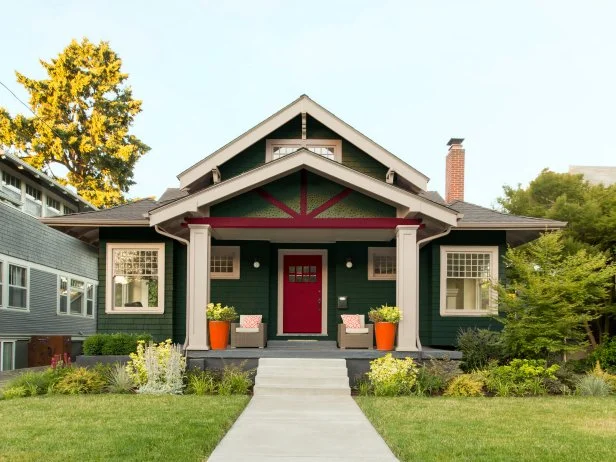
Credit: www.hgtv.com
Frequently Asked Questions
What Factors Influence Exterior Paint Color Choice?
Several factors influence your choice, including architectural style, neighborhood trends, and climate. Consider the surroundings and the mood you want to convey. Light colors reflect heat, ideal for warmer climates, while darker hues add warmth in colder areas. Always test samples before finalizing your decision.
How Can I Test Paint Colors Effectively?
To test paint colors effectively, apply samples to a small section of your exterior. Observe them at different times of day and in varied lighting conditions. This helps you see how colors change with light. Testing ensures you choose a color that complements your home’s style and environment.
Should I Consider Resale Value When Choosing Color?
Yes, resale value is important when selecting a paint color. Neutral tones often appeal to potential buyers, offering a timeless look. Bold colors can deter buyers. Consider your neighborhood’s color scheme to ensure your choice enhances curb appeal and attracts prospective homeowners.
How Do I Choose Complementary Trim Colors?
To choose complementary trim colors, consider shades that enhance the main color. Use color wheel principles for guidance, selecting contrasting or analogous hues. Trim should highlight architectural features without overpowering the main color. Testing several options ensures a harmonious exterior appearance.
Conclusion
Choosing the right paint color matters. It sets the home’s tone. A fresh coat can boost curb appeal. Consider your neighborhood’s vibe. Think about your home’s style. Light colors make it look bigger. Dark shades add drama. Test samples on walls first.
Look at them in different lights. Consult experts if unsure. They help narrow options. Remember, it’s your space. Let it reflect your taste. Painting is an investment. Make choices that last. Your home’s exterior is its first impression. Make it a welcoming one.
Enjoy the transformation.