
Are you struggling to arrange your living room furniture in a way that feels both cozy and functional? Placing furniture might seem simple, but the right layout can completely transform your space.
When you get it right, your living room becomes inviting, spacious, and perfect for relaxing or entertaining. You’ll discover easy tips and clever tricks to help you place your furniture like a pro. Keep reading to unlock the secrets that will make your living room look and feel amazing.
Assessing Space And Function
Assessing the space and function of your living room is the first step to arranging furniture well. It helps create a balanced, comfortable area that meets your needs. Understanding the room’s size, shape, and how you want to use it guides your furniture choices.
Measuring Your Living Room
Start by measuring the length and width of your living room. Note any doors, windows, or built-in features that affect space. Write down these numbers to plan furniture placement accurately. Use a tape measure or a laser measuring tool for precise results.
Also, measure the height of the room for tall furniture. Leave space for walking paths and clearances around furniture. This ensures the room feels open and easy to move through.
Identifying Focal Points
Find the main focal points in your living room. These are spots that naturally draw attention. Examples include a fireplace, large window, TV, or a piece of art. Furniture should be arranged to highlight these features.
Arrange seating around the focal point to create a cozy gathering space. Avoid blocking views or access to windows and doors. Use the focal point to guide your layout choices for balance and flow.
Determining Room Functionality
Decide how the living room will be used most. Will it be for watching TV, reading, socializing, or all of these? Each function needs different furniture and layouts. Prioritize the main activities to choose the right pieces.
Create zones for different uses if the space allows. For example, a reading nook with a chair and lamp separate from the TV area. Plan furniture placement to support comfort and convenience for each function.
Choosing The Right Furniture
Choosing the right furniture sets the foundation for a living room that feels both functional and inviting. The pieces you select should support how you use the space every day, whether it’s for relaxing, entertaining, or working. Thoughtful choices here make arranging furniture easier and the room more enjoyable.
Selecting Essential Pieces
Start with the basics: a comfortable sofa, a coffee table, and sufficient seating. These essentials anchor your living room and define its purpose. Ask yourself, how many people usually gather here? This helps you decide if you need extra chairs or a sectional instead of a standard couch.
Don’t overlook storage options like shelves or cabinets if clutter tends to pile up. A well-chosen bookshelf or media console can keep your living room tidy without sacrificing style.
Considering Scale And Proportion
Furniture should fit the room, not overpower it. Large pieces in a small living room can make the space feel cramped and uncomfortable. On the other hand, tiny furniture in a big room can look lost and awkward.
Measure your space and visualize how much walking room you want to keep. A good rule is to leave at least 18 inches between furniture pieces for easy movement. Think about how the size of each item relates to the others around it—balance is key.
Balancing Style And Comfort
Your living room should reflect your personal taste without sacrificing comfort. A sleek, modern chair might look great but can become a pain to sit in for long. Focus on pieces that feel good to use daily, not just look good in photos.
Mix different textures and fabrics to add warmth and interest. For instance, combine a leather sofa with soft cushions or a cozy throw. What styles inspire you, and how can you blend them so the room feels inviting rather than staged?
Creating A Focal Point
Creating a focal point in your living room guides the furniture placement. It draws attention and creates balance. The focal point sets the room’s mood and style. Arranging furniture around this spot makes the space inviting and functional.
Using Fireplaces Effectively
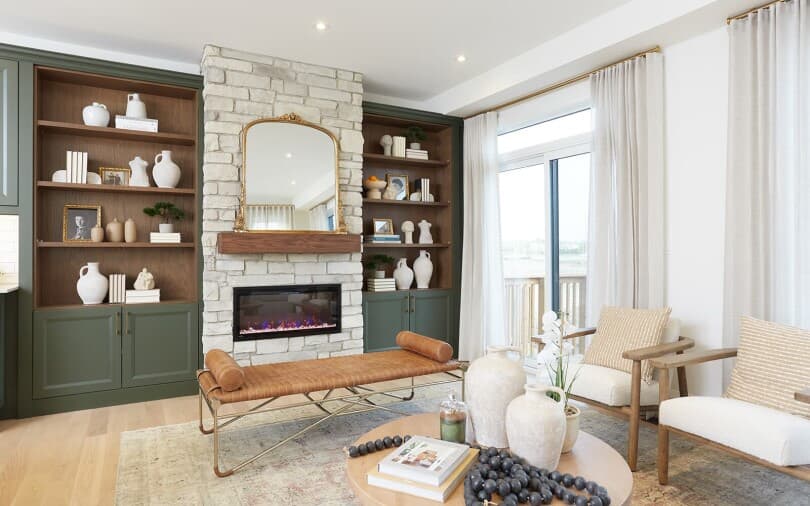
A fireplace naturally attracts the eye. Place sofas and chairs facing or angled toward it. Keep enough space for easy movement around the area. Use a rug to anchor the seating zone. Add soft lighting nearby for warmth and coziness.
Highlighting Artwork Or Decor
Large artwork or a unique decor piece can serve as a focal point. Position furniture to face or flank the art. Use subtle lighting to make the piece stand out. Avoid clutter near the focal area to keep focus clear. This setup enhances the room’s personality.
Positioning Furniture Around A Tv
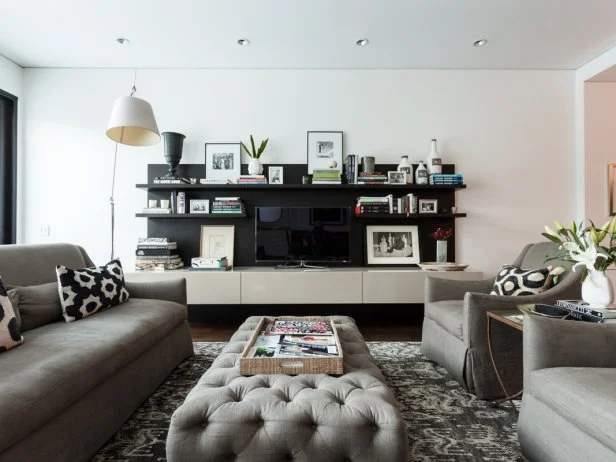
A TV can be the main focus in many living rooms. Arrange seating to offer good screen visibility for all. Keep the TV at eye level for comfort. Maintain clear pathways to avoid blocking views. Balance the tech with soft elements like cushions or throws.
Optimizing Furniture Arrangement
Optimizing furniture arrangement in a living room helps create a comfortable and functional space. It balances style with usability, making the room inviting and practical. Thoughtful placement improves how people interact and move around.
Establishing Conversation Areas
Create seating groups that face each other to encourage talking. Arrange sofas and chairs close enough for easy conversation but with enough space to avoid crowding. Use a rug or coffee table to anchor the area visually. This setup invites guests to relax and engage.
Ensuring Easy Traffic Flow
Keep pathways clear and wide enough for people to walk through comfortably. Avoid placing furniture in direct walking routes. Aim for at least 2 to 3 feet of space between pieces. This prevents bumps and allows smooth movement around the room.
Utilizing Symmetrical Vs. Asymmetrical Layouts
Symmetrical layouts balance furniture evenly on either side of a focal point. This creates a calm and formal look. Asymmetrical arrangements place pieces unevenly but balanced by size and shape. This style feels more casual and dynamic. Choose a layout that fits the room’s mood and size.
Incorporating Multi-functional Furniture
Adding multi-functional furniture to your living room can transform the space into something both stylish and practical. These pieces help you make the most of your room without overcrowding it. Imagine having furniture that not only looks good but also solves everyday problems like storage or seating.
Integrating Storage Solutions
Storage-friendly furniture keeps your living room neat and organized. Think about ottomans with hidden compartments or coffee tables with shelves underneath. These options give you extra space to store blankets, magazines, or remote controls without needing extra cabinets.
Have you ever struggled to find a place for all your living room essentials? Using furniture that doubles as storage can reduce clutter and keep your room looking clean.
Using Convertible Pieces
Convertible furniture changes form to fit your needs throughout the day. A sofa bed, for example, provides seating during the day and a guest bed at night. Folding chairs or extendable tables offer flexibility when hosting friends or family.
Choosing pieces that adapt to different functions means you don’t have to sacrifice comfort or style. What if your living room could quickly transform to fit any occasion?
Maximizing Small Spaces
In smaller living rooms, every inch counts. Multi-functional furniture helps you use space wisely without making the room feel crowded. Nesting tables or wall-mounted desks save floor space while still being functional.
Try to pick lightweight pieces that can be moved easily or stacked when not in use. Could your living room become more spacious simply by swapping in smarter furniture?
Enhancing Aesthetics With Accessories
Accessories have the power to transform your living room from basic to beautiful. They add personality, texture, and warmth that furniture alone can’t achieve. Thoughtfully chosen accessories make your space inviting and reflect your style without overwhelming the room.
Layering Textiles And Rugs
Adding layers of textiles can instantly lift the look of your living room. Mix different fabrics like velvet cushions, knitted throws, and linen curtains to create depth and comfort. Rugs anchor the seating area and define the space, so don’t be afraid to layer a smaller patterned rug over a larger neutral one for visual interest.
Think about the colors and textures you already have. How can you use textiles to complement or contrast with your furniture? This approach turns your living room into a cozy, tactile retreat.
Incorporating Plants And Greenery
Plants bring life and freshness to any living room. They soften hard edges and add a natural element that feels calming. Choose plants that suit your space and lighting—large leafy plants fill empty corners, while small succulents or herbs brighten shelves and coffee tables.
Have you noticed how a splash of green changes your mood? Even if you don’t have a green thumb, low-maintenance plants can still add that essential touch of nature without extra hassle.
Choosing Lighting For Ambiance
Lighting sets the mood and highlights your furniture and accessories. Use a mix of floor lamps, table lamps, and wall sconces to create layers of light. Dimmer switches allow you to adjust brightness, making your living room perfect for reading, relaxing, or entertaining.
Consider the color temperature of bulbs—warm light creates a cozy atmosphere, while cooler light is better for tasks. What kind of vibe do you want to create? Experiment with different fixtures to find what feels right for your space.
Common Mistakes To Avoid
Placing furniture in your living room can transform the space, but certain mistakes can make it feel cramped, awkward, or less inviting. Understanding what to avoid is just as important as knowing what to do. Let’s look at some common pitfalls that could undermine your design efforts and how to steer clear of them.
Ignoring Scale And Proportion
Choosing furniture pieces that don’t match the size of your room can throw off the entire balance. A bulky sofa in a small living room can make it feel cramped, while tiny chairs in a large space might get lost and seem uncomfortable.
Think about how each piece relates to the others and to the room itself. Ask yourself if the furniture feels too overwhelming or too insignificant. Have you ever walked into a room and felt like the furniture was either shouting or whispering at you? That’s scale and proportion at work.
Blocking Natural Light Sources
Natural light breathes life into any room. Placing tall or bulky furniture in front of windows can block sunlight and make the space darker and less inviting.
Try to arrange seating and tables so they complement the light flow instead of interrupting it. You want to enjoy the warmth and brightness the sun offers, not cut it off. Have you noticed how a bright, sunlit room instantly feels more cheerful and spacious?
Overcrowding The Space
Filling every inch with furniture might seem like a good idea, but it often backfires by making your living room feel cluttered and hard to navigate.
Leave enough space for easy movement and breathing room around each piece. Sometimes less truly is more. Can you move comfortably without bumping into chairs or tables? If not, it’s time to rethink your layout.
Frequently Asked Questions
How Do I Start Arranging Furniture In My Living Room?
Begin by measuring the room and noting doorways and windows. Position the largest piece first, like a sofa, then arrange smaller pieces around it for balance and flow.
What Is The Best Furniture Layout For Small Living Rooms?
Use space-saving furniture and arrange pieces against walls. Create open pathways and consider multi-functional furniture to maximize space without clutter.
How Can I Create A Cozy Living Room With Furniture?
Group seating close together to encourage conversation. Use rugs and lighting to define areas and add warmth. Include soft cushions and throws for comfort.
Where Should I Place The Tv In The Living Room?
Place the TV opposite the main seating area to ensure comfortable viewing. Avoid glare by positioning it away from windows or using curtains.
Conclusion
Placing furniture well makes your living room feel warm and inviting. Start with big pieces and fill in with smaller ones. Keep space open to move around easily. Think about how you use the room every day. Balance style and comfort for the best results.
Try different layouts until it feels right. Your living room can become a cozy, functional space. Simple steps bring great changes to your home. Enjoy creating a space that suits you perfectly.