
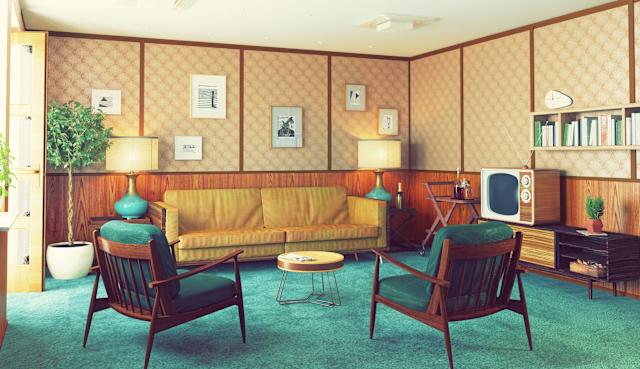
Imagine stepping into your living room and feeling an instant wave of warmth and nostalgia. The rich tones of 1970s wood furniture bring a unique charm that modern pieces often miss.
If you want your space to tell a story and stand out with timeless style, this is exactly what you need. Discover how living room 1970s wood furniture can transform your home into a cozy, inviting haven that reflects your personality.
Ready to see why this classic style is making a big comeback? Keep reading to find out how you can bring that vintage magic into your everyday life.
The Essence Of 1970s Wood Furniture
The essence of 1970s wood furniture captures the spirit of a bold and natural design era. This style blends simplicity with warmth, creating a cozy living room atmosphere. The wood tones are rich and earthy, often showcasing natural grains and textures. These pieces offer durability and timeless charm, making them a favorite for decades.
In the 1970s, furniture was not just functional but also a statement of style. Designers focused on organic shapes and comfortable forms. The use of wood emphasized a connection to nature, which was a key trend during this time. This furniture style remains popular for those who want a vintage yet inviting look.
The Warmth Of Natural Wood Tones
Wood furniture in the 1970s often featured warm, deep colors. Shades like walnut, teak, and oak were common. These hues bring a soothing and natural feel to any living room. The wood’s natural patterns were highlighted rather than hidden.
Simple, Clean Lines With A Touch Of Curve
Designs were straightforward with minimal ornamentation. Clean lines made the furniture easy to fit in various spaces. Curved edges added softness and a unique character. This balance created pieces that were both functional and stylish.
Durability And Functionality In Design
Furniture was built to last with strong joints and solid wood. Many pieces served multiple purposes, such as storage combined with seating. This practical approach made the furniture ideal for everyday living. It ensured that style did not compromise usability.
Connection To Nature And Earthy Vibes
The 1970s embraced natural materials and earthy colors. Wood furniture reflected a desire to bring the outdoors inside. This connection created a calm and grounded living room space. It invited relaxation and comfort through its natural beauty.

Key Characteristics Of 1970s Designs
The 1970s brought a unique flair to living room wood furniture, reflecting the era’s bold and earthy spirit. Understanding the key characteristics of 1970s designs helps you spot authentic pieces and use them creatively in your home. These designs aren’t just about nostalgia; they offer practical style elements that fit well with modern tastes.
Bold Patterns And Textures
1970s furniture often features striking patterns that grab your attention immediately. Think geometric shapes, zigzags, and swirling motifs applied on upholstery or wood inlays. These patterns add energy to a room and create a lively atmosphere without needing extra decoration.
Textures also play a big role, from rough wood grains to smooth lacquer finishes. You might find velvet cushions paired with solid wood frames, giving a tactile contrast that invites touch. Have you noticed how mixing textures can make your living space feel more dynamic and welcoming?
Natural Wood Finishes
Wood in the 1970s was showcased in its natural form, often with minimal staining to highlight its unique grain. Teak, walnut, and oak were popular choices, prized for their durability and warmth. These woods offer an organic feel that connects your living room to nature.
Finishes were usually matte or satin rather than glossy, emphasizing authenticity over artificial shine. This approach helps furniture pieces age gracefully, gaining character over time. Consider how a natural wood finish could add timeless charm to your current décor.
Earthy Color Palettes
Colors in 1970s wood furniture lean towards earth tones like mustard yellow, burnt orange, avocado green, and deep browns. These hues create a cozy and grounded environment that invites relaxation. You don’t have to repaint your walls to enjoy this vibe; adding cushions or rugs in these colors can make a big impact.
Using earthy palettes with wood furniture can also make your space feel more balanced and connected to the outdoors. What small color changes could you make to bring this soothing effect into your living room?
Popular Wood Types Used
Wood furniture from the 1970s has a timeless charm. Its unique style often reflects the natural beauty of the wood used. Choosing the right wood type was crucial for creating lasting pieces. Many popular woods offered strength, color, and grain patterns. These choices helped define the look and feel of living rooms in that era.
Teak And Its Versatility
Teak wood is known for its rich golden color. It resists water and pests naturally. This made teak perfect for both indoor and outdoor furniture. Its smooth texture allows for sleek, stylish designs. Craftsmen favored teak for its easy workability and durability. Over time, teak develops a beautiful silver-gray patina.
Oak For Durability
Oak is a strong, heavy wood. It stands up well to daily use and wear. Its grain is coarse and attractive. Oak furniture often has a classic, sturdy look. It can be stained in many shades to match decor. Oak’s toughness makes it a popular choice for tables and chairs.
Walnut’s Rich Appeal
Walnut wood has a deep, warm color. It ranges from light brown to dark chocolate. Walnut’s fine grain gives furniture a smooth finish. It was used for elegant, high-end pieces. The wood carves easily, allowing detailed designs. Walnut adds a touch of luxury to any living room.
Iconic Furniture Pieces
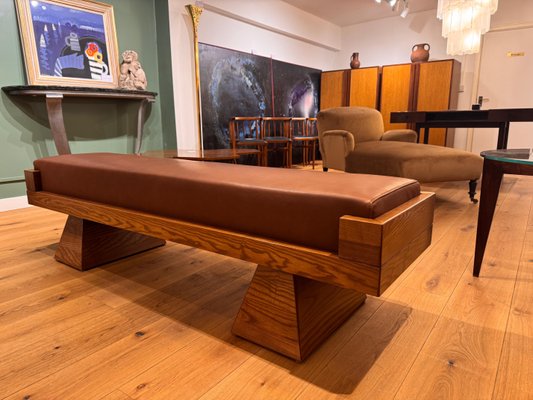
Iconic furniture pieces from the 1970s bring a timeless charm to any living room. These wooden items are not just functional; they tell stories of design innovation and cultural shifts. If you want to add character and warmth to your space, understanding these pieces can guide your choices.
The Rise Of The Coffee Table
The coffee table became a centerpiece in 1970s living rooms, often crafted from rich woods like teak or walnut. Its design balanced utility with style, featuring clean lines and sometimes geometric shapes that caught the eye. Have you noticed how a well-chosen coffee table can anchor your seating area and invite conversation?
Distinctive Armchairs
Armchairs from this era were more than just seats; they were statements. Often made with solid wood frames and plush cushions, these chairs offered comfort without sacrificing design. Imagine sinking into a chair that combines sturdy craftsmanship with cozy support—how would that change your relaxation time?
Stylish Wooden Cabinets
Wooden cabinets from the 1970s stand out for their sleek surfaces and practical storage solutions. They often featured sliding doors or unique hardware, making them both beautiful and functional. Could adding one of these cabinets help you keep your living room organized while adding a vintage touch?
Design Influence And Cultural Impact
The design influence and cultural impact of 1970s wood furniture in living rooms reveal a rich story of style evolution and social change. This era’s pieces are more than just decor; they reflect shifting values and tastes. Understanding these influences helps you appreciate why these designs still resonate today.
Mid-century Modern Inspiration
The 1970s wood furniture drew heavily from mid-century modern design principles. Clean lines, organic shapes, and functional forms dominated the scene. You might notice how simple yet elegant wood pieces create a warm and inviting atmosphere in your living room.
Mid-century modern designers emphasized natural materials, which made wood a perfect choice. This style encourages you to focus on quality over quantity, creating spaces that feel both timeless and comfortable.
Environmental Movement’s Role
The environmental movement of the 1970s played a key role in shaping furniture design. People started valuing sustainability, which led to more use of renewable wood sources. This shift means that choosing vintage or responsibly made wood furniture today can help reduce your environmental footprint.
Have you ever thought about how your furniture choices impact the planet? Opting for wood pieces from this era supports a culture that cared about nature long before it became mainstream.
Celebrity Influence In Design
Celebrities of the 1970s helped popularize wood furniture styles by showcasing them in their homes and on television. Icons like Jane Fonda and Steve McQueen favored earthy, natural interiors that featured wood prominently. Their choices made these designs desirable and accessible to everyday people like you.
This celebrity influence means the styles you admire often carry a story of cultural aspiration. Next time you select a wood piece, imagine the impact it once had on trends and personal expression.
Incorporating Retro Charm In Modern Spaces
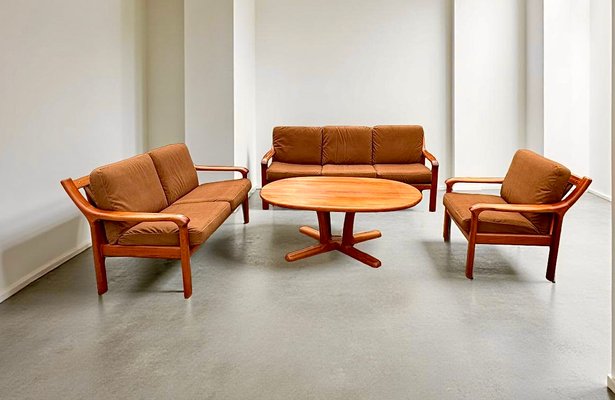
Incorporating retro charm into modern living rooms brings warmth and character. The 1970s wood furniture offers timeless appeal with its rich textures and classic designs. This style creates a cozy vibe that contrasts well with sleek modern elements. Blending old and new styles enhances space without cluttering it.
Mixing Vintage With Contemporary
Combine 1970s wood pieces with minimalist modern furniture. Choose a statement wood coffee table or sideboard with clean lines. Pair wooden textures with metal or glass accents for balance. Use neutral colors to keep the space calm and inviting. Avoid overcrowding to highlight each piece’s beauty.
Accessorizing For Authenticity
Add vintage lamps, rugs, and cushions to deepen retro vibes. Use bold patterns or earthy tones that reflect the 1970s style. Incorporate plants in ceramic or wooden pots for natural warmth. Display retro art prints or old books for personality. Small details bring authenticity to the overall design.
Maintenance Tips For Longevity
- Dust wood furniture regularly with a soft cloth.
- Use wood polish to keep surfaces shiny and protected.
- Avoid placing furniture in direct sunlight to prevent fading.
- Clean spills immediately to avoid stains or damage.
- Check joints and tighten screws to maintain stability.
Frequently Asked Questions
What Defines 1970s Wood Furniture Style?
1970s wood furniture features warm tones, natural finishes, and simple, geometric shapes. It often includes teak or walnut wood. The style reflects mid-century modern and rustic influences. It emphasizes functionality with organic forms and earthy colors.
How To Maintain 1970s Wood Furniture?
Clean with a soft, damp cloth regularly. Avoid harsh chemicals or abrasive cleaners. Use furniture polish or wax to protect the finish. Keep furniture away from direct sunlight and moisture to prevent damage. Regular care preserves its vintage charm.
Where To Find Authentic 1970s Wood Furniture?
Check antique shops, vintage stores, and online marketplaces like Etsy or eBay. Estate sales and auctions can also have authentic pieces. Look for original hardware and wood finishes. Verifying provenance helps ensure authenticity and quality.
What Are Common Wood Types Used In 1970s Furniture?
Teak, walnut, oak, and rosewood were popular choices. These woods offer durability and rich, warm hues. Their natural grain adds texture and character to furniture pieces. Each type reflects the era’s preference for quality materials.
Conclusion
Wood furniture from the 1970s adds warmth to any living room. Its natural tones create a cozy and inviting space. These pieces offer both style and durability. They fit well with modern and vintage decor alike. Choosing 1970s wood furniture can bring character to your home.
It tells a story of design from the past. Simple, classic, and timeless—these items never go out of style. Embrace the charm and comfort they provide every day.