
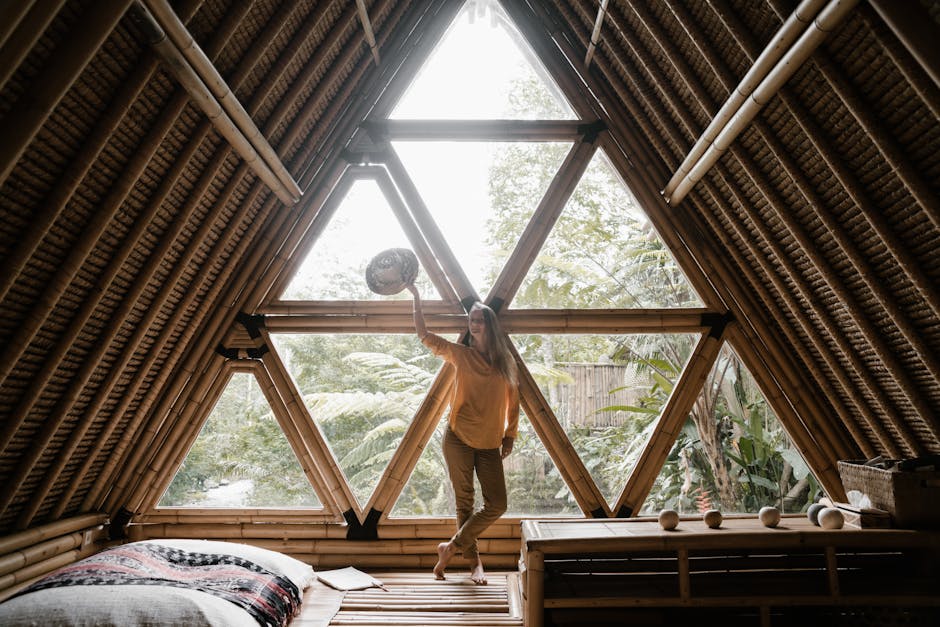
Imagine living in a home that not only looks stunning but also saves you money and helps protect the planet. Your modern eco friendly home can do all that and more.
It’s about smart choices that make your life easier and your footprint smaller. Ready to discover how simple changes can transform your space into a healthy, stylish, and sustainable haven? Keep reading to find out how you can create a home that works for you and the environment.

Credit: www.ideabox.us
Eco Friendly Building Materials
Choosing eco friendly building materials is a key step toward creating a modern home that respects the environment. These materials reduce waste, lower energy use, and improve indoor air quality. The right choices not only protect nature but also make your living space healthier and more comfortable.
Recycled And Renewable Resources
Using recycled materials cuts down on landfill waste and saves raw resources. Items like reclaimed wood, recycled metal, and glass can be just as durable and stylish as new ones. Renewable resources such as bamboo grow fast and regenerate quickly, making them smart choices for flooring and furniture.
Think about how much waste your home project could avoid by choosing these options. Have you considered what’s already available nearby before buying new materials?
Low Impact Insulation Options
Insulation keeps your home warm without wasting energy, but many traditional types harm the environment. Alternatives like sheep’s wool, cellulose made from recycled paper, and cork provide excellent insulation with less impact. These materials are often biodegradable and free from harmful chemicals.
Besides energy savings, low impact insulation improves your home’s air quality. What if your insulation could help both your comfort and the planet?
Non-toxic Finishes And Paints
Many paints and finishes release volatile organic compounds (VOCs) that can harm your health. Choosing non-toxic, water-based paints and natural finishes keeps your home’s air clean. Look for products labeled zero-VOC or low-VOC to reduce exposure to harmful fumes.
Applying these safer finishes doesn’t mean sacrificing style or durability. How much better would your home feel if every coat of paint was a breath of fresh air?

Credit: www.dreamstime.com
Energy Efficient Design
Energy efficient design lowers energy use and reduces bills. It creates homes that stay comfortable year-round. These designs use less electricity and fuel. They also help protect the environment by cutting emissions. Smart planning and technology make homes greener and cheaper to run.
Passive Solar Techniques
Passive solar design uses the sun’s energy to heat and light homes naturally. Large south-facing windows capture sunlight during winter. Overhangs or shades block harsh summer sun to keep rooms cool. Thick walls and floors store heat during the day and release it at night. Proper insulation stops heat from escaping. This reduces the need for heaters and coolers.
High Performance Windows
High performance windows keep heat inside in winter and outside in summer. They have multiple glass layers filled with gas for better insulation. Special coatings reflect heat without blocking light. Tight seals prevent drafts and air leaks. These windows improve comfort and lower heating and cooling costs.
Smart Home Energy Systems
Smart systems control energy use efficiently. Programmable thermostats adjust temperature based on daily routines. Sensors turn lights off in empty rooms. Energy monitors track usage to find savings. Solar panels and batteries store and use renewable energy. These systems help reduce waste and save money.
Water Conservation Methods
Water conservation is a crucial part of creating a modern eco-friendly home. Saving water not only reduces your utility bills but also helps protect the environment. Simple changes and smart systems can make a big difference in how much water you use daily.
Rainwater Harvesting
Collecting rainwater is one of the easiest ways to save water at home. You can set up a rain barrel or a larger catchment system to gather water from your roof. This water can be used for gardening, washing cars, or even flushing toilets.
Installing a rainwater system might seem like extra work, but it pays off quickly. Imagine watering your plants without tapping into your main water supply. How much water could you save each month by doing this?
Greywater Recycling
Greywater comes from sinks, showers, and washing machines. Instead of sending this water down the drain, you can recycle it for outdoor use. This reduces the demand for fresh water and lowers your water bills.
Setting up a greywater system can be simple or complex, depending on your needs. Even a basic system can water your garden efficiently. Have you thought about how much water your household wastes every day?
Water Efficient Fixtures
Switching to water-efficient fixtures is a quick way to cut water use without changing your habits. Low-flow showerheads, faucets, and toilets save gallons of water every day. These fixtures are easy to install and often qualify for rebates.
Choosing the right fixtures can make a big impact. A low-flow showerhead, for example, can reduce water use by up to 50%. What small change could you make today that would save water instantly?
Sustainable Landscaping
Sustainable landscaping supports eco-friendly homes by reducing water use and promoting local biodiversity. It creates gardens that thrive naturally with little maintenance. This approach saves money and protects the environment.
Native Plant Selection
Choosing native plants helps create a balanced ecosystem. These plants need less water and fewer fertilizers. They attract local birds, bees, and butterflies. Native plants adapt well to the local soil and weather. This reduces the need for extra care and chemicals.
Edible Gardens
Growing fruits, vegetables, and herbs at home cuts food miles and waste. Edible gardens encourage healthy eating and save money. They can be small pots or larger garden beds. Using organic methods keeps the soil and plants healthy. Harvest fresh food right outside your door.
Permeable Surfaces
Permeable surfaces let rainwater soak into the ground. This reduces runoff and helps refill groundwater. Materials like gravel, porous concrete, or wood chips work well. These surfaces prevent soil erosion and reduce flooding. They keep your landscape healthy and balanced.
Waste Reduction Strategies
Reducing waste in your modern eco-friendly home isn’t just about cutting down on trash. It’s about changing habits and making small, consistent choices that add up to a big difference. These strategies will help you manage waste more effectively, save money, and feel good about your impact on the planet.
Composting At Home
Composting turns food scraps and yard waste into nutrient-rich soil, cutting down on landfill garbage. Start with a simple bin in your kitchen for vegetable peels, coffee grounds, and eggshells. Over time, you’ll notice less waste going into the trash and healthier plants thriving in your garden.
Have you thought about how much food you throw away daily? Composting can redirect that waste into something useful. Even small apartments can compost with a worm bin or a compact compost tumbler.
Recycling Best Practices
Recycling is more effective when done correctly. Rinse containers to avoid contamination and know which plastics your local program accepts. Mixing non-recyclables with recyclables can spoil whole batches, so sorting carefully matters.
Consider creating a dedicated recycling station at home. Label bins clearly and keep them visible to encourage everyone in your household to participate. This simple setup can transform your recycling habits overnight.
Minimalist Living Approaches
Minimalism reduces waste by focusing on buying less and choosing quality over quantity. When you buy only what you need, you prevent clutter and cut down on packaging waste. This mindset also makes it easier to maintain sustainable habits long-term.
Ask yourself before each purchase: “Do I really need this?” This question helps curb impulse buys that often end up as waste. Embracing minimalism can shift your perspective and make sustainability a natural part of your daily life.
Renewable Energy Integration
Renewable energy integration plays a vital role in modern eco-friendly homes. It reduces reliance on fossil fuels and lowers electricity bills. Homes that use renewable energy help protect the environment by cutting carbon emissions. Integrating renewable energy systems is easier today due to technological advances and affordable options. Homeowners can choose from various clean energy sources to power their homes efficiently.
Solar Panels Installation
Solar panels capture sunlight and turn it into electricity. They are the most popular renewable energy choice for homes. Installing solar panels requires a roof with good sun exposure. Panels come in different sizes and types to fit many roofs. Solar energy systems often include inverters to convert sunlight into usable power. This setup reduces dependence on the grid and lowers energy costs.
Wind Energy Options
Wind turbines generate electricity by using wind flow. Small wind turbines can be installed on residential properties. These turbines work best in areas with steady wind speeds. They provide an additional energy source alongside solar panels. Wind energy helps maintain power supply on cloudy or calm days. Proper placement and size of turbines are important for maximum output.
Energy Storage Solutions
Energy storage stores extra power for later use. Batteries are the most common storage devices in homes. They keep solar or wind energy to use at night or during outages. Efficient storage systems increase energy independence and reliability. Homeowners can monitor and control stored energy with smart devices. Good storage solutions reduce waste and improve overall system performance.
Health And Indoor Air Quality
Maintaining good health starts at home, and the quality of indoor air plays a huge role in that. Poor air quality can cause headaches, allergies, and long-term respiratory problems. Your modern eco-friendly home can be a sanctuary by focusing on clean, fresh air and safe materials.
Ventilation Systems
Proper ventilation is key to removing stale air and bringing in fresh oxygen. Mechanical ventilation systems with heat recovery help save energy while ensuring your indoor air stays fresh.
Consider installing energy recovery ventilators (ERVs) or heat recovery ventilators (HRVs). They efficiently exchange indoor and outdoor air without wasting heat. Have you checked if your home’s ventilation is balanced enough to avoid dampness and mold?
Non-toxic Materials
Many building materials release harmful chemicals called VOCs (volatile organic compounds). Using non-toxic paints, sealants, and furniture can drastically reduce indoor pollution.
Look for products labeled “low-VOC” or “zero-VOC.” Natural materials like bamboo, cork, and reclaimed wood are not only stylish but healthier too. Think about how your flooring or wall paint choices could improve your family’s well-being.
Air Purifying Plants
Adding certain plants to your home can naturally filter the air. Spider plants, snake plants, and peace lilies absorb toxins and increase oxygen levels.
Besides their beauty, these plants can help reduce dust and mold spores. Would you consider greenening your space with these natural air purifiers to boost your health daily?

Credit: www.autoevolution.com
Smart Technology For Sustainability
Smart technology is changing how we live sustainably at home. It gives you control and insights that help reduce waste and save resources without sacrificing comfort. Imagine adjusting your home’s energy use automatically while tracking water consumption in real time. These tools make that possible and easy to manage.
Home Automation
Home automation lets you control lights, heating, cooling, and appliances with just a tap or voice command. You can set schedules so devices run only when needed, cutting down unnecessary energy use.
For example, smart thermostats learn your routine and adjust temperatures accordingly, saving money and energy. Have you ever thought about how much power your gadgets use when left on standby? Automation can switch them off automatically.
Energy Monitoring Tools
Energy monitoring tools provide detailed information on your home’s electricity consumption. They show which devices use the most power and when usage spikes.
With this data, you can make smarter decisions like running appliances during off-peak hours or upgrading to more efficient models. Seeing real-time energy use on your phone made me rethink my daily habits instantly.
Water Usage Sensors
Water usage sensors track how much water flows through your home’s pipes. They alert you to leaks or unusual consumption that might go unnoticed otherwise.
These sensors help you avoid wasting water and reduce your bills. Would you be surprised how much water a small leak wastes over time? Catching it early makes a big difference.
Community And Lifestyle Impact
Modern eco-friendly homes do more than save energy. They shape how communities grow and live together. These homes encourage habits and choices that benefit everyone around them. The lifestyle changes they bring help build stronger, greener neighborhoods. People enjoy healthier environments and closer connections.
Local Sourcing Benefits
Using local materials supports nearby businesses. It reduces pollution from long transportation routes. Local sourcing also keeps money within the community. This boosts the local economy and creates jobs. Fresh, local products often have better quality and less waste.
Shared Resources
Sharing tools, gardens, and spaces cuts costs for everyone. It lowers the need for extra materials and energy. Shared resources build trust and friendships among neighbors. Common areas encourage social gatherings and teamwork. This approach creates a more connected and supportive community.
Sustainable Living Habits
Living sustainably means choosing actions that protect nature. Simple habits like recycling and conserving water make a big difference. Eco-friendly homes often inspire people to reduce waste and energy use. These habits spread as more people join the community. Together, they create a lifestyle that respects the planet.
Frequently Asked Questions
What Defines A Modern Eco Friendly Home?
A modern eco friendly home uses sustainable materials and energy-efficient designs. It minimizes waste and reduces carbon footprint. Smart technology often manages resources effectively. These homes focus on health, comfort, and environmental impact. They blend style with sustainability for future living.
How Do Solar Panels Benefit Eco Friendly Homes?
Solar panels generate clean, renewable energy from sunlight. They reduce electricity bills and dependence on fossil fuels. Solar power lowers greenhouse gas emissions significantly. Installing panels increases property value and energy independence. They are a key feature in modern eco friendly homes.
What Materials Are Best For Eco Friendly Home Construction?
Sustainable materials like bamboo, reclaimed wood, and recycled steel are ideal. They reduce environmental damage and promote recycling. Low-VOC paints and natural insulation improve indoor air quality. Choosing these materials supports durability and energy efficiency in eco homes.
How Does Smart Technology Improve Eco Friendly Homes?
Smart technology optimizes energy and water use through automation. It controls lighting, heating, and appliances efficiently. Sensors detect occupancy and adjust systems accordingly. This reduces waste and lowers utility costs. Smart homes enhance comfort while supporting eco friendly goals.
Conclusion
Building a modern eco-friendly home helps protect our planet. It saves energy and reduces waste every day. Using natural materials keeps the air inside clean. Simple steps like solar panels and rainwater use make a big difference. Eco-friendly homes also lower bills and increase comfort.
Small changes add up to a healthier life for all. Choose green options to create a better future. Living in harmony with nature feels good and smart. This is a path worth taking for every family.