
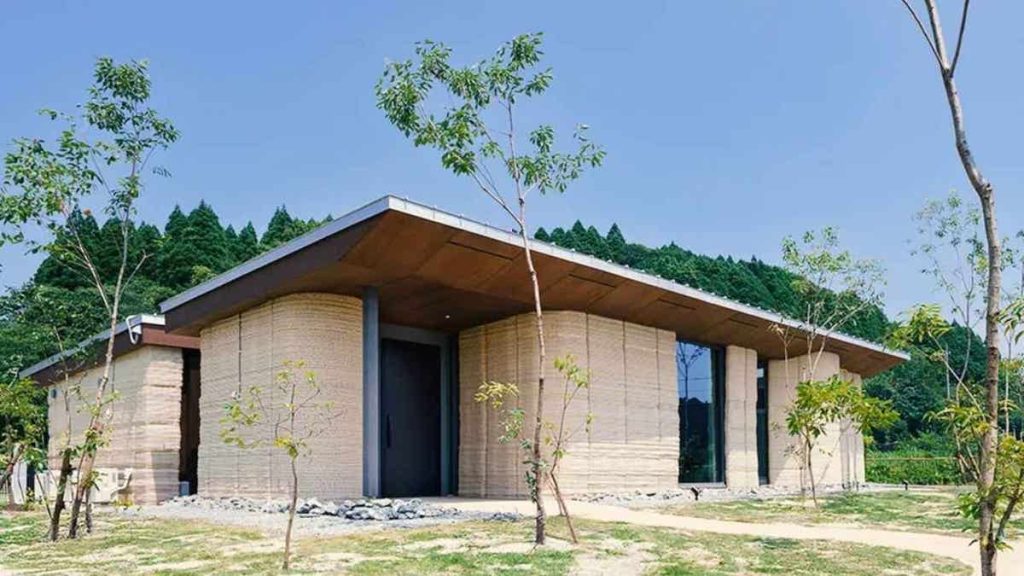
Imagine living in a home that not only looks stunning but also cares for the planet. Eco friendly modern homes do just that.
They blend stylish design with smart choices that save energy, reduce waste, and create a healthier space for you and your family. If you want a home that feels good to live in and good to the Earth, keep reading.
You’ll discover simple ideas and powerful benefits that make these homes more than just a trend—they’re the future you can be part of.
Eco Friendly Materials
Choosing the right materials shapes the heart of an eco friendly modern home. Your selection affects not only the environment but also your living comfort and long-term costs. Understanding eco friendly materials helps you make smarter choices that benefit both your family and the planet.
Sustainable Building Supplies
Sustainable building supplies come from resources that replenish naturally or have minimal environmental impact. Bamboo is a great example—it’s fast-growing and strong, making it ideal for flooring and furniture. Another option is sustainably harvested wood certified by organizations like FSC, ensuring forests are protected.
Have you considered natural stone or locally sourced clay bricks? These materials reduce transportation emissions and last for decades without needing replacement. Using such supplies means your home supports healthy ecosystems and reduces waste.
Recycled And Renewable Options
Recycled materials give new life to waste, turning it into valuable building components. For instance, recycled steel and glass reduce the need for mining raw resources. Using reclaimed wood adds character while preventing deforestation.
Renewable materials like cork and wool offer excellent insulation properties and are biodegradable. Cork, harvested without cutting down trees, suits flooring and wall panels. Wool helps regulate indoor humidity, keeping your home cozy year-round.
Low Impact Finishes
Finishes like paints, stains, and sealants often contain harmful chemicals. Choosing low VOC (volatile organic compound) or natural finishes improves indoor air quality and reduces pollution. Clay-based paints and natural oils are safe alternatives that still provide durability and color.
Think about how finishes affect your health daily. Would you prefer a home that breathes naturally and smells fresh? Low impact finishes make that possible while maintaining beautiful interiors.

Credit: www.autoevolution.com
Energy Efficient Design
Energy efficient design plays a key role in eco friendly modern homes. It reduces energy use and lowers utility bills. Thoughtful design helps create comfortable living spaces with less impact on the environment.
Smart planning and materials work together to keep homes warm in winter and cool in summer. This approach saves energy and supports a greener lifestyle.
Passive Solar Techniques
Passive solar design uses the sun’s energy to heat and light homes naturally. South-facing windows capture sunlight during the day. Overhangs block the high summer sun to keep interiors cool.
Thermal mass materials, like concrete or stone, absorb heat in the day. They release warmth slowly at night. This balances indoor temperatures without extra energy use.
High Performance Insulation
Insulation reduces heat loss and gain through walls, roofs, and floors. High performance insulation uses advanced materials that trap air effectively. This keeps homes warmer in winter and cooler in summer.
Sealing gaps and cracks prevents drafts. It improves indoor comfort and cuts heating or cooling needs. Proper insulation also lowers noise from outside.
Smart Home Energy Systems
Smart energy systems control heating, cooling, and lighting efficiently. Sensors adjust settings based on occupancy and time of day. This avoids wasting energy in empty rooms.
Solar panels and energy storage work with smart systems. They provide clean power and reduce reliance on the grid. Homeowners can monitor and manage energy use easily with apps.
Water Conservation Methods
Water conservation is a key element in building eco-friendly modern homes. Saving water not only reduces your utility bills but also helps protect precious natural resources. Simple, smart strategies can make a big difference in how much water your home uses daily.
Rainwater Harvesting
Collecting rainwater is a practical way to cut down on your dependence on municipal water. Setting up a rainwater harvesting system involves capturing runoff from your roof and storing it in tanks for later use.
You can use this water for gardening, washing cars, or even flushing toilets. Imagine watering your plants with fresh rainwater instead of treated tap water. It’s easy to install and pays off quickly, especially if you live in an area with regular rainfall.
Greywater Recycling
Greywater is the gently used water from sinks, showers, and laundry. Instead of letting it go to waste, you can treat and reuse it for irrigation or toilet flushing.
This method reduces the demand for fresh water and lowers your overall water footprint. Installing a greywater recycling system might seem technical, but many home builders now offer affordable kits that fit right into your plumbing.
Water Efficient Fixtures
Upgrading your faucets, showerheads, and toilets to water-efficient models can drastically cut water use without sacrificing comfort. Look for products labeled with WaterSense or similar certifications.
For example, a low-flow showerhead can reduce water use by up to 50% while still providing a satisfying shower experience. Have you checked your fixtures lately? Small changes here add up to big savings over time.
Indoor Air Quality
Indoor air quality plays a vital role in eco-friendly modern homes. Clean air inside improves health and comfort. Pollutants from materials and outdoor sources can harm well-being. Designing homes with fresh air in mind reduces risks and boosts energy efficiency.
Natural Ventilation
Natural ventilation uses windows, vents, and openings to move air. It helps remove stale air and bring fresh air inside. Cross-ventilation creates airflow by opening windows on opposite sides. This method reduces the need for mechanical cooling and lowers energy use. Proper placement of vents enhances airflow and indoor comfort.
Non-toxic Materials
Choosing non-toxic building materials improves indoor air quality. Avoid materials with strong chemicals like formaldehyde or VOCs. Use natural paints, sealants, and adhesives with low emissions. Wood, bamboo, and recycled materials are eco-friendly and safe options. These materials keep indoor air cleaner and healthier.
Air Purifying Plants
Air purifying plants naturally clean indoor air. They absorb pollutants and release oxygen. Popular plants include spider plants, snake plants, and peace lilies. Place plants in living areas and bedrooms to improve air quality. Plants also add beauty and a calming atmosphere to homes.
Sustainable Landscaping
Sustainable landscaping is a key part of making your modern home truly eco friendly. It goes beyond just planting pretty flowers—it’s about creating outdoor spaces that work with nature, save resources, and support local ecosystems. When you choose sustainable landscaping, you help reduce water use, lower maintenance, and attract beneficial wildlife to your yard.
Native Plant Selection
Choosing native plants is one of the smartest moves you can make. These plants are already adapted to your local climate and soil, so they need less water and fertilizer. You’ll notice fewer pests too, meaning less need for chemicals.
Think about the wildflowers or shrubs you’ve seen growing naturally in your area. Adding those to your garden can create a beautiful, low-maintenance landscape that feels natural and supports local pollinators like bees and butterflies. Have you ever noticed how native plants often bloom longer than exotic ones?
Permaculture Principles
Permaculture is a design approach that mimics natural ecosystems to create sustainable and self-sufficient landscapes. It encourages you to observe your environment carefully and plan your garden to make the best use of sunlight, water, and soil.
For example, planting fruit trees near your kitchen or using rainwater collection systems can reduce waste and effort. Permaculture also suggests layering plants—tall trees, shrubs, ground cover—to maximize space and provide natural shade and wind protection. How could you redesign your yard to make it a thriving, balanced ecosystem?
Eco Friendly Outdoor Lighting
Outdoor lighting can enhance your home’s beauty and security, but it can also waste energy if not chosen carefully. LED lights are a great option because they use less power and last much longer than traditional bulbs.
Solar-powered lights are another excellent choice, especially for pathways and garden features where wiring would be difficult. Consider using motion sensors or timers to avoid unnecessary lighting. Have you tried stepping outside at night with just soft, eco-friendly lighting? It creates a peaceful atmosphere without harming the environment.

Credit: www.youtube.com
Modern Aesthetic Meets Sustainability
Modern homes are evolving to embrace both style and care for the planet. The blend of sleek design and eco-friendly choices creates spaces that look good and do good. These homes use natural materials, smart technology, and simple layouts to reduce waste and save energy.
Minimalist Design Trends
Minimalism focuses on clean lines and open spaces. It reduces clutter, using only what is necessary. This design lowers the need for extra materials and energy. Light colors and natural light make rooms feel bigger and warmer. Simple furniture made from sustainable materials supports eco-friendly living.
Blending Nature And Architecture
Modern eco homes invite nature inside. Large windows offer views of trees and gardens. Indoor plants improve air quality and add calm. Green roofs and walls help cool the house and absorb rainwater. Using natural stone, wood, and clay connects the home to its environment.
Innovative Green Technologies
New technology makes homes smarter and greener. Solar panels provide clean energy and lower bills. Energy-efficient appliances use less power without losing comfort. Rainwater harvesting systems save water for gardens and toilets. Smart thermostats adjust temperatures to save energy throughout the day.

Credit: www.autoevolution.com
Frequently Asked Questions
What Defines An Eco Friendly Modern Home?
An eco friendly modern home uses sustainable materials and energy-efficient systems. It minimizes waste and reduces carbon footprint while maximizing comfort and style.
How Do Solar Panels Benefit Eco Friendly Homes?
Solar panels generate clean, renewable energy. They reduce electricity bills and reliance on fossil fuels, making homes more sustainable and eco-friendly.
What Materials Are Best For Eco Friendly Home Building?
Sustainable materials like bamboo, reclaimed wood, and recycled steel are ideal. They reduce environmental impact and promote resource conservation in construction.
How Do Green Roofs Improve Modern Homes?
Green roofs provide insulation, reduce heat, and manage stormwater. They improve air quality and enhance urban biodiversity in eco friendly homes.
Conclusion
Eco-friendly modern homes blend sustainability with style. They save energy and reduce waste. These homes offer comfort and a healthier lifestyle. Small changes make a big impact. Solar panels, rainwater harvesting, and green materials are key features. These choices benefit both homeowners and the planet.
Investing in eco-friendly homes means investing in the future. Lower bills, better air quality, and environmental care. It’s a win-win situation. Consider the advantages of green living. Build or remodel with nature in mind. Embrace eco-friendly homes for a brighter tomorrow.