
Are you considering a portable air conditioner to beat the heat but worried about your electricity bill? You’re not alone.
Many people wonder if these convenient devices are energy hogs. Understanding how much electricity a portable air conditioner uses is crucial for making an informed decision. You want comfort without breaking the bank, right? You’ll discover the ins and outs of portable air conditioners and their energy consumption.
We’ll help you weigh the benefits against the costs, so you can stay cool without worrying about the power meter. Keep reading to find out how to enjoy a refreshing breeze while keeping your energy expenses in check!
Understanding Portable Air Conditioners
Portable air conditioners are a popular choice for many households, offering a flexible solution to beat the heat. Understanding how these units function and the types available can help you make an informed decision, especially when considering electricity usage. Do you find yourself wondering if this convenient cooling option will lead to higher electricity bills?
How They Work
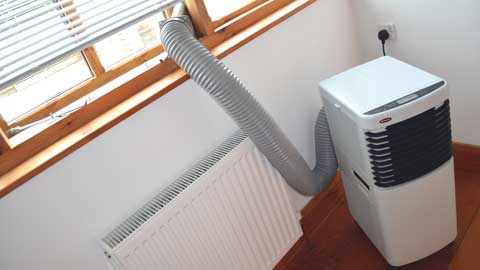
Portable air conditioners cool your space by drawing in warm air, cooling it, and then expelling the heat through an exhaust hose. This process is similar to traditional air conditioners, but portable units offer the advantage of mobility.
You can move them from room to room as needed, which is perfect for targeting specific areas without cooling the entire house. Imagine enjoying your cool living room during the day and a comfortable bedroom at night, all without needing multiple units.
However, this convenience can sometimes come at a cost. The energy efficiency of portable air conditioners varies, and understanding their mechanism can help you choose the right one for your needs.
Types And Features
There are several types of portable air conditioners available, each with unique features. Single-hose units are common, using one hose to expel hot air. They’re great for small spaces but might not be as efficient in larger areas.
Dual-hose models, on the other hand, use one hose for intake and another for exhaust, providing better cooling efficiency for larger rooms. If you frequently entertain guests in your spacious living room, a dual-hose unit might be your best bet.
Features like programmable timers, remote controls, and adjustable fan speeds can enhance your experience. Picture yourself relaxing on the couch, adjusting the temperature without getting up. These features not only provide convenience but can also help manage energy consumption effectively.
So, as you consider which portable air conditioner fits your lifestyle, think about how these types and features align with your cooling needs and energy-saving goals. Are you ready to make a choice that balances comfort and efficiency?
Energy Consumption Factors
Portable air conditioners can be energy-intensive. Their consumption varies based on model and usage. Efficiency improves with regular maintenance and smart settings.
When you think about using a portable air conditioner, you might wonder about its impact on your electricity bill. These units can be lifesavers during hot summer days, but how much energy do they really consume? Understanding the factors that affect energy consumption can help you make informed choices. Let’s dive into the elements that determine how much electricity your portable air conditioner uses.
Btu Rating And Its Impact
The BTU (British Thermal Units) rating of a portable air conditioner is a significant factor in its energy consumption. A higher BTU rating means the unit can cool a larger space, but it also means more electricity is used. If your room is small, opting for a high BTU unit might be overkill and waste energy. Consider this: a unit with a BTU rating suited to your room size will perform efficiently. Choosing the right BTU rating not only saves energy but also ensures your room is comfortable. Make sure to match the BTU to the room for optimal performance.
Energy Efficiency Ratio (eer)
The Energy Efficiency Ratio (EER) is a measure of how efficiently an air conditioner operates. A higher EER means the unit uses less electricity to provide the same cooling effect. Look for units with a higher EER to keep your energy bills in check. Think of EER as a unit’s fuel efficiency. Just like a car with better mileage saves you on gas, a higher EER air conditioner saves on electricity. Before buying, check the EER rating to ensure long-term savings.
Room Size Considerations
Matching your air conditioner to the room size is crucial for efficiency. A unit that’s too small will struggle to cool the space, leading to higher energy use as it runs constantly. Conversely, an oversized unit will short cycle, wasting energy and possibly leaving the room damp. Measure your room before purchasing a portable air conditioner. A properly sized unit provides optimal cooling without unnecessary energy consumption. By aligning the unit size with your room, you ensure comfort and efficiency. Next time you use your portable air conditioner, think about these factors. Are you using the right BTU rating? Is your unit’s EER optimized for savings? Have you considered the size of your room? Small changes can lead to significant savings.
Comparing Energy Usage
Portable air conditioners often consume more electricity than window units. They can increase energy bills significantly. Choosing energy-efficient models helps manage costs better.
Comparing energy usage between different types of air conditioners can be eye-opening. Many people assume that portable air conditioners are major electricity hogs. But how true is that assumption? Let’s dive into the energy consumption of portable air conditioners and see how they stack up against other cooling options.
Portable Vs. Central Air Conditioners
Central air conditioners are often seen as the go-to for cooling an entire home. They are powerful and efficient for large spaces, but they come with a hefty energy cost. A central AC unit can consume around 3,500 watts, significantly impacting your electricity bill. In contrast, portable air conditioners typically use between 900 to 1,500 watts. This is far less than central systems, making them a more energy-efficient choice for smaller spaces. If you’re cooling just one room, a portable unit may save you money. Consider your needs. Do you need to cool the entire house or just a single room? Choosing the right system can make a big difference in energy consumption.
Portable Vs. Window Units
Window air conditioners are another popular choice for individual room cooling. These units generally consume around 500 to 1,400 watts, depending on their size and efficiency. Portable units tend to use a bit more electricity than window units. However, they offer flexibility that window units do not. You can move them from room to room, which can be invaluable if you live in a space where installing a window unit isn’t feasible. Think about your lifestyle. Do you need mobility or is a fixed solution more suitable? Weighing these factors can help you decide which option is best for your energy needs and living situation. Choosing the right air conditioning solution is about more than just initial cost. It’s about how it fits your life and how it affects your energy usage. What choices have you made for your home cooling? Are you considering making a change?
Cost Implications
Portable air conditioners may increase electricity bills due to their energy consumption. Efficiency varies by model, impacting cost. Regular maintenance can help minimize expenses.
Portable air conditioners are a popular choice for their convenience and ease of use. But have you ever wondered about the cost implications of running one? Understanding the financial impact is crucial to making informed decisions about their use in your home or office. Let’s dive into the details to see how these units can affect your electricity bills.
Calculating Operating Costs
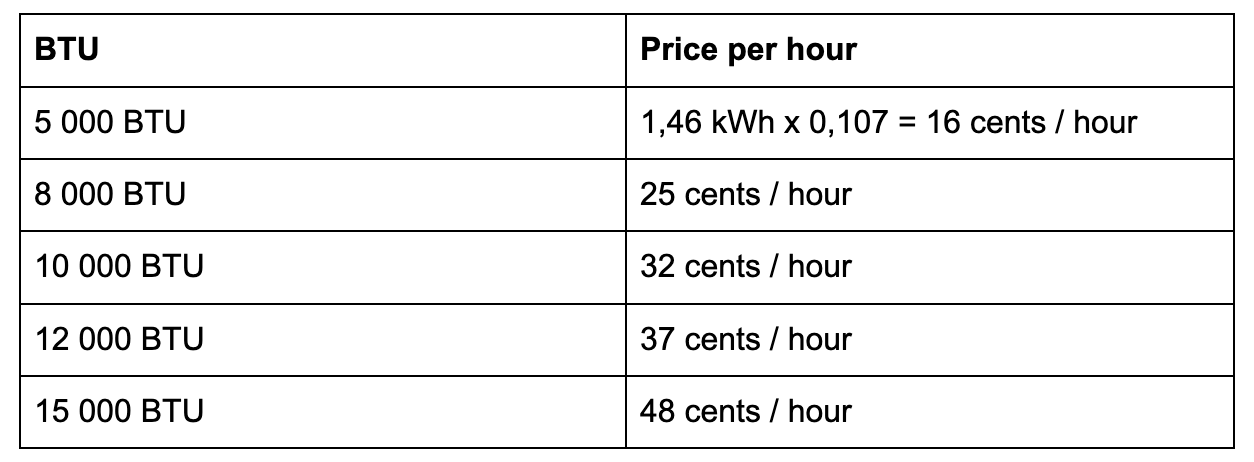
First things first, how do you calculate the operating costs of a portable air conditioner? The key is to know the unit’s wattage and how many hours you plan to use it. Check the label on your device for this information. Multiply the wattage by the number of hours used per day. Then, divide by 1,000 to convert watts to kilowatt-hours (kWh), which is what your electricity provider bills you for. Here’s a quick example to make it clearer: If your portable AC uses 1,200 watts and you run it for 5 hours daily, you’re using 6 kWh per day. (1,200 watts x 5 hours = 6,000 watt-hours / 1,000 = 6 kWh)
Impact On Electricity Bills
So, how does this usage translate to your electricity bills? The cost largely depends on your local electricity rates, which can vary significantly. On average, U.S. electricity rates are about 13 cents per kWh. Using the previous example, running your portable AC for 5 hours daily could add approximately 78 cents to your daily bill. (6 kWh x $0.13 = $0.78) Over a month, this cost can add up. If you run your AC every day, you’re looking at an additional $23.40 on your monthly bill. This could be a small price for comfort during hot summer months, but it’s essential to weigh this against your budget. Think about how often you really need to use your portable AC. Are there times when a fan or open window could suffice? Small changes in usage habits can lead to noticeable savings over time. Does the comfort of a cool room justify the extra cost for you? Or are there ways you can optimize its usage to balance comfort with cost? Understanding these factors can help you make the most of your portable air conditioner without breaking the bank.
Energy-saving Tips
Portable air conditioners are a convenient solution for cooling your space, but concerns about energy usage often arise. Fortunately, there are simple energy-saving tips that can help minimize electricity consumption while keeping your room cool. You don’t need to compromise on comfort; just a few adjustments can make a big difference.
Optimal Placement Strategies
Where you place your portable air conditioner can significantly impact its efficiency. Try positioning it near a window or a well-ventilated area to allow easy exhaust of hot air. Avoid placing it near heat-generating appliances like ovens or computers. These can make your unit work harder.
Consider the layout of your room. Is there a spot that receives direct sunlight? If so, that’s not ideal for your air conditioner. The cooler the surrounding area, the less energy your unit will need to use.
Using Timers And Thermostats
Using timers and thermostats can be a game-changer. Set a timer to turn off the unit when the room reaches a comfortable temperature. This prevents unnecessary energy usage when you’re not around.
Modern portable air conditioners often come with programmable thermostats. These allow you to set your desired temperature, ensuring it maintains the level without excessive cooling. This feature can help reduce energy costs.
Maintaining Your Unit
Regular maintenance is crucial for optimal performance. Cleaning or replacing filters can improve airflow and efficiency. A clean filter means less strain on the unit, translating to lower electricity usage.
Inspect the exhaust hose and ensure it’s free of obstructions. A clear exhaust path allows the unit to expel warm air effectively. This small check can boost efficiency and reduce electricity consumption.
Have you tried any of these tips? Imagine the savings you could achieve with just a few tweaks. Energy-saving doesn’t have to be complicated; it can be as simple as adjusting your air conditioner’s habits.
Environmental Impact
When it comes to the environmental impact of portable air conditioners, you might wonder about their role in energy consumption. These handy devices offer relief in the sweltering heat but can also raise concerns about sustainability. Are they a green choice for your home, or do they contribute to a larger carbon footprint? Let’s break down the environmental aspects of using portable air conditioners and see how you can make a more informed decision.
Carbon Footprint Considerations
Portable air conditioners can be a lifesaver during hot summers, but they do consume electricity. The energy use of these devices varies based on their efficiency and size. Consider your unit’s energy efficiency rating. Opting for a model with a higher Energy Efficiency Ratio (EER) can reduce your carbon footprint.
Think about the hours you use it daily. Less usage directly translates to lower energy consumption and reduced environmental impact. You can also minimize your carbon footprint by using your portable AC in combination with fans or opening windows when the temperature drops.
Recycling And Disposal Concerns
Have you considered what happens when your portable air conditioner reaches the end of its life? Proper disposal is crucial. Many parts can be recycled, but you must check local regulations for electronic waste. Recycling can prevent harmful chemicals from leaking into the environment.
Before disposal, research local recycling programs or facilities that handle electronic waste. You can also explore options for donating or selling your old unit if it’s still in working condition. This not only helps the environment but also supports community members in need.
In choosing a portable air conditioner, environmental responsibility plays a significant role. Are you making choices that align with a sustainable future? Taking steps to minimize energy consumption and ensure proper disposal can make a difference.
Choosing An Efficient Model
Portable air conditioners can be energy-hungry. Some models consume more electricity than others. Choosing an efficient model can lower your electricity bill. Always check the energy efficiency rating before purchasing.
Choosing an efficient portable air conditioner can make a noticeable difference in your electricity bill and comfort level. The market is flooded with options, but not all models are created equal. Prioritizing energy efficiency doesn’t just save money; it also minimizes your environmental impact. With a few key considerations, you can find a unit that effectively cools your space without guzzling electricity.
Energy Star Ratings
Energy Star ratings are a straightforward way to gauge a unit’s efficiency. Look for the Energy Star label when shopping for a portable air conditioner. This certification means the model meets strict guidelines set by the U.S. Environmental Protection Agency. Units with this label use less energy to cool the same space compared to non-certified ones. I once switched to an Energy Star certified model and noticed a drop in my electricity bill almost immediately. Have you checked if your current model has this label?
Smart Features And Technology
Smart features can further enhance the efficiency of your portable air conditioner. Many modern models come equipped with Wi-Fi connectivity, allowing you to control them via an app on your smartphone. With smart features, you can adjust settings remotely and even set schedules. Imagine turning on your AC just before you arrive home, ensuring your space is cool without running the unit all day. Some models also offer energy-saving modes, which automatically adjust the cooling power based on room temperature. This ensures you’re not using more electricity than necessary. Have you considered how smart technology could optimize your energy usage? Choosing an efficient model with these smart features can lead to significant savings and a more comfortable living environment.
Frequently Asked Questions
Do Portable Air Conditioners Consume High Electricity?
Portable air conditioners typically consume moderate electricity compared to central systems. Their energy usage depends on size and efficiency. Choosing a unit with a higher EER rating can reduce electricity consumption. Regular maintenance also enhances efficiency, helping lower energy costs over time.
Are Portable Acs Energy-efficient?
Many portable air conditioners are designed to be energy-efficient. Look for models with Energy Star certification for optimal efficiency. These units often incorporate advanced technology to minimize electricity usage while still providing effective cooling. Proper insulation and placement can further improve their energy efficiency.
How Can I Reduce Ac Electricity Usage?
To reduce electricity usage, ensure your portable AC is properly maintained. Clean filters regularly to enhance airflow and efficiency. Set the thermostat to a comfortable but not excessively low temperature. Utilize window coverings to block sunlight and reduce heat gain.
What Affects A Portable Ac’s Power Consumption?
Several factors affect power consumption, including unit size, room size, and insulation. Larger units generally use more electricity. Room insulation and ambient temperature also play roles. Positioning the AC away from direct sunlight can help reduce power consumption.
Conclusion
Portable air conditioners vary in electricity use. Choose energy-efficient models to save power. Check the unit’s energy label before buying. Regular maintenance helps keep costs low. Clean filters monthly for better airflow. Don’t forget to seal windows tightly. This prevents cool air from escaping.
Use your air conditioner wisely. Set the temperature appropriately. Turn it off when not needed. Consider room size when picking a unit. Bigger rooms need more cooling power. Portable air conditioners can be efficient. Use them carefully for cost-effective cooling.
Stay cool without breaking the bank.