
Is Adding Cabinets to My Home Office Deductable?. Are you thinking about adding cabinets to your home office? Before you start shopping, you probably want to know if this expense can save you money on your taxes.
Understanding whether your new cabinets are deductible can make a big difference in your budget. You’ll discover the key details about tax deductions for home office improvements. Keep reading to find out how you can make the most of your investment and possibly reduce your tax bill.
Home Office Deduction Basics
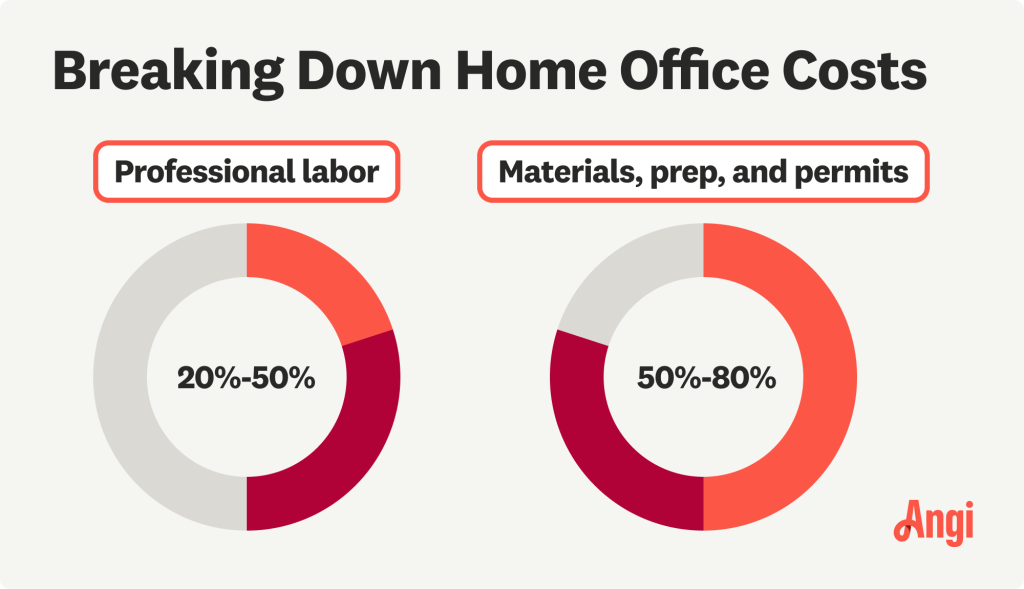
Understanding the basics of home office deductions can save you money and make your workspace more efficient. If you’ve considered adding cabinets to your home office, it’s important to know how that fits into tax deductions. Let’s break down the essentials so you can make smart financial decisions.
Qualifying Your Workspace
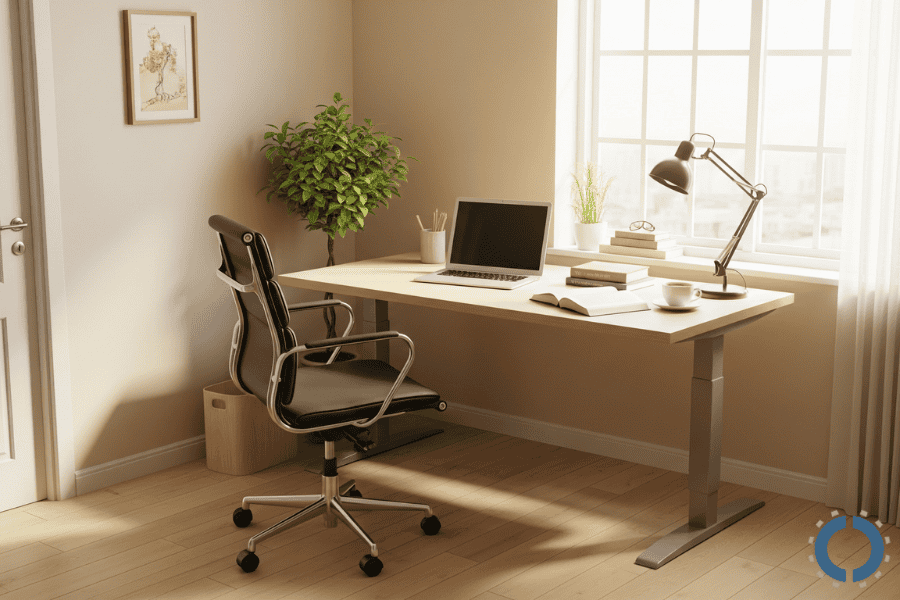
To claim a home office deduction, your workspace must be used regularly and exclusively for business. This means the area should be a designated spot where you conduct work activities, not a shared family space. For example, if you add cabinets to store files and office supplies, that area supports your business use.
Are you certain your workspace meets these criteria? The IRS is strict about “exclusive use,” so a cluttered multi-purpose room might not qualify. Documenting your setup with photos and measurements can help if you ever face an audit.
Types Of Deductible Expenses
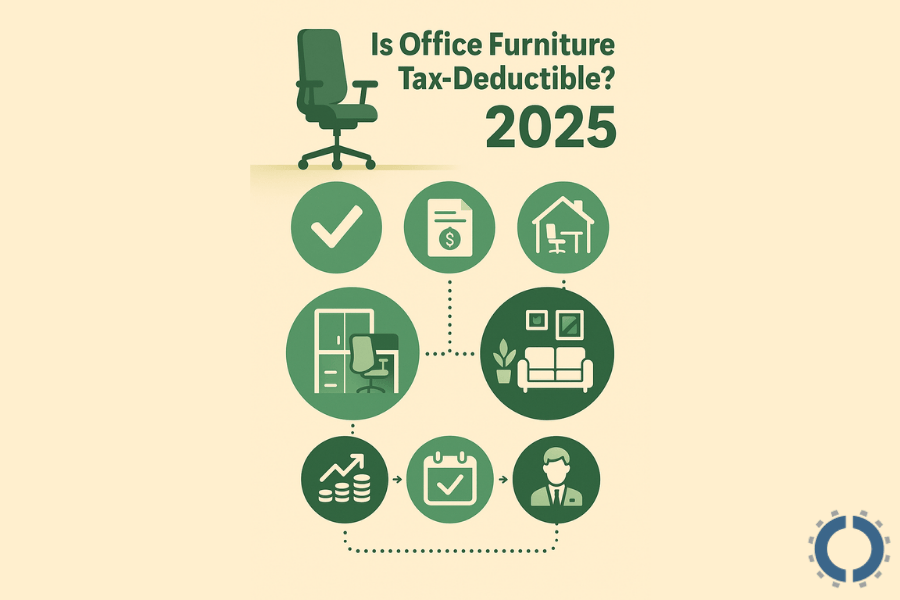
Expenses for your home office fall into two categories: direct and indirect. Direct expenses affect only your workspace, like new cabinets or painting the office walls. Indirect expenses cover your entire home, such as utilities or mortgage interest, and are prorated based on your office size.
- Direct expenses:Installing cabinets, office furniture, repairs specific to the office
- Indirect expenses:Electricity, internet service, general home maintenance
Adding cabinets is generally a direct expense if it’s solely for your office. Keep receipts and track the cost carefully. Have you reviewed your expenses to see what qualifies? This can turn a simple upgrade into a valuable tax benefit.
Credit: collaborative-office.com
When Cabinets Qualify As Deductible
Determining whether cabinets added to your home office are deductible depends on specific factors. Not every cabinet purchase qualifies for a tax deduction, but understanding the rules can help you make informed decisions. Let’s look at what makes cabinets deductible and how you can apply these rules to your situation.
Criteria For Business Use
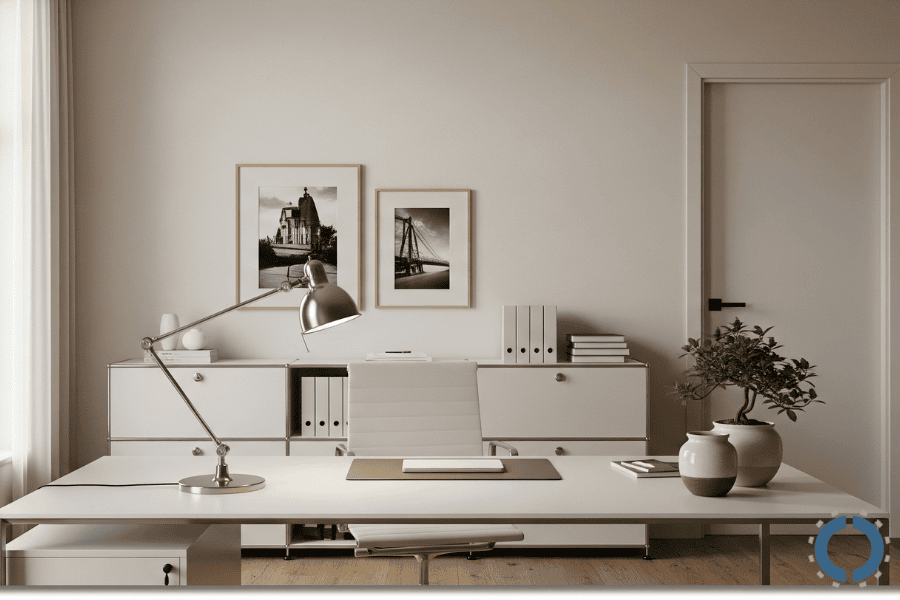
Your cabinets must serve a clear business purpose to be deductible. If you use the cabinets exclusively for storing business-related items, such as files, office supplies, or equipment, they are more likely to qualify.
Think about how often you access these cabinets for work. If you use them regularly during business hours and not for personal storage, that strengthens your case. Can you separate the business use from personal use easily? If yes, you can allocate the deductible portion accordingly.
Keep records of what you store and how the cabinets support your business activities. This documentation can prove valuable during an audit.
Permanent Vs. Temporary Fixtures
Tax rules often distinguish between permanent fixtures and temporary additions. Cabinets that are permanently installed, like built-in shelving or wall-mounted units, typically qualify as part of your home office’s structural improvements.
Temporary or movable cabinets, such as freestanding shelves or storage units, may not qualify in the same way. However, they might still be deductible as office equipment or supplies if used exclusively for your business.
Ask yourself if removing the cabinets would damage your home office or if they can be easily taken away without altering the space. Permanent fixtures usually add value to your home and thus fall under capital improvements, which have different tax treatment.
Understanding this difference helps you decide how to claim your deduction and what records to keep. Have you checked how the IRS categorizes your specific cabinet setup before filing?
Calculating The Deduction
Calculating the deduction for adding cabinets to your home office involves understanding how the IRS classifies your expenses and how depreciation affects your claim. It’s important to separate costs that directly improve your workspace from those that indirectly benefit your home. This distinction shapes the way you calculate your deduction and can impact the total amount you can claim.
Direct Vs. Indirect Expenses
Direct expenses are costs specifically related to your home office, like buying and installing cabinets solely for that space. These expenses are fully deductible because they benefit your work area alone.
Indirect expenses are shared costs that affect your entire home, such as general home repairs or improvements that include your office. You can only deduct a portion of these based on the percentage of your home used for business.
Think about your cabinet purchase: if you installed them exclusively in your office, you can claim the full cost. But if the cabinets are part of a renovation that benefits multiple rooms, you’ll need to split the deduction accordingly.
Depreciation Rules For Cabinets
Cabinets are considered a capital improvement, so you can’t deduct the entire cost in one year. Instead, the IRS requires you to depreciate the expense over time, typically over 7 years for office furniture and fixtures.
This means you’ll deduct a portion of the cabinet cost each year, spreading the benefit across the asset’s useful life. It’s like getting a smaller tax break annually rather than a big one upfront.
Keep detailed records of your purchase and installation dates. These details determine when depreciation starts and help you track your yearly deductions accurately.
Record-keeping Tips
Keeping accurate records is essential if you want to claim deductions for adding cabinets to your home office. Without proper documentation, you risk losing potential tax benefits or facing issues during an audit. Good record-keeping helps you clearly show how the expense relates to your business use.
Documenting Purchases And Installation
Save all receipts and invoices related to the cabinets. This includes the cost of materials, labor for installation, and any additional fees like delivery charges. Having these documents organized in one place makes it easier to prove the expense was legitimate.
Consider snapping photos before and after the installation. This visual proof can support your claim by showing the improvements made specifically for your home office. If you hire a contractor, keep their contact info and any written agreements too.
Tracking Business Use Percentage
You need to determine what portion of the cabinets is used exclusively for business. This percentage affects how much of the expense you can deduct. Think about the space the cabinets occupy and whether they’re used solely for work-related storage.
Keep a log or take notes about how often and for what purpose you use the cabinets. If you share your office space with personal items, be honest about the split. Would you feel comfortable explaining this percentage to the IRS if asked?
Common Mistakes To Avoid
Making your home office functional often means adding cabinets. Claiming these on your taxes can save money but requires care. Mistakes can cause trouble with the IRS or missed savings. Avoid these common errors to stay clear and confident.
Misclassifying Personal Use Items
Items used partly for personal reasons cannot be fully deducted. Cabinets storing both office and personal items need careful consideration. Only the portion used exclusively for work qualifies for a deduction. Mixing personal and business use confuses tax claims. Keep records to prove the cabinets’ primary work use.
Overestimating Deductible Amounts
Estimating too high can lead to audits and penalties. The deductible amount must match the actual business use percentage. Avoid claiming full cost if cabinets serve other purposes. Use accurate measurements and receipts to support your claim. Always be conservative and honest in your calculations.
Credit: collaborative-office.com
Additional Tax Benefits For Home Offices
Adding cabinets to your home office can do more than just organize your workspace—it might also bring additional tax benefits. Many homeowners overlook these opportunities, missing out on potential savings. Understanding these benefits can help you maximize deductions while improving your work environment.
Other Deductible Home Improvements
Besides cabinets, there are several other home improvements that might qualify for tax deductions if they directly support your home office. These can include:
- Installing built-in shelves or desks:These are often considered part of the office setup and may be deductible.
- Upgrading lighting:Better lighting can improve productivity and might count as a business expense.
- Adding insulation or energy-efficient windows:If these improve the office space, some costs might be deductible or qualify for energy credits.
Have you considered how upgrading your office could also save you money on taxes? Keeping detailed receipts and consulting a tax professional can clarify which improvements qualify.
State Vs. Federal Tax Considerations
Tax rules for home office deductions vary between federal and state levels. The federal government allows deductions for home office expenses, but states may have different guidelines or additional benefits.
Some states offer more generous deductions, while others might not recognize certain home office improvements at all. For example, a cabinet installation might be deductible federally but not on your state return.
It’s crucial to review your state’s tax laws or speak with a local tax advisor. Are you aware of your state’s specific rules? Understanding these differences ensures you don’t miss out on savings.
Credit: collaborative-office.com
Frequently Asked Questions
Are Home Office Cabinets Tax Deductible?
Home office cabinets can be deductible if they meet IRS requirements. They must be used exclusively for business purposes. Ensure they are part of your regular work area. Keep detailed records and receipts. Consult a tax professional for personalized advice.
What Qualifies As A Home Office For Tax Deduction?
A home office must be your principal place of business to qualify. It should be used regularly and exclusively for work. This means the space is solely for business activities. Documentation and proper records are essential for any deductions.
How Do I Calculate Home Office Deductions?
Calculate the deduction using either the simplified or regular method. The simplified method uses a fixed rate per square foot. The regular method requires detailed records of expenses. Choose the method that benefits you most. Consult a tax advisor for accuracy.
Can I Deduct Home Office Improvements?
Yes, improvements can be deductible if they qualify as business expenses. They must be used exclusively for your home office. Keep all receipts and records of the improvements. Consult with a tax professional for clarity and compliance.
Conclusion
Adding cabinets to your home office can offer tax benefits. Keep good records of all expenses you pay. Only the part used for work may qualify for deduction. Check IRS rules to be sure you follow them. Consult a tax expert to avoid mistakes.
Smart planning helps you save money on taxes. Organize your workspace and your finances well. Small changes can make a big difference. Think carefully before making any purchases. Your home office can become more efficient and cost-effective.