
How to Organize Home Office Furniture. Is your home office feeling cluttered and chaotic? You’re not alone.
When your furniture is scattered or poorly arranged, it can make working from home stressful and unproductive. But imagine walking into a space where everything has its place, where your desk, chair, and storage work together to boost your focus and comfort.
You’ll discover simple, practical ways to organize your home office furniture so it supports your best work every day. Ready to transform your space and clear your mind? Let’s dive in.
Credit: thegreenmadhouse.com
Choosing The Right Desk
Choosing the right desk sets the tone for an efficient home office. It affects comfort, productivity, and style. The desk should match your needs and available space. Consider your work habits and room layout before deciding. A well-chosen desk improves focus and reduces clutter.
Compact Desk Styles
Compact desks save space and fit small rooms well. They offer enough surface for laptops and minimal supplies. Many designs include built-in shelves or drawers for extra storage. Choose materials like wood or metal for durability. Small corner desks can maximize unused areas.
Adjustable Desks For Flexibility
Adjustable desks allow changing height for sitting or standing. They support better posture and reduce back pain. Electric or manual options fit different budgets. Use these desks to switch positions during long work hours. Flexibility helps maintain energy and focus throughout the day.
Desk Placement Ideas
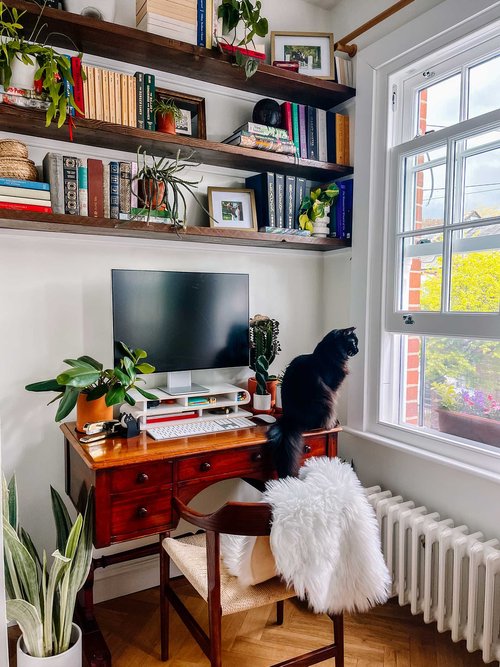
Place the desk near natural light to reduce eye strain. Avoid glare by positioning it perpendicular to windows. Keep the area around the desk clear for movement. Facing a wall can limit distractions. Use room corners to separate work from rest areas.
Credit: www.candgnews.com
Smart Storage Solutions
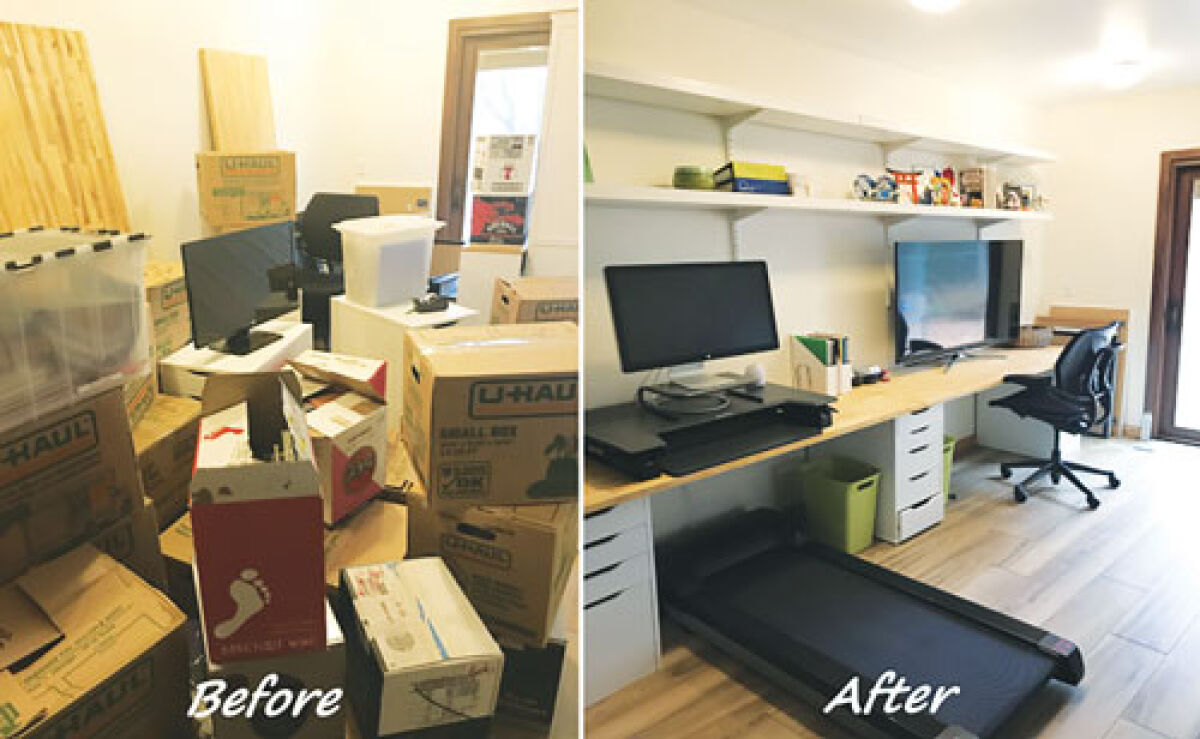
Smart storage solutions can transform your home office from cluttered chaos into a calm, productive space. They help you use every inch wisely, giving you room to breathe and focus. Have you ever noticed how a well-organized space can boost your creativity and reduce stress? Let’s look at some practical ways to add smart storage to your home office furniture.
Wall-mounted Shelves
Wall-mounted shelves free up valuable floor space and keep your desk clear. You can place books, files, or decorative items within easy reach without crowding your workspace.
Try mixing open shelves with small cabinets to hide less attractive items. Adjustable shelves let you change the setup as your storage needs evolve.
- Use sturdy brackets to hold heavier objects safely.
- Position shelves at eye level for easy access.
- Add baskets or boxes to keep small items organized.
Multi-functional Furniture
Furniture that serves more than one purpose is a game-changer. Desks with built-in drawers or filing cabinets save space and keep essentials close by.
Think about a storage ottoman or a bench that doubles as seating and a place to store supplies. This can be especially useful if your office space doubles as a guest room.
- Choose desks with hidden compartments for clutter-free surfaces.
- Look for chairs with pockets or hooks for quick access to tools.
- Consider fold-out tables that expand your workspace when needed.
Hidden Storage Options
Hidden storage keeps your office looking neat while hiding away distractions. Behind cabinet doors, inside desk drawers, or under your desk are perfect spots to stash cables, chargers, and stationery.
Have you tried using magnetic strips under shelves to hold metal tools or clips? It’s a surprising and effective way to clear your desk.
- Use drawer organizers to separate items and prevent mess.
- Install pull-out trays for keyboards or printers to save surface space.
- Try storage boxes that fit under your desk for rarely used items.
Optimizing Seating Options
Optimizing seating options in your home office can boost comfort and productivity. Choosing the right seat helps reduce fatigue and improve focus. Arranging seats smartly saves space and creates a pleasant work zone.
Ergonomic Chairs
Ergonomic chairs support your back and neck. They reduce strain during long work hours. Look for adjustable height and lumbar support. Soft padding and breathable fabric add comfort. A good chair helps maintain good posture.
Space-saving Stools
Space-saving stools fit well in small offices. They tuck under desks easily, freeing floor space. Choose stools with wheels or swivel seats for mobility. Some models double as storage to keep supplies handy. Stools offer quick seating without clutter.
Seating Placement Tips
Place seats near natural light to reduce eye strain. Keep clear paths around chairs for easy movement. Avoid placing seats directly facing bright screens. Position chairs to face your main work surface. Allow extra room for stretching and shifting.
Credit: paradehomeandgarden.com
Decluttering And Cable Management
Decluttering and cable management are the foundation of an efficient home office setup. A messy desk filled with tangled cords can distract you and reduce productivity. Clearing clutter and organizing cables not only creates a cleaner workspace but also helps you focus better on your tasks.
Cable Organizers And Trays
Using cable organizers and trays can transform your workspace instantly. These tools keep your cords untangled and out of sight, preventing accidental unplugging or damage. You can use simple clips, sleeves, or under-desk trays to group cables together neatly.
Try attaching a cable tray underneath your desk to hold power strips and excess cable lengths. This keeps the floor clear and reduces tripping hazards. Have you ever spent minutes untangling cables? Organizers save that time every day.
Minimalist Desk Setup
Adopting a minimalist desk setup helps cut down on cable clutter naturally. Keep only the essential devices on your desk and disconnect any unnecessary gadgets. Wireless devices like keyboards and mice reduce cable mess significantly.
Consider using a docking station to centralize your devices into one cable. This setup minimizes the number of cables running across your workspace, making cleaning and cable management easier. Does your desk feel overwhelming? Simplifying what’s on it can change that immediately.
Regular Decluttering Habits
Decluttering isn’t a one-time task; it needs regular attention. Set a weekly or bi-weekly routine to clear your desk of unnecessary items and check your cables. This habit prevents clutter buildup and keeps your workspace functional.
Use this time to assess which cables and devices you really need. Could you replace any wired device with a wireless alternative? Small changes over time can lead to a consistently neat and efficient home office.
Utilizing Vertical Space
Utilizing vertical space in your home office helps keep the area tidy and efficient. It frees up floor space and makes your room feel larger. Vertical solutions store items within easy reach without cluttering your desk.
Tall Storage Units
Tall storage units provide ample space for books, supplies, and decor. They draw the eye upward, creating a sense of height. Choose units with adjustable shelves to fit different items. Closed cabinets hide clutter, while open shelves display essentials. Place these units against walls to maximize floor space.
Pegboards And Hooks
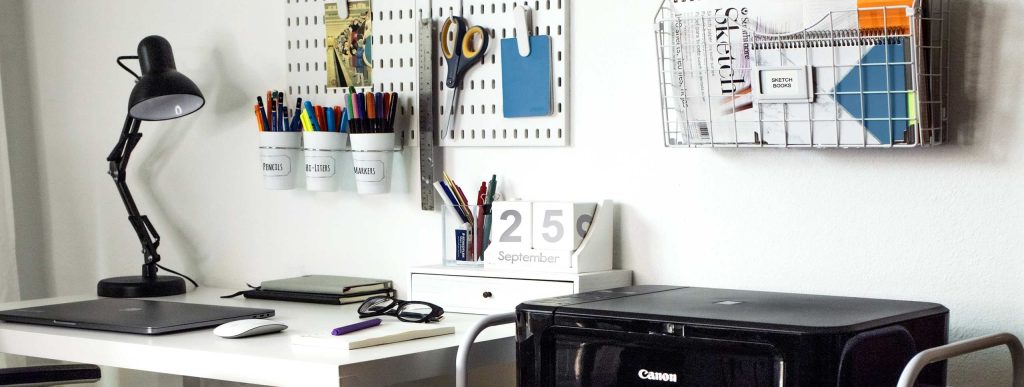
Pegboards offer flexible storage for tools and accessories. You can rearrange hooks and baskets to suit your needs. Hang scissors, cables, and notebooks for quick access. Pegboards keep your desk surface clear and organized. Mount one above your workspace to save room.
Vertical File Organizers
Vertical file organizers hold papers, folders, and documents upright. They prevent piles from building up on your desk. Use them to sort important files by category or deadline. Stack several organizers on shelves to keep everything neat. This method makes finding papers fast and easy.
Maximizing Natural Light
Natural light can transform your home office from a dull workspace into an inspiring area that boosts your mood and productivity. Maximizing this light is not just about placing your furniture randomly near windows—it requires thoughtful planning. How can you make every ray count to create a bright, comfortable environment?
Desk Position Near Windows
Placing your desk close to a window allows you to harness natural light directly. Position it so that sunlight falls from the side rather than behind you, which helps reduce screen glare. If you work with multiple screens, experiment with angles until you find a setup that keeps your eyes comfortable without sacrificing light.
Think about the view as well. Facing a pleasant outdoor scene can provide brief mental breaks, keeping your focus sharp throughout the day. Have you noticed how a glance outside refreshes your mind? Your desk placement can encourage this small but effective habit.
Light-reflecting Surfaces
Using surfaces that bounce light around the room enhances brightness without adding extra lamps. White or light-colored walls, glossy desks, and mirrors are excellent for reflecting natural light. A mirror positioned opposite a window can double the amount of sunlight entering your workspace.
Consider swapping heavy curtains for lighter window treatments or adding a whiteboard near your desk to reflect light upwards. These small tweaks can make your office feel more open and airy. What reflective surfaces do you already have that could serve a new purpose?
Adjustable Window Treatments
Window treatments that you can easily adjust let you control how much natural light enters your office throughout the day. Blinds or shades allow you to soften harsh midday sun while still letting in enough light to brighten your space. This flexibility helps prevent eye strain and maintains a pleasant atmosphere.
Try layering treatments, such as a sheer curtain combined with blinds, to give yourself more options. When was the last time you adjusted your window coverings to suit your work schedule? Small changes here can make a big difference in comfort and productivity.
Personalizing Without Clutter
Personalizing your home office creates a space that feels truly yours. It sparks creativity and comfort. Yet, too many items can clutter and distract. The key is to add character without crowding your workspace. Balance style and function for a calm, inspiring environment.
Minimalist Décor Ideas
Choose simple decorations that match your office colors. Keep surfaces clear except for a few meaningful pieces. Use clean lines and neutral tones. A single artwork or framed photo can bring personality. Avoid overcrowding walls or desks.
Functional Accessories
Select tools that serve a purpose and add style. Use elegant pen holders, sleek organizers, or stylish lamps. Pick items that help keep your desk tidy. Multi-use accessories reduce the number of things needed. They keep essentials close without mess.
Incorporating Plants
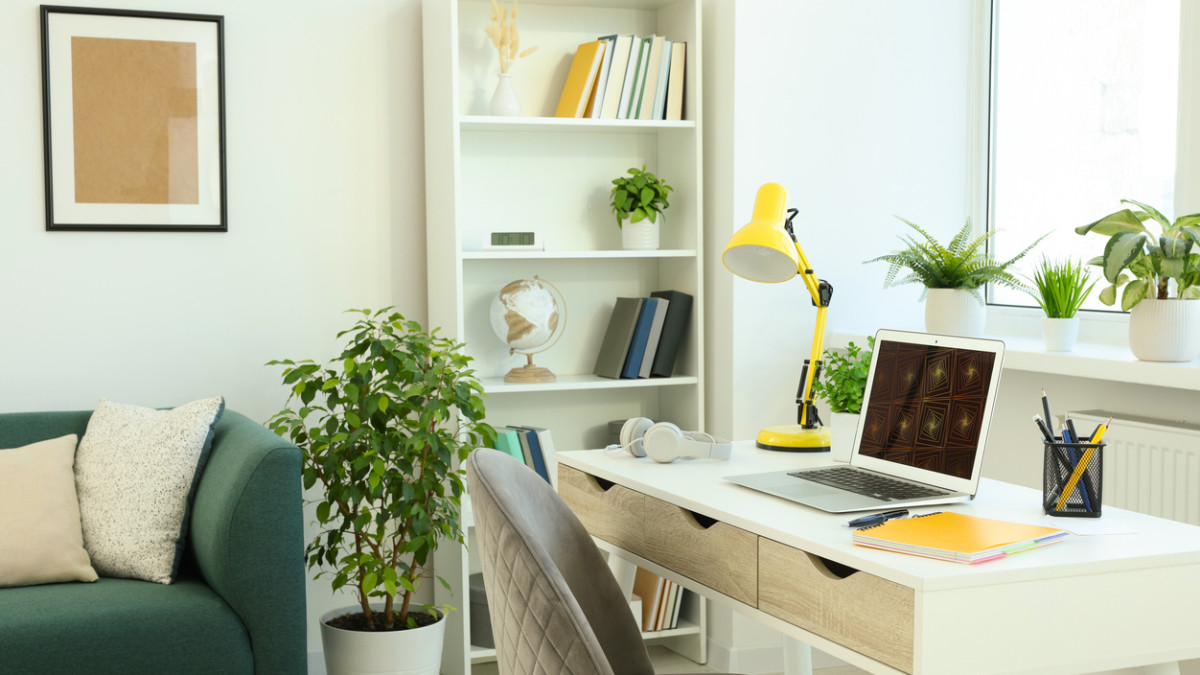
Plants bring life and fresh air to your office. Choose small, easy-care plants for your desk or shelves. Succulents and air plants need little water and space. Greenery adds color and calm without cluttering. Place them where they catch natural light.
Frequently Asked Questions
How Do I Choose The Right Desk Size?
Selecting the right desk size depends on your space and needs. Measure your available space first. Consider your work requirements, like computer usage or paperwork. Ensure enough room for movement and storage. Opt for a desk with drawers or shelves for added functionality.
What Is The Best Chair For Home Office?
A good home office chair should be ergonomic and adjustable. Look for lumbar support and height adjustability. Ensure it has comfortable cushioning and breathable fabric. Swivel and wheels enhance mobility. Test it for comfort before purchasing. Prioritize your posture and long-term comfort.
How Can I Maximize Small Office Spaces?
Utilize vertical space with shelves or cabinets. Choose multi-functional furniture like foldable desks. Use wall-mounted organizers for supplies. Opt for light colors to make the space feel bigger. Keep the area clutter-free to enhance productivity. Consider compact furniture designs to optimize limited space.
What Lighting Is Best For Home Office?
Natural light is ideal for a home office. Position your desk near a window. Use task lighting like desk lamps for focused work. Consider adjustable lamps to control brightness. Avoid harsh overhead lighting. Soft, warm bulbs are gentle on the eyes.
Balance natural and artificial light for comfort.
Conclusion
Organizing your home office furniture helps create a calm workspace. It saves time by keeping things within reach. Clear spaces improve focus and reduce stress. Choose furniture that fits your room well. Keep only what you use every day. Change your setup if it feels uncomfortable.
A neat office makes work easier and more fun. Small steps make a big difference. Start today and enjoy a better work area.