
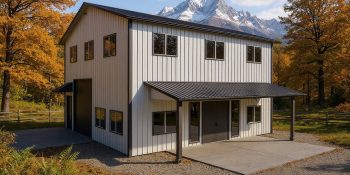
How Much Does It Cost to Build a Steel Home. Thinking about building a steel home but unsure how much it will cost? You’re not alone.
Knowing the expenses upfront can save you time, money, and stress. Whether you want a sleek modern look or a durable, low-maintenance house, understanding the true cost is key to making the right choices. You’ll get clear, straightforward answers about the price of building a steel home—so you can plan your dream home with confidence.
Keep reading to discover what affects the cost and how to get the best value for your investment.

Credit: www.angi.com
Factors Influencing Steel Home Costs
Understanding the factors that influence steel home costs helps in planning your budget well. Each element affects the final price differently. Knowing these helps you make smart choices and avoid surprises. Let’s explore the main factors that shape the cost of building a steel home.
Location And Site Preparation
Location plays a big role in cost. Remote areas often require more transport expenses. Site preparation varies with land condition. Rocky or sloped sites need extra work. Clearing, grading, and foundation work add to costs.
Design And Size Impact
Simple designs cost less to build. Complex shapes need more materials and labor. Larger homes use more steel and take longer to finish. Open floor plans can reduce interior walls and costs. Custom features often increase the price.
Material Quality And Grades
Steel comes in different grades and finishes. Higher quality steel lasts longer and resists damage. Premium materials cost more upfront but save on repairs. Standard steel is cheaper but may need maintenance. The choice affects durability and price.
Labor And Construction Expenses
Skilled labor is key to quality construction. Labor costs vary by region and availability. Specialized steel workers may charge higher rates. Efficient crews speed up building and reduce costs. Mistakes or delays increase expenses.
Permits And Regulatory Fees
Building permits are required in most areas. Permit costs differ by location and project size. Some regions have strict codes for steel homes. Inspections and approvals add time and fees. Budgeting for these avoids legal issues.
Steel Home Material Costs
Understanding steel home material costs helps plan your budget well. Steel homes need specific materials that impact the total price. Each component plays a role in durability, comfort, and style. Let’s explore the main material costs involved in building a steel home.
Steel Frame Pricing
The steel frame is the backbone of your home. Prices depend on the steel type and size. Standard steel frames cost between $8 and $12 per square foot. Custom designs or thicker steel raise the price. Steel frames last long and resist pests and fire.
Insulation And Cladding Options
Insulation keeps your home warm or cool. Common choices include foam board, fiberglass, or spray foam. Costs range from $1 to $3 per square foot. Cladding protects the steel and adds style. Options like vinyl, wood, or metal siding vary in price. Vinyl is affordable; wood looks natural but costs more.
Roofing Materials
Roofing materials impact both cost and appearance. Metal roofing matches steel homes well, costing about $5 to $12 per square foot. Asphalt shingles are cheaper but less durable. Consider factors like weather resistance and maintenance costs when choosing.
Windows And Doors
Windows and doors affect energy efficiency and design. Steel-framed windows fit steel homes but cost more. Vinyl or aluminum frames are cheaper alternatives. Prices for windows range from $300 to $1,000 each. Doors vary from $200 for basic models to $2,000 for custom steel doors.
Labor And Construction Costs
Labor and construction costs make up a significant portion of the total expense when building a steel home. These costs vary depending on whether you hire professionals or take on some of the work yourself. Understanding the differences can help you plan your budget more accurately and avoid unexpected expenses.
Hiring Contractors Vs. Diy
Hiring contractors ensures you get experienced hands on your project, but it often comes with a higher price tag. Contractors bring efficiency and expertise, which can save time and reduce costly mistakes. However, if you have some construction skills and time, doing parts of the work yourself can lower labor costs significantly.
Consider which tasks you feel confident handling. Painting, interior finishing, or landscaping might be doable on your own, while steel framing and welding usually require professionals. Have you thought about how much time you can realistically dedicate to DIY work without slowing down the project?
Specialized Steel Construction Skills
Steel homes require specific skills that differ from traditional wood-frame construction. Welding, cutting, and assembling steel components demand trained workers, which can increase labor costs. Not every contractor has experience with steel, so you might pay a premium for specialists.
Finding skilled labor may also impact your schedule and budget, especially in areas where steel construction is less common. Ask contractors about their steel project experience and request references. Your choice here can affect both quality and cost.
Timeframe And Project Duration
The length of your steel home construction affects labor costs directly. A longer project means more hours paid to workers and possibly higher overhead expenses. Steel homes often go up faster than traditional homes, but delays can still happen, especially if specialized skills are scarce.
Plan your timeline carefully and discuss it with your contractors upfront. What happens if weather or supply issues slow down your project? Knowing how delays affect costs can help you avoid surprises and keep your budget on track.

Credit: www.angi.com
Additional Expenses To Consider
Building a steel home involves more than just the basic construction costs. Several additional expenses can impact your budget. Planning for these extra costs helps avoid surprises later. These costs range from setting up utilities to finishing touches and outdoor work.
Utility Connections
Connecting your steel home to utilities adds to the total cost. These include water, electricity, gas, and sewage systems. Costs depend on your home’s location and distance from utility lines. Sometimes, permits and inspections increase expenses. Planning utility connections early prevents delays and extra fees.
Interior Finishes And Fixtures
Interior finishes affect both appearance and cost. Flooring, paint, lighting, and cabinetry add to expenses. Fixtures such as sinks, toilets, and appliances also matter. Choosing standard options lowers costs, while custom designs increase them. Budgeting for quality finishes ensures your home looks great and functions well.
Landscaping And Exterior Work
Landscaping shapes your home’s curb appeal and usability. Tasks include grading, planting, fencing, and driveways. Exterior work might involve patios, decks, or walkways. These projects vary widely in price based on materials and size. Setting aside funds for outdoor work completes your steel home’s look.
Cost Comparison With Traditional Homes
Comparing the cost of building a steel home to traditional homes helps you make a smarter investment. While the initial price tag might catch your attention, understanding the full financial picture reveals surprising advantages. Let’s examine how steel homes stack up against the more common wood frame homes and what long-term savings you can expect.
Steel Vs. Wood Frame Homes
Steel homes often come with a higher upfront cost than wood frame houses. On average, steel framing can add 5% to 10% more to your construction budget. This is mainly due to the material price and specialized labor required.
However, steel offers consistent quality and faster construction times. Unlike wood, steel won’t warp, split, or attract termites. This reduces the chances of expensive repairs down the line, which many wood homes face.
Think about this: if you prioritize durability and speed, paying a bit more initially might save you headaches and money later. Would you rather spend extra now or deal with frequent maintenance?
Long-term Savings And Durability
Steel homes resist fire, mold, and pests better than traditional wooden houses. This means your insurance premiums could be lower. Over a 30-year period, these savings add up significantly.
Energy efficiency is another area where steel homes shine. Proper insulation combined with steel’s reflective properties helps maintain indoor temperatures. This can reduce your heating and cooling bills noticeably.
Maintenance costs also tend to be lower with steel. You won’t need to repaint or replace siding as often, and the structure stays solid through storms and harsh weather. Have you factored in these ongoing savings when comparing costs?
Tips To Save On Steel Home Construction
Saving money on steel home construction doesn’t mean cutting corners on quality. It’s about making smart decisions that trim unnecessary costs while keeping your vision intact. You’ll find that a few strategic moves can significantly reduce expenses without compromising the strength and durability you want from a steel home.
Choosing Cost-effective Materials
Not all steel and building materials come with the same price tag. Look for suppliers offering recycled or locally sourced steel—it often costs less and supports sustainability. You might be surprised how much you save by selecting standard-sized steel panels instead of custom-cut ones.
Think about where you can substitute with less expensive yet reliable materials, like using steel framing but opting for budget-friendly insulation or exterior finishes. This balance can keep your costs down without sacrificing performance.
Efficient Design Strategies
Your home’s design directly impacts construction costs. Simple shapes and open floor plans reduce the amount of steel needed and labor time. Avoid unnecessary corners, angles, or overly complex features that increase fabrication and assembly expenses.
Have you considered multi-purpose rooms or built-in storage? These ideas can reduce square footage and materials, saving money while maintaining functionality. Efficient design isn’t just about aesthetics—it’s a powerful tool to control your budget.
Negotiating With Suppliers And Contractors
Don’t accept the first price offered. Suppliers and contractors often expect some negotiation. Ask for discounts on bulk orders or flexible payment terms that ease your cash flow.
Building a strong relationship with your contractor can also open doors to cost-saving opportunities. They might suggest alternate materials or methods that fit your budget better because they understand your goals.
What’s the best deal you’ve ever negotiated? Use that experience here—every dollar saved adds up, especially with steel home construction.
Estimating Your Steel Home Budget
Estimating your steel home budget is a crucial step before breaking ground. It helps you understand the financial commitment and avoid surprises down the road. Careful planning ensures your dream home fits your wallet without compromising quality.
Using Online Calculators
Online calculators can give you a quick estimate of steel home costs based on size, design, and location. They often factor in materials, labor, and basic finishes. While these tools provide a helpful starting point, remember that every project has unique variables that can affect the final price.
Try entering different square footage or customization levels to see how your budget shifts. This hands-on approach helps you make informed decisions early. Have you checked if your local suppliers or builders offer specialized calculators?
Consulting With Professionals
Talking to architects, builders, or steel home specialists brings real-world insights that calculators can’t capture. Professionals can identify potential cost drivers like site preparation, permits, or special features. Their experience helps you refine your budget with practical details.
When I first planned my steel home, a builder pointed out hidden costs I hadn’t considered, saving me from budget overruns. Don’t hesitate to ask for detailed quotes and compare multiple opinions. What questions will you ask to ensure you get accurate estimates?
Building Contingency Funds
Unexpected expenses are common in construction projects, so setting aside a contingency fund is smart. Aim for 10-15% of your total budget to cover surprises like material price changes or design tweaks. This buffer keeps your project on track without financial stress.
Think about how you’ll handle unforeseen costs—will you cut back on finishes or add more funds? Planning this ahead gives you flexibility and peace of mind. Are you ready to build your contingency into the overall budget?

Credit: www.angi.com
Frequently Asked Questions
What Is The Average Cost Of A Steel Home?
The average cost to build a steel home ranges from $100 to $200 per square foot. This depends on design complexity, location, and material quality. Custom features can increase costs. Steel homes are generally more affordable than traditional homes, offering durability and energy efficiency.
Are Steel Homes Cheaper Than Traditional Homes?
Yes, steel homes are usually cheaper than traditional homes. They offer lower long-term maintenance costs. Steel homes are energy-efficient, which reduces utility bills. Their quick construction time also cuts labor costs. However, initial costs can vary based on design and location.
How Long Does It Take To Build A Steel Home?
Building a steel home typically takes three to six months. This timeline is faster than traditional homes. Pre-fabricated components speed up the construction process. However, factors like design complexity and weather conditions can affect the timeline.
What Factors Affect Steel Home Construction Costs?
Several factors affect steel home construction costs, including design complexity, location, and material quality. Custom features and finishes can increase costs. Local labor rates and permitting fees also play a role. Efficient planning can help manage expenses effectively.
Conclusion
Building a steel home costs depend on size, design, and materials. Steel homes often save money over time due to durability and low maintenance. Planning your budget carefully helps avoid surprises during construction. Choosing the right builder can also affect the total cost.
Remember, investing in quality steel and good workmanship pays off in the long run. Consider your needs and compare prices before deciding. A steel home offers strength and style for many years.