
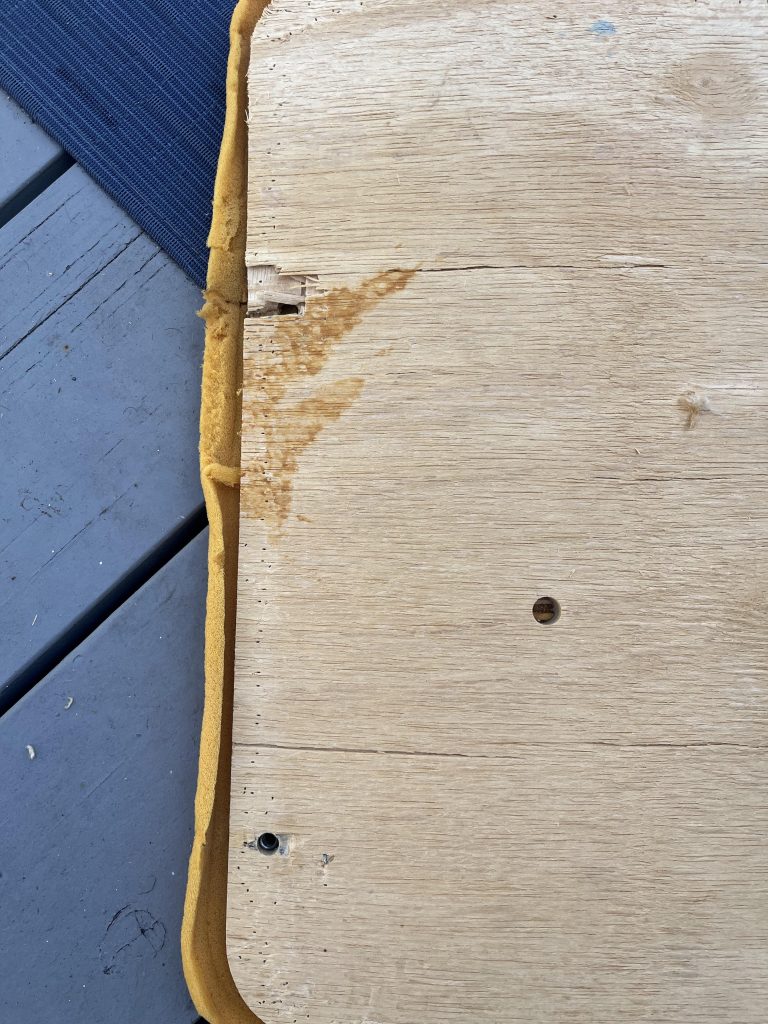
How to Repair a Broken Dining Chair Frame. Is your favorite dining chair wobbling or showing signs of a broken frame? Don’t rush to toss it out just yet.
You can fix it yourself and bring it back to life with just a few simple steps. Imagine saving money, avoiding a trip to the store, and restoring your chair to its sturdy, reliable self. In this guide, you’ll discover easy-to-follow tips that anyone can use, even if you’ve never done a repair before.
Ready to take control and make your dining chair strong again? Let’s get started!

Credit: www.reddit.com
Assessing The Damage
Before fixing your broken dining chair frame, you need to carefully assess the damage. Understanding exactly what’s wrong helps you decide the best repair approach and prevents wasted time on ineffective fixes. Taking a close look also reveals hidden issues that might worsen if ignored.
Identifying Common Breaks
Look closely at the chair frame for cracks, splits, or missing pieces. The most frequent breaks happen along the legs, seat rails, or backrest supports.
- Check if any wood is visibly broken or splintered.
- Notice if parts have completely separated or just cracked.
- Pay attention to worn areas that might soon break.
Have you ever repaired a chair only to find it broke again because you missed a hidden crack? Spotting these early saves you from repeating the repair. Don’t forget to inspect both sides of the frame—damage can sometimes hide underneath.
Checking For Loose Joints
Loose joints often cause wobbling or instability. Press and wiggle the connections where parts meet, like where legs join the seat or backrest.
- If parts move independently, the joint likely needs tightening or re-gluing.
- Look for old glue residue or gaps that indicate separation.
- Test if screws or dowels have come loose or fallen out.
Think about how many times a wobbly chair annoyed you at the dinner table. Fixing loose joints can restore comfort without replacing major parts. Make sure to note which joints are loose so you can target them during repair.
Gathering Materials And Tools
Before you dive into fixing your broken dining chair frame, gathering the right materials and tools sets you up for success. Having everything on hand avoids frustrating interruptions and ensures your repair is strong and lasting. Think about what you’ll need to get the job done well and safely.
Essential Repair Supplies
Start by collecting the key supplies that will hold your chair frame together again. You’ll typically need:
- Wood glue:A strong adhesive designed for wood repairs is critical for bonding cracked or split parts.
- Clamps:These help hold the frame tightly while the glue dries, ensuring a solid bond.
- Wood screws or nails:Adding screws or nails reinforces the glued joints and improves stability.
- Sandpaper:Use medium-grit sandpaper to smooth rough edges and prepare surfaces for gluing.
- Wood filler:Perfect for filling cracks or holes before finishing touches.
Have you noticed a particular part of your chair that needs extra reinforcement? Choose screws and glue that match the wood type to avoid damage or weak joints.
Safety Equipment
Protecting yourself during repairs is just as important as fixing the chair. Simple safety gear helps prevent injuries and keeps the project hassle-free.
- Safety goggles:These shield your eyes from dust, splinters, and accidental tool slips.
- Work gloves:Gloves protect your hands from splinters, sharp edges, and glue.
- Dust mask:Sanding creates fine dust that you don’t want to inhale.
Have you ever underestimated the importance of safety gear and ended up with a small injury? Taking a moment to gear up properly can save you time and pain later.
Preparing The Chair
Preparing your dining chair before repairing the frame sets the stage for a strong, lasting fix. Neglecting this step often leads to weak joints and frustration down the line. Taking time to clean and clear away old glue and debris makes sure new adhesive bonds properly and the frame aligns as it should.
Cleaning The Frame
Start by wiping down the entire chair frame with a damp cloth to remove dust and dirt. Use a mild soap solution if the frame feels greasy or sticky. Pay close attention to corners and joints where grime tends to build up.
If the wood is rough or splintered, gently sand those areas to create a smooth surface. This simple act improves how glue grips and makes the repair look cleaner. Have you noticed how even a small layer of dust can stop glue from sticking?
Removing Old Glue And Debris
Old glue can be stubborn and may prevent new glue from bonding well. Use a putty knife or a scraper to carefully chip away any dried glue from the joints. Be patient—rushing this step often damages the wood.
For stubborn glue, apply a small amount of acetone or a commercial glue remover with a cotton swab. Test it on a hidden spot first to avoid discoloration. Once softened, scrape off the residue and wipe the area clean with a cloth.
Removing all debris ensures your repair will hold firmly. Have you ever tried fixing a chair only to find the joint loose again? That usually means something was left behind during prep. Taking these steps saves you from repeating the repair later.
Fixing Loose Joints
Loose joints can make a dining chair feel unstable and unsafe. Fixing these joints restores strength and extends the life of your chair. The key is to secure the connection so it holds tight even after daily use.
Applying Wood Glue
Start by gently separating the loose joint just enough to apply glue. Use a high-quality wood glue designed for furniture repair to ensure a strong bond.
Apply the glue evenly on both surfaces where the joint meets. Don’t skimp on the glue, but avoid excess that will squeeze out and create a mess.
Have you noticed how a little glue can transform a wobbly chair into something solid? It’s all about getting the right amount and placement.
Using Clamps For Stability
After applying glue, use clamps to hold the joint firmly in place. This step is crucial because it keeps the parts aligned while the glue dries.
If you don’t have clamps, heavy books or even a sturdy box can do the trick temporarily. Just make sure the pressure is even and steady.
Leave the clamp on for the full drying time recommended on the glue label. Rushing this step can cause the repair to fail.
- Check the joint after removing clamps to ensure it’s solid
- Remove any glue residue with a damp cloth before it hardens
- Test the chair gently before putting full weight on it
Repairing Cracks And Splits
Cracks and splits weaken the dining chair frame and affect stability. Fixing these damages restores strength and extends the chair’s life. Small cracks can often be repaired without replacing parts.
Use strong materials and proper techniques for lasting results. Work carefully to keep the chair safe and comfortable.
Filling With Wood Filler
Wood filler is a simple way to fix small cracks and splits. Choose a filler that matches the chair’s wood color. Clean the damaged area to remove dust and loose pieces.
Apply the wood filler with a putty knife. Press it firmly into the crack to fill every gap. Let the filler dry fully, as per the instructions on the package.
After drying, sand the area smooth with fine sandpaper. This helps the repair blend with the surrounding wood. Paint or stain the spot to match the chair’s finish.
Reinforcing With Dowels Or Brackets
For larger cracks, reinforcement adds extra support. Dowels are wooden pins that join two broken parts firmly. Drill holes on both sides of the crack for the dowels.
Insert wood glue into the holes and on the dowels. Push the dowels into the holes and clamp the frame tightly. Let the glue dry completely before removing clamps.
Metal brackets can also strengthen weak joints. Attach brackets inside the frame with screws to avoid visible damage. This method improves the chair’s durability without major changes.
Replacing Broken Parts
Replacing broken parts in a dining chair frame can breathe new life into a piece you thought was beyond repair. It involves finding the right components and fitting them securely to restore stability and appearance. This process may seem tricky, but with the right approach, you can achieve professional-looking results at home.
Sourcing Replacement Pieces
Finding the exact parts for your dining chair can be a challenge. Start by identifying the material and style of the chair to narrow down your options. You might check local hardware stores, specialty furniture repair shops, or online marketplaces for matching wood pieces or metal parts.
Sometimes, salvaging parts from a similar old chair can save time and money. Have you ever considered visiting thrift stores or flea markets for hidden gems? Keep in mind the dimensions and weight capacity to ensure the new parts will hold up well.
Attaching New Components
Once you have the replacement pieces, the key is to attach them firmly without damaging the chair’s structure. Use wood glue for wooden parts combined with screws or nails for extra strength. Clamping the parts while the glue dries ensures a tight bond.
Don’t overlook the importance of pre-drilling holes to prevent splitting the wood. If the chair has metal parts, consider using bolts or specialized furniture fasteners for a secure fit. How precise is your fit? The tighter it is, the longer your repair will last.
Finishing Touches
After repairing the frame of your dining chair, the finishing touches make all the difference. These final steps not only enhance the chair’s appearance but also protect your hard work from wear and tear. Paying attention to detail here ensures your chair looks as good as new and lasts for years to come.
Sanding And Smoothing
Sanding is crucial to create a smooth surface, free from rough patches or excess glue. Use fine-grit sandpaper (220 grit works well) to gently sand the repaired areas and any uneven spots.
Don’t rush—take your time to feel the surface with your hand. If it still feels rough, keep sanding in small circles until it’s smooth. This step prevents splinters and helps paint or stain stick better.
Have you noticed how a well-sanded surface instantly improves the look of wood? It’s like giving your chair a fresh start before the final finish.
Applying Paint Or Stain
Choose a paint or stain that matches your chair’s original finish or your desired new look. If you want a natural wood appearance, a stain with a clear varnish adds depth and protection.
Apply thin, even coats using a brush or cloth, allowing each layer to dry completely before adding the next. Multiple light coats work better than one thick coat to avoid drips and uneven color.
Think about where your chair will be used—if it’s in a high-traffic area, consider a durable finish like polyurethane on top of your stain or paint for extra protection.
What color or finish would make your dining space feel more inviting? Your choice here can truly personalize your chair.

Credit: www.youtube.com
Preventing Future Damage
Preventing future damage to your dining chair frame helps keep it strong and safe. Small efforts can extend the chair’s life and avoid costly repairs. Regular care and mindful use make a big difference.
Regular Maintenance Tips
Check the chair often for loose screws or joints. Tighten them using the right tools. Clean the frame with a soft cloth to remove dust and dirt. Avoid harsh chemicals that can weaken the wood or finish. Use wood polish or oil to keep the wood healthy. Inspect the legs and supports for cracks or signs of wear. Fix small issues quickly before they grow bigger.
Proper Use And Handling
Sit gently on the chair to avoid stress on the frame. Avoid rocking or leaning back on two legs. Lift the chair when moving it instead of dragging. Keep the chair away from extreme heat or moisture. Place it on even floors to prevent wobbling. Teach children to use the chair carefully to avoid damage. Proper use keeps the frame stable and lasts longer.
Credit: www.youtube.com
Frequently Asked Questions
How Do I Identify A Broken Chair Frame?
To identify a broken chair frame, look for visible cracks or splits. Wobbling or instability can also indicate damage. Examine joints, especially where legs and seat connect. Regular inspection helps in early detection and repair.
What Tools Are Needed For Chair Frame Repair?
Common tools for repairing a chair frame include wood glue, clamps, sandpaper, and a screwdriver. A rubber mallet and wood filler may also be useful. Ensure you have the right size screws or nails for reinforcement.
Can I Fix A Chair Frame Without Professional Help?
Yes, you can fix a chair frame without professional help. With the right tools and materials, most repairs are DIY-friendly. Follow step-by-step guides and safety precautions for successful repair. If in doubt, seek expert advice.
How Long Does Chair Frame Repair Take?
Repairing a dining chair frame generally takes a few hours. This includes time for glue drying. Complex repairs or multiple chairs may take longer. Allocate sufficient time to ensure thorough and effective repair.
Conclusion
Fixing a broken dining chair frame takes patience and simple tools. Start by cleaning the broken parts well. Use wood glue and clamps to hold pieces tight. Let the glue dry fully before using the chair again. Check screws and joints to make sure they are strong.
Small repairs can save money and extend your chair’s life. With care, your chair can look good and stay safe. Enjoy your fixed chair for many meals and gatherings ahead. Repairing feels good and helps reduce waste too.