
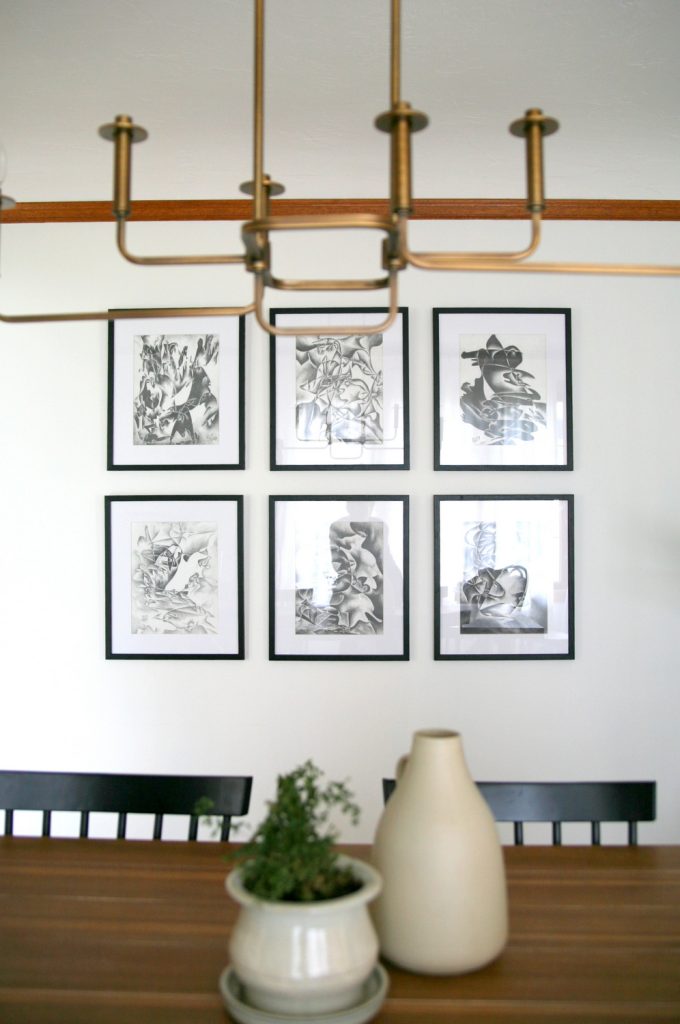
How to Hang Frames on a Wall Dining. Are you tired of staring at blank walls in your dining room? Hanging frames can completely transform the space, making it warm and inviting for every meal and gathering.
But getting your frames up just right can feel tricky—too high, too low, or uneven, and it throws off the whole look. In this guide, you’ll discover simple, step-by-step tips to hang your frames perfectly every time. By the end, your dining area will feel like a stylish, personal gallery that impresses both you and your guests.
Ready to turn your walls into a stunning focal point? Let’s get started!
Credit: www.create-enjoy.com
Choosing The Right Frames
Choosing the right frames for your dining room can change the whole feel of the space. Frames do more than hold pictures; they add style and personality. The right frame highlights the art and fits well with your room’s look. Consider style, material, and how the frame matches your decor. These factors help create a warm and inviting dining area.
Frame Styles For Dining Rooms
Dining rooms suit many frame styles. Classic wood frames bring warmth and tradition. Sleek metal frames add a modern, clean look. Ornate frames work well with vintage or elegant themes. Simple frames keep focus on the art. Choose a style that fits the mood you want in your dining space.
Materials And Finishes
Frame material affects durability and appearance. Wood frames are sturdy and have a natural charm. Metal frames offer a polished, contemporary look. Plastic frames are lightweight and budget-friendly. Finishes like matte, glossy, or distressed add character. Match materials and finishes to the dining room’s lighting and color scheme.
Matching Frames With Decor
Frames should blend with your dining room decor. Match frame colors with furniture or wall paint. Contrast frames with light walls to make them stand out. Consider the room’s style—rustic, modern, or traditional. Use frames to tie the room together visually. Consistency in frame design creates a balanced look.
Credit: www.homesandgardens.com
Selecting Wall Space
Choosing the right wall space to hang frames in your dining room can change the entire mood of the area. It’s not just about picking an empty spot; it’s about finding a place that complements your dining experience and enhances the room’s vibe. The right wall space can make your frames stand out and invite conversation during meals.
Ideal Wall Areas In Dining Rooms
Look for walls that naturally draw attention when people enter the room. Often, the wall behind the dining table is the perfect spot because it serves as a backdrop for your meals. Another great option is a wall opposite a window, where natural light can highlight your frames.
Think about where your guests’ eyes naturally rest. Do you want your art to be a focal point or a subtle detail? This helps decide the best wall area to showcase your frames effectively.
Considering Wall Size And Shape
Measure your wall before deciding how many frames to hang. A large wall can handle a gallery-style arrangement, while a smaller wall might need just one or two statement pieces. Don’t forget to consider the height too—frames hung too high or too low can feel out of place.
Oddly shaped or narrow walls can be tricky but also offer unique opportunities. Narrow walls near doorways or corners can work well with slim, vertical frames or a series of small artworks. Have you measured your wall lately to match it with your frame size?
Avoiding Cluttered Spaces
Frames need breathing room to shine. Avoid walls already packed with shelves, light switches, or other decorations. Too many items can make the space feel cramped and distract from your frames.
Think about how you use the dining room daily. If the wall is near busy areas like a buffet or doorway, too many frames might overwhelm the space. Keep it simple and let your chosen frames create a clear, inviting look.
Arranging Frames
Arranging frames on your dining room wall can transform the entire atmosphere of the space. The way you organize your frames influences not only the visual appeal but also the mood during meals and gatherings. Thoughtful placement makes your wall a conversation starter and adds personality to your dining area.
Creating Balanced Layouts
Balance keeps your frame arrangement pleasing to the eye. Aim to distribute the visual weight evenly across the wall, so no single area feels too crowded or too empty.
Try mixing frame sizes but balance larger frames with smaller ones around them. You can also use color and frame style to create harmony. Stand back and adjust until the layout feels stable and natural, not forced.
Symmetrical Vs Asymmetrical Designs
Symmetrical layouts provide a formal, orderly look. They work well if your dining room has classic or minimalist decor. Think of matching pairs or a centered arrangement that mirrors each side.
Asymmetrical designs offer a casual, dynamic feel. They allow you to play with different shapes and sizes without strict rules. Does your dining space feel more relaxed? Asymmetry might suit it better and give you more freedom.
Using Grids And Galleries
Grids create neat rows and columns of frames for a clean, modern appearance. Use a tape measure and level to keep spacing consistent. This method works well if you want to display similar art or photos.
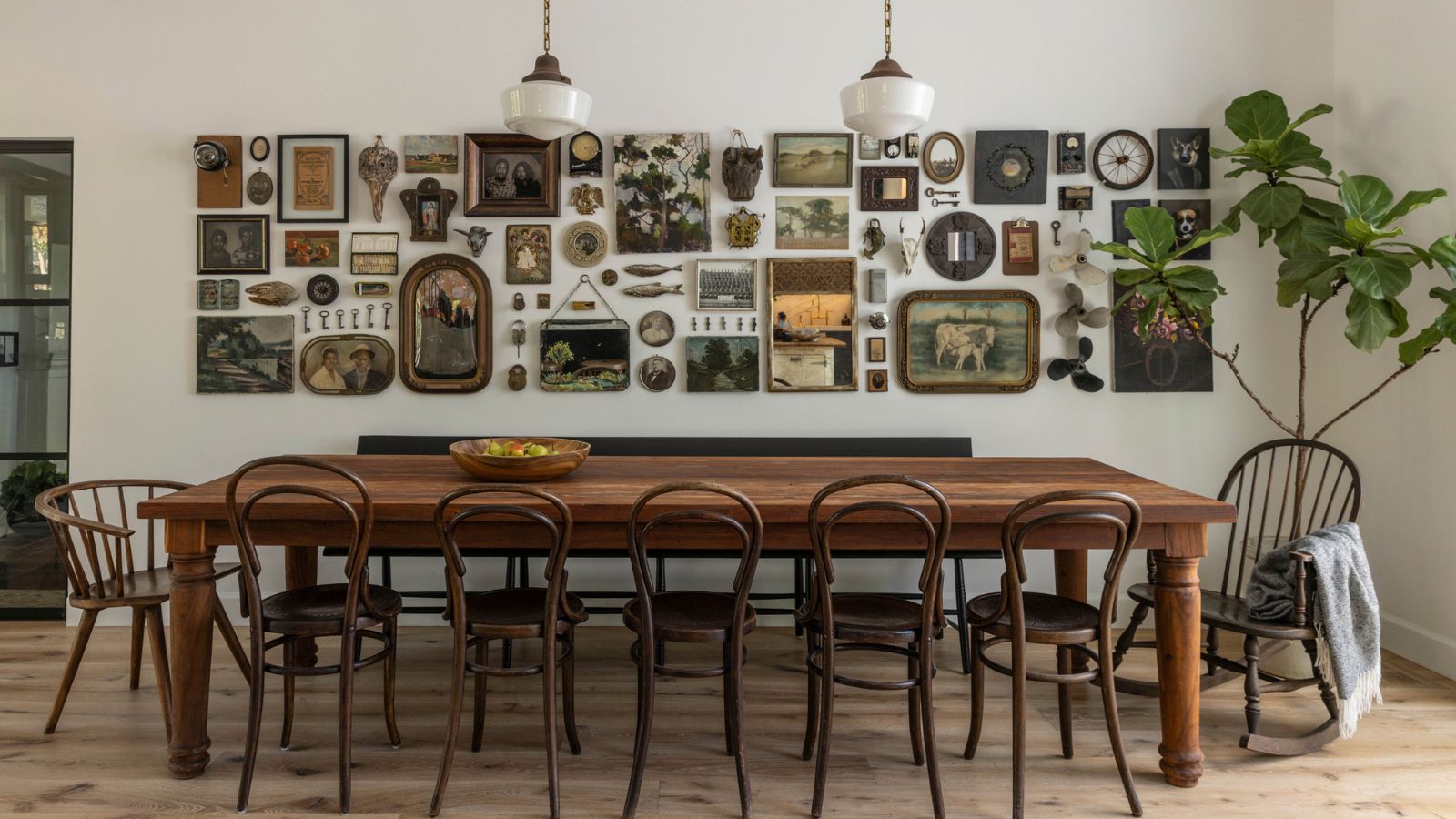
Gallery walls mix various frames in a curated, personal collection. Lay your frames on the floor first to experiment with arrangements. Don’t be afraid to overlap slightly or include non-frame elements like mirrors or shelves.
What kind of vibe do you want your dining room to give off? Your frame arrangement can be your answer.
Tools And Materials Needed
Hanging frames on a dining room wall needs the right tools and materials. This ensures frames stay secure and look great. Using proper items makes the job easier and safer.
Essential Hanging Tools
- Measuring tape to find exact spots
- Level to keep frames straight
- Pencil for marking positions
- Hammer or drill for installing hardware
- Stud finder to locate wall supports
- Screwdriver for tightening screws
Choosing The Right Hardware
Select hardware based on frame size and wall type. Use nails or hooks for lightweight frames. For heavier pieces, use wall anchors or screws.
Picture hanging strips work well for delicate walls. Make sure hardware can hold the frame’s weight safely. Check package weight limits before buying.
Safety Tips For Hanging
- Wear safety glasses to protect your eyes
- Use a sturdy ladder or step stool
- Do not hang frames over unstable furniture
- Check wall for electrical wires or pipes
- Handle glass frames carefully to avoid breakage
Measuring And Marking
Measuring and marking are key steps to hang frames neatly on your dining room wall. Careful measurements prevent crooked or uneven arrangements. Marking the wall accurately helps place frames exactly where they belong. Taking time here saves effort later and enhances your room’s look.
Finding The Perfect Height
Choose a height that suits your dining space. A common rule is to hang frames at eye level. For dining rooms, aim for the center of the frame to be about 57 to 60 inches from the floor. This height works well for most people sitting or standing. Adjust slightly if your ceilings are very high or low.
Spacing Between Frames
Keep consistent spacing between frames for a balanced look. A good gap is usually 2 to 4 inches. Smaller spaces work for tight clusters. Larger gaps suit bigger, separate pieces. Use a ruler or tape measure to keep distances even. This approach makes your wall look organized and stylish.
Using Level And Tape Measure
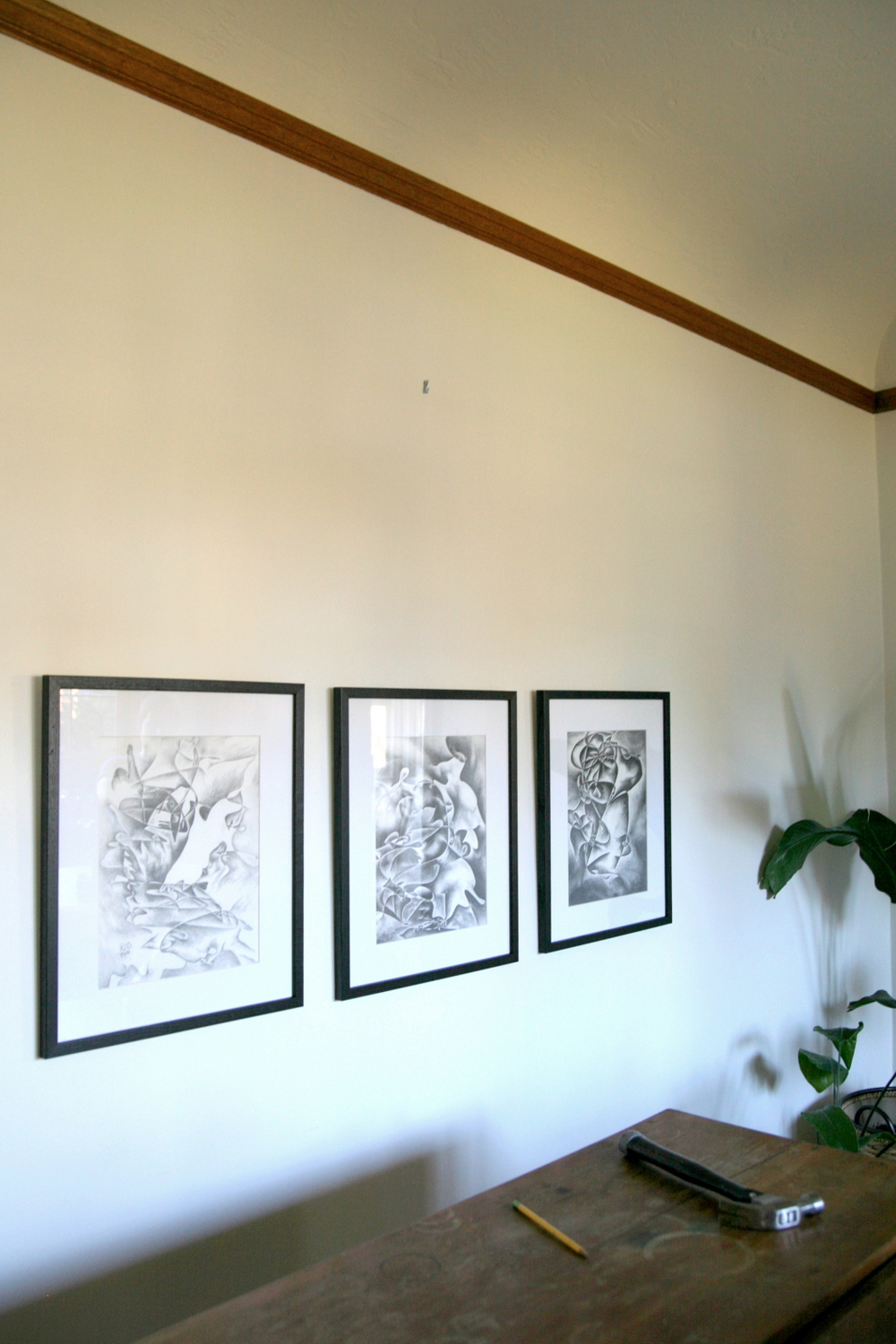
Use a tape measure to mark the frame’s height and spacing on the wall. Mark lightly with a pencil so you can erase later. Check your marks with a level to keep lines straight. A level ensures frames hang perfectly horizontal. Double-check measurements before drilling or hammering nails.

Credit: www.create-enjoy.com
Hanging Techniques
Hanging frames on a dining room wall requires simple yet effective techniques. Choosing the right hanging method ensures your frames stay secure and look great. Different walls and frame types need different approaches. The following techniques cover common options to fit various needs and wall surfaces.
Nail And Hook Methods
Nails and hooks provide strong support for most frames. Choose a nail size that matches the frame weight. Hooks can hold heavier frames more securely than nails alone. Use a hammer to gently tap nails or hooks into the wall. Hang the frame on the hook or nail, then adjust to level.
- Use picture hooks for added stability.
- Measure twice before placing nails.
- Small frames need only one nail or hook.
- Large frames may require two hooks for balance.
Adhesive Strips And Alternatives
Adhesive strips offer a no-damage option for hanging frames. These strips stick to the wall and frame back. They work well for lightweight frames and smooth surfaces. Press firmly when applying strips for better hold. Remove strips carefully to avoid wall damage.
- Check weight limits on strip packaging.
- Clean wall surface before applying strips.
- Use multiple strips for heavier frames.
- Try reusable adhesive putty for temporary displays.
Dealing With Different Wall Types
Wall material affects the best hanging method. Drywall needs anchors or picture hooks for heavy frames. Brick or concrete walls require masonry nails or screws with plugs. Plaster walls are fragile; use lightweight hooks or adhesive strips. Always test hanging hardware on a small area first.
| Wall Type | Recommended Hanging Method | Notes |
|---|---|---|
| Drywall | Picture hooks, anchors, nails | Use anchors for heavy frames |
| Brick/Concrete | Masonry nails, screws with plugs | Drill pilot holes first |
| Plaster | Lightweight hooks, adhesive strips | Be gentle to avoid cracking |
| Wood | Nails, screws | Easy to hang heavier frames |
Styling Tips For Dining Areas
Styling a dining area with framed art creates a warm, inviting space. The right frames highlight the dining room’s personality and charm. Proper arrangement enhances the furniture and overall ambiance. Use simple design ideas for a balanced, beautiful look.
Complementing Dining Furniture
Match frame styles with your dining furniture. Wooden frames blend well with wooden tables. Metal frames suit modern, sleek dining sets. Keep frame size proportional to furniture size.
Arrange frames at eye level for easy viewing. Avoid overcrowding the wall; leave space for visual rest. Balance frame colors with furniture tones for harmony.
Incorporating Color And Texture
Use colors that echo the dining room palette. Frames with matte finishes soften bright walls. Glossy frames add shine to neutral spaces.
Mix textures to add depth. Combine smooth frames with rough, natural walls. Layer art with fabric or metal accents nearby.
Seasonal And Thematic Decor Ideas
Change frames or art seasonally for fresh vibes. Use botanical prints in spring and summer. Opt for warm colors and cozy themes in fall and winter.
Themes bring character to dining areas. Choose art that reflects holidays or family traditions. Rotate art pieces to keep the space lively and new.
Frequently Asked Questions
How To Choose The Right Frame Size?
Select a frame that complements the art or photo dimensions. Ensure it fits your wall space without overwhelming it. Consider the design theme and color scheme of your dining room. A well-chosen frame enhances visual appeal and balances the overall decor.
What Tools Do I Need To Hang Frames?
You’ll need a hammer, measuring tape, level, pencil, and wall anchors. For heavier frames, use a drill and appropriate screws. These tools ensure accurate placement and secure hanging. Always double-check measurements and wall material compatibility before starting.
How To Arrange Frames Aesthetically?
Start by laying frames on the floor in different arrangements. Create a balanced look by mixing sizes and shapes. Consider the focal point of the dining area. Use symmetry for a formal look or staggered placements for a casual vibe.
Adjust based on personal preference.
Can I Hang Frames Without Nails?
Yes, you can use adhesive hooks or strips. They are ideal for lightweight frames and rented spaces. Ensure the wall surface is clean before applying. Follow the product instructions for weight limits and placement. This method prevents wall damage and allows easy rearrangements.
Conclusion
Hanging frames in your dining room adds charm and style. Choose the right spot and use proper tools. Measure carefully to keep frames level and balanced. Arrange frames to match your room’s size and colors. Take your time and enjoy the process.
A well-hung frame can brighten meals and conversations. Simple steps create a cozy and inviting space. Now, your dining wall looks complete and welcoming.