
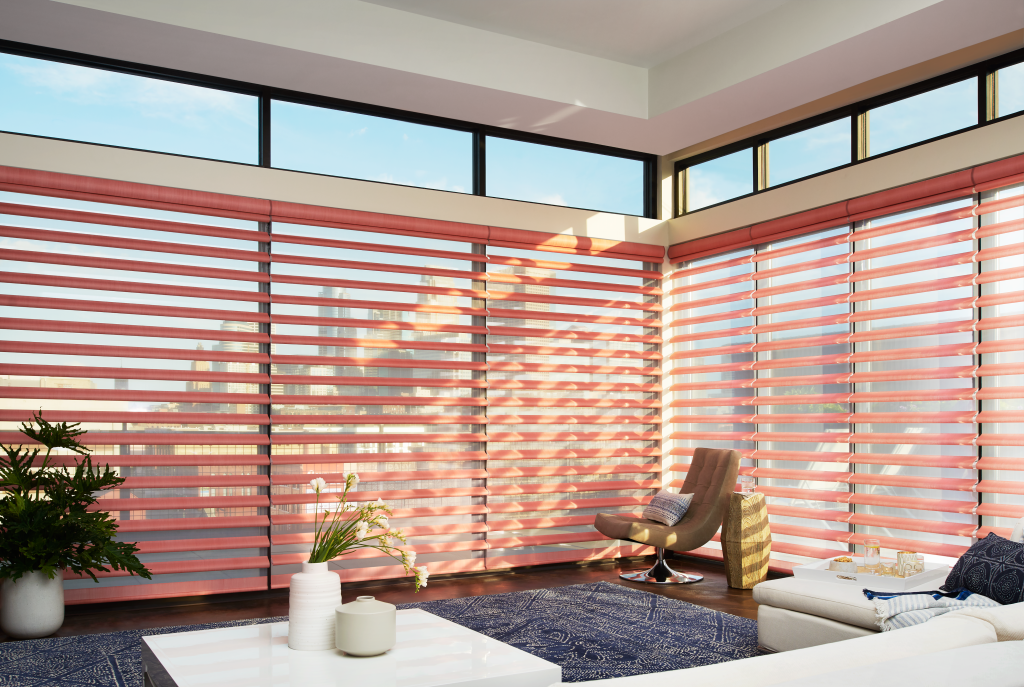
Choosing the right blinds for your dining room window can change the entire feel of your space. You want something that looks great, lets in just the right amount of light, and keeps your privacy intact.
But with so many options out there, how do you know which blinds are best for your dining room? You’ll discover simple tips and expert advice to help you pick blinds that fit your style, needs, and budget perfectly. Keep reading to find the perfect match for your dining room window.
Credit: www.hunterdouglas.com
Choosing Blinds For Dining Rooms
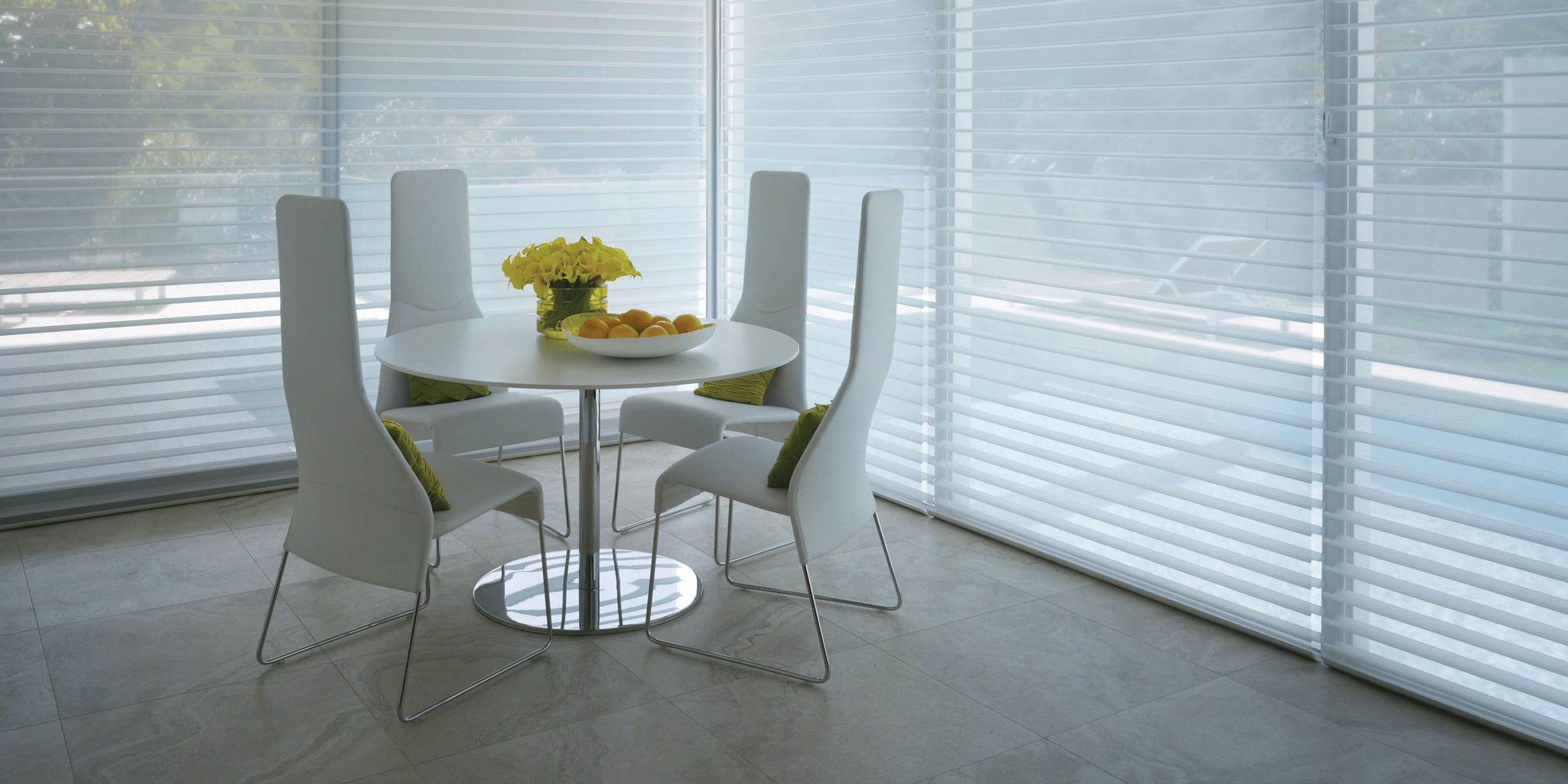
Choosing blinds for dining rooms involves more than picking a style. The right blinds create comfort and enhance the room’s look. They control natural light and offer privacy. Consider the room’s use, size, and design. This helps to select blinds that fit well and work effectively.
Balancing Light And Privacy
Dining rooms need good natural light for meals and gatherings. Blinds should allow sunlight without glare. They must also provide privacy from outside views. Adjustable blinds help control light levels easily. Materials like wood or fabric can soften light and add warmth.
Matching Dining Room Decor
Blinds should match the room’s style and colors. Choose colors that blend with walls and furniture. Classic wood blinds suit traditional dining rooms. Modern spaces benefit from sleek, simple blinds. Consider textures and patterns that complement curtains or rugs.
Considering Window Size And Shape
Window size affects the type of blinds to choose. Large windows might need wide slats or panels. Small windows work well with narrow blinds or shades. Unique window shapes like arches or circles need custom blinds. Measure windows carefully to ensure a perfect fit.
Credit: www.hunterdouglas.com
Popular Blind Styles
Choosing the right blinds for your dining room window can change the entire atmosphere of your space. The style you pick affects not only the look but also the light control and privacy. Here’s a look at some popular blind styles that fit perfectly in dining rooms, helping you make a confident choice.
Wooden Blinds
Wooden blinds bring warmth and a natural feel to your dining room. They are sturdy and offer excellent light control with adjustable slats. If you want to add a touch of elegance while keeping things simple, wooden blinds are a great pick.
They also work well if you have a rustic or traditional dining area. However, keep in mind that wood can be sensitive to moisture, so they may not be the best fit if your dining room is near a kitchen or humid area.
Roman Blinds
Roman blinds add softness and style with their fabric folds. They create a cozy and inviting vibe, perfect for dining rooms where you gather with family or friends. You can choose from many fabrics, patterns, and colors to match your décor.
They also provide good insulation and light filtering, making them practical and beautiful. Ask yourself what kind of mood you want in your dining space—formal or relaxed—because Roman blinds can suit both with the right fabric.
Roller Blinds
Roller blinds are sleek, simple, and easy to use. They work well if you prefer a clean, modern look without much fuss. When pulled down, they offer full privacy and block out sunlight, which is great for evening dinners or bright afternoons.
Plus, roller blinds come in a wide range of colors and materials, including blackout options. Think about how much natural light you want to let in during meals, as roller blinds let you control that precisely.
Venetian Blinds
Venetian blinds give you excellent control over light and privacy with their horizontal slats. You can tilt the slats to adjust how much light enters, which is handy for dining rooms facing busy streets or bright gardens. Their classic look fits well with both modern and traditional spaces.
They are easy to clean and maintain, making them practical for areas where spills or dust might be common. Would you prefer blinds that let you fine-tune light throughout the day? Venetian blinds might be your answer.
Cellular Blinds
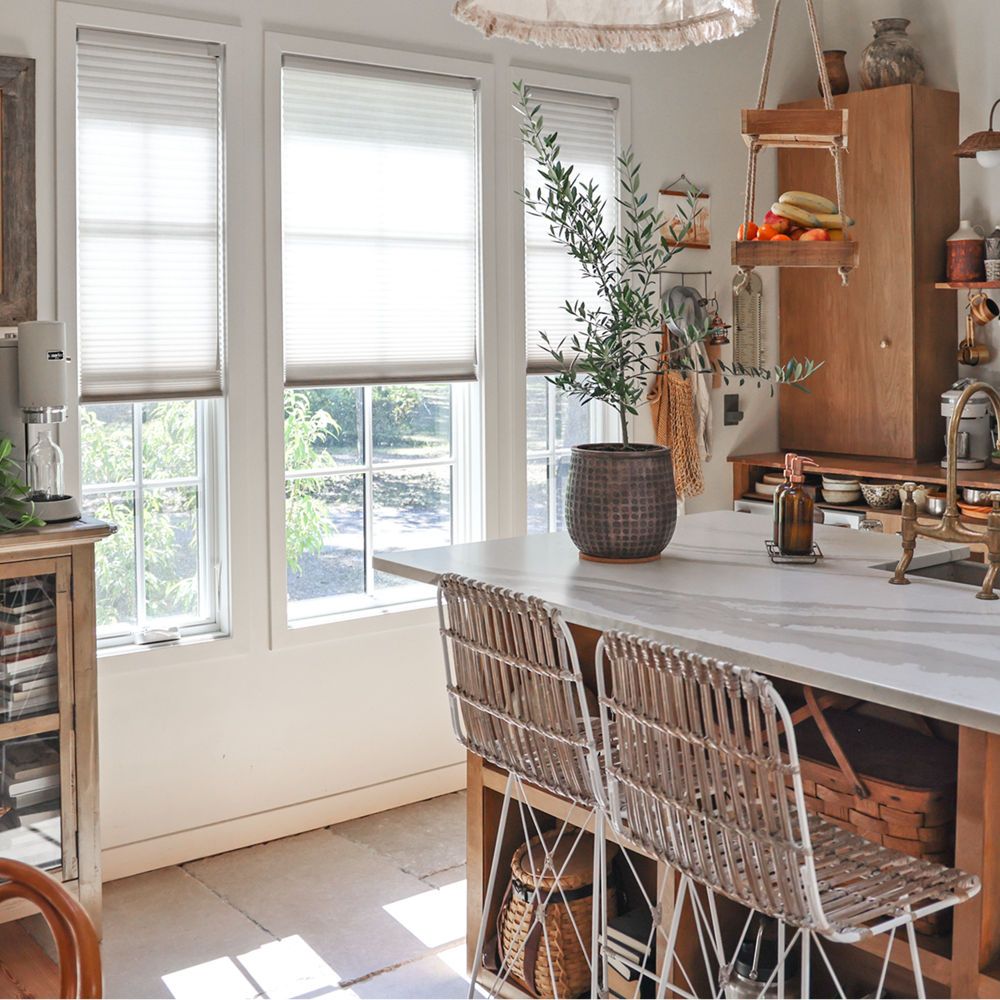
Cellular blinds, also called honeycomb blinds, are known for their energy efficiency. They trap air in their cells, helping to keep your dining room warm in winter and cool in summer. This feature is ideal if your dining room windows are large or drafty.
They also offer a soft, modern look and come in various colors and opacities. If you want blinds that combine style with function and help lower your energy bills, cellular blinds deserve a spot on your shortlist.
Materials And Finishes
Choosing the right material and finish for your dining room blinds can completely change the feel of the space. The material affects not only the look but also the durability, ease of cleaning, and how much light you can control. Think about how you use your dining room daily—do you want something warm and inviting, or sleek and modern?
Natural Wood Vs Faux Wood
Natural wood blinds bring a warm, classic vibe that adds texture and richness to your dining room. They work well if you want a cozy, traditional feel and enjoy the natural grain and color variations. But keep in mind, real wood can warp or fade in humid areas, so it might need more care.
Faux wood blinds offer a similar look but come with better durability and moisture resistance. They are easier to clean and often more budget-friendly, making them perfect if you have kids or a busy household. Plus, they don’t lose their shape or color as easily, which means less hassle for you in the long run.
Fabric Options
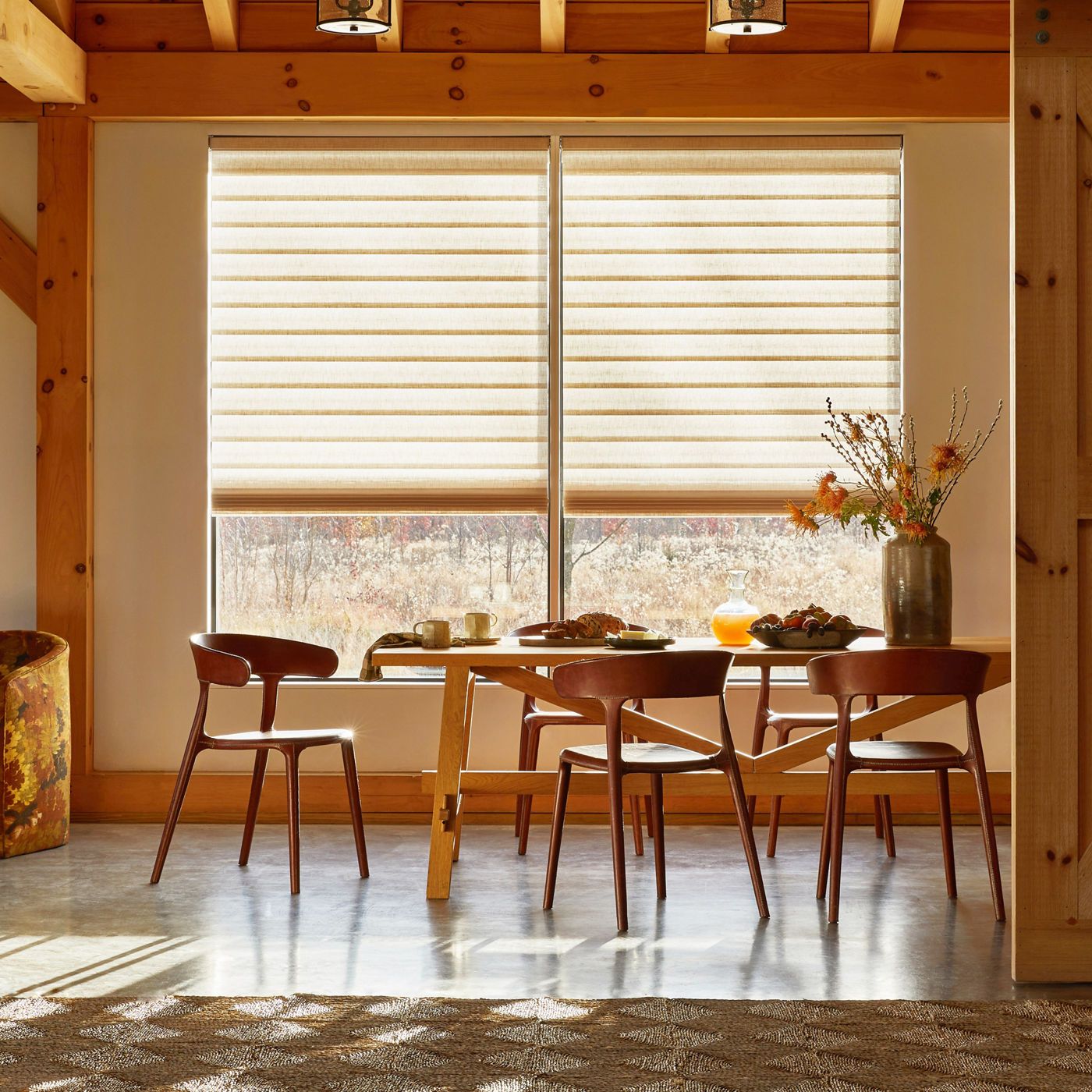
Fabric blinds can soften the look of your dining room, adding a layer of elegance and comfort. They come in many colors and patterns, so you can pick one that matches your décor perfectly. Think about a light-filtering fabric if you want a gentle glow during meals without harsh sunlight.
Some fabrics also offer blackout options if you prefer to keep the room darker for special dinners or movie nights. Just remember, fabric blinds might attract dust more easily and need regular cleaning to stay fresh. Would you prefer something that feels like an extra piece of décor or more of a functional window covering?
Metal And Aluminum Choices
Metal blinds, especially aluminum, give a sleek, modern look to your dining room. They are incredibly durable and resistant to moisture, which makes them easy to maintain. If you’re after a minimalist style or want blinds that withstand everyday use, these might be the best fit.
Aluminum blinds can also reflect light in interesting ways, creating a dynamic atmosphere during different times of the day. However, they may not offer the warmth of wood or softness of fabric, so consider your dining room’s overall vibe before choosing metal. Are you ready to embrace a clean, contemporary feel or do you prefer something more traditional?
Color And Pattern Ideas
Choosing the right color and pattern for dining room blinds shapes the room’s mood. Colors and designs influence light, space, and style. Blinds that match your décor create harmony and comfort. Explore different tones and patterns to find the perfect fit.
Neutral Tones For Versatility
Neutral colors like beige, gray, and white suit many dining room styles. They blend well with furniture and wall colors. These shades reflect natural light, making rooms feel larger. Neutral blinds offer a timeless, clean look. They allow other décor pieces to stand out.
Bold Colors For Statement
Bright colors such as navy, emerald, or deep red add energy and focus. They create a striking contrast against light walls. Bold blinds act as a centerpiece in the room. Use them to express personality and style. These colors bring warmth and depth to the space.
Subtle Patterns And Textures
Patterns like stripes, checks, or small florals add visual interest without overwhelming. Textured fabrics bring softness and dimension to the window. They add charm and elegance quietly. Patterns can tie together different colors in the room. Textures improve the overall feel and comfort.
Functionality Features
Choosing the right blinds for your dining room window means looking beyond just style. Functionality plays a crucial role in how well your blinds serve your daily needs. Considering features like light control, ease of cleaning, and durability can make your dining experience more comfortable and your space easier to maintain.
Light Control And Dimming
Good light control lets you set the perfect mood for every meal. You want blinds that can easily adjust from bright daylight to a soft, dim glow for evening dinners. Options like cellular shades or Venetian blinds offer precise control over how much light enters your room.
Have you ever struggled with harsh sunlight ruining a cozy dinner? Blinds that provide varying levels of opacity help solve this problem without sacrificing your view or privacy. Consider blinds with adjustable slats or layered fabrics to achieve this balance effortlessly.
Ease Of Cleaning
Dining rooms can attract dust, food particles, and spills, so easy-to-clean blinds are essential. Materials like faux wood or aluminum wipe down quickly, saving you time and frustration. Avoid fabrics that trap stains or require complicated cleaning routines.
If you have kids or host frequently, think about blinds that resist dirt buildup. A quick dusting or wipe can keep your blinds looking fresh, so you spend more time enjoying your meals and less time scrubbing.
Durability And Maintenance
Durable blinds withstand daily wear and tear, especially in busy dining rooms. Look for moisture-resistant and sturdy materials that won’t warp or fade over time. This means fewer replacements and better long-term value for you.
Maintenance should be simple—no need for special cleaners or frequent repairs. Blinds made from high-quality composites or metals often require minimal upkeep, letting you focus on what matters: sharing great meals with loved ones.
Smart Blinds And Automation
Smart blinds bring new convenience to dining room windows. They offer control through technology, adding comfort and style. Automation makes it easy to adjust light and privacy. Smart blinds suit modern homes and busy lifestyles. They blend well with smart home devices for seamless use.
Remote Control Options
Smart blinds use remote controls for easy operation. You can open or close blinds from across the room. Some models work with smartphone apps. This allows control from anywhere in the house. Voice control is also common with smart assistants. Commands like “open blinds” or “close blinds” work instantly. Remote control reduces the need for manual handling. It’s ideal for hard-to-reach dining room windows.
Integration With Smart Home Systems
Many smart blinds connect with smart home systems. They sync with devices like Alexa, Google Home, or Apple HomeKit. This integration offers unified control of your home. You can schedule blinds to open at sunrise or close at dinner time. Scenes can adjust lights and blinds together. This makes dining room ambiance perfect for every meal. Integration improves ease and comfort throughout the day.
Energy Efficiency Benefits
Smart blinds help save energy in dining rooms. Automated settings can block heat during hot days. They open to let warmth in during cold mornings. This reduces the need for heating or cooling. Timers ensure blinds adjust without forgetting. Proper use lowers energy bills and environmental impact. Energy-efficient homes feel more comfortable and cost less to run.
Budget And Installation Tips
Choosing the right blinds for your dining room window isn’t just about style; budget and installation play a huge role in your final decision. Knowing what to expect in terms of costs and how to install them can save you time, money, and headaches. Let’s break down these crucial factors to help you make a smart choice.
Cost Ranges For Different Blinds
Blinds come in a variety of materials and designs, each with its own price tag. Vinyl blinds usually cost between $20 and $50 per window, making them a budget-friendly option. Wood and faux wood blinds typically range from $50 to $150, offering a warmer, more elegant look.
For a more luxurious feel, cellular or honeycomb blinds can cost anywhere from $75 to $200. Motorized blinds tend to be on the higher end, often exceeding $200, but they add convenience that some find worth the investment.
Think about how often you use the dining room and how durable you want the blinds to be. Would you prefer to spend less now and replace sooner, or invest more upfront for long-lasting quality?
Diy Vs Professional Installation
Installing blinds yourself can save money, but it requires some skill and patience. Many blinds come with straightforward instructions, and with a few tools, you can usually manage the job in an hour or two.
However, if your windows have unusual shapes or sizes, or if you want perfect alignment, hiring a professional can prevent costly mistakes. Professionals also handle tricky wiring for motorized blinds safely.
Ask yourself: Do you enjoy hands-on projects, or would you rather avoid the hassle and guarantee a flawless finish by calling an expert?
Measuring Your Windows Accurately
Accurate measurements are critical; even a small error can mean blinds that don’t fit well or leave gaps. Measure the width at three points—top, middle, and bottom—and use the smallest measurement for ordering.
Don’t forget to measure the height on both sides and in the center, again using the smallest number. Decide if you want the blinds to fit inside the window frame or cover it from the outside.
It’s easy to overlook how much space the mounting brackets need, so check the product specifications carefully. Taking your time here can save you from the frustration of returns or ill-fitting blinds.
Credit: www.hunterdouglas.com
Frequently Asked Questions
What Type Of Blinds Suit Dining Rooms Best?
Wooden blinds are excellent for dining rooms. They add warmth and sophistication. They also provide great light control. Alternatively, consider faux wood blinds. They offer similar aesthetics and are more moisture-resistant.
Are Vertical Blinds Good For Dining Room Windows?
Yes, vertical blinds are great for dining rooms. They offer excellent light control and privacy. They’re ideal for large windows. They also come in various materials and colors to match your decor.
How Do I Choose Blind Colors For Dining Rooms?
Choose colors that complement your dining room decor. Neutral tones are versatile and timeless. Bold colors can add a pop of personality. Consider the overall ambiance you wish to create.
Are Blackout Blinds Suitable For Dining Rooms?
Blackout blinds are less common in dining rooms. However, they are useful if you need complete privacy. They block out sunlight effectively. Consider them if your dining room doubles as a workspace.
Conclusion
Choosing the right blinds can change your dining room’s feel. Light control and privacy matter most. Consider materials that match your style and budget. Easy-to-clean blinds save time and effort. Think about how much sunlight your window gets. The perfect blinds make meals more comfortable and cozy.
Take your time to pick blinds you love. Your dining room deserves a fresh, bright look. Simple choices bring great results. Enjoy your space with blinds that fit well.