
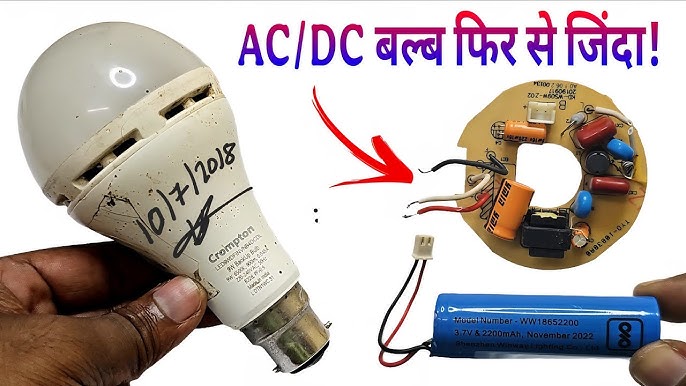
Have you ever faced the frustration of a burnt-out LED bulb and thought it’s time to toss it away? What if you could fix it yourself without spending money on a replacement?
Repairing your LED bulb at home is easier than you think. You’ll discover simple steps that anyone can follow to bring your bulb back to life. Imagine saving money, reducing waste, and feeling proud of fixing something with your own hands.
Keep reading, and by the end, you’ll know exactly how to repair your LED bulb quickly and safely.
Common Led Bulb Issues
LED bulbs are known for their durability and energy efficiency, but they aren’t immune to problems. Identifying the exact issue can save you time and money when attempting a repair at home. Let’s look at the most common LED bulb problems and what they usually mean.
Flickering Lights
Flickering is one of the most frustrating LED bulb problems. It often happens due to loose connections or a faulty driver inside the bulb. Sometimes, the switch controlling the bulb might be incompatible or worn out, causing inconsistent power flow.
Have you noticed flickering only when you dim the lights? This could indicate your bulb isn’t compatible with your dimmer switch. Testing the bulb in a different socket or replacing the switch can help pinpoint the cause.
Bulb Not Turning On
If your LED bulb refuses to light up, the issue could be as simple as a bad connection or a blown fuse in your fixture. However, it could also mean the bulb’s internal components, like the driver or the LED chips themselves, are damaged.
Before tossing the bulb, try it in another lamp to rule out socket or wiring problems. Sometimes, the bulb’s base contacts get dirty or corroded, so cleaning them gently with a soft cloth might restore function.
Dim Or Uneven Lighting
Dim lighting often results from voltage fluctuations or a partially failing driver circuit inside the LED bulb. Uneven lighting, where parts of the bulb glow less brightly, usually points to damaged LED chips or poor heat dissipation.
Check if your bulb is rated for the voltage in your home; mismatches can cause dimness. Also, inspect if the bulb’s heat sink is clogged with dust, which can lead to overheating and reduce light output.

Credit: m.youtube.com
Tools And Materials Needed
Before you start repairing an LED bulb at home, gathering the right tools and materials is essential. Having everything on hand saves time and reduces frustration during the repair process. It also ensures you can work efficiently and safely.
Basic Repair Kit
A simple repair kit can cover most LED bulb fixes. You’ll need a small screwdriver set, preferably with both flathead and Phillips heads. This helps you open the bulb casing without damaging it.
- Soldering iron:Useful for fixing loose connections or replacing tiny components.
- Solder wire:Choose a thin gauge for delicate LED circuits.
- Multimeter:Crucial for testing voltage and continuity to find faulty parts.
- Replacement components:Such as resistors or LEDs, depending on the bulb type.
- Precision tweezers:To handle small parts easily.
From my experience, having a magnifying glass or headband magnifier can make spotting tiny cracks or breaks much easier. Have you ever struggled with tiny electronics without one? It’s a real game changer.
Safety Gear
Safety should never be overlooked, even with low-voltage devices like LED bulbs. Always wear safety glasses to protect your eyes from solder splashes or small flying parts. Gloves can also prevent accidental burns from the soldering iron.
- Insulated gloves:Protect your hands from heat and accidental electric shocks.
- Ventilation mask:Useful when soldering to avoid inhaling fumes.
- Non-conductive workspace mat:Helps prevent static discharge that can damage sensitive LED components.
Have you set up a safe workspace before? It’s surprising how a small precaution can prevent injuries and keep your repair session stress-free.
Safety Precautions
Repairing an LED bulb at home can save you money and reduce waste, but safety must always come first. Without proper precautions, you risk electrical shock or damaging the bulb further. Taking simple safety steps protects both you and your tools throughout the repair process.
Power Off And Unplug
Always turn off the power before you touch the bulb or its socket. Unplug the lamp or switch off the circuit breaker to ensure there’s no electricity flowing. I once skipped this step and felt a sharp zap—don’t let that happen to you.
Double-check with a voltage tester or a simple appliance to confirm the power is off. It’s better to spend an extra minute verifying than to face a dangerous accident. Remember, even a small current can cause harm.
Handling Electrical Components
Handle all electrical parts with dry hands and avoid wearing metal rings or bracelets. These can conduct electricity and increase your risk of shock. Use insulated tools designed for electrical work to keep yourself safe.
Be gentle with the LED bulb’s internal components—they are delicate and can break easily. If you notice any burnt smells or visible damage, consider replacing the bulb instead of repairing it. Your safety outweighs saving a few bucks.

Credit: www.youtube.com
Step-by-step Repair Process
Repairing an LED bulb at home saves money and reduces waste. The process involves careful handling and basic tools. Follow these clear steps to fix your bulb safely.
Disassembling The Led Bulb
Unplug the bulb from the socket before starting. Use a small screwdriver to remove the outer cover. Gently separate the plastic or glass shell. Keep all screws and parts in a safe place. Avoid forcing parts apart to prevent damage.
Inspecting Internal Components
Look inside the bulb for visible damage. Check for burnt spots or loose wires. Examine the LED chips and circuit board carefully. Note any signs of corrosion or broken parts. This helps identify the faulty area quickly.
Testing The Circuit Board
Use a multimeter to test the circuit board connections. Set the device to continuity mode. Touch the probes to each solder joint and track. A beep sound means the connection is good. No sound may indicate a break or fault.
Replacing Faulty Parts
Order replacement parts matching your bulb’s specifications. Use a soldering iron to remove damaged components. Carefully solder new parts onto the circuit board. Ensure solid connections without excess solder. Double-check all replaced parts before moving on.
Reassembling The Bulb
Fit all components back into the bulb casing. Align the cover and tighten screws securely. Avoid overtightening to prevent cracks. Clean the bulb surface to remove fingerprints. Test the bulb by screwing it into a socket and switching it on.
Tips For Extending Led Bulb Life
Extending the life of your LED bulbs not only saves money but also reduces waste. Simple changes in how you use and maintain your bulbs can make a big difference. Let’s look at some practical tips that you can start applying today to keep your LEDs shining longer.
Proper Usage
LED bulbs are sensitive to power fluctuations. Avoid turning them on and off repeatedly in a short time, as this can stress the components inside. Instead, try to use them in areas where lights stay on for longer periods.
Do you often use dimmer switches? Make sure your LED bulbs are compatible with them. Using incompatible dimmers can cause flickering and reduce bulb life.
Keep your bulbs away from excessive heat sources. High temperatures can degrade the LED chips faster. If you notice your bulb housing getting too warm, consider better ventilation or relocating the fixture.
Regular Maintenance
Dust and dirt can block light and cause your LED bulb to overheat. Wipe bulbs gently with a dry cloth every few weeks to keep them clean. This small habit can improve brightness and prolong life.
Check your fixtures regularly for loose connections or corrosion. Poor electrical contact can cause flickering and stress the bulb. Tighten sockets carefully and replace any damaged parts you find.
Have you ever left a bulb on in a rarely used room? Try turning off lights when you don’t need them. Not only does this save energy, but it also prevents unnecessary wear on your LEDs.
When To Replace Instead Of Repairing
Knowing when to replace your LED bulb instead of repairing it can save you time, money, and frustration. Some issues with LED bulbs are fixable, but others signal that replacement is the better choice. Understanding these signs helps you make smarter decisions and avoid wasted effort.
Signs Of Irreparable Damage
Not all LED bulb problems can be fixed at home. If the bulb’s base is melted or cracked, it’s unsafe to repair and should be replaced immediately. Physical damage to the internal circuit board or LED chips usually means the bulb won’t work properly even after repair.
If the bulb flickers constantly despite checking your wiring and connections, it may indicate a faulty driver that’s not worth fixing. Another red flag is a bulb that emits a burning smell or shows signs of overheating—this is a serious hazard. Ask yourself: Is the bulb just dim, or is it showing these major problems?
Cost Vs. Benefit Analysis
Before opening your bulb with a soldering iron or buying replacement parts, consider if the repair cost is worth it. Sometimes, the price of parts and tools exceeds the cost of a new LED bulb with a warranty. New bulbs often come with improved energy efficiency and longer life, which repairs can’t guarantee.
Think about the time and effort you’ll spend diagnosing and fixing the bulb. Would those hours be better used elsewhere? If you’re unsure, try estimating repair expenses alongside the price of a new bulb. This simple comparison often makes the decision clearer.
Have you ever spent more fixing something than buying new? Your LED bulbs shouldn’t be an exception.

Credit: www.youtube.com
Frequently Asked Questions
How Do You Identify A Faulty Led Bulb?
To identify a faulty LED bulb, check for flickering or dimming lights. Inspect the bulb for any visible damage. Ensure it’s properly screwed into the socket. Test the bulb in a different socket to confirm. If it still doesn’t work, the bulb may need replacement.
Can A Led Bulb Be Repaired At Home?
Yes, many LED bulb issues can be fixed at home. Common problems include loose connections, faulty drivers, or damaged components. Basic tools and safety precautions are essential. Always unplug the bulb before starting any repair. Consult tutorials or guides for step-by-step instructions.
What Tools Are Needed For Led Bulb Repair?
For LED bulb repair, basic tools like a screwdriver, multimeter, and soldering iron are essential. A small wire cutter and electrical tape can also be helpful. Ensure you have a clean workspace. Always prioritize safety and unplug the bulb before beginning any repair work.
Why Does An Led Bulb Flicker?
LED bulbs flicker due to voltage fluctuations or faulty drivers. Check for loose connections or incompatible dimmer switches. Replacing the driver or adjusting the dimmer may resolve the issue. If the problem persists, consider consulting an electrician or replacing the bulb entirely.
Conclusion
Repairing an LED bulb at home saves money and reduces waste. Small tools and careful steps make the job easier. Always check the power before starting any fix. Patience helps avoid mistakes and keeps you safe. With practice, fixing bulbs becomes faster and more natural.
Try it yourself and see how simple it can be. Saving a bulb feels good and helps the environment too. Keep these tips in mind for your next repair. Simple fixes can make a big difference.