

Are you ready to create a stunning centerpiece for your dining room that shows off your style and skill? Building a chevron dining room table is easier than you might think, and the results will impress everyone who sees it.
Imagine gathering around a table you made yourself—each chevron pattern perfectly aligned, adding a touch of elegance and warmth to your home. In this guide, you’ll discover simple steps and insider tips to build your own chevron table, even if you’re new to woodworking.
Keep reading, and by the end, you’ll have the confidence and know-how to transform raw wood into a beautiful, lasting piece that’s truly yours.
Materials And Tools Needed
Gathering the right materials and tools is essential before you start building your chevron dining room table. Having everything ready not only saves time but also helps avoid frustration mid-project. Let’s look closely at what you’ll need to create a sturdy, beautiful table.
Wood Selection
Choosing the right wood affects both the look and durability of your table. Hardwoods like oak, maple, or walnut work well because they resist scratches and dents. If you prefer a lighter look, consider pine or poplar, but remember these are softer and may show wear faster.
Think about the grain pattern too—chevron designs rely on angled cuts, so a wood with a clear, attractive grain will enhance the pattern’s impact. Do you want a rustic feel or a sleek modern finish? Your wood choice will guide that decision.
Required Tools
- Table Saw:Essential for making precise angled cuts needed for the chevron pattern.
- Miter Saw:Helps cut exact angles quickly and consistently.
- Measuring Tape and Square:Accuracy is key when aligning pieces perfectly.
- Clamps:Keep your pieces steady while gluing and assembling.
- Drill and Screws:For strong, secure joins that last.
- Orbital Sander:Smooths the surface before finishing.
Each tool plays a role in ensuring your table comes together with clean lines and a professional look. Have you checked if your tools are sharp and in good condition? Dull blades or bits can ruin cuts and waste wood.
Additional Supplies
- Wood Glue:Adds strength to joints alongside screws.
- Wood Filler:Perfect for filling small gaps or imperfections.
- Sandpaper:Various grits from coarse to fine for finishing touches.
- Finish:Choose between oil, varnish, or polyurethane to protect and enhance your wood.
- Pencil and Masking Tape:For marking cuts and holding pieces in place temporarily.
Don’t underestimate small items like wood filler or tape—they can save you a lot of hassle during assembly. What finish will you choose to highlight your wood’s natural beauty while protecting your hard work?

Credit: www.ana-white.com
Planning Your Table Design
Planning your table design is the foundation of building a stunning chevron dining room table. It helps you visualize the final look and avoid costly mistakes. Taking the time to plan ensures your table fits perfectly in your space and showcases the chevron pattern beautifully.
Choosing Dimensions
Start by measuring the space where your table will live. Consider how many people you want to seat comfortably. A typical dining table height is around 30 inches, but length and width depend on your needs.
Think about traffic flow around the table. Leave at least 36 inches of clearance on all sides so everyone can move freely. If your room is tight, a narrower or rounder design might work better.
Chevron Pattern Layout
The chevron pattern is all about angles and repetition. Decide on the width and length of each wood plank. Smaller planks create a delicate pattern, while wider ones make a bold statement.
Think about the angle of the chevron. Most often, it’s 45 degrees, but you can experiment with steeper or shallower angles to add uniqueness. How will the pattern flow across the table surface? Visualize whether the points will meet in the center or offset for a dynamic effect.
Sketching The Design
Grab a pencil and paper to sketch your table layout. Drawing helps you catch any design issues early. Start with the table’s outline, then fill in the chevron pattern carefully.
Include your chosen dimensions and angles. Label each plank if needed to keep track during cutting and assembly. If you feel unsure, using graph paper can help keep proportions accurate and guide your cuts.
Preparing The Wood Pieces
Preparing the wood pieces is a crucial stage in building a chevron dining room table. This step ensures all parts fit perfectly to create the beautiful chevron pattern. Accurate cutting, precise angles, and smooth surfaces are necessary for a professional finish.
Work patiently and measure carefully. Quality preparation saves time during assembly and improves the table’s durability.
Cutting Wood To Size
Start by selecting sturdy hardwood boards. Measure the length and width required for your table design.
Use a saw to cut the wood into strips of equal width. Keep the cuts straight and clean to avoid gaps in the pattern.
Label each piece to stay organized. This step prevents confusion during the next stages.
Creating Chevron Angles
Set your saw blade to a 45-degree angle for the chevron pattern. Each strip must be cut at this angle on both ends.
Double-check the angles with a protractor or angle guide. Consistent angles are essential for the pattern to align perfectly.
Cut slowly and steadily to maintain accuracy. Uneven angles cause misalignment and weaken the joints.
Sanding And Smoothing
Sand all wood pieces thoroughly before assembly. Use medium-grit sandpaper first, then finish with fine-grit.
Focus on the edges and cut surfaces to remove splinters and rough spots. Smooth wood helps glue adhere better.
Wipe away dust with a damp cloth after sanding. Clean surfaces ensure a neat and lasting finish.
Assembling The Tabletop
Assembling the tabletop is a crucial phase in building your chevron dining room table. It shapes the visual appeal and strength of the table’s surface. Take your time to ensure each piece fits perfectly and the pattern looks balanced. Precise assembly leads to a stunning, durable tabletop that stands out.
Arranging Chevron Pieces
Start by laying out all the wood pieces on a flat surface. Arrange them in a chevron pattern, matching the angles and colors. Pay attention to the grain direction for a consistent look. Check the fit of each piece before moving forward. This step sets the foundation for a flawless tabletop.
Gluing And Clamping
Apply wood glue evenly on the edges of each piece. Press the pieces together firmly to avoid gaps. Use clamps to hold the pieces tight while the glue dries. Place scrap wood between clamps and table to protect the surface. Let the glue cure for at least 24 hours for a strong bond.
Ensuring Alignment
Check the alignment of the pieces regularly during clamping. Use a carpenter’s square to keep angles perfect. Ensure no piece sticks out or sits lower than others. Sand any uneven spots gently after the glue dries. Proper alignment gives the tabletop a smooth, polished finish.
Building The Table Frame
Building the table frame is the foundation of a sturdy chevron dining room table. The frame holds the table top and supports weight evenly. Careful construction ensures long-lasting strength and stability. Focus on the legs, aprons, and reinforcements for best results.
Constructing Legs
Choose hardwood for strong and durable legs. Cut the legs to equal length for balance. Sand all edges smooth to avoid splinters. Shape the legs with simple square or tapered design. Drill pilot holes to prevent wood from splitting during assembly.
Attaching Aprons
Aprons connect the legs and hold the tabletop. Cut apron pieces to fit between legs tightly. Use wood glue along joints for extra strength. Screw aprons to legs using corner brackets or wood screws. Ensure aprons sit flush with the top of legs for a clean look.
Reinforcing Structure
Add corner braces or metal brackets inside apron corners. These reinforcements prevent wobbling and increase durability. Check all joints for tightness and adjust screws if needed. Use wood filler to cover screw holes for a smooth finish. Let glue dry fully before moving to the tabletop.
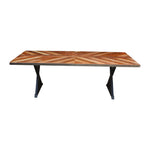
Credit: www.mortisetenon.com
Joining The Tabletop And Frame
Joining the tabletop and frame is a key step in building your chevron dining room table. This process ensures the table looks solid and lasts long. Proper attachment keeps the tabletop flat and steady on the frame. Take your time to align parts carefully for the best result. This section guides you through securing the top, checking stability, and making final adjustments.
Securing The Top
Place the tabletop on the frame, matching edges perfectly. Use clamps to hold the tabletop firmly in place. Attach the tabletop with screws or brackets under the frame. Drill pilot holes first to avoid wood splitting. Tighten screws evenly to prevent warping or gaps. Check that the tabletop does not shift during this step.
Checking Stability
Press down on different areas of the tabletop to test stability. Wiggle the table gently to feel any movement or looseness. Look under the table for any gaps between the frame and tabletop. Tighten any loose screws or add extra brackets if needed. A stable table will not wobble or creak under pressure.
Final Adjustments
Sand any rough edges or spots where the tabletop meets the frame. Fill small gaps with wood filler for a smooth finish. Wipe off dust and debris from the tabletop surface. Apply your finish or sealant to protect the wood. Let the table dry fully before use to ensure lasting durability.
Finishing Touches
Finishing touches bring your chevron dining room table to life. They protect the wood and enhance its beauty. Careful attention here ensures a lasting, stunning result. The final steps add character and durability to your work.
Staining Or Painting
Choose a stain or paint that matches your room’s style. Stains highlight the wood grain and deepen color. Paint offers a smooth, colorful finish and covers imperfections. Apply thin, even coats for the best effect. Let each coat dry fully before adding another.
Applying Protective Coating
Protective coatings shield your table from scratches and spills. Polyurethane is a popular choice for durability and water resistance. Use a brush or spray for even coverage. Apply at least two coats, allowing drying time between. This step extends the life of your table.
Final Sanding
Lightly sand the surface after the protective coating dries. Use fine-grit sandpaper to remove any bumps or dust. Sand gently to avoid damaging the finish. Clean off dust with a soft cloth before use. This step gives your table a smooth, polished look.
Maintenance Tips
Maintaining your Chevron dining room table ensures it stays beautiful and functional for years. A well-cared-for table not only looks great but also holds its value and withstands everyday use. Let’s dive into some practical tips that make upkeep simple and effective.
Cleaning Guidelines
Regular cleaning prevents dirt buildup and preserves the wood’s natural shine. Use a soft, damp cloth to wipe the surface gently—avoid soaking the wood with water. Mild soap mixed with water works well; just be sure to dry the table immediately afterward.
Steer clear of harsh chemicals or abrasive cleaners. They can strip the finish or damage the delicate chevron pattern. Instead, try a mixture of vinegar and water for tougher spots—test it on a small area first to see how your table reacts.
Preventing Damage
Protect your table from scratches and stains by using placemats and coasters. Heat can also cause damage, so never place hot pots or dishes directly on the surface. Have you ever noticed how a single ring from a cold drink can leave a permanent mark? That’s exactly what you want to avoid.
Keep your table away from direct sunlight and extreme temperature changes. These conditions can cause the wood to warp or fade over time. Positioning your table thoughtfully will help maintain its structural integrity and vibrant finish.
Periodic Care
Every few months, apply a quality furniture polish or wax designed for wood surfaces. This step replenishes moisture and enhances the finish, making your table look fresh and lively. Be sure to follow the product instructions carefully to avoid buildup.
Inspect the table regularly for loose joints or signs of wear. Tightening screws or reapplying wood glue can prevent bigger problems down the road. What small repairs could you handle now to save yourself a headache later?

Credit: www.ana-white.com
Frequently Asked Questions
What Materials Are Needed For A Chevron Table?
To build a Chevron dining room table, you’ll need wood planks, screws, wood glue, a saw, and a sander. Choose high-quality wood for durability. You’ll also need a measuring tape, clamps, and a finish or sealant to protect the wood.
Having the right tools ensures a smooth building process.
How Do You Cut Wood For Chevron Pattern?
To cut wood for a Chevron pattern, measure and mark 45-degree angles on your planks. Use a saw to cut each plank precisely. Ensure each piece fits together seamlessly. Consistent angles and accurate cuts are crucial for a perfect Chevron pattern.
What Finish Is Best For Dining Tables?
A polyurethane finish is ideal for dining tables. It provides a durable, water-resistant surface. Polyurethane enhances the wood’s natural beauty while protecting it. It’s available in matte, satin, and gloss finishes. Choose based on your aesthetic preference. Always apply multiple coats for maximum protection.
How Long Does It Take To Build The Table?
Building a Chevron dining room table typically takes 2 to 3 days. This includes cutting, assembling, sanding, and finishing. Allow extra time for the finish to dry completely. Plan your project carefully to ensure a smooth process. Patience and precision are key to achieving the best results.
Conclusion
Building a chevron dining room table takes time and care. Follow each step with patience and focus. Choose good wood and measure twice before cutting. The chevron pattern adds style and charm to your room. You will feel proud sitting at a table you made.
This project helps you learn new skills and enjoy your space. Remember, practice makes your work better each time. Start small, stay steady, and finish strong. Your handmade table will be a special part of your home for years.