
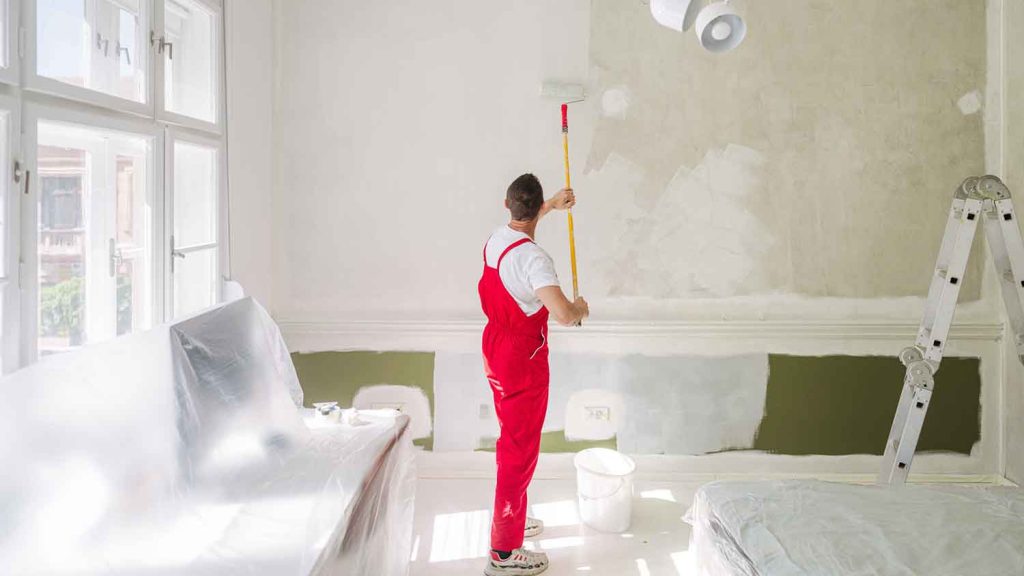
Are you wondering if a fresh coat of interior paint can actually boost your home’s value? You’re not alone.
Many homeowners ask this question when preparing to sell or simply wanting to improve their living space. The good news is, the right paint can do more than just brighten up your rooms—it can make your entire home more appealing to buyers and even increase its market price.
But how exactly does it work? And what should you know before picking up that paintbrush? Keep reading to discover the surprising impact interior paint can have on your home’s value and how you can make the most of it.

Credit: www.decorilla.com
How Paint Influences Home Value
Paint can significantly impact your home’s value by shaping how buyers perceive the space. It’s not just about color choice but also about the quality and freshness of the paint job. The right paint can boost your home’s appeal and even justify a higher asking price.
Curb Appeal And First Impressions
Your home’s exterior is the first thing people notice. A fresh coat of paint can instantly make your house look well-maintained and inviting. If you’ve ever walked away from a home because it looked tired or neglected, you know how powerful first impressions are.
Even small touch-ups on trim or doors can add to the overall look. Consider how much effort and cost it would take to improve landscaping or renovate siding compared to a simple paint refresh.
Modern Vs. Outdated Colors
Colors speak volumes about the style and care of a home. Neutral tones like soft grays, warm beiges, or off-whites appeal to most buyers and fit modern trends. On the other hand, bold or outdated colors can turn potential buyers away or make your home seem less appealing.
Think about your own preferences when browsing listings. Would you prefer a home painted in trendy, modern shades or one stuck in the past with bright, clashing colors? Updating paint colors to current styles can help your home sell faster and for more money.
Quality Of Paint And Finish
Not all paint jobs are equal. High-quality paint with a smooth, even finish shows care and attention to detail. It also lasts longer and resists dirt and wear better.
Low-quality paint or a rushed job often results in peeling, cracking, or uneven coverage, which can immediately lower perceived value. Investing in good materials and professional application can make a noticeable difference.

Credit: www.decorilla.com
Choosing The Right Colors
Choosing the right colors for interior paint plays a big role in increasing a home’s value. Colors set the mood and make rooms feel inviting. They help buyers imagine themselves living in the space. Picking colors that appeal to many people can make your home sell faster and at a better price.
Neutral Tones For Broad Appeal
Neutral tones like beige, gray, and off-white attract a wide range of buyers. These colors create a calm and clean look. They make rooms appear larger and brighter. Neutrals also match almost any furniture style. This flexibility helps buyers see the home’s potential easily. Using neutral paint reduces the chance of putting off potential buyers.
Accent Walls And Trends
Accent walls add character without overwhelming a room. Choose one wall and paint it a bold or trendy color. Popular shades include navy blue, forest green, or warm terracotta. This technique highlights architectural features or creates a focal point. Trendy colors can make a home feel modern and fresh. Keep the rest of the walls neutral to balance the look.
Matching Colors To Home Style
Colors should fit the home’s style and era. Classic homes look best with traditional colors like soft creams or muted blues. Modern homes suit cooler tones or monochrome palettes. Rustic homes work well with earth tones like browns and greens. Matching colors to style creates harmony and highlights the home’s unique features. It helps buyers connect emotionally with the space.
Cost Vs. Value Of Interior Paint
Understanding the cost versus value of interior paint is crucial if you’re considering it as an investment to boost your home’s worth. Painting can be a relatively affordable way to refresh your space, but the impact on resale value depends on how you budget, the quality of work, and your approach to the project. Let’s break down how to make the most of your painting budget and what kind of return you might expect.
Budgeting For Paint Projects
Start by deciding how much you want to spend and what areas need painting. Interior paint costs vary widely depending on the quality of paint, room size, and prep work needed. Remember, cheaper paint may save money upfront but can lead to more frequent touch-ups or repaints.
Think about small upgrades like painting just the living room or kitchen walls instead of the whole house if your budget is tight. Also, factor in supplies like brushes, rollers, and tape, which add to the total cost. Setting a clear budget helps you avoid overspending and ensures you target the areas that will impress buyers most.
Return On Investment Estimates
How much value does interior paint add to your home? According to various real estate studies, a fresh coat of paint can yield a return on investment (ROI) of 50% to 107%, depending on the market and paint quality. Neutral colors tend to appeal to more buyers and can increase the chance of a quicker sale.
Keep in mind, ROI also depends on your home’s condition before painting. If your walls are outdated or damaged, painting can significantly improve perceived value. But if your home already looks fresh and modern, the impact on price might be smaller.
Diy Vs. Professional Painting
Choosing between doing it yourself or hiring a pro affects both cost and final quality. DIY painting saves labor costs but demands time, effort, and skill to avoid streaks or uneven coverage. Have you ever started a painting project only to realize the prep work takes longer than expected?
Professional painters bring experience and efficiency, often finishing faster and with a smoother finish. However, their services can cost two to three times more than DIY. Weigh your confidence and available time against potential quality and speed benefits before deciding.
Timing Paint Jobs For Maximum Impact
Timing a paint job correctly can greatly improve its effect on your home’s value. Fresh paint makes rooms look clean and inviting. It also hides wear and tear. Choosing the right moment to paint helps avoid wasted effort and money.
Before Selling Your Home
Painting just before listing your home creates a strong first impression. Buyers notice fresh, neutral colors that make spaces feel larger and brighter. Avoid painting too early; colors might fade or chip before buyers visit. Aim to paint a few weeks before photos and showings start.
Seasonal Considerations
Paint dries best in mild, dry weather. Spring and fall offer ideal temperatures and humidity levels. Avoid painting in very hot or cold months, which can cause uneven drying and peeling. Proper weather ensures a smooth finish that lasts longer and looks better.
Maintenance Between Sales
Keep your paint in good condition if you aren’t selling right away. Clean walls regularly to remove dirt and stains. Touch up any chips or scratches quickly. Well-maintained paint helps preserve your home’s appeal and value over time.
Common Mistakes To Avoid
Painting your home’s interior can boost its value and appeal. Avoiding common mistakes helps you get the best results. These errors can lower the impact and even reduce your home’s worth.
Overly Bold Choices
Bright or unusual colors may turn off buyers. Neutral tones appeal to a wider audience. Choose soft, light shades to make rooms look bigger and cleaner. Bold colors can make spaces feel smaller and less inviting.
Ignoring Surface Preparation
Skipping cleaning and repairing walls causes poor paint adhesion. Paint may peel or look uneven over time. Take time to fill holes, sand rough spots, and clean surfaces. Proper prep ensures a smooth and lasting finish.
Poor Quality Materials
Cheap paints dry quickly but wear out fast. Use mid to high-quality paints for durability and better coverage. Good brushes and rollers help apply paint evenly. Investing in quality materials saves money in the long run.

Credit: www.decorilla.com
Frequently Asked Questions
Does Interior Paint Increase Home Value Significantly?
Yes, fresh interior paint can increase home value. It enhances the home’s appearance and appeal to buyers. Neutral colors attract more buyers and create a clean, updated look. This simple upgrade can boost perceived value and speed up the sale process.
Which Paint Colors Add The Most Home Value?
Neutral colors like beige, gray, and soft whites add the most value. They create a versatile, inviting space that appeals to many buyers. Bright or bold colors may deter buyers. Neutral tones help buyers envision their own style in the home.
How Often Should You Repaint Interior Walls To Maintain Value?
Repainting every 3-5 years helps maintain home value. It keeps walls fresh, clean, and damage-free. High-traffic areas may need more frequent touch-ups. Regular painting prevents wear and preserves the home’s appeal for potential buyers.
Can Diy Interior Painting Affect Home Value?
DIY painting can increase value if done well. Poor-quality or uneven paint jobs may reduce value. Professional finishes ensure smooth, consistent coverage. Quality painting improves first impressions and buyer confidence in the home’s condition.
Conclusion
A fresh coat of interior paint can brighten a home instantly. It helps rooms look clean and well cared for. Buyers often notice neat, fresh walls first. Simple paint updates can make a big difference in appeal. This small change may add value to your property.
Choose neutral colors to attract more buyers easily. Keep the paint job smooth and even for best results. Overall, painting is a smart, affordable way to improve your home’s look and value.